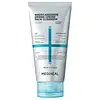
This mild gel cleanser is made to cleanse while calming and soothing your skin.

What's inside
What's inside
 Key Ingredients
Benefits
Concerns
Ingredients Side-by-side
Glycerin
Humectant


Water
Skin ConditioningSodium Cocoyl Glycinate
Cleansing
Lauryl Hydroxysultaine
CleansingCoco-Glucoside
Cleansing
Centella Asiatica Leaf Extract
Skin Conditioning


Pyrus Communis Fruit Extract
Skin ConditioningJuniperus Virginiana Oil
Masking


Rosa Damascena Flower Water
Masking
Cucumis Melo Fruit Extract
Skin ConditioningIris Florentina Root Extract
MaskingSimmondsia Chinensis Seed Oil
Emollient

Hedera Helix Leaf/Stem Extract
AntimicrobialTheobroma Cacao Extract
Skin ConditioningPogostemon Cablin Leaf Oil
Masking
Artemisia Vulgaris Oil
Perfuming

Quillaja Saponaria Bark Extract
CleansingRosmarinus Officinalis Leaf Oil
Masking
Sodium Hyaluronate
Humectant
Vincetoxicum Atratum Extract
Skin ConditioningAlthaea Rosea Flower Extract
Skin ConditioningCentella Asiatica Extract
Cleansing
1,2-Hexanediol
Skin Conditioning
Caprylyl Glycol
Emollient
Gluconolactone
Chelating




Hectorite
AbsorbentHydroxypropyl Starch Phosphate
Pentylene Glycol
Skin Conditioning
Sodium Lauroyl Glutamate
SurfactantCitric Acid
Buffering
Acrylates/C10-30 Alkyl Acrylate Crosspolymer
Emulsion StabilisingDecyl Glucoside
Cleansing
Polyquaternium-7
Dextrin
AbsorbentSodium Cocoyl Isethionate
Cleansing
Sodium Chloride
MaskingSodium Polyacrylate
Absorbent
Propanediol
Solvent
Sodium Phytate
ChelatingPolyglyceryl-10 Isostearate
Skin Conditioning
Polyglyceryl-10 Oleate
Skin Conditioning
Butylene Glycol
Humectant
Niacinamide
Smoothing

Panthenol
Skin Conditioning
Madecassoside
Antioxidant
Ethylhexylglycerin
Skin ConditioningSodium Benzoate
Masking
Gardenia Florida Fruit Extract
Skin ConditioningGlycerin, Water, Sodium Cocoyl Glycinate, Lauryl Hydroxysultaine, Coco-Glucoside, Centella Asiatica Leaf Extract, Pyrus Communis Fruit Extract, Juniperus Virginiana Oil, Rosa Damascena Flower Water, Cucumis Melo Fruit Extract, Iris Florentina Root Extract, Simmondsia Chinensis Seed Oil, Hedera Helix Leaf/Stem Extract, Theobroma Cacao Extract, Pogostemon Cablin Leaf Oil, Artemisia Vulgaris Oil, Quillaja Saponaria Bark Extract, Rosmarinus Officinalis Leaf Oil, Sodium Hyaluronate, Vincetoxicum Atratum Extract, Althaea Rosea Flower Extract, Centella Asiatica Extract, 1,2-Hexanediol, Caprylyl Glycol, Gluconolactone, Hectorite, Hydroxypropyl Starch Phosphate, Pentylene Glycol, Sodium Lauroyl Glutamate, Citric Acid, Acrylates/C10-30 Alkyl Acrylate Crosspolymer, Decyl Glucoside, Polyquaternium-7, Dextrin, Sodium Cocoyl Isethionate, Sodium Chloride, Sodium Polyacrylate, Propanediol, Sodium Phytate, Polyglyceryl-10 Isostearate, Polyglyceryl-10 Oleate, Butylene Glycol, Niacinamide, Panthenol, Madecassoside, Ethylhexylglycerin, Sodium Benzoate, Gardenia Florida Fruit Extract
Water
Skin ConditioningGlycerin
Humectant
Hydrogenated Palm Acid
Potassium Hydroxide
BufferingPotassium Cocoyl Glycinate
Surfactant
Sedum Sarmentosum Extract
HumectantSodium Hyaluronate
Humectant
Hydroxypropyltrimonium Hyaluronate
Sodium Acetylated Hyaluronate
Humectant
Hydrolyzed Hyaluronic Acid
Humectant
Hyaluronic Acid
Humectant
Glyceryl Stearate
Emollient
Polyquaternium-7
Acrylates/C10-30 Alkyl Acrylate Crosspolymer
Emulsion StabilisingSodium Phytate
Chelating1,2-Hexanediol
Skin Conditioning
Allantoin
Skin Conditioning
Panthenol
Skin Conditioning
Sodium Bicarbonate
Abrasive
Butylene Glycol
Humectant
Glycine
Buffering
Serine
Masking
Glutamic Acid
Humectant
Aspartic Acid
Masking
Leucine
Skin ConditioningAlanine
Masking
Lysine
Skin ConditioningHydrolyzed Sodium Hyaluronate
Skin Conditioning
Sodium Hyaluronate Crosspolymer
Humectant
Arginine
Masking
Tyrosine
MaskingPhenylalanine
Masking
Proline
Skin Conditioning
Threonine
Valine
MaskingIsoleucine
Skin ConditioningHistidine
Humectant
Cysteine
Antioxidant
Methionine
Skin ConditioningPotassium Hyaluronate
Skin ConditioningSodium Benzoate
Masking
Water, Glycerin, Hydrogenated Palm Acid, Potassium Hydroxide, Potassium Cocoyl Glycinate, Sedum Sarmentosum Extract, Sodium Hyaluronate, Hydroxypropyltrimonium Hyaluronate, Sodium Acetylated Hyaluronate, Hydrolyzed Hyaluronic Acid, Hyaluronic Acid, Glyceryl Stearate, Polyquaternium-7, Acrylates/C10-30 Alkyl Acrylate Crosspolymer, Sodium Phytate, 1,2-Hexanediol, Allantoin, Panthenol, Sodium Bicarbonate, Butylene Glycol, Glycine, Serine, Glutamic Acid, Aspartic Acid, Leucine, Alanine, Lysine, Hydrolyzed Sodium Hyaluronate, Sodium Hyaluronate Crosspolymer, Arginine, Tyrosine, Phenylalanine, Proline, Threonine, Valine, Isoleucine, Histidine, Cysteine, Methionine, Potassium Hyaluronate, Sodium Benzoate
Reviews
Ingredients Explained
These ingredients are found in both products.
Ingredients higher up in an ingredient list are typically present in a larger amount.
1,2-Hexanediol is a synthetic liquid and another multi-functional powerhouse.
It is a:
- Humectant, drawing moisture into the skin
- Emollient, helping to soften skin
- Solvent, dispersing and stabilizing formulas
- Preservative booster, enhancing the antimicrobial activity of other preservatives
Acrylates/C10-30 Alkyl Acrylate Crosspolymer is a synthetic polymer. It is used to thicken, emulsify, and improve the texture of products.
As an emulsifier, it helps stabilize oil-in-water emulsions to give products an elegant feel when applied.
It can also form a thin protective film on skin. One study found that a formula using this polymer helped slow down how quickly other ingredients (like DEET) were absorbed through skin.
A 2024 study of over 1,300 patients confirmed that sensitization to this ingredient is rare. It is also non-mutagenic and has a clean track record.
Learn more about Acrylates/C10-30 Alkyl Acrylate CrosspolymerButylene Glycol (or BG) is used within cosmetic products for a few different reasons:
Overall, Butylene Glycol is a safe and well-rounded ingredient that works well with other ingredients.
Though this ingredient works well with most skin types, some people with sensitive skin may experience a reaction such as allergic rashes, closed comedones, or itchiness.
Learn more about Butylene GlycolGlycerin (or glycerol) is a compound naturally found in your skin. It's a powerhouse humectant that pulls water into the stratum corneum.
Topically, glycerin does several things at once:
Your skin makes glycerin on its own (mostly from sebaceous oil breakdown) and shuttles it to your outermost layer of skin, or your epidermis, via aquaporin-3.
Aquaporin-3 is a transporter that is essential for normal skin hydration, elasticity, and repair. Interestingly, mice lacking in AQP3 have dry and less elastic skin that can be fully corrected with glycerin.
This ingredient is non-irritating, plays well with almost every ingredient, and works across all skin types. Typical use is anywhere between 3-10% but can go up to 79% in some leave-on products.
Just know very high concentrations (>40%) can feel tacky in low humidity.
Glycerin is the name for this ingredient in American English. British English uses Glycerol/Glycerine.
Learn more about GlycerinPanthenol is a common ingredient that helps hydrate and soothe the skin. It is found naturally in our skin and hair.
There are two forms of panthenol: D and L.
D-panthenol is also known as dexpanthenol. Most cosmetics use dexpanthenol or a mixture of D and L-panthenol.
Panthenol is famous due to its ability to go deeper into the skin's layers. Using this ingredient has numerous pros (and no cons):
Like hyaluronic acid, panthenol is a humectant. Humectants are able to bind and hold large amounts of water to keep skin hydrated.
This ingredient works well for wound healing. It works by increasing tissue in the wound and helps close open wounds.
Once oxidized, panthenol converts to pantothenic acid. Panthothenic acid is found in all living cells.
This ingredient is also referred to as pro-vitamin B5.
Learn more about PanthenolPolyquaternium-7 is a light to clear colored liquid. It is commonly found in haircare products for its film-forming and anti-static properties.
According to a manufacturer, it is a non-paraben and specially developed for negatively charged surfactant systems. This makes it a great hairstyle holder and helps to improve wet hair detangling without adding buildup.
Sodium Benzoate is a preservative. It's used in both cosmetic and food products to inhibit the growth of mold and bacteria. It is typically produced synthetically.
Both the US FDA and EU Health Committee have approved the use of sodium benzoate. In the US, levels of 0.1% (of the total product) are allowed.
Sodium benzoate works as a preservative by inhibiting the growth of bacteria inside of cells. It prevents the cell from fermenting a type of sugar using an enzyme called phosphofructokinase.
It is the salt of benzoic acid. Foods containing sodium benzoate include soda, salad dressings, condiments, fruit juices, wines, and snack foods.
Studies for using ascorbic acid and sodium benzoate in cosmetics are lacking, especially in skincare routines with multiple steps.
We always recommend speaking with a professional, such as a dermatologist, if you have any concerns.
Learn more about Sodium BenzoateSodium Hyaluronate is the salt form of hyaluronic acid. It is a long sugar chain that is naturally found in your skin, joints, and connective tissue that maintains hydration and elasticity.
In skincare, it works as a humectant. It pulls water from the environment and deeper layers of skin and binds it to the surface.
Interestingly, the size of the molecule affects its behavior:
Some clinical evidence links low molecular weight versions to improved wrinkle depth, elasticity, anti-inflammatory effects, and barrier repair.
Many serums use a blend of both weights so you can get surface hydration plus longer-lasting and deeper effects.
You'll typically see concentrations between 0.1-2% for this ingredient.
Learn more about Sodium HyaluronateSodium Phytate is the sodium salt of Phytic acid, a compound that plants store phosphorus in. It's the plant-derived alternative to ingredients like Disodium EDTA.
In skincare, this ingredient is a chelator that grabs onto trace metal ions like iron and copper that sneak into formulas through water/raw materials.
Those metals speed up oxidation so binding them keeps oils, fragrance, and actives from going off, stops color changes, and helps the preservative system work harder.
Survey data shows usage levels range from 0.0099%-0.5% in leave-on products, 0.025%-0.3% in rinse-off, and up to 0.05% in eye-area products. Suppliers typically recommend a range between 0.05-0.5%.
Learn more about Sodium PhytateWater. It's the most common cosmetic ingredient of all. You'll usually see it at the top of ingredient lists, meaning that it makes up the largest part of the product.
So why is it so popular? Water most often acts as a solvent - this means that it helps dissolve other ingredients into the formulation.
You'll also recognize water as that liquid we all need to stay alive. If you see this, drink a glass of water. Remember to stay hydrated!
Learn more about Water

