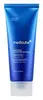
This wash off mask is formulated around Salicylic Acid to clear breakouts and unclog pores.
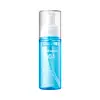
This pore-care serum is formulated around Niacinamide and Gluconolactone to refine the look of pores and balance excess oil.

What's inside
What's inside
 Key Ingredients
Benefits
Concerns
Ingredients Side-by-side
Water
Skin ConditioningKaolin
Abrasive



Bentonite
Absorbent
Methylpropanediol
Solvent1,2-Hexanediol
Skin Conditioning
Xanthan Gum
EmulsifyingTetrasodium Pyrophosphate
BufferingCI 77510
Cosmetic ColorantMagnesium Aluminum Silicate
Absorbent
Sodium Hyaluronate
Humectant



Caprylyl Glycol
Emollient
Cellulose
Absorbent
Chlorella Vulgaris Extract
Skin ConditioningGlucose
Humectant
Butylene Glycol
Humectant
Allantoin
Skin Conditioning
Caffeine
Skin Conditioning
Fructooligosaccharides
Humectant
Fructose
Humectant
Limonene
Perfuming




Ethylhexylglycerin
Skin ConditioningCitrus Aurantium Bergamia Fruit Oil
Masking

Sodium Phytate
ChelatingCitrus Limon Peel Oil
Masking
Citrus Aurantium Dulcis Peel Oil
Masking
Cynanchum Atratum Extract
Skin ConditioningAlthaea Rosea Flower Extract
Skin ConditioningTocopherol
Antioxidant



Canadian Colloidal Clay
Skin ConditioningGluconolactone
Chelating

Guaiazulene
Antimicrobial
Salicylic Acid
Masking

Glycolic Acid
Buffering
Pentylene Glycol
Skin Conditioning
Montmorillonite
AbsorbentIllite
Abrasive
Methyl Diisopropyl Propionamide
MaskingOenothera Biennis Flower Extract
AstringentPinus Palustris Leaf Extract
TonicPueraria Lobata Root Extract
HumectantUlmus Davidiana Root Extract
Skin Conditioning
Diospyros Kaki Leaf Extract
Skin Protecting
Vitis Vinifera Fruit Extract
Skin ConditioningCarthamus Tinctorius Flower Extract
Skin ConditioningCoffea Arabica Seed Extract
Masking
Polygonum Cuspidatum Root Extract
Antioxidant
Camellia Sinensis Leaf Extract
Antimicrobial
Castanea Crenata Shell Extract
Skin ConditioningZanthoxylum Piperitum Fruit Extract
Skin ConditioningCopper Tripeptide-1
Skin Conditioning
Water, Kaolin, Bentonite, Methylpropanediol, 1,2-Hexanediol, Xanthan Gum, Tetrasodium Pyrophosphate, CI 77510, Magnesium Aluminum Silicate, Sodium Hyaluronate, Caprylyl Glycol, Cellulose, Chlorella Vulgaris Extract, Glucose, Butylene Glycol, Allantoin, Caffeine, Fructooligosaccharides, Fructose, Limonene, Ethylhexylglycerin, Citrus Aurantium Bergamia Fruit Oil, Sodium Phytate, Citrus Limon Peel Oil, Citrus Aurantium Dulcis Peel Oil, Cynanchum Atratum Extract, Althaea Rosea Flower Extract, Tocopherol, Canadian Colloidal Clay, Gluconolactone, Guaiazulene, Salicylic Acid, Glycolic Acid, Pentylene Glycol, Montmorillonite, Illite, Methyl Diisopropyl Propionamide, Oenothera Biennis Flower Extract, Pinus Palustris Leaf Extract, Pueraria Lobata Root Extract, Ulmus Davidiana Root Extract, Diospyros Kaki Leaf Extract, Vitis Vinifera Fruit Extract, Carthamus Tinctorius Flower Extract, Coffea Arabica Seed Extract, Polygonum Cuspidatum Root Extract, Camellia Sinensis Leaf Extract, Castanea Crenata Shell Extract, Zanthoxylum Piperitum Fruit Extract, Copper Tripeptide-1
Water
Skin Conditioning1,2-Hexanediol
Skin Conditioning
Niacinamide
Smoothing
Propanediol
Solvent
Trehalose
Humectant
Panthenol
Skin Conditioning
Polyglutamic Acid
Skin Conditioning
Coco-Glucoside
Cleansing
Allantoin
Skin Conditioning
Hamamelis Virginiana Water
Astringent
Sodium Citrate
BufferingEthylhexylglycerin
Skin ConditioningDipotassium Glycyrrhizate
Humectant
Adenosine
Skin Conditioning
Glycerin
Humectant
Citric Acid
Buffering
Butylene Glycol
Humectant
Sodium Phytate
ChelatingHydroxyethylcellulose
Emulsion StabilisingBacillus Ferment
Skin Conditioning
Centella Asiatica Callus Extracellular Vesicles
Pullulan
Sodium Hyaluronate
Humectant
Methylpropanediol
SolventPolyglyceryl-4 Caprate
EmulsifyingGlycine
Buffering
Gluconolactone
Chelating
Capryloyl Salicylic Acid
Exfoliating
Tromethamine
BufferingGlutamic Acid
Humectant
Arginine
Masking
Benzyl Glycol
SolventCetyl Ethylhexanoate
EmollientSodium Hyaluronate Crosspolymer
Humectant
Cetearyl Olivate
Sorbitan Olivate
Emulsifying
Water, 1,2-Hexanediol, Niacinamide, Propanediol, Trehalose, Panthenol, Polyglutamic Acid, Coco-Glucoside, Allantoin, Hamamelis Virginiana Water, Sodium Citrate, Ethylhexylglycerin, Dipotassium Glycyrrhizate, Adenosine, Glycerin, Citric Acid, Butylene Glycol, Sodium Phytate, Hydroxyethylcellulose, Bacillus Ferment, Centella Asiatica Callus Extracellular Vesicles, Pullulan, Sodium Hyaluronate, Methylpropanediol, Polyglyceryl-4 Caprate, Glycine, Gluconolactone, Capryloyl Salicylic Acid, Tromethamine, Glutamic Acid, Arginine, Benzyl Glycol, Cetyl Ethylhexanoate, Sodium Hyaluronate Crosspolymer, Cetearyl Olivate, Sorbitan Olivate
Reviews
Ingredients Explained
These ingredients are found in both products.
Ingredients higher up in an ingredient list are typically present in a larger amount.
1,2-Hexanediol is a synthetic liquid and another multi-functional powerhouse.
It is a:
- Humectant, drawing moisture into the skin
- Emollient, helping to soften skin
- Solvent, dispersing and stabilizing formulas
- Preservative booster, enhancing the antimicrobial activity of other preservatives
Allantoin is a soothing ingredient known for its protective and moisturizing properties; it's basically a quiet workhorse ingredient you can find in a huge range of cosmetics.
Though it can be derived from the comfrey plant, allantoin is produced synthetically for cosmetic products to ensure purity.
Research shows it can encourage your skin cells to turn over and renew by stimulating keratinocyte and fibroblast proliferation.
It also has mild keratolytic properties to help loosen and shed dead skin cells without being harsh.
Studies also suggest allantoin can help calm inflammation by dialing down some of the chemical signals your skin sends out when it is irritated.
This ingredient is typically used in the 0.1-0.5% range, and the FDA recognizes it as a skin protectant in OTC products up to 2%.
Overall, allantoin is a wonderful addition to most routines; it is stable across a wide pH range (~4-8), works well with other ingredients, and is considered non-sensitizing/non-irritating.
Fun fact: Allantoin is naturally occurring in comfrey root, beets, chamomile, and wheat sprouts. Our bodies even produce it as a byproduct of uric acid metabolism.
Learn more about AllantoinButylene Glycol (or BG) is used within cosmetic products for a few different reasons:
Overall, Butylene Glycol is a safe and well-rounded ingredient that works well with other ingredients.
Though this ingredient works well with most skin types, some people with sensitive skin may experience a reaction such as allergic rashes, closed comedones, or itchiness.
Learn more about Butylene GlycolEthylhexylglycerin is created from glycerin. It is a multitasker ingredient that:
The CIR Expert Panel found minimal skin absorption or sensitization of any kind in a safety assessment. Though this ingredient is considered well-tolerated, a small number of cases of allergic dermatitis have been published since 2002. Just be sure to patch test if you are unsure.
Industry-reported use ranges from 8% in rinse-off products and 2% in leave-on formulations.
Learn more about EthylhexylglycerinGluconolactone is a PHA. PHAs are a great gentle alternative to traditional AHAs.
When applied, Gluconolactone has the same affect on skin as AHAs such as lactic acid. It helps dissolve the dead skin cells in the top layer of your skin. This improves texture and brightens the skin.
PHAs are more gentle than AHAs due to their larger structure. They do not penetrate as deeply as AHAs and take a longer time to dissolve dead cells. Studies show PHAs do not cause as much irritation.
Gluconolactone has some interesting properties:
In a 2004 study, Gluconolactone was found to prevent UV damage in mouse skin cells and has not been found to increase sun sensitivity. However, we still recommend wearing SPF daily.
This ingredient is is an created by reacting gluconic acid with an alcohol.
Learn more about GluconolactoneMethylpropanediol is a synthetic solvent and humectant.
As a solvent, it helps dissolve other ingredients, helping to evenly distribute ingredients throughout the product. This ingredient has also been shown to have antimicrobial properties which makes it a preservative booster.
Methylpropanediol is able to add a bit of moisture to the skin. It also helps other ingredients be better absorbed into the skin, such as salicylic acid.
Learn more about MethylpropanediolSodium Hyaluronate is the salt form of hyaluronic acid. It is a long sugar chain that is naturally found in your skin, joints, and connective tissue that maintains hydration and elasticity.
In skincare, it works as a humectant. It pulls water from the environment and deeper layers of skin and binds it to the surface.
Interestingly, the size of the molecule affects its behavior:
Some clinical evidence links low molecular weight versions to improved wrinkle depth, elasticity, anti-inflammatory effects, and barrier repair.
Many serums use a blend of both weights so you can get surface hydration plus longer-lasting and deeper effects.
You'll typically see concentrations between 0.1-2% for this ingredient.
Learn more about Sodium HyaluronateSodium Phytate is the sodium salt of Phytic acid, a compound that plants store phosphorus in. It's the plant-derived alternative to ingredients like Disodium EDTA.
In skincare, this ingredient is a chelator that grabs onto trace metal ions like iron and copper that sneak into formulas through water/raw materials.
Those metals speed up oxidation so binding them keeps oils, fragrance, and actives from going off, stops color changes, and helps the preservative system work harder.
Survey data shows usage levels range from 0.0099%-0.5% in leave-on products, 0.025%-0.3% in rinse-off, and up to 0.05% in eye-area products. Suppliers typically recommend a range between 0.05-0.5%.
Learn more about Sodium PhytateWater. It's the most common cosmetic ingredient of all. You'll usually see it at the top of ingredient lists, meaning that it makes up the largest part of the product.
So why is it so popular? Water most often acts as a solvent - this means that it helps dissolve other ingredients into the formulation.
You'll also recognize water as that liquid we all need to stay alive. If you see this, drink a glass of water. Remember to stay hydrated!
Learn more about Water

