MediCube Red Serum Versus Bioderma Sébium Kerato+
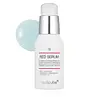
This calming serum is formulated around Niacinamide and Zinc PCA to calm redness and clear breakouts.
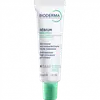
This acne moisturizer is formulated around Salicylic Acid to clear breakouts and refine skin texture.


What's inside
What's inside
 Key Ingredients
Benefits
Concerns
Ingredients Side-by-side
Water
Skin ConditioningDipropylene Glycol
HumectantGlycerin
Humectant


Xylitol
Humectant
Alcohol Denat.
Antimicrobial




Propanediol
Solvent
1,2-Hexanediol
Skin Conditioning
Niacinamide
Smoothing









Trehalose
Humectant
Diethoxyethyl Succinate
SolventBetaine
Humectant
Pentylene Glycol
Skin Conditioning
Butylene Glycol
Humectant
Sodium Acrylate/Sodium Acryloyldimethyl Taurate Copolymer
Emulsion StabilisingC12-14 Alketh-12
EmulsifyingDimethicone Crosspolymer
Emulsion Stabilising
Polyisobutene
Ammonium Acryloyldimethyltaurate/Vp Copolymer
Vinyldimethicone
Dipotassium Glycyrrhizate
Humectant
Tromethamine
BufferingZinc PCA
Humectant
Carbomer
Emulsion StabilisingSalicylic Acid
Masking

Hydrogenated Lecithin
Emulsifying
Isododecane
EmollientAllantoin
Skin Conditioning
Dimethyl Sulfone
SolventPanthenol
Skin Conditioning
Polyquaternium-51
Skin Conditioning
4-Terpineol
Masking
Melaleuca Alternifolia Leaf Oil
Antioxidant



Caprylyl/Capryl Glucoside
CleansingSorbitan Oleate
Emulsifying

Adenosine
Skin Conditioning
Ethylhexylglycerin
Skin ConditioningMelia Azadirachta Leaf Extract
Skin ConditioningMelia Azadirachta Flower Extract
Skin ConditioningCaprylic/Capric Triglyceride
Masking
Xanthan Gum
EmulsifyingCoccinia Indica Fruit Extract
Skin Conditioning
Ocimum Sanctum Leaf Extract
Skin ConditioningAloe Barbadensis Flower Extract
EmollientSolanum Melongena Fruit Extract
Skin ConditioningCurcuma Longa Root Extract
Antioxidant
Corallina Officinalis Extract
Skin Conditioning
Ceramide NP
Skin Conditioning
Sodium Stearoyl Glutamate
CleansingTocopherol
Antioxidant
Lactococcus Ferment Lysate
Skin Conditioning
Decyl Glucoside
Cleansing
Camellia Sinensis Leaf Extract
Antimicrobial
Centella Asiatica Leaf Extract
Skin Conditioning
Cladosiphon Okamuranus Extract
Skin Conditioning
Salix Alba Bark Extract
Astringent
Coffea Arabica Seed Extract
Masking
Sodium Chloride
MaskingPhenylpropanol
Masking
Citrus Aurantium Bergamia Leaf Extract
AstringentLevulinic Acid
Perfuming
Sodium Levulinate
Skin ConditioningPinus Densiflora Leaf Extract
Antimicrobial
Water, Dipropylene Glycol, Glycerin, Xylitol, Alcohol Denat., Propanediol, 1,2-Hexanediol, Niacinamide, Trehalose, Diethoxyethyl Succinate, Betaine, Pentylene Glycol, Butylene Glycol, Sodium Acrylate/Sodium Acryloyldimethyl Taurate Copolymer, C12-14 Alketh-12, Dimethicone Crosspolymer, Polyisobutene, Ammonium Acryloyldimethyltaurate/Vp Copolymer, Vinyldimethicone, Dipotassium Glycyrrhizate, Tromethamine, Zinc PCA, Carbomer, Salicylic Acid, Hydrogenated Lecithin, Isododecane, Allantoin, Dimethyl Sulfone, Panthenol, Polyquaternium-51, 4-Terpineol, Melaleuca Alternifolia Leaf Oil, Caprylyl/Capryl Glucoside, Sorbitan Oleate, Adenosine, Ethylhexylglycerin, Melia Azadirachta Leaf Extract, Melia Azadirachta Flower Extract, Caprylic/Capric Triglyceride, Xanthan Gum, Coccinia Indica Fruit Extract, Ocimum Sanctum Leaf Extract, Aloe Barbadensis Flower Extract, Solanum Melongena Fruit Extract, Curcuma Longa Root Extract, Corallina Officinalis Extract, Ceramide NP, Sodium Stearoyl Glutamate, Tocopherol, Lactococcus Ferment Lysate, Decyl Glucoside, Camellia Sinensis Leaf Extract, Centella Asiatica Leaf Extract, Cladosiphon Okamuranus Extract, Salix Alba Bark Extract, Coffea Arabica Seed Extract, Sodium Chloride, Phenylpropanol, Citrus Aurantium Bergamia Leaf Extract, Levulinic Acid, Sodium Levulinate, Pinus Densiflora Leaf Extract
Water
Skin ConditioningDi-C12-13 Alkyl Malate
EmollientPropanediol
Solvent
Propylheptyl Caprylate
EmollientGlycerin
Humectant
Salicylic Acid
Masking
Sodium Polyacryloyldimethyl Taurate
Emulsion StabilisingArachidyl Alcohol
Emollient
Dimethicone
Emollient
Cetearyl Alcohol
Emollient
Behenyl Alcohol
Emollient
Coco-Glucoside
Cleansing
Arachidyl Glucoside
EmulsifyingSodium Hydroxide
BufferingSodium Citrate
BufferingChondrus Crispus Extract
Skin Conditioning
Mannitol
Humectant
Propyl Gallate
Antioxidant
Xylitol
Humectant
Rhamnose
HumectantSodium Metabisulfite
Antioxidant
Tocopherol
Antioxidant
Parfum
Masking
Water, Di-C12-13 Alkyl Malate, Propanediol, Propylheptyl Caprylate, Glycerin, Salicylic Acid, Sodium Polyacryloyldimethyl Taurate, Arachidyl Alcohol, Dimethicone, Cetearyl Alcohol, Behenyl Alcohol, Coco-Glucoside, Arachidyl Glucoside, Sodium Hydroxide, Sodium Citrate, Chondrus Crispus Extract, Mannitol, Propyl Gallate, Xylitol, Rhamnose, Sodium Metabisulfite, Tocopherol, Parfum
Reviews
Ingredients Explained
These ingredients are found in both products.
Ingredients higher up in an ingredient list are typically present in a larger amount.
Glycerin (or glycerol) is a compound naturally found in your skin. It's a powerhouse humectant that pulls water into the stratum corneum.
Topically, glycerin does several things at once:
Your skin makes glycerin on its own (mostly from sebaceous oil breakdown) and shuttles it to your outermost layer of skin, or your epidermis, via aquaporin-3.
Aquaporin-3 is a transporter that is essential for normal skin hydration, elasticity, and repair. Interestingly, mice lacking in AQP3 have dry and less elastic skin that can be fully corrected with glycerin.
This ingredient is non-irritating, plays well with almost every ingredient, and works across all skin types. Typical use is anywhere between 3-10% but can go up to 79% in some leave-on products.
Just know very high concentrations (>40%) can feel tacky in low humidity.
Glycerin is the name for this ingredient in American English. British English uses Glycerol/Glycerine.
Learn more about GlycerinPropanediol is an all-star ingredient. It softens, hydrates, and smooths the skin.
It’s often used to:
Propanediol is not likely to cause sensitivity and considered safe to use. It is derived from corn or petroleum with a clear color and no scent.
Learn more about PropanediolSalicylic Acid (also known as beta hydroxy acid or BHA) is a well-known ingredient for treating skin that struggles with acne and clogged pores. It exfoliates both the skin's surface and deep within the pores to help clear out buildup, control oil, and reduce inflammation.
Unlike AHAs (alpha hydroxy acids), salicylic acid is oil-soluble. This allows it to penetrate into pores which makes it especially effective for treating blackheads and preventing future breakouts.
Salicylic acid is also known for its soothing properties. It has a similar structure to aspirin and can calm inflamed or irritated skin, making it a good option for acne-prone skin that is also sensitive.
Concentrations of 0.5-2% are recognized by the U.S. FDA as an over-the-counter topical acne product.
It can cause irritation and/or dryness if one's skin already has a compromised moisture barrier, so it's best to focus on repairing that before introducing this ingredient into your routine.
While salicylic acid does not increase sun sensitivity, it’s still important to wear sunscreen daily to protect your skin.
If you are looking for the ingredient called BHA or Butylated Hydroxyanisole, click here.
Learn more about Salicylic AcidTocopherol is a fat-soluble antioxidant known as Vitamin E.
You'll find this ingredient in the vast majority of skincare (for good reason). It works to neutralize free radicals, or unstable molecules generated by UV exposure, pollution, and other environmental stressors, before they can cause oxidative damage to your skin cells.
Topically applied tocopherol has been shown to protect against UV damage by ramping up the skin's own natural defense enzymes.
It also acts as a skin conditioning agent; some studies show that regular topical use can improve the skin's water-binding capacity over 2-4 weeks.
This ingredient is especially loved for being a team player. When combined with Vitamin C, the photoprotective effect of both ingredients roughly doubles and the combo also helps reduce UV-induced DNA damage.
This ingredient has some brightening potential but it's more of a prevention ingredient than spot-fader. Cell studies show it can slow down melanin production but it's worth noting that it's not the most powerful brightener out there.
In formulations, it also serves as a stabilizer that helps protect other oxidation-prone ingredients from degrading.
Concentrations usually range from 0.1-1% in most leave-on products.
Learn more about TocopherolWater. It's the most common cosmetic ingredient of all. You'll usually see it at the top of ingredient lists, meaning that it makes up the largest part of the product.
So why is it so popular? Water most often acts as a solvent - this means that it helps dissolve other ingredients into the formulation.
You'll also recognize water as that liquid we all need to stay alive. If you see this, drink a glass of water. Remember to stay hydrated!
Learn more about WaterXylitol is a humectant and prebiotic. It can help with dry skin.
In studies, xylitol has been shown to improve dry skin. It decreased transepidermal water loss, or when water passes through the skin and evaporates. Xylitol also showed to help improve the biomechanical properties of the skin barrier.
The prebiotic property of xylitol may also help reinforce our skin's natural microbiome. Having a healthy microbiome prevents infection by bad bacteria and helps with hydration.
As a humectant, Xylitol helps draw moisture from both the air and from deeper skin layers. This helps keep skin hydrated.
Xylitol is a sugar alcohol and commonly used as a sugar substitute. It is naturally occurring in plants such as strawberries and pumpkin.
Learn more about Xylitol

