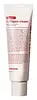
This barrier-repair moisturizer is formulated around Niacinamide and Lactobacillus Ferment to strengthen the skin barrier and soften the look of wrinkles.
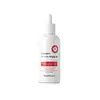
This anti-aging ampoule is formulated around Adenosine and Centella Asiatica Extract to soften the look of wrinkles.

What's inside
What's inside
 Key Ingredients
Benefits
Concerns
Ingredients Side-by-side
Water
Skin ConditioningGlycerin
Humectant


Methylpropanediol
SolventButylene Glycol
Humectant
1,2-Hexanediol
Skin Conditioning
Niacinamide
Smoothing









Caprylic/Capric Triglyceride
Masking
Cetearyl Olivate


Lactobacillus Ferment
Skin Conditioning
Sorbitan Olivate
Emulsifying
Cetearyl Alcohol
Emollient



Carbomer
Emulsion StabilisingTromethamine
BufferingPanthenol
Skin Conditioning
Betaine
Humectant
Cetearyl Glucoside
Emulsifying
Hydroxyethylcellulose
Emulsion StabilisingTrehalose
Humectant
Bifida Ferment Filtrate
Skin Conditioning
Lactococcus Ferment
Skin ConditioningGelatin
Hydrolyzed Collagen
Emollient
Diospyros Kaki Leaf Extract
Skin Protecting
Vitis Vinifera Fruit Extract
Skin ConditioningPolygonum Cuspidatum Root Extract
Antioxidant
Coffea Arabica Seed Extract
Masking
Carthamus Tinctorius Flower Extract
Skin ConditioningAdenosine
Skin Conditioning
Camellia Sinensis Leaf Extract
Antimicrobial
Castanea Crenata Shell Extract
Skin ConditioningZanthoxylum Piperitum Fruit Extract
Skin ConditioningCellulose Gum
Emulsion StabilisingAllantoin
Skin Conditioning
Dipotassium Glycyrrhizate
Humectant
Crataegus Cuneata Fruit Extract
Skin ConditioningPrunus Persica Fruit Extract
Abrasive
Lithospermum Erythrorhizon Root Extract
Skin ConditioningPyrus Communis Fruit Extract
Skin ConditioningVanilla Planifolia Fruit Extract
Skin Conditioning
Musa Sapientum Fruit Extract
Skin ConditioningHedera Helix Extract
AntimicrobialPinus Palustris Leaf Extract
TonicOenothera Biennis Flower Extract
AstringentPueraria Lobata Root Extract
HumectantUlmus Davidiana Root Extract
Skin Conditioning
Ethylhexylglycerin
Skin ConditioningGlycine
Buffering
Serine
Masking
Glutamic Acid
Humectant
Sodium Hyaluronate
Humectant
Aspartic Acid
Masking
Leucine
Skin ConditioningHydrolyzed Hyaluronic Acid
Humectant
Alanine
Masking
Lysine
Skin ConditioningArginine
Masking
Tyrosine
MaskingPhenylalanine
Masking
Proline
Skin Conditioning
Threonine
Valine
MaskingIsoleucine
Skin ConditioningDipeptide Diaminobutyroyl Benzylamide Diacetate
Skin Conditioning
Histidine
Humectant
Cysteine
Antioxidant
Methionine
Skin ConditioningPalmitoyl Tripeptide-5
Skin Conditioning
Sodium Acetylated Hyaluronate
Humectant
Water, Glycerin, Methylpropanediol, Butylene Glycol, 1,2-Hexanediol, Niacinamide, Caprylic/Capric Triglyceride, Cetearyl Olivate, Lactobacillus Ferment, Sorbitan Olivate, Cetearyl Alcohol, Carbomer, Tromethamine, Panthenol, Betaine, Cetearyl Glucoside, Hydroxyethylcellulose, Trehalose, Bifida Ferment Filtrate, Lactococcus Ferment, Gelatin, Hydrolyzed Collagen, Diospyros Kaki Leaf Extract, Vitis Vinifera Fruit Extract, Polygonum Cuspidatum Root Extract, Coffea Arabica Seed Extract, Carthamus Tinctorius Flower Extract, Adenosine, Camellia Sinensis Leaf Extract, Castanea Crenata Shell Extract, Zanthoxylum Piperitum Fruit Extract, Cellulose Gum, Allantoin, Dipotassium Glycyrrhizate, Crataegus Cuneata Fruit Extract, Prunus Persica Fruit Extract, Lithospermum Erythrorhizon Root Extract, Pyrus Communis Fruit Extract, Vanilla Planifolia Fruit Extract, Musa Sapientum Fruit Extract, Hedera Helix Extract, Pinus Palustris Leaf Extract, Oenothera Biennis Flower Extract, Pueraria Lobata Root Extract, Ulmus Davidiana Root Extract, Ethylhexylglycerin, Glycine, Serine, Glutamic Acid, Sodium Hyaluronate, Aspartic Acid, Leucine, Hydrolyzed Hyaluronic Acid, Alanine, Lysine, Arginine, Tyrosine, Phenylalanine, Proline, Threonine, Valine, Isoleucine, Dipeptide Diaminobutyroyl Benzylamide Diacetate, Histidine, Cysteine, Methionine, Palmitoyl Tripeptide-5, Sodium Acetylated Hyaluronate
Water
Skin ConditioningGlycerin
Humectant
Butylene Glycol
Humectant
Macadamia Ternifolia Seed Oil
Emollient
Betaine
Humectant
Cetyl Ethylhexanoate
EmollientSodium Acrylate/Sodium Acryloyldimethyl Taurate Copolymer
Emulsion StabilisingDimethicone
Emollient
PEG-400
Emulsion StabilisingPolysorbate 20
Emulsifying
Hydrogenated Polydecene
EmollientCetearyl Alcohol
Emollient
Chlorphenesin
Antimicrobial
Caprylyl Glycol
Emollient
Glycosyl Trehalose
Emulsion StabilisingAllantoin
Skin Conditioning
Hydrolyzed Collagen
Emollient
Hydrogenated Starch Hydrolysate
HumectantIllicium Verum Fruit Extract
Perfuming
Ammonium Acryloyldimethyltaurate/Vp Copolymer
Propylene Glycol
Humectant
Xanthan Gum
EmulsifyingAdenosine
Skin Conditioning
Laureth-8
EmulsifyingDisodium EDTA
ChelatingGlyceryl Acrylate/Acrylic Acid Copolymer
HumectantGlycyrrhiza Glabra Root Extract
Bleaching
Tocopheryl Acetate
Antioxidant
Morus Alba Bark Extract
Skin ConditioningLilium Candidum Bulb Extract
Skin ConditioningBeta-Glucan
Skin Conditioning
Centella Asiatica Extract
Cleansing
1,2-Hexanediol
Skin Conditioning
Parfum
Masking

Water, Glycerin, Butylene Glycol, Macadamia Ternifolia Seed Oil, Betaine, Cetyl Ethylhexanoate, Sodium Acrylate/Sodium Acryloyldimethyl Taurate Copolymer, Dimethicone, PEG-400, Polysorbate 20, Hydrogenated Polydecene, Cetearyl Alcohol, Chlorphenesin, Caprylyl Glycol, Glycosyl Trehalose, Allantoin, Hydrolyzed Collagen, Hydrogenated Starch Hydrolysate, Illicium Verum Fruit Extract, Ammonium Acryloyldimethyltaurate/Vp Copolymer, Propylene Glycol, Xanthan Gum, Adenosine, Laureth-8, Disodium EDTA, Glyceryl Acrylate/Acrylic Acid Copolymer, Glycyrrhiza Glabra Root Extract, Tocopheryl Acetate, Morus Alba Bark Extract, Lilium Candidum Bulb Extract, Beta-Glucan, Centella Asiatica Extract, 1,2-Hexanediol, Parfum
Ingredients Explained
These ingredients are found in both products.
Ingredients higher up in an ingredient list are typically present in a larger amount.
1,2-Hexanediol is a synthetic liquid and another multi-functional powerhouse.
It is a:
- Humectant, drawing moisture into the skin
- Emollient, helping to soften skin
- Solvent, dispersing and stabilizing formulas
- Preservative booster, enhancing the antimicrobial activity of other preservatives
Adenosine is a purine nucleoside that your body already makes in every cell. In skincare, it acts mainly as a skin conditioning and anti-aging agent.
The way it works is fairly well mapped out:
Your skin has cells called fibroblasts that build collagen (the stuff that keeps skin firm and smooth). Adenosine basically flips a switch on these cells that tells them to get to work making more collagen and other proteins. These cells slow down on their own as skin ages, so Adenosine helps give them a little nudge to keep going.
The clinical backing is pretty solid too.
A blind, randomized, placebo-controlled trial of 126 women aged 45-65 tested a 0.1% cream twice daily and found real improvements in crow's feet and frown lines using a precise 3D skin-mapping technique; these changes showed up by week 3 and held at 2 months.
A later study using Adenosine-loaded dissolving microneedle patches reported gains in wrinkle depth, dermal density, elasticity, and hydration.
On concentrations, South Korea's Ministry of Food and Drug Safety has set 0.04% as the approved functional anti-wrinkle level. You'll typically see this ingredient used somewhere in the 0.04-0.1% range since it works at low doses.
This ingredient has been found safe for cosmetics with the data showing no irritation or sensitization.
Overall, this is a great ingredient for any anti-aging routine and has no photosensitizing effect, so it suits both AM and PM use.
Learn more about AdenosineAllantoin is a soothing ingredient known for its protective and moisturizing properties; it's basically a quiet workhorse ingredient you can find in a huge range of cosmetics.
Though it can be derived from the comfrey plant, allantoin is produced synthetically for cosmetic products to ensure purity.
Research shows it can encourage your skin cells to turn over and renew by stimulating keratinocyte and fibroblast proliferation.
It also has mild keratolytic properties to help loosen and shed dead skin cells without being harsh.
Studies also suggest allantoin can help calm inflammation by dialing down some of the chemical signals your skin sends out when it is irritated.
This ingredient is typically used in the 0.1-0.5% range, and the FDA recognizes it as a skin protectant in OTC products up to 2%.
Overall, allantoin is a wonderful addition to most routines; it is stable across a wide pH range (~4-8), works well with other ingredients, and is considered non-sensitizing/non-irritating.
Fun fact: Allantoin is naturally occurring in comfrey root, beets, chamomile, and wheat sprouts. Our bodies even produce it as a byproduct of uric acid metabolism.
Learn more about AllantoinBetaine is a humectant. Like hyaluronic acid, it helps attract and retain moisture in the skin. It’s known for being gentle and for helping the skin maintain balanced hydration.
Betaine is mainly used to improve hydration and support calmer skin. It helps skin cells regulate water balance because it functions as an osmolyte.
Some studies suggest betaine may support making skin tone more even.
Fun fact: Betaine naturally exists in the skin and the body. In cosmetic products, it can be either plant-derived (most commonly from sugar beets) or synthetically produced for consistency and stability.
Betaine is also known as trimethylglycine.
Learn more about BetaineButylene Glycol (or BG) is used within cosmetic products for a few different reasons:
Overall, Butylene Glycol is a safe and well-rounded ingredient that works well with other ingredients.
Though this ingredient works well with most skin types, some people with sensitive skin may experience a reaction such as allergic rashes, closed comedones, or itchiness.
Learn more about Butylene GlycolCetearyl alcohol is a waxy mixture of two fatty alcohols: cetyl alcohol and stearyl alcohol. It is an emollient and emulsifier.
Despite having "alcohol" in its name, it has nothing to do with drying solvent alcohols; the FDA also allows "alcohol-free" products to contain fatty alcohols like this ingredient.
It plays several roles in a formula:
Typical use levels for this ingredient sit around 1-10% and the Cosmetic Ingredient Review Expert Panel has affirmed safety at concentrations up to 25% in leave-on products.
Multiple assessments have found it to be non-irritating and non-sensitizing to most people.
However, there have been some cases of allergic contact dermatitis in patients with chronically compromised skin barriers.
Cetearyl alcohol has a comedogenic rating of 2 and irritancy rating of 1. Both of these numbers come from the 1989 study that used rabbit ears; a "2" means mildly comedogenic and a "1" means low irritancy.
Here's the catch: rabbit skin is more sensitive than human skin and throws a lot of false positives. A 1996 reappraisal found that ingredients rated 1-2 in the rabbit ear tests are generally safe for humans.
Remember comedogenic ratings are unable to assess the entire formula of a product or how it will react on your skin. Just be sure to patch test if you are unsure about certain ingredients.
This ingredient is not fungal acne safe. Cetearyl alcohol is a fatty alcohol with chain lengths that fall within the range that Malassezia can metabolize.
A 2019 study has also observed Malassezia growth in the presence of this ingredient, confirming it to be not-fungal acne safe.
Learn more about Cetearyl AlcoholGlycerin (or glycerol) is a compound naturally found in your skin. It's a powerhouse humectant that pulls water into the stratum corneum.
Topically, glycerin does several things at once:
Your skin makes glycerin on its own (mostly from sebaceous oil breakdown) and shuttles it to your outermost layer of skin, or your epidermis, via aquaporin-3.
Aquaporin-3 is a transporter that is essential for normal skin hydration, elasticity, and repair. Interestingly, mice lacking in AQP3 have dry and less elastic skin that can be fully corrected with glycerin.
This ingredient is non-irritating, plays well with almost every ingredient, and works across all skin types. Typical use is anywhere between 3-10% but can go up to 79% in some leave-on products.
Just know very high concentrations (>40%) can feel tacky in low humidity.
Glycerin is the name for this ingredient in American English. British English uses Glycerol/Glycerine.
Learn more about GlycerinHydrolyzed Collagen is Collagen (usually sourced from fish, bovine, or porcine byproducts) that's been broken down into smaller peptides. This makes it water-soluble and easy to blend into formulations.
In a formula, it works mainly as a skin-conditioning and moisturizing agent.
The small peptides and amino acids (including Natural Moisturizing Factor components like Hydroxyproline, Serine, and Aspartic Acid) help the surface of the skin hold onto water, feel softer, and look temporarily plumper.
This ingredient also has mild film-forming and antioxidant properties with research showing the antioxidant effect is stronger the lower the molecular weight of the peptides.
It's worth being realistic here:
Topically applied Hydrolyzed Collagen conditions the upper layers of skin rather than rebuilding the structural collagen deep in your dermis (the wrinkle-and-firmness benefits people associate with Collagen mostly come from oral supplements in studies, not topicals).
However, recent lab and skin-model work on Hydrolyzed Fish Collagen has shown promising effects on cell viability and wound healing when used as an active.
Typical concentrations range from 0.2-2%, but the percentage can go much higher in rinse-off or hair products (sometimes even above 50%).
Clinical studies on this ingredient showed no irritation, sensitization, or phototoxicity.
If you are looking for vegan collagen, it usually goes by a different INCI name like hydrolyzed soy protein. Vegan collagen is derived from yeast, bacteria, or plant sources.
The results are varied.
A study from 2021 found hydrolyzed collagen increased elasticity and improved wrinkles in 1,125 participants between age 20 and 70. Another study found increased skin thickness in participants between the ages of 45 to 59.
However, It is difficult to prove that oral collagen will end up working on your skin. Many of the studies using hydrolyzed collagen also add several vitamins and nutrients into the test mixture as well.
Further studies are needed at this time.
Learn more about Hydrolyzed CollagenWater. It's the most common cosmetic ingredient of all. You'll usually see it at the top of ingredient lists, meaning that it makes up the largest part of the product.
So why is it so popular? Water most often acts as a solvent - this means that it helps dissolve other ingredients into the formulation.
You'll also recognize water as that liquid we all need to stay alive. If you see this, drink a glass of water. Remember to stay hydrated!
Learn more about Water

