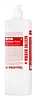
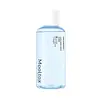
MEDI-PEEL Aesthe Derma Red Marine Collagen Toner Versus MEDI-PEEL Hyaluronic Acid Layer Mooltox Toner
This anti-aging toner is formulated around Niacinamide and Copper Tripeptide-1 to soften the look of wrinkles.
This hydrating toner is formulated around Portulaca Oleracea Extract and Centella Asiatica Extract to hydrate skin and calm redness.

What's inside
What's inside
 Key Ingredients
Benefits
Concerns
Ingredients Side-by-side
Water
Skin ConditioningGlycerin
Humectant


Dipropylene Glycol
HumectantNiacinamide
Smoothing









1,2-Hexanediol
Skin Conditioning
Hydrolyzed Collagen
Emollient
Sodium Hyaluronate
Humectant
Lactobacillus Ferment
Skin Conditioning
Butylene Glycol
Humectant
Xylitylglucoside
Humectant
Anhydroxylitol
Humectant
Xylitol
Humectant
Pyrus Communis Fruit Extract
Skin ConditioningRosa Damascena Flower Water
Masking
Iris Florentina Root Extract
MaskingCucumis Melo Fruit Extract
Skin ConditioningHedera Helix Leaf/Stem Extract
AntimicrobialCopper Tripeptide-1
Skin Conditioning
Acetyl Hexapeptide-8
Humectant
Palmitoyl Pentapeptide-4
Skin Conditioning
Dipeptide-2
Skin Conditioning
Acetyl Octapeptide-3
Humectant
Acetyl Tetrapeptide-5
Humectant
Dipeptide Diaminobutyroyl Benzylamide Diacetate
Skin Conditioning
Glycyrrhiza Glabra Root Extract
Bleaching
Cimicifuga Dahurica Root Extract
Antioxidant
Polygonum Multiflorum Root Extract
Skin ConditioningSesamum Indicum Seed Extract
Skin Conditioning
Phellinus Linteus Extract
Skin ConditioningAngelica Gigas Root Extract
Skin ConditioningMorus Alba Bark Extract
Skin ConditioningPaeonia Albiflora Root Extract
Skin ConditioningSophora Angustifolia Root Extract
Skin ConditioningScutellaria Baicalensis Root Extract
Astringent
Diospyros Kaki Leaf Extract
Skin Protecting
Vitis Vinifera Fruit Extract
Skin ConditioningCoffea Arabica Seed Extract
Masking
Carthamus Tinctorius Flower Extract
Skin ConditioningPolygonum Cuspidatum Root Extract
Antioxidant
Camellia Sinensis Leaf Extract
Antimicrobial
Castanea Crenata Shell Extract
Skin ConditioningZanthoxylum Piperitum Fruit Extract
Skin ConditioningLysine
Skin ConditioningHistidine
Humectant
Arginine
Masking
Aspartic Acid
Masking
Threonine
Serine
Masking
Glutamic Acid
Humectant
Proline
Skin Conditioning
Glycine
Buffering
Alanine
Masking
Valine
MaskingMethionine
Skin ConditioningIsoleucine
Skin ConditioningLeucine
Skin ConditioningTyrosine
MaskingPhenylalanine
Masking
Cysteine
Antioxidant
Adenosine
Skin Conditioning
Panthenol
Skin Conditioning
Ceramide NP
Skin Conditioning
Hydrolyzed Elastin
EmollientAcrylates/C10-30 Alkyl Acrylate Crosspolymer
Emulsion StabilisingDisodium EDTA
ChelatingBetaine
Humectant
Caramel
Cosmetic ColorantPolyglyceryl-10 Myristate
Skin Conditioning

Ethylhexylglycerin
Skin ConditioningHydroxyacetophenone
Antioxidant
Caprylyl Glycol
Emollient
Dipotassium Glycyrrhizate
Humectant
Tromethamine
BufferingWater, Glycerin, Dipropylene Glycol, Niacinamide, 1,2-Hexanediol, Hydrolyzed Collagen, Sodium Hyaluronate, Lactobacillus Ferment, Butylene Glycol, Xylitylglucoside, Anhydroxylitol, Xylitol, Pyrus Communis Fruit Extract, Rosa Damascena Flower Water, Iris Florentina Root Extract, Cucumis Melo Fruit Extract, Hedera Helix Leaf/Stem Extract, Copper Tripeptide-1, Acetyl Hexapeptide-8, Palmitoyl Pentapeptide-4, Dipeptide-2, Acetyl Octapeptide-3, Acetyl Tetrapeptide-5, Dipeptide Diaminobutyroyl Benzylamide Diacetate, Glycyrrhiza Glabra Root Extract, Cimicifuga Dahurica Root Extract, Polygonum Multiflorum Root Extract, Sesamum Indicum Seed Extract, Phellinus Linteus Extract, Angelica Gigas Root Extract, Morus Alba Bark Extract, Paeonia Albiflora Root Extract, Sophora Angustifolia Root Extract, Scutellaria Baicalensis Root Extract, Diospyros Kaki Leaf Extract, Vitis Vinifera Fruit Extract, Coffea Arabica Seed Extract, Carthamus Tinctorius Flower Extract, Polygonum Cuspidatum Root Extract, Camellia Sinensis Leaf Extract, Castanea Crenata Shell Extract, Zanthoxylum Piperitum Fruit Extract, Lysine, Histidine, Arginine, Aspartic Acid, Threonine, Serine, Glutamic Acid, Proline, Glycine, Alanine, Valine, Methionine, Isoleucine, Leucine, Tyrosine, Phenylalanine, Cysteine, Adenosine, Panthenol, Ceramide NP, Hydrolyzed Elastin, Acrylates/C10-30 Alkyl Acrylate Crosspolymer, Disodium EDTA, Betaine, Caramel, Polyglyceryl-10 Myristate, Ethylhexylglycerin, Hydroxyacetophenone, Caprylyl Glycol, Dipotassium Glycyrrhizate, Tromethamine
Water
Skin ConditioningGlycerin
Humectant
Butylene Glycol
Humectant
1,2-Hexanediol
Skin Conditioning
Portulaca Oleracea Extract
Skin Conditioning
Centella Asiatica Extract
Cleansing
Ficus Carica Fruit Extract
Humectant
Anastatica Hierochuntica Extract
AstringentCentella Asiatica Root Extract
Skin Conditioning
Enantia Chlorantha Bark Extract
Skin ConditioningCoccinia Indica Fruit Extract
Skin Conditioning
Solanum Melongena Fruit Extract
Skin ConditioningAloe Barbadensis Flower Extract
EmollientCurcuma Longa Root Extract
Antioxidant
Anemarrhena Asphodeloides Root Extract
Skin Conditioning
Corallina Officinalis Extract
Skin Conditioning

Ocimum Sanctum Leaf Extract
Skin ConditioningHydrogenated Lecithin
Emulsifying
Sodium Hyaluronate
Humectant
Sodium Citrate
BufferingAdenosine
Skin Conditioning
Disodium EDTA
ChelatingAllantoin
Skin Conditioning
Polyglutamic Acid
Skin Conditioning
Xylitylglucoside
Humectant
Anhydroxylitol
Humectant
Xylitol
Humectant
Ceramide NP
Skin Conditioning
Glyceryl Glucoside
Humectant
Collagen
Moisturising
Leuconostoc/Radish Root Ferment Filtrate
Antimicrobial
Ectoin
Skin Conditioning
Glycine
Buffering
Glutamic Acid
Humectant
Sucrose Distearate
Emollient
Squalane
Emollient
Arginine
Masking
Oleanolic Acid
Skin ConditioningCaprylic/Capric Triglyceride
Masking
Propanediol
Solvent
Hydrogenated Polyisobutene
EmollientHydroxypropyl Cyclodextrin
MaskingMelia Azadirachta Leaf Extract
Skin ConditioningMelia Azadirachta Flower Extract
Skin ConditioningHydroxyacetophenone
Antioxidant
Ethylhexylglycerin
Skin ConditioningCitric Acid
Buffering
Water, Glycerin, Butylene Glycol, 1,2-Hexanediol, Portulaca Oleracea Extract, Centella Asiatica Extract, Ficus Carica Fruit Extract, Anastatica Hierochuntica Extract, Centella Asiatica Root Extract, Enantia Chlorantha Bark Extract, Coccinia Indica Fruit Extract, Solanum Melongena Fruit Extract, Aloe Barbadensis Flower Extract, Curcuma Longa Root Extract, Anemarrhena Asphodeloides Root Extract, Corallina Officinalis Extract, Ocimum Sanctum Leaf Extract, Hydrogenated Lecithin, Sodium Hyaluronate, Sodium Citrate, Adenosine, Disodium EDTA, Allantoin, Polyglutamic Acid, Xylitylglucoside, Anhydroxylitol, Xylitol, Ceramide NP, Glyceryl Glucoside, Collagen, Leuconostoc/Radish Root Ferment Filtrate, Ectoin, Glycine, Glutamic Acid, Sucrose Distearate, Squalane, Arginine, Oleanolic Acid, Caprylic/Capric Triglyceride, Propanediol, Hydrogenated Polyisobutene, Hydroxypropyl Cyclodextrin, Melia Azadirachta Leaf Extract, Melia Azadirachta Flower Extract, Hydroxyacetophenone, Ethylhexylglycerin, Citric Acid
Ingredients Explained
These ingredients are found in both products.
Ingredients higher up in an ingredient list are typically present in a larger amount.
1,2-Hexanediol is a synthetic liquid and another multi-functional powerhouse.
It is a:
- Humectant, drawing moisture into the skin
- Emollient, helping to soften skin
- Solvent, dispersing and stabilizing formulas
- Preservative booster, enhancing the antimicrobial activity of other preservatives
Adenosine is a purine nucleoside that your body already makes in every cell. In skincare, it acts mainly as a skin conditioning and anti-aging agent.
The way it works is fairly well mapped out:
Your skin has cells called fibroblasts that build collagen (the stuff that keeps skin firm and smooth). Adenosine basically flips a switch on these cells that tells them to get to work making more collagen and other proteins. These cells slow down on their own as skin ages, so Adenosine helps give them a little nudge to keep going.
The clinical backing is pretty solid too.
A blind, randomized, placebo-controlled trial of 126 women aged 45-65 tested a 0.1% cream twice daily and found real improvements in crow's feet and frown lines using a precise 3D skin-mapping technique; these changes showed up by week 3 and held at 2 months.
A later study using Adenosine-loaded dissolving microneedle patches reported gains in wrinkle depth, dermal density, elasticity, and hydration.
On concentrations, South Korea's Ministry of Food and Drug Safety has set 0.04% as the approved functional anti-wrinkle level. You'll typically see this ingredient used somewhere in the 0.04-0.1% range since it works at low doses.
This ingredient has been found safe for cosmetics with the data showing no irritation or sensitization.
Overall, this is a great ingredient for any anti-aging routine and has no photosensitizing effect, so it suits both AM and PM use.
Learn more about AdenosineThis ingredient is created from dehydrating xylitol in acidic conditions. Xylitol is a famous sugar and humectant.
Much like its predecessor, anhydroxylitol is a humectant. Humectants attract and hold water to moisturize the skin.
This ingredient is most commonly found in a popular trio called Aquaxyl. Aquaxyl is made up of anhydroxylitol (24 - 34%), xylitylglucoside (35 - 50%), and xylitol (5 - 15%).
According to a manufacturer, Aquaxyl is known for a 3-D hydration concept and an anti-dehydration shield to reinforce the outer layer of skin.
This ingredient is often derived from plants such as wood and sugarcane.
Learn more about AnhydroxylitolArginine is a semi-essential amino acid. This just means our bodies can product a bit on its own, but sometimes needs a little boost from food sources.
It is a part of your skin's natural moisturizing factor (NMF), or the water-loving molecules in your outermost layer of skin (stratum corneum) that keeps everything hydrated and happy.
Here's an interesting thing about Arginine: your skin converts it into urea through the Krebs-Henseleit urea cycle. Urea is one of the most effective humectants your skin naturally produces.
A clinical study showed applying 2.5% arginine hydrochloride to atopic dermatitis skin showed significant urea levels in the stratum corneum and improved moisture in just four weeks.
Arginine is also a precursor to nitric oxide; nitric oxide improves microcirculation and supports wound healing and collagen synthesis.
One study found that an amino acid complex containing Arginine reduced skin irritation, improved hydration, and accelerated skin repair in clinical / in-vivo studies.
Arginine itself is an amino acid and not a fatty acid, oil, or ester. On its own, it's not a direct food source for Malassezia, or the yeast that causes fungal acne.
Learn more about ArginineButylene Glycol (or BG) is used within cosmetic products for a few different reasons:
Overall, Butylene Glycol is a safe and well-rounded ingredient that works well with other ingredients.
Though this ingredient works well with most skin types, some people with sensitive skin may experience a reaction such as allergic rashes, closed comedones, or itchiness.
Learn more about Butylene GlycolCeramide NP (formerly known as Ceramide 3) is one of the skin's naturally occurring lipids.
Since ceramides are the major lipid components of the skin, they are crucial for maintaining skin barrier and hydration. Ceramide NP most closely mirrors the dominant kind in human skin amongst ceramide subtypes.
This ceramide works by slotting into gaps within the stratum corneum's lipid matrix to limit trans-epidermal water loss (TEWL) and shield the skin against external irritants.
A study with 312 patients found that using a ceramide-containing routine for 4 weeks reduced the severity of atopic dermatitis by over 61%.
Another clinical study in subjects aged 60 and older found that a ceramide body wash and moisturizer improved skin dryness and itchy skin in 15 days.
Overall, ceramides are considered non-irritating and safety tests have found little to no observable adverse effects from using this ingredient.
Ceramide NP is usually sourced from plants (like soybean or rice bran), or produced synthetically.
Learn more about Ceramide NPDisodium EDTA is a chelating agent. It grabs onto and deactivates metal ions that sneak into your products from water, packaging, or air.
This ingredient mainly works behind the scenes and helps with:
On top of that, this ingredient can counteract the effects of hard water by binding to the minerals in it.
One thing worth knowing is that Disodium EDTA has been shown to be a mild penetration enhancer. It can help other ingredients absorb into skin more effectively which can be a double-edged sword (great for actives, but can also make the active too strong if you have sensitive skin).
Clinical patch testing showed no significant skin irritation at typical use concentrations and minimal dermal absorption.
You'll most likely see this ingredient near the end of an ingredient list. It's typically found in concentrations less than 1%.
Learn more about Disodium EDTAEthylhexylglycerin is created from glycerin. It is a multitasker ingredient that:
The CIR Expert Panel found minimal skin absorption or sensitization of any kind in a safety assessment. Though this ingredient is considered well-tolerated, a small number of cases of allergic dermatitis have been published since 2002. Just be sure to patch test if you are unsure.
Industry-reported use ranges from 8% in rinse-off products and 2% in leave-on formulations.
Learn more about EthylhexylglycerinGlutamic Acid is an amino acid that is found in all living organisms. Our bodies use this to help nerve cells in the brain communicate with other cells.
In cosmetics, glutamic acid is a famous humectant. It draws water from the air to your skin, keeping your skin hydrated (like hyaluronic acid).
An in-vitro study from 2024 found glutamic acid to play a role in inhibiting inflammation and thus a potential skin-soothing ingredient.
Other studies show it to be have potential wound healing, skin barrier repair, and hair growth properties.
Glutamic acid has poor solubility in water and other solvents.
Learn more about Glutamic AcidGlycerin (or glycerol) is a compound naturally found in your skin. It's a powerhouse humectant that pulls water into the stratum corneum.
Topically, glycerin does several things at once:
Your skin makes glycerin on its own (mostly from sebaceous oil breakdown) and shuttles it to your outermost layer of skin, or your epidermis, via aquaporin-3.
Aquaporin-3 is a transporter that is essential for normal skin hydration, elasticity, and repair. Interestingly, mice lacking in AQP3 have dry and less elastic skin that can be fully corrected with glycerin.
This ingredient is non-irritating, plays well with almost every ingredient, and works across all skin types. Typical use is anywhere between 3-10% but can go up to 79% in some leave-on products.
Just know very high concentrations (>40%) can feel tacky in low humidity.
Glycerin is the name for this ingredient in American English. British English uses Glycerol/Glycerine.
Learn more about GlycerinGlycine is the smallest amino acid and a key building block of collagen. It's part if your skin's Natural Moisturizing Factor (NMF), or the water-loving molecules in your outermost layer of skin (stratum corneum) that keeps everything hydrated and happy.
A study from 2022 found that an amino acid complex featuring taurine, arginine, and glycine significantly reduced skin irritation, improved redness, and accelerated the skin repair process.
Hydroxyacetophenone is a small phenolic molecule that earns its place in a formulas as an antioxidant and preservative booster.
As a phenol, it is able to neutralize free radicals to protect both the product and the skin from oxidative stress.
Though it can't kill microbes on its own, it works as a good supporting agent when combined with other preservatives like Phenoxyethanol or 1,2-Hexanediol.
This ingredient naturally occurs as piceol in Norwegian spruce needles (~0.4-1.1% dry weight and in cloudberries). Though the cosmetic-grade material is synthesized for purity and consistency.
You'll usually see it used at low levels and suppliers recommend up to 1% added to a water phase.
Safety testing was done at concentrations like 0.05% in SPF products and 0.5% in a Human Repeated Insult Patch Test. The safety evidence is assuring; this ingredient is safe for cosmetics in current use and also holds safety status as a food flavoring as well.
An honest caveat: the "soothing" and "anti-inflammatory" claims come mostly from supplier marketing rather than published clinical trials. The Cosmetic Ingredient Review's own literature search found no useful efficacy studies on this ingredient.
So the antioxidant and preservative-boosting roles are the well supported ones while the calming benefit is plausible but thinly evidenced.
Overall, this is a well-tolerated, low-irritation multitasker that quietly helps a formula stay fresh and stable.
Learn more about HydroxyacetophenoneSodium Hyaluronate is the salt form of hyaluronic acid. It is a long sugar chain that is naturally found in your skin, joints, and connective tissue that maintains hydration and elasticity.
In skincare, it works as a humectant. It pulls water from the environment and deeper layers of skin and binds it to the surface.
Interestingly, the size of the molecule affects its behavior:
Some clinical evidence links low molecular weight versions to improved wrinkle depth, elasticity, anti-inflammatory effects, and barrier repair.
Many serums use a blend of both weights so you can get surface hydration plus longer-lasting and deeper effects.
You'll typically see concentrations between 0.1-2% for this ingredient.
Learn more about Sodium HyaluronateWater. It's the most common cosmetic ingredient of all. You'll usually see it at the top of ingredient lists, meaning that it makes up the largest part of the product.
So why is it so popular? Water most often acts as a solvent - this means that it helps dissolve other ingredients into the formulation.
You'll also recognize water as that liquid we all need to stay alive. If you see this, drink a glass of water. Remember to stay hydrated!
Learn more about WaterXylitol is a humectant and prebiotic. It can help with dry skin.
In studies, xylitol has been shown to improve dry skin. It decreased transepidermal water loss, or when water passes through the skin and evaporates. Xylitol also showed to help improve the biomechanical properties of the skin barrier.
The prebiotic property of xylitol may also help reinforce our skin's natural microbiome. Having a healthy microbiome prevents infection by bad bacteria and helps with hydration.
As a humectant, Xylitol helps draw moisture from both the air and from deeper skin layers. This helps keep skin hydrated.
Xylitol is a sugar alcohol and commonly used as a sugar substitute. It is naturally occurring in plants such as strawberries and pumpkin.
Learn more about XylitolXylitylglucoside is created from xylitol and glucose, two humectants.
Not surprisingly, this ingredient is also a humectant. It attracts and holds water in your skin, helping to maintain hydration.
This ingredient is most commonly found in a popular trio called Aquaxyl. Aquaxyl is made up of anhydroxylitol(24 - 34%), xylitylglucoside (35 - 50%), and xylitol (5 - 15%).
According to a manufacturer, Aquaxyl is known for a 3-D hydration concept and an anti-dehydration shield to reinforce the outer layer of skin.
Learn more about Xylitylglucoside

