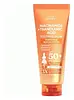
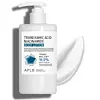
Luxe Organix Niacinamide + Tranexamic Acid Youthful Glow Whitening Serum Lotion SPF 50+ Versus APLB Tranexamic Acid Niacinamide Body Lotion
This hybrid sunscreen covers the full UV range and blocks ~98% of UVB at SPF 50.


What's inside
What's inside
 Key Ingredients
Benefits
Concerns
Ingredients Side-by-side
Water
Skin ConditioningEthylhexyl Methoxycinnamate
UV Absorber


Propylene Glycol
Humectant


Butyl Methoxydibenzoylmethane
UV Absorber
Cyclopentasiloxane
Emollient
Glyceryl Stearate
Emollient
PEG-100 Stearate
Surfactant
C12-15 Alkyl Benzoate
AntimicrobialDimethicone
Emollient
Homosalate
Skin Conditioning
Niacinamide
Smoothing










Tranexamic Acid
Astringent
Tocopheryl Acetate
Antioxidant

Panthenol
Skin Conditioning
Phospholipids
Skin Conditioning
Ectoin
Skin Conditioning
Titanium Dioxide
Cosmetic Colorant
Phenoxyethanol
Preservative
Parfum
Masking

Sodium Polyacrylate
Absorbent
Sodium Stearoyl Glutamate
CleansingTriethanolamine
BufferingAcrylates/C10-30 Alkyl Acrylate Crosspolymer
Emulsion StabilisingMethylene Bis-Benzotriazolyl Tetramethylbutylphenol
UV Filter
Phenol
C13-14 Isoparaffin
Emollient
Allantoin
Skin Conditioning
Aluminum Hydroxide
EmollientBis-Ethylhexyloxyphenol Methoxyphenyl Triazine
Skin Conditioning
Ethylhexylglycerin
Skin ConditioningDisodium EDTA
Decyl Glucoside
Cleansing
Laureth-7
EmulsifyingTriethoxycaprylylsilane
Xanthan Gum
EmulsifyingBenzophenone-3
UV Absorber
Butylene Glycol
Humectant
Water, Ethylhexyl Methoxycinnamate, Propylene Glycol, Butyl Methoxydibenzoylmethane, Cyclopentasiloxane, Glyceryl Stearate, PEG-100 Stearate, C12-15 Alkyl Benzoate, Dimethicone, Homosalate, Niacinamide, Tranexamic Acid, Tocopheryl Acetate, Panthenol, Phospholipids, Ectoin, Titanium Dioxide, Phenoxyethanol, Parfum, Sodium Polyacrylate, Sodium Stearoyl Glutamate, Triethanolamine, Acrylates/C10-30 Alkyl Acrylate Crosspolymer, Methylene Bis-Benzotriazolyl Tetramethylbutylphenol, Phenol, C13-14 Isoparaffin, Allantoin, Aluminum Hydroxide, Bis-Ethylhexyloxyphenol Methoxyphenyl Triazine, Ethylhexylglycerin, Disodium EDTA, Decyl Glucoside, Laureth-7, Triethoxycaprylylsilane, Xanthan Gum, Benzophenone-3, Butylene Glycol
Water
Skin ConditioningCentella Asiatica Leaf Water
Skin Conditioning
Glycerin
Humectant
Cetyl Ethylhexanoate
EmollientCetearyl Alcohol
Emollient

Glyceryl Stearate
Emollient
PEG-100 Stearate
Surfactant
Sorbitan Stearate
Emulsifying
Cyclopentasiloxane
Emollient
1,2-Hexanediol
Skin Conditioning
Saccharide Hydrolysate
HumectantDimethicone
Emollient
Cyclohexasiloxane
Emollient
Stearic Acid
Cleansing
Chlorphenesin
Antimicrobial
Carbomer
Emulsion StabilisingGlyceryl Stearate Se
Emulsifying
Caprylyl Glycol
Emollient
Tranexamic Acid
Astringent
Niacinamide
Smoothing
Xanthan Gum
EmulsifyingPotassium Hydroxide
BufferingDisodium EDTA
Butylene Glycol
Humectant
Dipropylene Glycol
HumectantSqualane
Emollient
Asiaticoside
Antioxidant
Madecassic Acid
Skin Conditioning
Asiatic Acid
Skin Conditioning
Sodium Hyaluronate
Humectant
Melaleuca Alternifolia Leaf Extract
Perfuming
Hippophae Rhamnoides Fruit Extract
Skin Conditioning
Hydrolyzed Collagen
Emollient
Beta-Glucan
Skin Conditioning
Nelumbium Speciosum Flower Extract
Skin ConditioningArtemisia Annua Extract
Masking
Oryza Sativa Extract
Absorbent
Saccharomyces Ferment
Skin Conditioning
Solanum Melongena Fruit Extract
Skin ConditioningWater, Centella Asiatica Leaf Water, Glycerin, Cetyl Ethylhexanoate, Cetearyl Alcohol, Glyceryl Stearate, PEG-100 Stearate, Sorbitan Stearate, Cyclopentasiloxane, 1,2-Hexanediol, Saccharide Hydrolysate, Dimethicone, Cyclohexasiloxane, Stearic Acid, Chlorphenesin, Carbomer, Glyceryl Stearate Se, Caprylyl Glycol, Tranexamic Acid, Niacinamide, Xanthan Gum, Potassium Hydroxide, Disodium EDTA, Butylene Glycol, Dipropylene Glycol, Squalane, Asiaticoside, Madecassic Acid, Asiatic Acid, Sodium Hyaluronate, Melaleuca Alternifolia Leaf Extract, Hippophae Rhamnoides Fruit Extract, Hydrolyzed Collagen, Beta-Glucan, Nelumbium Speciosum Flower Extract, Artemisia Annua Extract, Oryza Sativa Extract, Saccharomyces Ferment, Solanum Melongena Fruit Extract
Reviews
Ingredients Explained
These ingredients are found in both products.
Ingredients higher up in an ingredient list are typically present in a larger amount.
Butylene Glycol (or BG) is used within cosmetic products for a few different reasons:
Overall, Butylene Glycol is a safe and well-rounded ingredient that works well with other ingredients.
Though this ingredient works well with most skin types, some people with sensitive skin may experience a reaction such as allergic rashes, closed comedones, or itchiness.
Learn more about Butylene GlycolCyclopentasiloxane (D5) is a lightweight silicone that mostly acts as an emollient and solvent in cosmetics. Its the reason your products feel silky, fast-spreading, and non-greasy.
Since D5 is volatile, it does its thing and then evaporates off the skin quickly.
The safety profile of this ingredient is reassuring; the US CIR Expert Panel concluded D5 is safe as used in cosmetics and Health Canada concluded that D5 is not harmful to human health or the environment as currently used in cosmetics
There's a study that people mention about D5 in a rat study showing tumors. This study is related to long-term inhalation of high D5 levels.
Regulatory bodies have judged this study to be not applicable in topical skincare since skin absorption of D5 is very low and we're not really inhaling huge amounts of D5.
The only restriction for this ingredient is environmental. The European Chemicals Agency (ECHA) restricted D5 in wash-off cosmetics at or above 0.1% due to their persistence in water.
Learn more about CyclopentasiloxaneDimethicone is a type of synthetic silicone created from natural materials such as quartz. It is also known as polydimethylsiloxane.
What it does:
Dimethicone comes in different viscosities:
Depending on the viscosity, dimethicone has different properties.
Ingredients lists don't always show which type is used, so we recommend reaching out to the brand if you have questions about the viscosity.
This ingredient is unlikely to cause irritation because it does not get absorbed into skin. However, people with silicone allergies should be careful about using this ingredient.
Note: Dimethicone may contribute to pilling. This is because it is not oil or water soluble, so pilling may occur when layered with products. When mixed with heavy oils in a formula, the outcome is also quite greasy.
Learn more about DimethiconeDisodium EDTA is a chelating agent. It grabs onto and deactivates metal ions that sneak into your products from water, packaging, or air.
This ingredient mainly works behind the scenes and helps with:
On top of that, this ingredient can counteract the effects of hard water by binding to the minerals in it.
One thing worth knowing is that Disodium EDTA has been shown to be a mild penetration enhancer. It can help other ingredients absorb into skin more effectively which can be a double-edged sword (great for actives, but can also make the active too strong if you have sensitive skin).
Clinical patch testing showed no significant skin irritation at typical use concentrations and minimal dermal absorption.
You'll most likely see this ingredient near the end of an ingredient list. It's typically found in concentrations less than 1%.
Learn more about Disodium EDTAGlyceryl Stearate is made by reacting glycerin with stearic acid (typically sourced from plant oils like palm or coconut). It's an emulsifier, emollient, and mild occlusive.
Emulsifiers help ingredients like oil and water stay mixed so your formula stays nicely blended and uniform in texture.
This ingredient is typically used in concentrations between 1-10%. Studies have found it to be non-sensitizing, non-phototoxic, and non-photoallergenic.
A close cousin of this ingredient is Glyceryl Stearate SE ("self-emulsifying"). This just has a small amount of sodium or potassium stearate added so it can emulsify without a co-emulsifier.
Since this ingredient is an ester of a C18 fatty acid, it may not be fungal acne safe. The Malassezia yeast can potentially metabolize within the C11-C24 range.
Fun fact: The human body also creates Glyceryl Stearate naturally.
Learn more about Glyceryl StearateNiacinamide is a multitasking form of vitamin B3 that strengthens the skin barrier, reduces pores and dark spots, regulates oil, and improves signs of aging.
And the best part? It's gentle and well-tolerated by most skin types, including sensitive and reactive skin.
You might have heard of "niacin flush", or the reddening of skin that causes itchiness. Niacinamide has not been found to cause this.
In very rare cases, some individuals may not be able to tolerate niacinamide at all or experience an allergic reaction to it.
If you are experiencing flaking, irritation, and dryness with this ingredient, be sure to double check all your products as this ingredient can be found in all categories of skincare.
When incorporating niacinamide into your routine, look out for concentration amounts. Typically, 5% niacinamide provides benefits such as fading dark spots. However, if you have sensitive skin, it is better to begin with a smaller concentration.
When you apply niacinamide to your skin, your body converts it into nicotinamide adenine dinucleotide (NAD). NAD is an essential coenzyme that is already found in your cells as "fuel" and powers countless biological processes.
In your skin, NAD helps repair cell damage, produce new healthy cells, support collagen production, strengthen the skin barrier, and fight environmental stressors (like UV and pollution).
Our natural NAD levels start to decline with age, leading to slower skin repair, visible aging, and a weaker skin barrier. By providing your skin niacinamide, you're recharging your skin's NAD levels. This leads to stronger, healthier, and younger looking skin.
Another name for vitamin B3 is nicotinamide. This vitamin is water-soluble and our bodies don't store it. We obtain Vitamin B3 from either food or skincare. Meat, fish, wheat, yeast, and leafy greens contain vitamin B3.
The type of niacinamide used in skincare is synthetically created.
Learn more about NiacinamidePeg-100 Stearate is an emollient and emulsifier. As an emollient, it helps keep skin soft by trapping moisture in. On the other hand, emulsifiers help prevent oil and water from separating in a product.
PEGS are a hydrophilic polyether compound . There are 100 ethylene oxide monomers in Peg-100 Stearate. Peg-100 Stearate is polyethylene glycol ester of stearic acid.
Tranexamic Acid (TXA) is a synthetic lysine derivative that is becoming one of the most exciting brightening ingredients in skincare.
Originally used in medicine as an anti-hemorrhagic agent, its skin brightening potential was discovered by accident; patients taking it orally started noticing their melasma was fading.
Unlike most brighteners that target tyrosinase (the enzyme that synthesizes melanin), TXA works further upstream. It basically blocks your cells from receiving the signal to produce pigment.
This makes it one of the rare actives that works on three pathways at once:
This makes it effective for treating melasma, post-inflammatory hyperpigmentation (PIH), and sun-induced dark spots.
The most effective cosmetic concentration sits between 2-5% and going higher doesn't boost results.
Side effects are generally mild; occasional irritation, flaking, or dryness have been reported at the start of use. Overall, this ingredient is pretty well tolerated, even by sensitive skin types.
Another perk of this ingredient is that it does not cause photosensitivity, so it's safe to use in the AM and PM.
Learn more about Tranexamic AcidWater. It's the most common cosmetic ingredient of all. You'll usually see it at the top of ingredient lists, meaning that it makes up the largest part of the product.
So why is it so popular? Water most often acts as a solvent - this means that it helps dissolve other ingredients into the formulation.
You'll also recognize water as that liquid we all need to stay alive. If you see this, drink a glass of water. Remember to stay hydrated!
Learn more about WaterXanthan gum is used as a stabilizer and thickener within cosmetic products. It helps give products a sticky, thick feeling - preventing them from being too runny.
On the technical side of things, xanthan gum is a polysaccharide - a combination consisting of multiple sugar molecules bonded together.
Xanthan gum is a pretty common and great ingredient. It is a natural, non-toxic, non-irritating ingredient that is also commonly used in food products.
Learn more about Xanthan Gum

