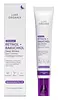
Luxe Organix Advanced Retinol + Bakuchiol Deep Wrinkle Eye Contour Overnight Cream Versus The Daily Glow Panda's Fantasy Brightening Eye Balm
This anti-aging eye moisturizer is formulated around Niacinamide and Retinol to soften the look of wrinkles and refine skin texture.
This brightening eye mask is formulated around Laminaria Digitata Extract and Niacinamide to brighten dull-looking skin and soften the look of wrinkles.

What's inside
What's inside
 Key Ingredients
Benefits
Concerns
Ingredients Side-by-side
Water
Skin ConditioningCaprylic/Capric Triglyceride
Masking


Niacinamide
Smoothing










Cetearyl Alcohol
Emollient





Glyceryl Stearate
Emollient
Vegetable Oil
Skin Conditioning
Glycerin
Humectant
Adenosine
Skin Conditioning
Propanediol
Solvent
Dimethicone
Emollient
Polysorbate 60
Emulsifying
PEG-100 Stearate
Surfactant
Retinol
Skin Conditioning

Sh-Oligopeptide-1
Skin Conditioning
Palmitoyl Tripeptide-1
Skin Conditioning
Palmitoyl Pentapeptide-4
Skin Conditioning
Hexapeptide-9
Skin Conditioning
Acetyl Hexapeptide-8
Humectant
Copper Tripeptide-1
Skin Conditioning
Glycine Soja Oil
Emollient
Sesamum Indicum Seed Extract
Skin Conditioning
Sophora Flavescens Root Extract
Antioxidant
Cimicifuga Racemosa Root Extract
Antimicrobial
Morus Alba Bark Extract
Skin ConditioningGlycyrrhiza Glabra Root Extract
Bleaching
Phellinus Linteus Extract
Skin ConditioningAngelica Gigas Root Extract
Skin ConditioningPolygonum Multiflorum Root Extract
Skin ConditioningScutellaria Baicalensis Root Extract
Astringent
Melaleuca Alternifolia Leaf Extract
Perfuming
Lactobacillus Ferment Lysate
Skin Conditioning
Bifida Ferment Filtrate
Skin Conditioning
Lactococcus Ferment Lysate
Skin Conditioning
Hydrolyzed Collagen
Emollient
Squalane
Emollient
Sodium Hyaluronate
Humectant
Sodium Hyaluronate Crosspolymer
Humectant
Hydrolyzed Hyaluronic Acid
Humectant
Hyaluronic Acid
Humectant
Hydrolyzed Sodium Hyaluronate
Skin Conditioning
Bakuchiol
Antimicrobial
Caffeine
Skin Conditioning
Ceramide NP
Skin Conditioning
Panthenol
Skin Conditioning
Tocopheryl Acetate
Antioxidant
Sodium Ascorbyl Phosphate
Antioxidant
Retinyl Palmitate
Skin Conditioning
Biotin
AntiseborrhoeicFolic Acid
Skin ConditioningThiamine Hcl
MaskingCyanocobalamin
Skin ConditioningGlyceryl Arachidonate
Emollient
Glyceryl Linolenate
Emollient
Hydrogenated Lecithin
Emulsifying
Arginine
Masking
Butylene Glycol
Humectant
1,2-Hexanediol
Skin Conditioning
Palmitic Acid
Emollient
Polyglyceryl-10 Laurate
Skin Conditioning
Pentylene Glycol
Skin Conditioning
Polysorbate 20
Emulsifying
BHT
Antioxidant
Disodium EDTA
ChelatingEDTA
ChelatingWater, Caprylic/Capric Triglyceride, Niacinamide, Cetearyl Alcohol, Glyceryl Stearate, Vegetable Oil, Glycerin, Adenosine, Propanediol, Dimethicone, Polysorbate 60, PEG-100 Stearate, Retinol, Sh-Oligopeptide-1, Palmitoyl Tripeptide-1, Palmitoyl Pentapeptide-4, Hexapeptide-9, Acetyl Hexapeptide-8, Copper Tripeptide-1, Glycine Soja Oil, Sesamum Indicum Seed Extract, Sophora Flavescens Root Extract, Cimicifuga Racemosa Root Extract, Morus Alba Bark Extract, Glycyrrhiza Glabra Root Extract, Phellinus Linteus Extract, Angelica Gigas Root Extract, Polygonum Multiflorum Root Extract, Scutellaria Baicalensis Root Extract, Melaleuca Alternifolia Leaf Extract, Lactobacillus Ferment Lysate, Bifida Ferment Filtrate, Lactococcus Ferment Lysate, Hydrolyzed Collagen, Squalane, Sodium Hyaluronate, Sodium Hyaluronate Crosspolymer, Hydrolyzed Hyaluronic Acid, Hyaluronic Acid, Hydrolyzed Sodium Hyaluronate, Bakuchiol, Caffeine, Ceramide NP, Panthenol, Tocopheryl Acetate, Sodium Ascorbyl Phosphate, Retinyl Palmitate, Biotin, Folic Acid, Thiamine Hcl, Cyanocobalamin, Glyceryl Arachidonate, Glyceryl Linolenate, Hydrogenated Lecithin, Arginine, Butylene Glycol, 1,2-Hexanediol, Palmitic Acid, Polyglyceryl-10 Laurate, Pentylene Glycol, Polysorbate 20, BHT, Disodium EDTA, EDTA
Laminaria Digitata Extract
Skin Protecting
Butyrospermum Parkii Oil
Emollient
Dimethicone
Emollient
Cetearyl Alcohol
Emollient
Silica
Abrasive
Yeast Extract
Skin ConditioningCaffeine
Skin Conditioning
Helianthus Annuus Seed Oil
Emollient
Prunus Amygdalus Dulcis Oil
Skin Conditioning
Sodium Hyaluronate
Humectant
Niacinamide
Smoothing
Glycerin
Humectant
Linoleic Acid
Cleansing
Bakuchiol
Antimicrobial
Sorbitol
Humectant
Methicone
Emollient
Polymethylsilsesquioxane/Silica Crosspolymer
Hexylene Glycol
EmulsifyingIsododecane
EmollientSqualene
Emollient
Propylene Glycol
Humectant
Caprylyl Glycol
Emollient
Carbomer
Emulsion StabilisingDisodium EDTA
ChelatingPhenoxyethanol
Preservative
Laminaria Digitata Extract, Butyrospermum Parkii Oil, Dimethicone, Cetearyl Alcohol, Silica, Yeast Extract, Caffeine, Helianthus Annuus Seed Oil, Prunus Amygdalus Dulcis Oil, Sodium Hyaluronate, Niacinamide, Glycerin, Linoleic Acid, Bakuchiol, Sorbitol, Methicone, Polymethylsilsesquioxane/Silica Crosspolymer, Hexylene Glycol, Isododecane, Squalene, Propylene Glycol, Caprylyl Glycol, Carbomer, Disodium EDTA, Phenoxyethanol
Reviews
Ingredients Explained
These ingredients are found in both products.
Ingredients higher up in an ingredient list are typically present in a larger amount.
Bakuchiol is a plant-derived antioxidant from the seeds of the Psoralea corylifolia plant. It has antimicrobial, emollient, skin conditioning, and antioxidant properties.
You'll likely see it called a "retinol replacement" but the two are technically not related. This is because bakuchiol is able to flip many of the same switches in your skin cells to tell them to:
1) produce more collagen (type I, III, and IV)
2) activate the same genes retinoids do
Unlike retinoids, this ingredient will not increase photosensitivity and is safe to use during pregnancy (but please still check in with your doctor!).
The flagship clinical trial from Dhaliwal et al. 2019 found 0.5% bakuchiol (twice daily) and 0.5% retinol (once daily) reduced wrinkles and hyperpigmentation equally, but bakuchiol had significantly less irritation.
Systematic reviews also back this up:
Bakuchiol is comparable to retinol for photoaging but with better tolerability. It also has mild antibacterial properties against Cutibacterium acnes and antifungal activity in vitro against Candida and dermatophytes.
The reason bakuchiol works well is due to its structure; it is a meroterpene phenol, or a hybrid molecule. The phenol half acts as an antioxidant while the terpene half is fat-loving. This helps the molecule slip through the skin barrier.
This ingredient is usually used between 0.5-2%. Only one case of contact dermatitis has ever been reported for this ingredient.
Learn more about BakuchiolCaffeine is a naturally occurring plant compound found in coffee beans, tea leaves, cocoa pods, and guarana.
As an antioxidant, caffeine protects your skin from free radical damage caused by UV exposure and envionrmnetal stressors.
Early research also shows that caffeine can help calm redness, soothe irritated skin, and support hair growth by stimulating microcirculation in the scalp.
You might have seen eye creams marketing caffeine as a depuffing ingredient. This is because it is a vasoconstrictor meaning it can temporarily constrict blood vessels, though clinical evidence for this specific use is still limited.
Most skincare products contain this ingredient at concentrations between 1-6%. It is able to penetrate skin easily regardless of skin type or thickness.
Just so you know, a very small number of case reports describe caffeine-induced allergy. This ingredient is generally well-tolerated, non-irritating, and non-sensitizing for the majority of people.
Learn more about CaffeineCetearyl alcohol is a waxy mixture of two fatty alcohols: cetyl alcohol and stearyl alcohol. It is an emollient and emulsifier.
Despite having "alcohol" in its name, it has nothing to do with drying solvent alcohols; the FDA also allows "alcohol-free" products to contain fatty alcohols like this ingredient.
It plays several roles in a formula:
Typical use levels for this ingredient sit around 1-10% and the Cosmetic Ingredient Review Expert Panel has affirmed safety at concentrations up to 25% in leave-on products.
Multiple assessments have found it to be non-irritating and non-sensitizing to most people.
However, there have been some cases of allergic contact dermatitis in patients with chronically compromised skin barriers.
Cetearyl alcohol has a comedogenic rating of 2 and irritancy rating of 1. Both of these numbers come from the 1989 study that used rabbit ears; a "2" means mildly comedogenic and a "1" means low irritancy.
Here's the catch: rabbit skin is more sensitive than human skin and throws a lot of false positives. A 1996 reappraisal found that ingredients rated 1-2 in the rabbit ear tests are generally safe for humans.
Remember comedogenic ratings are unable to assess the entire formula of a product or how it will react on your skin. Just be sure to patch test if you are unsure about certain ingredients.
This ingredient is not fungal acne safe. Cetearyl alcohol is a fatty alcohol with chain lengths that fall within the range that Malassezia can metabolize.
A 2019 study has also observed Malassezia growth in the presence of this ingredient, confirming it to be not-fungal acne safe.
Learn more about Cetearyl AlcoholDimethicone is a type of synthetic silicone created from natural materials such as quartz. It is also known as polydimethylsiloxane.
What it does:
Dimethicone comes in different viscosities:
Depending on the viscosity, dimethicone has different properties.
Ingredients lists don't always show which type is used, so we recommend reaching out to the brand if you have questions about the viscosity.
This ingredient is unlikely to cause irritation because it does not get absorbed into skin. However, people with silicone allergies should be careful about using this ingredient.
Note: Dimethicone may contribute to pilling. This is because it is not oil or water soluble, so pilling may occur when layered with products. When mixed with heavy oils in a formula, the outcome is also quite greasy.
Learn more about DimethiconeDisodium EDTA is a chelating agent. It grabs onto and deactivates metal ions that sneak into your products from water, packaging, or air.
This ingredient mainly works behind the scenes and helps with:
On top of that, this ingredient can counteract the effects of hard water by binding to the minerals in it.
One thing worth knowing is that Disodium EDTA has been shown to be a mild penetration enhancer. It can help other ingredients absorb into skin more effectively which can be a double-edged sword (great for actives, but can also make the active too strong if you have sensitive skin).
Clinical patch testing showed no significant skin irritation at typical use concentrations and minimal dermal absorption.
You'll most likely see this ingredient near the end of an ingredient list. It's typically found in concentrations less than 1%.
Learn more about Disodium EDTAGlycerin (or glycerol) is a compound naturally found in your skin. It's a powerhouse humectant that pulls water into the stratum corneum.
Topically, glycerin does several things at once:
Your skin makes glycerin on its own (mostly from sebaceous oil breakdown) and shuttles it to your outermost layer of skin, or your epidermis, via aquaporin-3.
Aquaporin-3 is a transporter that is essential for normal skin hydration, elasticity, and repair. Interestingly, mice lacking in AQP3 have dry and less elastic skin that can be fully corrected with glycerin.
This ingredient is non-irritating, plays well with almost every ingredient, and works across all skin types. Typical use is anywhere between 3-10% but can go up to 79% in some leave-on products.
Just know very high concentrations (>40%) can feel tacky in low humidity.
Glycerin is the name for this ingredient in American English. British English uses Glycerol/Glycerine.
Learn more about GlycerinNiacinamide is a multitasking form of vitamin B3 that strengthens the skin barrier, reduces pores and dark spots, regulates oil, and improves signs of aging.
And the best part? It's gentle and well-tolerated by most skin types, including sensitive and reactive skin.
You might have heard of "niacin flush", or the reddening of skin that causes itchiness. Niacinamide has not been found to cause this.
In very rare cases, some individuals may not be able to tolerate niacinamide at all or experience an allergic reaction to it.
If you are experiencing flaking, irritation, and dryness with this ingredient, be sure to double check all your products as this ingredient can be found in all categories of skincare.
When incorporating niacinamide into your routine, look out for concentration amounts. Typically, 5% niacinamide provides benefits such as fading dark spots. However, if you have sensitive skin, it is better to begin with a smaller concentration.
When you apply niacinamide to your skin, your body converts it into nicotinamide adenine dinucleotide (NAD). NAD is an essential coenzyme that is already found in your cells as "fuel" and powers countless biological processes.
In your skin, NAD helps repair cell damage, produce new healthy cells, support collagen production, strengthen the skin barrier, and fight environmental stressors (like UV and pollution).
Our natural NAD levels start to decline with age, leading to slower skin repair, visible aging, and a weaker skin barrier. By providing your skin niacinamide, you're recharging your skin's NAD levels. This leads to stronger, healthier, and younger looking skin.
Another name for vitamin B3 is nicotinamide. This vitamin is water-soluble and our bodies don't store it. We obtain Vitamin B3 from either food or skincare. Meat, fish, wheat, yeast, and leafy greens contain vitamin B3.
The type of niacinamide used in skincare is synthetically created.
Learn more about NiacinamideSodium Hyaluronate is the salt form of hyaluronic acid. It is a long sugar chain that is naturally found in your skin, joints, and connective tissue that maintains hydration and elasticity.
In skincare, it works as a humectant. It pulls water from the environment and deeper layers of skin and binds it to the surface.
Interestingly, the size of the molecule affects its behavior:
Some clinical evidence links low molecular weight versions to improved wrinkle depth, elasticity, anti-inflammatory effects, and barrier repair.
Many serums use a blend of both weights so you can get surface hydration plus longer-lasting and deeper effects.
You'll typically see concentrations between 0.1-2% for this ingredient.
Learn more about Sodium Hyaluronate

