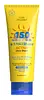
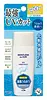
Luxe Organix 6 In 1 Maxshield Active Ultra Sheer Face And Body Sunscreen SPF 150 Versus OMI Menturm The Sun PUV Gel SPF 50+
This chemical sunscreen covers the full UV range and blocks ~99% of UVB at SPF 150.
This chemical sunscreen covers most of the UV range, lighter on the deep UVA that drives aging.


What's inside
What's inside
 Key Ingredients
Benefits
Concerns
Ingredients Side-by-side
Water
Skin ConditioningDibutyl Adipate
EmollientAlcohol Denat.
Antimicrobial




Ethylhexyl Salicylate
UV Absorber

Dicaprylyl Carbonate
EmollientEthylhexyl Triazone
UV Absorber
Propylene Glycol
Humectant
Silica
Abrasive


Cyclopentasiloxane
Emollient
Cetearyl Alcohol
Emollient




Poly C10-30 Alkyl Acrylate
Emulsion StabilisingPotassium Cetyl Phosphate
EmulsifyingBis-Ethylhexyloxyphenol Methoxyphenyl Triazine
UV Absorber
Polyester-7
Skin ConditioningMethylene Bis-Benzotriazolyl Tetramethylbutylphenol
UV Filter
Xylitol
Humectant
Acrylates/C12-22 Alkyl Methacrylate Copolymer
Neopentyl Glycol Diheptanoate
EmollientPhenoxyethanol
Preservative
Glyceryl Stearate
Emollient
PEG-100 Stearate
Surfactant
Vp/Eicosene Copolymer
Sodium Polyacrylate
Absorbent
Chlorphenesin
Antimicrobial
Polyacrylate Crosspolymer-6
Emulsion StabilisingTriethanolamine
BufferingDecyl Glucoside
Cleansing
Ceteareth-20
Cleansing
Xanthan Gum
EmulsifyingPentylene Glycol
Skin Conditioning
Disodium EDTA
ChelatingTocopheryl Acetate
Antioxidant


Glycerin
Humectant
Tocopherol
Antioxidant


Aloe Barbadensis Leaf
Masking
Butylene Glycol
Humectant
1,2-Hexanediol
Skin Conditioning
Camellia Sinensis Leaf Extract
Antimicrobial
Caprylyl Glycol
Emollient
Citric Acid
Buffering
Potassium Sorbate
Preservative
Sodium Benzoate
Masking
Glucose
Humectant
Sodium Hyaluronate
Humectant
Chondrus Crispus Extract
Skin Conditioning
Hydroxypropyltrimonium Hyaluronate
Hydrolyzed Hyaluronic Acid
Humectant
Sodium Acetylated Hyaluronate
Humectant
Hyaluronic Acid
Humectant
Hydrolyzed Sodium Hyaluronate
Skin Conditioning
Sodium Hyaluronate Crosspolymer
Humectant
Potassium Hyaluronate
Skin ConditioningWater, Dibutyl Adipate, Alcohol Denat., Ethylhexyl Salicylate, Dicaprylyl Carbonate, Ethylhexyl Triazone, Propylene Glycol, Silica, Cyclopentasiloxane, Cetearyl Alcohol, Poly C10-30 Alkyl Acrylate, Potassium Cetyl Phosphate, Bis-Ethylhexyloxyphenol Methoxyphenyl Triazine, Polyester-7, Methylene Bis-Benzotriazolyl Tetramethylbutylphenol, Xylitol, Acrylates/C12-22 Alkyl Methacrylate Copolymer, Neopentyl Glycol Diheptanoate, Phenoxyethanol, Glyceryl Stearate, PEG-100 Stearate, Vp/Eicosene Copolymer, Sodium Polyacrylate, Chlorphenesin, Polyacrylate Crosspolymer-6, Triethanolamine, Decyl Glucoside, Ceteareth-20, Xanthan Gum, Pentylene Glycol, Disodium EDTA, Tocopheryl Acetate, Glycerin, Tocopherol, Aloe Barbadensis Leaf, Butylene Glycol, 1,2-Hexanediol, Camellia Sinensis Leaf Extract, Caprylyl Glycol, Citric Acid, Potassium Sorbate, Sodium Benzoate, Glucose, Sodium Hyaluronate, Chondrus Crispus Extract, Hydroxypropyltrimonium Hyaluronate, Hydrolyzed Hyaluronic Acid, Sodium Acetylated Hyaluronate, Hyaluronic Acid, Hydrolyzed Sodium Hyaluronate, Sodium Hyaluronate Crosspolymer, Potassium Hyaluronate
Water
Skin ConditioningAlcohol
Antimicrobial
Ethylhexyl Methoxycinnamate
UV Absorber
Propylene Glycol
Humectant
Isopropyl Myristate
Emollient
Hydrogenated Polyisobutene
EmollientEthylhexyl Triazone
UV Absorber
Diethylamino Hydroxybenzoyl Hexyl Benzoate
UV Filter
Stearyl Dimethicone
Emollient
Phenoxyethanol
Preservative
Acrylates/C10-30 Alkyl Acrylate Crosspolymer
Emulsion StabilisingMethylparaben
Preservative
Polyglyceryl-3 Methylglucose Distearate
Emulsifying
Stearoyl Inulin
EmollientCarbomer
Emulsion StabilisingSodium Hydroxide
BufferingBHT
Antioxidant
Butylene Glycol
Humectant
Tocopheryl Acetate
Antioxidant
Ethoxydiglycol
HumectantCucumis Sativus Juice
EmollientAloe Barbadensis Leaf Juice Powder
Skin Conditioning
Rosa Centifolia Flower Extract
Astringent
Lactic Acid
Buffering
Glucose
Humectant
Chamomilla Recutita Flower Extract
Masking
Prunus Persica Leaf Extract
Emollient
Luffa Cylindrica Fruit/Leaf/Stem Extract
Skin ConditioningPerilla Ocymoides Leaf Extract
TonicTocopherol
Antioxidant
Bisabolol
Antioxidant
Water, Alcohol, Ethylhexyl Methoxycinnamate, Propylene Glycol, Isopropyl Myristate, Hydrogenated Polyisobutene, Ethylhexyl Triazone, Diethylamino Hydroxybenzoyl Hexyl Benzoate, Stearyl Dimethicone, Phenoxyethanol, Acrylates/C10-30 Alkyl Acrylate Crosspolymer, Methylparaben, Polyglyceryl-3 Methylglucose Distearate, Stearoyl Inulin, Carbomer, Sodium Hydroxide, BHT, Butylene Glycol, Tocopheryl Acetate, Ethoxydiglycol, Cucumis Sativus Juice, Aloe Barbadensis Leaf Juice Powder, Rosa Centifolia Flower Extract, Lactic Acid, Glucose, Chamomilla Recutita Flower Extract, Prunus Persica Leaf Extract, Luffa Cylindrica Fruit/Leaf/Stem Extract, Perilla Ocymoides Leaf Extract, Tocopherol, Bisabolol
Reviews
Ingredients Explained
These ingredients are found in both products.
Ingredients higher up in an ingredient list are typically present in a larger amount.
Butylene Glycol (or BG) is used within cosmetic products for a few different reasons:
Overall, Butylene Glycol is a safe and well-rounded ingredient that works well with other ingredients.
Though this ingredient works well with most skin types, some people with sensitive skin may experience a reaction such as allergic rashes, closed comedones, or itchiness.
Learn more about Butylene GlycolEthylhexyl Triazone (aka Octyl Triazone) is an oil-soluble organic UVB filter. It has peak absorption around 314 nm, right in the middle of the UVB range.
This ingredient is described as one of the most effective UVB filters available and small concentrations are enough to deliver a high SPF thanks to its strong UV absorbing power.
Formulators love it for its stability; its ability to filter UV stays practically unchanged even under intense radiation and it can also help boost the photostability of less stable filters like avobenzone.
It's also a great pick for water resistant products because it's insoluble in water and has a good affinity for keratin.
Because it's a big, heavy molecule, the European Scientific Committee has found to to have very low dermal penetration and negative results for allergenicity.
In vitro testing also showed a low absorption rate and clean results on irritation.
Typical use levels are 1-5% with 5% being the maximum in the EU, Japan, and other markets that allow it. However, this ingredient is not approved yet in the US or Canada.
Learn more about Ethylhexyl TriazoneGlucose is a simple sugar (a monosaccharide). In skincare, it is mostly a humectant and skin conditioning agent.
Mechanistically, it has multiple hydroxyl groups that hydrogen-bond to water. This pulls moisture into the upper layers of skin to keep the surface soft and hydrated.
It's worth knowing sugars are already a natural component of the skin's NMF (natural moisturizing factor) so it's a molecule that your stratum corneum is well-acquainted with.
Just so you know, glucose is hydrophilic (water-loving) and the stratum corneum is a strong barrier to hydrophilic compounds. This just means penetration is slow and most of the action is happening on the surface.
Gram-to-gram, glucose is not as efficient as a humectant as glycerin. This is why you'll likely see glycose paired with stronger humectants for a bigger hydration payoff.
In skincare, glucose is typically derived from corn or other starch sources.
Learn more about GlucosePhenoxyethanol is one of the most widely used preservatives in skincare (and for good reason!).
It has a large spectrum of antimicrobial activity and especially effective bacteria, yeast, and mold while only having a weak effect on your skin's natural microbiome.
On a cellular level, it disrupts the cell membranes of microbes by poking holes that make the cell leak. This shuts down the chemical reactions the microbe needs to make energy so it can no longer survive.
Another perk of this ingredient is that it stays functional across a wide pH range (3-10).
You'll often see it paired with boosters like Ethylhexylglycerin; one study showed that a 1:9 ratio of Ethylhexylglycerin to Phenoxyethanol damages bacterial membranes as effectively as doubling the Phenoxyethanol concentration on its own.
Typical use concentrations range from 0.3-1% depending on the formula, and this ingredient is capped at 1% int the EU.
Safety-wise, the fear mongering does not hold up to the evidence. The EU's Scientific Committee on Consumer Safety and FDA consider it safe as a preservative at up to 1%, including for children of all ages.
Adverse systemic effects only showed up in animal studies at exposures roughly 200x higher than what people get from cosmetics. And despite its very widespread use, this ingredient is a rare sensitizer and allergic reactions are uncommon.
Learn more about PhenoxyethanolPropylene Glycol is a synthetic, colorless, odorless liquid that has been a staple in cosmetics for decades. It is a skin conditioning agent, humectant, and solvent.
As a humectant, it draw water to the skin to reduce flaking and restore suppleness. It's also a solvent that helps dissolve other actives and keeps formulas stable across temperature changes.
The CIR Expert Panel has confirmed this ingredient to be nontoxic and clinical studies show no sensitization at cosmetic use concentrations.
True allergic reactions are quite rare: a 15-year retrospective study of 6,751 patients found only 0.31% had a positive reaction (and less than half were considered clinically relevant).
It seemed that when sensitization does occur, it's most commonly linked to topical medication (like corticosteroids) and not cosmetics. Allergic contact dermatitis also appears largely limited to individuals with underlying skin conditions.
Overall, propylene glycol is a well-studied ingredient that most people can tolerate without issue.
Learn more about Propylene GlycolTocopherol is a fat-soluble antioxidant known as Vitamin E.
You'll find this ingredient in the vast majority of skincare (for good reason). It works to neutralize free radicals, or unstable molecules generated by UV exposure, pollution, and other environmental stressors, before they can cause oxidative damage to your skin cells.
Topically applied tocopherol has been shown to protect against UV damage by ramping up the skin's own natural defense enzymes.
It also acts as a skin conditioning agent; some studies show that regular topical use can improve the skin's water-binding capacity over 2-4 weeks.
This ingredient is especially loved for being a team player. When combined with Vitamin C, the photoprotective effect of both ingredients roughly doubles and the combo also helps reduce UV-induced DNA damage.
This ingredient has some brightening potential but it's more of a prevention ingredient than spot-fader. Cell studies show it can slow down melanin production but it's worth noting that it's not the most powerful brightener out there.
In formulations, it also serves as a stabilizer that helps protect other oxidation-prone ingredients from degrading.
Concentrations usually range from 0.1-1% in most leave-on products.
Learn more about TocopherolTocopheryl Acetate is a stable, shelf-friendly form of vitamin E.
Formulators love it because plain vitamin E oxidizes quickly once it hits air. This acetate version stays stable and resists going off, helping to extend a product's shelf life.
It's actually inactive on its own and works like a slow-release "storage" form; the enzymes in your skin called esterases gradually convert it into active vitamin E over time.
One in vivo study showed 5% of the acetate in the living layer of the epidermis converted to vitamin E after 5 days of application. This study also found the skin gained protection against UV damage even though the conversion was slow and small.
Once converted, vitamin E acts as a skin's main fat-soluble antioxidant that fights free radicals to protect skin from damage.
Topical vitamin E generally boosts the skin's photoprotection, and it reduced UV-damage in animal models.
This ingredient has some brightening potential but it's more of a prevention ingredient than spot-fader. Cell studies show it can slow down melanin production but it's worth noting that it's not the most powerful brightener out there.
Overall, it has a pretty solid safety profile and has been found to be non-irritating and non-comedogenic. Allergic reactions may happen but stay rare due to how widely the ingredient gets used.
The concentration will vary depending on the formula; industry data shows 0.1% in baby lotions, 3% in lipsticks, and 5% in foot powders. You can also find this ingredient at 100% in a pure vitamin E oil.
Most leave-on skincare keeps it at the lower end, often between 0.5-1%.
Learn more about Tocopheryl AcetateWater. It's the most common cosmetic ingredient of all. You'll usually see it at the top of ingredient lists, meaning that it makes up the largest part of the product.
So why is it so popular? Water most often acts as a solvent - this means that it helps dissolve other ingredients into the formulation.
You'll also recognize water as that liquid we all need to stay alive. If you see this, drink a glass of water. Remember to stay hydrated!
Learn more about Water

