Lune+Aster CC Cream Broad Spectrum SPF 50 Versus Colorescience Sunforgettable Total Protection Face Shield Flex SPF 50
This hybrid sunscreen covers the full UV range and blocks ~98% of UVB at SPF 50.

What's inside
What's inside
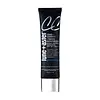 Key Ingredients
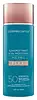
Benefits
Concerns
Ingredients Side-by-side
Ethylhexyl Methoxycinnamate 7.5%
UV Absorber


Ethylhexyl Salicylate 5%
UV Absorber
Benzophenone-3 3%
UV Absorber
Titanium Dioxide 6.74%
Cosmetic Colorant
Water
Skin ConditioningPhenyl Trimethicone
Skin Conditioning
Neopentyl Glycol Dicaprate
EmollientButylene Glycol
Humectant

C20-40 Pareth-3
EmulsifyingCaprylyl Methicone
Skin Conditioning
Steareth-21
CleansingGlycereth-26
Humectant
Glycerin
Humectant
Dipropylene Glycol
HumectantSilica
Abrasive


PEG-8 Dimethicone
Emulsifying
Tocopheryl Acetate
Antioxidant


Sodium Hyaluronate
Humectant


Citrus Aurantium Amara Peel Oil
Skin Conditioning

Dimethicone
Emollient
Phenoxyethanol
Preservative
Potassium Cetyl Phosphate
EmulsifyingStearyl Alcohol
Emollient

Trimethylsiloxysilicate
Emollient
Caprylyl Glycol
Emollient
Mica
Cosmetic ColorantVp/Eicosene Copolymer
Polypropylsilsesquioxane
PEG-32
HumectantPolyethylene
Abrasive
Sorbitol
Humectant
Hydrolyzed Wheat Protein/Pvp Crosspolymer
Hydroxyethyl Acrylate/Sodium Acryloyldimethyl Taurate Copolymer
Emulsion StabilisingDecylene Glycol
Skin ConditioningIsohexadecane
EmollientCellulose Gum
Emulsion StabilisingAllantoin
Skin Conditioning
Dipotassium Glycyrrhizate
Humectant
Disodium EDTA
ChelatingPolysorbate 60
Emulsifying
Adenosine
Skin Conditioning
Aminoethylphosphinic Acid
Skin ConditioningHippophae Rhamnoides Oil
Emollient
Aminomethyl Propanol
BufferingPalmaria Palmata Extract
Skin Protecting
Cichorium Intybus Root Extract
MaskingEthylhexylglycerin
Skin ConditioningAmmonium Polyacrylate
StabilisingLecithin
Emollient
CI 77492
Cosmetic ColorantCI 77491
Cosmetic ColorantCI 77499
Cosmetic ColorantEthylhexyl Methoxycinnamate 7.5%, Ethylhexyl Salicylate 5%, Benzophenone-3 3%, Titanium Dioxide 6.74%, Water, Phenyl Trimethicone, Neopentyl Glycol Dicaprate, Butylene Glycol, C20-40 Pareth-3, Caprylyl Methicone, Steareth-21, Glycereth-26, Glycerin, Dipropylene Glycol, Silica, PEG-8 Dimethicone, Tocopheryl Acetate, Sodium Hyaluronate, Citrus Aurantium Amara Peel Oil, Dimethicone, Phenoxyethanol, Potassium Cetyl Phosphate, Stearyl Alcohol, Trimethylsiloxysilicate, Caprylyl Glycol, Mica, Vp/Eicosene Copolymer, Polypropylsilsesquioxane, PEG-32, Polyethylene, Sorbitol, Hydrolyzed Wheat Protein/Pvp Crosspolymer, Hydroxyethyl Acrylate/Sodium Acryloyldimethyl Taurate Copolymer, Decylene Glycol, Isohexadecane, Cellulose Gum, Allantoin, Dipotassium Glycyrrhizate, Disodium EDTA, Polysorbate 60, Adenosine, Aminoethylphosphinic Acid, Hippophae Rhamnoides Oil, Aminomethyl Propanol, Palmaria Palmata Extract, Cichorium Intybus Root Extract, Ethylhexylglycerin, Ammonium Polyacrylate, Lecithin, CI 77492, CI 77491, CI 77499
Zinc Oxide 12%
Cosmetic Colorant
Water
Skin ConditioningC12-15 Alkyl Benzoate
AntimicrobialButyloctyl Salicylate
Skin Conditioning
Lauryl PEG-8 Dimethicone
Surfactant
Isododecane
EmollientPropanediol
Solvent
Caprylyl Methicone
Skin Conditioning
Dimethicone
Emollient
Niacinamide
Smoothing



Tridecyl Salicylate
Skin Conditioning
Dimethicone/Vinyl Dimethicone Crosspolymer
Skin Conditioning
Trilaureth-4 Phosphate
EmulsifyingDimethiconol
Emollient
Lauryl PEG-10 Tris(Trimethylsiloxy)Silylethyl Dimethicone
Emulsifying
Mica
Cosmetic ColorantPolyester-1
Maltodextrin
Absorbent
Sodium Chloride
MaskingBisabolol
Antioxidant
Disodium Lauriminodipropionate Tocopheryl Phosphates
CleansingEthylhexylglycerin
Skin ConditioningTremella Fuciformis Sporocarp Extract
Antioxidant
Allantoin
Skin Conditioning
Silica Dimethyl Silylate
EmollientCaprylyl Glycol
Emollient
Isoceteth-10
EmulsifyingZein
Skin ConditioningHexylene Glycol
EmulsifyingDimethylmethoxy Chromanol
Antioxidant
Synthetic Fluorphlogopite
Zea Mays Starch
Absorbent
Silica
Abrasive
Caesalpinia Spinosa Fruit Pod Extract
Hydrogenated Lecithin
Emulsifying
Tetrasodium Glutamate Diacetate
ChelatingCaprylic/Capric Triglyceride
Masking
Helianthus Annuus Sprout Extract
Skin ConditioningPhenoxyethanol
Preservative
Sodium Benzoate
Masking
Benzoic Acid
Masking
Dehydroacetic Acid
Preservative
Sodium Hydroxide
BufferingSodium Myristoyl Glutamate
CleansingAluminum Hydroxide
EmollientCI 77891
Cosmetic ColorantIron Oxides
Zinc Oxide 12%, Water, C12-15 Alkyl Benzoate, Butyloctyl Salicylate, Lauryl PEG-8 Dimethicone, Isododecane, Propanediol, Caprylyl Methicone, Dimethicone, Niacinamide, Tridecyl Salicylate, Dimethicone/Vinyl Dimethicone Crosspolymer, Trilaureth-4 Phosphate, Dimethiconol, Lauryl PEG-10 Tris(Trimethylsiloxy)Silylethyl Dimethicone, Mica, Polyester-1, Maltodextrin, Sodium Chloride, Bisabolol, Disodium Lauriminodipropionate Tocopheryl Phosphates, Ethylhexylglycerin, Tremella Fuciformis Sporocarp Extract, Allantoin, Silica Dimethyl Silylate, Caprylyl Glycol, Isoceteth-10, Zein, Hexylene Glycol, Dimethylmethoxy Chromanol, Synthetic Fluorphlogopite, Zea Mays Starch, Silica, Caesalpinia Spinosa Fruit Pod Extract, Hydrogenated Lecithin, Tetrasodium Glutamate Diacetate, Caprylic/Capric Triglyceride, Helianthus Annuus Sprout Extract, Phenoxyethanol, Sodium Benzoate, Benzoic Acid, Dehydroacetic Acid, Sodium Hydroxide, Sodium Myristoyl Glutamate, Aluminum Hydroxide, CI 77891, Iron Oxides
Reviews
Ingredients Explained
These ingredients are found in both products.
Ingredients higher up in an ingredient list are typically present in a larger amount.
Allantoin is a soothing ingredient known for its protective and moisturizing properties; it's basically a quiet workhorse ingredient you can find in a huge range of cosmetics.
Though it can be derived from the comfrey plant, allantoin is produced synthetically for cosmetic products to ensure purity.
Research shows it can encourage your skin cells to turn over and renew by stimulating keratinocyte and fibroblast proliferation.
It also has mild keratolytic properties to help loosen and shed dead skin cells without being harsh.
Studies also suggest allantoin can help calm inflammation by dialing down some of the chemical signals your skin sends out when it is irritated.
This ingredient is typically used in the 0.1-0.5% range, and the FDA recognizes it as a skin protectant in OTC products up to 2%.
Overall, allantoin is a wonderful addition to most routines; it is stable across a wide pH range (~4-8), works well with other ingredients, and is considered non-sensitizing/non-irritating.
Fun fact: Allantoin is naturally occurring in comfrey root, beets, chamomile, and wheat sprouts. Our bodies even produce it as a byproduct of uric acid metabolism.
Learn more about AllantoinCaprylyl Glycol is a humectant, skin conditioner, emollient, and preservative booster derived from either caprylic acid or synthetically created.
Typical use levels vary from 0.3-1% as a preservative booster and go up to 2% to condition skin.
Because it is not a free-fatty acid, this ingredient is fungal acne safe (there's nothing for Malassezia to feed on).
Learn more about Caprylyl GlycolCaprylyl Methicone is a synthetic and lightweight silicone fluid. It gives products a silky, dry-touch finish without the heaviness of pure oils.
Though the EU CosIng Database lists this ingredient as a skin conditioner, it is also used for sensory reasons. It spreads easily, cuts greasiness, and reduces tackiness.
This ingredient is volatile which means it will mostly evaporate (but it evaporates slower than older cyclomethicones, like Cyclotetrasiloxane).
Typical concentration ranges from 1-30% depending on if it's being used to tweak the feel of a product or acting as the main emollient.
Learn more about Caprylyl MethiconeDimethicone is a type of synthetic silicone created from natural materials such as quartz. It is also known as polydimethylsiloxane.
What it does:
Dimethicone comes in different viscosities:
Depending on the viscosity, dimethicone has different properties.
Ingredients lists don't always show which type is used, so we recommend reaching out to the brand if you have questions about the viscosity.
This ingredient is unlikely to cause irritation because it does not get absorbed into skin. However, people with silicone allergies should be careful about using this ingredient.
Note: Dimethicone may contribute to pilling. This is because it is not oil or water soluble, so pilling may occur when layered with products. When mixed with heavy oils in a formula, the outcome is also quite greasy.
Learn more about DimethiconeEthylhexylglycerin is created from glycerin. It is a multitasker ingredient that:
The CIR Expert Panel found minimal skin absorption or sensitization of any kind in a safety assessment. Though this ingredient is considered well-tolerated, a small number of cases of allergic dermatitis have been published since 2002. Just be sure to patch test if you are unsure.
Industry-reported use ranges from 8% in rinse-off products and 2% in leave-on formulations.
Learn more about EthylhexylglycerinMica is a naturally occurring mineral used to add shimmer and color in cosmetics. It can also help improve the texture of a product or give it an opaque, white/silver color.
Serecite is the name for very fine but ragged grains of mica.
This ingredient is often coated with metal oxides like titanium dioxide. Trace amounts of heavy metals may be found in mica, but these metals are not harmful in our personal products.
Mica has been used since prehistoric times throughout the world. Ancient Egyptian, Indian, Greek, Roman, Aztec, and Chinese civilizations have used mica.
Learn more about MicaPhenoxyethanol is one of the most widely used preservatives in skincare (and for good reason!).
It has a large spectrum of antimicrobial activity and especially effective bacteria, yeast, and mold while only having a weak effect on your skin's natural microbiome.
On a cellular level, it disrupts the cell membranes of microbes by poking holes that make the cell leak. This shuts down the chemical reactions the microbe needs to make energy so it can no longer survive.
Another perk of this ingredient is that it stays functional across a wide pH range (3-10).
You'll often see it paired with boosters like Ethylhexylglycerin; one study showed that a 1:9 ratio of Ethylhexylglycerin to Phenoxyethanol damages bacterial membranes as effectively as doubling the Phenoxyethanol concentration on its own.
Typical use concentrations range from 0.3-1% depending on the formula, and this ingredient is capped at 1% int the EU.
Safety-wise, the fear mongering does not hold up to the evidence. The EU's Scientific Committee on Consumer Safety and FDA consider it safe as a preservative at up to 1%, including for children of all ages.
Adverse systemic effects only showed up in animal studies at exposures roughly 200x higher than what people get from cosmetics. And despite its very widespread use, this ingredient is a rare sensitizer and allergic reactions are uncommon.
Learn more about PhenoxyethanolSilica, also known as silicon dioxide, is a naturally occurring mineral. It is used as a fine, spherical, and porous powder in cosmetics.
Though it has exfoliant properties, the function of silica varies depending on the product.
The unique structure of silica enhances the spreadability and adds smoothness, making it a great texture enhancer.
It is also used as an active carrier, emulsifier, and mattifier due to its ability to absorb excess oil.
In some products, tiny microneedles called spicules are made from silica or hydrolyzed sponge. When you rub them in, they lightly polish away dead skin layers and enhance the penetration of active ingredients.
Learn more about SilicaWater. It's the most common cosmetic ingredient of all. You'll usually see it at the top of ingredient lists, meaning that it makes up the largest part of the product.
So why is it so popular? Water most often acts as a solvent - this means that it helps dissolve other ingredients into the formulation.
You'll also recognize water as that liquid we all need to stay alive. If you see this, drink a glass of water. Remember to stay hydrated!
Learn more about Water

