
What's inside
What's inside
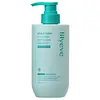 Key Ingredients
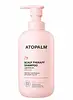
Benefits
Concerns
Ingredients Side-by-side
Water
Skin ConditioningSodium C14-16 Olefin Sulfonate
Cleansing

Cocamidopropyl Betaine
Cleansing

Menthol
Masking

Mentha Arvensis Extract
MaskingEucalyptus Globulus Leaf Extract
Perfuming
Lycium Barbarum Fruit Extract
Astringent
Aloe Barbadensis Leaf Extract
Emollient

Corchorus Olitorius Leaf Extract
Skin ConditioningCymbopogon Citratus Extract
Skin ConditioningLaminaria Japonica Extract
Skin Protecting
Vigna Radiata Seed Extract
Skin ConditioningGlycine Max Seed Extract
Skin ConditioningTerminalia Chebula Fruit Extract
Skin ConditioningErythritol
Humectant
Ceratonia Siliqua Fruit Extract
MaskingCamellia Japonica Leaf Extract
Skin ConditioningDiospyros Kaki Fruit Extract
Skin ConditioningPueraria Lobata Root Extract
HumectantPinus Palustris Leaf Extract
TonicUlmus Davidiana Root Extract
Skin Conditioning
Oenothera Biennis Flower Extract
AstringentMelia Azadirachta Leaf Extract
Skin ConditioningMelia Azadirachta Flower Extract
Skin ConditioningPolygonum Multiflorum Root Extract
Skin ConditioningHouttuynia Cordata Extract
Skin Conditioning
Lactobacillus Ferment
Skin Conditioning
Salicylic Acid
Masking






Panthenol
Skin Conditioning
Niacinamide
Smoothing


Cocamide Mea
Emulsifying
Sodium Chloride
MaskingSodium Benzoate
Masking
Glycerin
Humectant
Citric Acid
Buffering
Polyquaternium-10
PPG-3 Caprylyl Ether
Foam BoostingDisodium EDTA
ChelatingGuar Hydroxypropyltrimonium Chloride
Skin ConditioningButylene Glycol
Humectant
Piroctone Olamine
Preservative
Methylpropanediol
SolventClimbazole
Antimicrobial
1,2-Hexanediol
Skin Conditioning
Glyceryl Caprylate
EmollientCyclodextrin
AbsorbentLactic Acid
Buffering
Centella Asiatica Extract
Cleansing
Sodium DNA
Skin Conditioning
Ethylhexylglycerin
Skin ConditioningSodium Hyaluronate
Humectant
Hydrolyzed Hyaluronic Acid
Humectant
Caprylic/Capric Triglyceride
Masking
Hydrogenated Lecithin
Emulsifying
Cholesterol
Emollient
Sodium Acetylated Hyaluronate
Humectant
Parfum
Masking
Water, Sodium C14-16 Olefin Sulfonate, Cocamidopropyl Betaine, Menthol, Mentha Arvensis Extract, Eucalyptus Globulus Leaf Extract, Lycium Barbarum Fruit Extract, Aloe Barbadensis Leaf Extract, Corchorus Olitorius Leaf Extract, Cymbopogon Citratus Extract, Laminaria Japonica Extract, Vigna Radiata Seed Extract, Glycine Max Seed Extract, Terminalia Chebula Fruit Extract, Erythritol, Ceratonia Siliqua Fruit Extract, Camellia Japonica Leaf Extract, Diospyros Kaki Fruit Extract, Pueraria Lobata Root Extract, Pinus Palustris Leaf Extract, Ulmus Davidiana Root Extract, Oenothera Biennis Flower Extract, Melia Azadirachta Leaf Extract, Melia Azadirachta Flower Extract, Polygonum Multiflorum Root Extract, Houttuynia Cordata Extract, Lactobacillus Ferment, Salicylic Acid, Panthenol, Niacinamide, Cocamide Mea, Sodium Chloride, Sodium Benzoate, Glycerin, Citric Acid, Polyquaternium-10, PPG-3 Caprylyl Ether, Disodium EDTA, Guar Hydroxypropyltrimonium Chloride, Butylene Glycol, Piroctone Olamine, Methylpropanediol, Climbazole, 1,2-Hexanediol, Glyceryl Caprylate, Cyclodextrin, Lactic Acid, Centella Asiatica Extract, Sodium DNA, Ethylhexylglycerin, Sodium Hyaluronate, Hydrolyzed Hyaluronic Acid, Caprylic/Capric Triglyceride, Hydrogenated Lecithin, Cholesterol, Sodium Acetylated Hyaluronate, Parfum
Water
Skin ConditioningDisodium Laureth Sulfosuccinate
CleansingLauryl Glucoside
CleansingLauryl Betaine
CleansingCocamide Mipa
Emulsifying
Sodium Cocoyl Isethionate
Cleansing
Glycerin
Humectant
Sodium Chloride
MaskingButylene Glycol
Humectant
Caprylyl Glycol
Emollient
Citric Acid
Buffering
Guar Hydroxypropyltrimonium Chloride
Skin ConditioningPanthenol
Skin Conditioning
Polyquaternium-10
Salicylic Acid
Masking
Ethylhexylglycerin
Skin ConditioningNiacinamide
Smoothing
Propylene Glycol Laurate
Skin ConditioningTetrasodium EDTA
ChelatingStreptococcus Thermophilus Ferment
Humectant
Angelica Acutiloba Root Extract
Skin ConditioningPolygonum Cuspidatum Root Extract
Antioxidant
Pueraria Lobata Root Extract
HumectantPropanediol
Solvent
Bis-Oleamido Isopropyl Alcohol
Emulsion StabilisingCimicifuga Racemosa Root Extract
Antimicrobial
Myristoyl/Palmitoyl Oxostearamide/Arachamide Mea
Skin ConditioningPunica Granatum Fruit Extract
Antioxidant
Pueraria Mirifica Root Extract
Skin ConditioningPiroctone Olamine
Preservative
Trifolium Pratense Flower Extract
AstringentLecithin
Emollient
Tromethamine
Buffering1,2-Hexanediol
Skin Conditioning
Biotin
AntiseborrhoeicHouttuynia Cordata Extract
Skin Conditioning
Sodium Palmitoyl Sarcosinate
CleansingParfum
Masking
Water, Disodium Laureth Sulfosuccinate, Lauryl Glucoside, Lauryl Betaine, Cocamide Mipa, Sodium Cocoyl Isethionate, Glycerin, Sodium Chloride, Butylene Glycol, Caprylyl Glycol, Citric Acid, Guar Hydroxypropyltrimonium Chloride, Panthenol, Polyquaternium-10, Salicylic Acid, Ethylhexylglycerin, Niacinamide, Propylene Glycol Laurate, Tetrasodium EDTA, Streptococcus Thermophilus Ferment, Angelica Acutiloba Root Extract, Polygonum Cuspidatum Root Extract, Pueraria Lobata Root Extract, Propanediol, Bis-Oleamido Isopropyl Alcohol, Cimicifuga Racemosa Root Extract, Myristoyl/Palmitoyl Oxostearamide/Arachamide Mea, Punica Granatum Fruit Extract, Pueraria Mirifica Root Extract, Piroctone Olamine, Trifolium Pratense Flower Extract, Lecithin, Tromethamine, 1,2-Hexanediol, Biotin, Houttuynia Cordata Extract, Sodium Palmitoyl Sarcosinate, Parfum
Ingredients Explained
These ingredients are found in both products.
Ingredients higher up in an ingredient list are typically present in a larger amount.
1,2-Hexanediol is a synthetic liquid and another multi-functional powerhouse.
It is a:
- Humectant, drawing moisture into the skin
- Emollient, helping to soften skin
- Solvent, dispersing and stabilizing formulas
- Preservative booster, enhancing the antimicrobial activity of other preservatives
Butylene Glycol (or BG) is used within cosmetic products for a few different reasons:
Overall, Butylene Glycol is a safe and well-rounded ingredient that works well with other ingredients.
Though this ingredient works well with most skin types, some people with sensitive skin may experience a reaction such as allergic rashes, closed comedones, or itchiness.
Learn more about Butylene GlycolCitric Acid is an alpha hydroxy acid (AHA) naturally found in citrus fruits like oranges, lemons, and limes.
Like other AHAs, citric acid can exfoliate skin by breaking down the bonds that hold dead skin cells together. This helps reveal smoother and brighter skin underneath.
However, this exfoliating effect only happens at high concentrations (20%) which can be hard to find in cosmetic products.
Due to this, citric acid is usually included in small amounts as a pH adjuster. This helps keep products slightly more acidic and compatible with skin's natural pH.
In skincare formulas, citric acid can:
While it can provide some skin benefits, research shows lactic acid and glycolic acid are generally more effective and less irritating exfoliants.
Most citric acid used in skincare today is made by fermenting sugars (usually from molasses). This synthetic version is identical to the natural citrus form but easier to stabilize and use in formulations.
Rosacea skin has a lower threshold for acids generally, with 62.5% of rosacea subjects in one study reacting to lactic acid in a sting test. This is why we mark citric acid as a potential rosacea trigger.
However, this ingredient shows up as a pH adjuster or chelator at roughly 0.1-1% in many products. These low levels are unlikely to be an issue for rosacea skin and becomes a potential trigger at exfoliating concentrations (20%). Because everybody's skin is unique, we recommend a patch test if you are unsure.
Learn more about Citric AcidEthylhexylglycerin is created from glycerin. It is a multitasker ingredient that:
The CIR Expert Panel found minimal skin absorption or sensitization of any kind in a safety assessment. Though this ingredient is considered well-tolerated, a small number of cases of allergic dermatitis have been published since 2002. Just be sure to patch test if you are unsure.
Industry-reported use ranges from 8% in rinse-off products and 2% in leave-on formulations.
Learn more about EthylhexylglycerinGlycerin (or glycerol) is a compound naturally found in your skin. It's a powerhouse humectant that pulls water into the stratum corneum.
Topically, glycerin does several things at once:
Your skin makes glycerin on its own (mostly from sebaceous oil breakdown) and shuttles it to your outermost layer of skin, or your epidermis, via aquaporin-3.
Aquaporin-3 is a transporter that is essential for normal skin hydration, elasticity, and repair. Interestingly, mice lacking in AQP3 have dry and less elastic skin that can be fully corrected with glycerin.
This ingredient is non-irritating, plays well with almost every ingredient, and works across all skin types. Typical use is anywhere between 3-10% but can go up to 79% in some leave-on products.
Just know very high concentrations (>40%) can feel tacky in low humidity.
Glycerin is the name for this ingredient in American English. British English uses Glycerol/Glycerine.
Learn more about GlycerinThis ingredient is derived from guar gum. It is a skin conditioning agent that creates a thin, breathable film to reduce water loss during cleansing.
This leaves the skin feeling soft rather than stripped and also contributes to a creamier lather.
Due to the large molecule size, this ingredient is unlikely to penetrate skin.
Learn more about Guar Hydroxypropyltrimonium ChlorideHouttuynia Cordata Extract is more commonly known as Heart Leaf, Fish Mint, or Chameleon plant.
The components found in Heart Leaf give it antioxidant, hydrating, antimicrobial, and anti-inflammatory properties.
Heart Leaf is rich in flavonoids such as quercetin, apigenin, and more. It also contains polysaccharides, the most common type of carbs in food.
Flavonoids have been shown to be effective antioxidants. They help neutralize free-radical molecules. Free-radical molecules are unstable molecules that may damage our skin cells and DNA. The flavonoids in Heart Leaf also help soothe the skin.
Polysaccharides are naturally found in our skin. They play a role in hydrating and repairing the top layer of skin. The polysaccharides in Heart Leaf help moisturize our skin.
Studies show decanoyl acetaldehyde, a component of Heart Leaf oil, is effective at killing bacteria.
The name 'Fish Mint' comes from the herb's natural fishy smell. Is is native to southeast Asia and used throughout the continent for traditional cooking and medicine.
Learn more about Houttuynia Cordata ExtractNiacinamide is a multitasking form of vitamin B3 that strengthens the skin barrier, reduces pores and dark spots, regulates oil, and improves signs of aging.
And the best part? It's gentle and well-tolerated by most skin types, including sensitive and reactive skin.
You might have heard of "niacin flush", or the reddening of skin that causes itchiness. Niacinamide has not been found to cause this.
In very rare cases, some individuals may not be able to tolerate niacinamide at all or experience an allergic reaction to it.
If you are experiencing flaking, irritation, and dryness with this ingredient, be sure to double check all your products as this ingredient can be found in all categories of skincare.
When incorporating niacinamide into your routine, look out for concentration amounts. Typically, 5% niacinamide provides benefits such as fading dark spots. However, if you have sensitive skin, it is better to begin with a smaller concentration.
When you apply niacinamide to your skin, your body converts it into nicotinamide adenine dinucleotide (NAD). NAD is an essential coenzyme that is already found in your cells as "fuel" and powers countless biological processes.
In your skin, NAD helps repair cell damage, produce new healthy cells, support collagen production, strengthen the skin barrier, and fight environmental stressors (like UV and pollution).
Our natural NAD levels start to decline with age, leading to slower skin repair, visible aging, and a weaker skin barrier. By providing your skin niacinamide, you're recharging your skin's NAD levels. This leads to stronger, healthier, and younger looking skin.
Another name for vitamin B3 is nicotinamide. This vitamin is water-soluble and our bodies don't store it. We obtain Vitamin B3 from either food or skincare. Meat, fish, wheat, yeast, and leafy greens contain vitamin B3.
The type of niacinamide used in skincare is synthetically created.
Learn more about NiacinamidePanthenol is a common ingredient that helps hydrate and soothe the skin. It is found naturally in our skin and hair.
There are two forms of panthenol: D and L.
D-panthenol is also known as dexpanthenol. Most cosmetics use dexpanthenol or a mixture of D and L-panthenol.
Panthenol is famous due to its ability to go deeper into the skin's layers. Using this ingredient has numerous pros (and no cons):
Like hyaluronic acid, panthenol is a humectant. Humectants are able to bind and hold large amounts of water to keep skin hydrated.
This ingredient works well for wound healing. It works by increasing tissue in the wound and helps close open wounds.
Once oxidized, panthenol converts to pantothenic acid. Panthothenic acid is found in all living cells.
This ingredient is also referred to as pro-vitamin B5.
Learn more about PanthenolParfum is a catch-all term for an ingredient or more that is used to give a scent to products.
Also called "fragrance", this ingredient can be a blend of hundreds of chemicals or plant oils. This means every product with "fragrance" or "parfum" in the ingredients list is a different mixture.
For instance, Habanolide is a proprietary trade name for a specific aroma chemical. When used as a fragrance ingredient in cosmetics, most aroma chemicals fall under the broad labeling category of “FRAGRANCE” or “PARFUM” according to EU and US regulations.
The term 'parfum' or 'fragrance' is not regulated in many countries. In many cases, it is up to the brand to define this term.
For instance, many brands choose to label themselves as "fragrance-free" because they are not using synthetic fragrances. However, their products may still contain ingredients such as essential oils that are considered a fragrance by INCI standards.
One example is Calendula flower extract. Calendula is an essential oil that still imparts a scent or 'fragrance'.
Depending on the blend, the ingredients in the mixture can cause allergies and sensitivities on the skin. Some ingredients that are known EU allergens include linalool and citronellol.
Parfum can also be used to mask or cover an unpleasant scent.
The bottom line is: not all fragrances/parfum/ingredients are created equally. If you are worried about fragrances, we recommend taking a closer look at an ingredient. And of course, we always recommend speaking with a professional.
Learn more about ParfumPiroctone Olamine is a synthetic antifungal and preservative ingredient.
Its main job is to keep the yeast, Malassezia, in check; this yeast is linked to dandruff, seborrheic dermatitis, and fungal acne (a.k.a. Malassezia folliculitis).
The way it works is pretty neat:
It slips into the fungal cell and grabs onto iron ions that the yeast needs for its energy metabolism; this basically starves it out. But the full mechanism isn't 100% pinned down and some research also points it to interfering with ergosterol (a building block of the fungal cell membrane).
Besides antifungal action, it also has mild anti-inflammatory and soothing effects to help calm itchiness in the scalp.
Typical usage concentrations are low. The EU permits it to be a preservative up to 1% in rinse-off products and 0.5% in leave-on products.
Though it's generally well-tolerated, a small number of people may notice itching or irritation (as with any active).
Learn more about Piroctone OlaminePolyquaternium-10 is an ammonium salt of hydroxyethylcellulose. It is a white and granular powder used as a film-former and anti-static agent.
This ingredient is commonly found in hair conditioning products. According to a manufacturer, its positive charge makes it great for absorbing hair proteins. The manufacturer also states this ingredient helps with curl retention.
For haircare friends: this ingredient is not a silicone.
Learn more about Polyquaternium-10This ingredient comes from the Kudzu root.
Salicylic Acid (also known as beta hydroxy acid or BHA) is a well-known ingredient for treating skin that struggles with acne and clogged pores. It exfoliates both the skin's surface and deep within the pores to help clear out buildup, control oil, and reduce inflammation.
Unlike AHAs (alpha hydroxy acids), salicylic acid is oil-soluble. This allows it to penetrate into pores which makes it especially effective for treating blackheads and preventing future breakouts.
Salicylic acid is also known for its soothing properties. It has a similar structure to aspirin and can calm inflamed or irritated skin, making it a good option for acne-prone skin that is also sensitive.
Concentrations of 0.5-2% are recognized by the U.S. FDA as an over-the-counter topical acne product.
It can cause irritation and/or dryness if one's skin already has a compromised moisture barrier, so it's best to focus on repairing that before introducing this ingredient into your routine.
While salicylic acid does not increase sun sensitivity, it’s still important to wear sunscreen daily to protect your skin.
If you are looking for the ingredient called BHA or Butylated Hydroxyanisole, click here.
Learn more about Salicylic AcidChances are, you eat sodium chloride every day. Sodium Chloride is also known as table salt. This ingredient has many purposes in skincare: thickener, emulsifier, and exfoliator.
You'll most likely find this ingredient in cleansers where it is used to create a gel-like texture. As an emulsifier, it also prevents ingredients from separating.
You might see people debate whether Sodium Chloride is comedogenic, but there actually haven't been any comedogenic tests done on it. Either way, the overall formulation of a product matters a lot more than any single ingredient.
You might see this ingredient used in scrubs as a primary exfoliating ingredient.
Learn more about Sodium ChlorideWater. It's the most common cosmetic ingredient of all. You'll usually see it at the top of ingredient lists, meaning that it makes up the largest part of the product.
So why is it so popular? Water most often acts as a solvent - this means that it helps dissolve other ingredients into the formulation.
You'll also recognize water as that liquid we all need to stay alive. If you see this, drink a glass of water. Remember to stay hydrated!
Learn more about Water

