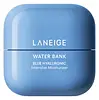
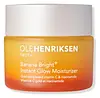
Laneige Water Bank Blue Hyaluronic Intensive Moisturizer Versus Olehenriksen Banana Bright+ Instant Glow Moisturizer


What's inside
What's inside
 Key Ingredients
Benefits
Concerns
Ingredients Side-by-side
Water
Skin ConditioningButylene Glycol
Humectant

Glycerin
Humectant
Squalane
Emollient
Sucrose Polystearate
EmollientPentaerythrityl Tetraethylhexanoate
Emollient
Methyl Trimethicone
Skin Conditioning
Dibutyl Adipate
EmollientCeramide AP
Skin Conditioning


1,2-Hexanediol
Skin Conditioning
Glyceryl Stearate
Emollient
Polyglyceryl-3 Methylglucose Distearate
Emulsifying
Bis-Hydroxyethoxypropyl Dimethicone
Emollient
Stearyl Dimethicone
Emollient
Caprylic/Capric/Myristic/Stearic Triglyceride
EmollientStearic Acid
Cleansing
Palmitic Acid
Emollient
Hydrogenated Polyisobutene
EmollientHydroxyethyl Acrylate/Sodium Acryloyldimethyl Taurate Copolymer
Emulsion StabilisingCetyl Alcohol
Emollient

Propanediol
Solvent
Octadecene
SolventAcrylates/C10-30 Alkyl Acrylate Crosspolymer
Emulsion StabilisingParfum
Masking



Xanthan Gum
EmulsifyingGlyceryl Caprylate
EmollientDextrin
AbsorbentTromethamine
BufferingEthylhexylglycerin
Skin ConditioningDisodium EDTA
Sorbitan Isostearate
Emulsifying
Allantoin
Skin Conditioning
Hydrolyzed Hyaluronic Acid
Humectant
Beta-Glucan
Skin Conditioning
Ceramide NP
Skin Conditioning
Myristic Acid
Cleansing
Arachidic Acid
Cleansing
Lactobacillus Ferment Lysate
Skin Conditioning
Tocopherol
Antioxidant



Undaria Pinnatifida Extract
Skin ConditioningWater, Butylene Glycol, Glycerin, Squalane, Sucrose Polystearate, Pentaerythrityl Tetraethylhexanoate, Methyl Trimethicone, Dibutyl Adipate, Ceramide AP, 1,2-Hexanediol, Glyceryl Stearate, Polyglyceryl-3 Methylglucose Distearate, Bis-Hydroxyethoxypropyl Dimethicone, Stearyl Dimethicone, Caprylic/Capric/Myristic/Stearic Triglyceride, Stearic Acid, Palmitic Acid, Hydrogenated Polyisobutene, Hydroxyethyl Acrylate/Sodium Acryloyldimethyl Taurate Copolymer, Cetyl Alcohol, Propanediol, Octadecene, Acrylates/C10-30 Alkyl Acrylate Crosspolymer, Parfum, Xanthan Gum, Glyceryl Caprylate, Dextrin, Tromethamine, Ethylhexylglycerin, Disodium EDTA, Sorbitan Isostearate, Allantoin, Hydrolyzed Hyaluronic Acid, Beta-Glucan, Ceramide NP, Myristic Acid, Arachidic Acid, Lactobacillus Ferment Lysate, Tocopherol, Undaria Pinnatifida Extract
Water
Skin ConditioningGlycerin
Humectant
Cetyl Ethylhexanoate
EmollientPropanediol
Solvent
Cetyl Alcohol
Emollient
3-O-Ethyl Ascorbic Acid
Skin Conditioning


Niacinamide
Smoothing


Steareth-21
CleansingDicaprylyl Carbonate
EmollientHydroxyethyl Acrylate/Sodium Acryloyldimethyl Taurate Copolymer
Emulsion StabilisingAmmonium Acryloyldimethyltaurate/Vp Copolymer
1,2-Hexanediol
Skin Conditioning
Synthetic Beeswax
Emulsion Stabilising
Tetrahexyldecyl Ascorbate
Antioxidant
Ascorbic Acid
Antioxidant
Colloidal Gold
AntimicrobialPolyglutamic Acid
Skin Conditioning
Sodium Hyaluronate
Humectant
Rubus Chamaemorus Seed Oil
Skin Conditioning
Hydrolyzed Vegetable Protein
Skin ConditioningGlutathione
Tocopherol
Antioxidant
Tocopheryl Acetate
Antioxidant
Jojoba Esters
Emollient
Riboflavin
Cosmetic ColorantCyanocobalamin
Skin ConditioningLeuconostoc/Radish Root Ferment Filtrate
Antimicrobial
Cetearyl Olivate
Sorbitan Olivate
Emulsifying
Ethylhexylglycerin
Skin ConditioningSorbitan Isostearate
Emulsifying
Sorbitol
Humectant
Sodium Phytate
Citric Acid
Buffering
Caprylyl Glycol
Emollient
Dimethicone
Emollient
Xanthan Gum
EmulsifyingPolysorbate 60
Emulsifying
Sodium Citrate
BufferingSodium Hydroxide
BufferingPhenoxyethanol
Preservative
Pentaerythrityl Tetraethylhexanoate
Emollient
Pentaerythrityl Tetra-Di-T-Butyl Hydroxyhydrocinnamate
Antioxidant
Mica
Cosmetic ColorantTin Oxide
Abrasive
Parfum
Masking
Citral
Perfuming

Limonene
Perfuming
Linalool
Perfuming
CI 77891
Cosmetic ColorantCI 77491
Cosmetic ColorantWater, Glycerin, Cetyl Ethylhexanoate, Propanediol, Cetyl Alcohol, 3-O-Ethyl Ascorbic Acid, Niacinamide, Steareth-21, Dicaprylyl Carbonate, Hydroxyethyl Acrylate/Sodium Acryloyldimethyl Taurate Copolymer, Ammonium Acryloyldimethyltaurate/Vp Copolymer, 1,2-Hexanediol, Synthetic Beeswax, Tetrahexyldecyl Ascorbate, Ascorbic Acid, Colloidal Gold, Polyglutamic Acid, Sodium Hyaluronate, Rubus Chamaemorus Seed Oil, Hydrolyzed Vegetable Protein, Glutathione, Tocopherol, Tocopheryl Acetate, Jojoba Esters, Riboflavin, Cyanocobalamin, Leuconostoc/Radish Root Ferment Filtrate, Cetearyl Olivate, Sorbitan Olivate, Ethylhexylglycerin, Sorbitan Isostearate, Sorbitol, Sodium Phytate, Citric Acid, Caprylyl Glycol, Dimethicone, Xanthan Gum, Polysorbate 60, Sodium Citrate, Sodium Hydroxide, Phenoxyethanol, Pentaerythrityl Tetraethylhexanoate, Pentaerythrityl Tetra-Di-T-Butyl Hydroxyhydrocinnamate, Mica, Tin Oxide, Parfum, Citral, Limonene, Linalool, CI 77891, CI 77491
Reviews
Ingredients Explained
These ingredients are found in both products.
Ingredients higher up in an ingredient list are typically present in a larger amount.
1,2-Hexanediol is a synthetic liquid and another multi-functional powerhouse.
It is a:
- Humectant, drawing moisture into the skin
- Emollient, helping to soften skin
- Solvent, dispersing and stabilizing formulas
- Preservative booster, enhancing the antimicrobial activity of other preservatives
Cetyl Alcohol is a fatty alcohol. Fatty Alcohols are most often used as an emollient or to thicken a product.
Its main roles are:
Though it has "alcohol" in the name, it is not related to denatured alcohol or ethyl alcohol.
The FDA allows products labeled "alcohol-free" to have fatty alcohols.
This ingredient may not be fungal acne safe. It is a primary fatty alcohol with a chain length above 12 carbons. A study from 2019 show Malassezia can feed on fatty alcohols in this range, so it may trigger fungal acne in those prone to it.
Learn more about Cetyl AlcoholEthylhexylglycerin is created from glycerin. It is a multitasker ingredient that:
The CIR Expert Panel found minimal skin absorption or sensitization of any kind in a safety assessment. Though this ingredient is considered well-tolerated, a small number of cases of allergic dermatitis have been published since 2002. Just be sure to patch test if you are unsure.
Industry-reported use ranges from 8% in rinse-off products and 2% in leave-on formulations.
Learn more about EthylhexylglycerinGlycerin (or glycerol) is a compound naturally found in your skin. It's a powerhouse humectant that pulls water into the stratum corneum.
Topically, glycerin does several things at once:
Your skin makes glycerin on its own (mostly from sebaceous oil breakdown) and shuttles it to your outermost layer of skin, or your epidermis, via aquaporin-3.
Aquaporin-3 is a transporter that is essential for normal skin hydration, elasticity, and repair. Interestingly, mice lacking in AQP3 have dry and less elastic skin that can be fully corrected with glycerin.
This ingredient is non-irritating, plays well with almost every ingredient, and works across all skin types. Typical use is anywhere between 3-10% but can go up to 79% in some leave-on products.
Just know very high concentrations (>40%) can feel tacky in low humidity.
Glycerin is the name for this ingredient in American English. British English uses Glycerol/Glycerine.
Learn more about GlycerinThis is a synthetic polymer. It helps improve the texture of products by adding thickness and gel-like feel.
It is also an emulsifer, meaning it prevents ingredients such as oil and water from separating. It also helps evenly disperse other ingredients.
Parfum is a catch-all term for an ingredient or more that is used to give a scent to products.
Also called "fragrance", this ingredient can be a blend of hundreds of chemicals or plant oils. This means every product with "fragrance" or "parfum" in the ingredients list is a different mixture.
For instance, Habanolide is a proprietary trade name for a specific aroma chemical. When used as a fragrance ingredient in cosmetics, most aroma chemicals fall under the broad labeling category of “FRAGRANCE” or “PARFUM” according to EU and US regulations.
The term 'parfum' or 'fragrance' is not regulated in many countries. In many cases, it is up to the brand to define this term.
For instance, many brands choose to label themselves as "fragrance-free" because they are not using synthetic fragrances. However, their products may still contain ingredients such as essential oils that are considered a fragrance by INCI standards.
One example is Calendula flower extract. Calendula is an essential oil that still imparts a scent or 'fragrance'.
Depending on the blend, the ingredients in the mixture can cause allergies and sensitivities on the skin. Some ingredients that are known EU allergens include linalool and citronellol.
Parfum can also be used to mask or cover an unpleasant scent.
The bottom line is: not all fragrances/parfum/ingredients are created equally. If you are worried about fragrances, we recommend taking a closer look at an ingredient. And of course, we always recommend speaking with a professional.
Learn more about ParfumPentaerythrityl Tetraethylhexanoate is an emollient that helps make your skin smooth and hydrated. It specializes in creating a non-oily and "wet" feeling on skin.
This ingredient comes from isostearic acid, a saturated fatty acid. It is a synthetic ingredient.
Propanediol is an all-star ingredient. It softens, hydrates, and smooths the skin.
It’s often used to:
Propanediol is not likely to cause sensitivity and considered safe to use. It is derived from corn or petroleum with a clear color and no scent.
Learn more about PropanediolSorbitan Isostearate is an emulsifer. It is created from isostearic acid and sorbitol.
As an emulsifier, it keeps the water and oil ingredients from separating. This keeps formulas stable and smooth.
In a 24 hour occlusive patch test on 56 subjects, 10% sorbitan isostearate was completely non-irritating. Most formulas use less than 10%.
Because it's a fatty acid ester, it may not be fungal acne safe since the Malassezia yeast can utilize it as a nutrient source.
Learn more about Sorbitan IsostearateTocopherol is a fat-soluble antioxidant known as Vitamin E.
You'll find this ingredient in the vast majority of skincare (for good reason). It works to neutralize free radicals, or unstable molecules generated by UV exposure, pollution, and other environmental stressors, before they can cause oxidative damage to your skin cells.
Topically applied tocopherol has been shown to protect against UV damage by ramping up the skin's own natural defense enzymes.
It also acts as a skin conditioning agent; some studies show that regular topical use can improve the skin's water-binding capacity over 2-4 weeks.
This ingredient is especially loved for being a team player. When combined with Vitamin C, the photoprotective effect of both ingredients roughly doubles and the combo also helps reduce UV-induced DNA damage.
This ingredient has some brightening potential but it's more of a prevention ingredient than spot-fader. Cell studies show it can slow down melanin production but it's worth noting that it's not the most powerful brightener out there.
In formulations, it also serves as a stabilizer that helps protect other oxidation-prone ingredients from degrading.
Concentrations usually range from 0.1-1% in most leave-on products.
Learn more about TocopherolWater. It's the most common cosmetic ingredient of all. You'll usually see it at the top of ingredient lists, meaning that it makes up the largest part of the product.
So why is it so popular? Water most often acts as a solvent - this means that it helps dissolve other ingredients into the formulation.
You'll also recognize water as that liquid we all need to stay alive. If you see this, drink a glass of water. Remember to stay hydrated!
Learn more about WaterXanthan gum is used as a stabilizer and thickener within cosmetic products. It helps give products a sticky, thick feeling - preventing them from being too runny.
On the technical side of things, xanthan gum is a polysaccharide - a combination consisting of multiple sugar molecules bonded together.
Xanthan gum is a pretty common and great ingredient. It is a natural, non-toxic, non-irritating ingredient that is also commonly used in food products.
Learn more about Xanthan Gum


