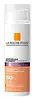
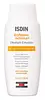
La Roche-Posay SPF 50+ Anthelios Pigment Correct Versus ISDIN Eryfotona Actinica Mineral Sunscreen SPF 50+ Zinc Oxide
This hybrid sunscreen covers the full UV range and blocks ~98% of UVB at SPF 50.
This mineral sunscreen covers the full UV range and blocks ~98% of UVB at SPF 50.


What's inside
What's inside
 Key Ingredients
Benefits
Concerns
Ingredients Side-by-side
Water
Skin ConditioningGlycerin
Humectant


Propanediol
Solvent
Caprylic/Capric Triglyceride
Masking
Ethylhexyl Salicylate
UV Absorber

C12-15 Alkyl Benzoate
AntimicrobialAlcohol Denat.
Antimicrobial




Bis-Ethylhexyloxyphenol Methoxyphenyl Triazine
UV Absorber
Titanium Dioxide
Cosmetic Colorant
CI 77891
Cosmetic ColorantButyl Methoxydibenzoylmethane
UV Absorber
Drometrizole Trisiloxane
UV Absorber
Styrene/Acrylates Copolymer
Dimethicone
Emollient
CI 77492
Cosmetic ColorantIron Oxides
Zea Mays Starch
Absorbent
Propylene Glycol
Humectant
Synthetic Wax
Abrasive

Diethylhexyl Butamido Triazone
UV Absorber
Potassium Cetyl Phosphate
EmulsifyingNiacinamide
Smoothing








Tocopherol
Antioxidant

Aluminum Hydroxide
EmollientAmmonium Polyacryloyldimethyl Taurate
Emulsion StabilisingButyrospermum Parkii Butter
Skin Conditioning

Caprylyl Glycol
Emollient
CI 77491
Cosmetic ColorantCI 77499
Cosmetic ColorantCitric Acid
Buffering
Glyceryl Stearate
Emollient
Hydroxypropyl Methylcellulose
Emulsion StabilisingMyristic Acid
Cleansing
2-Oleamido-1,3-Octadecanediol
Skin ConditioningPalmitic Acid
Emollient
PEG-100 Stearate
Surfactant
PEG-8 Laurate
Emulsifying
Sodium Chloride
MaskingSodium Dodecylbenzenesulfonate
CleansingStearic Acid
Cleansing
Triethanolamine
BufferingTrisodium Ethylenediamine Disuccinate
ChelatingWater, Glycerin, Propanediol, Caprylic/Capric Triglyceride, Ethylhexyl Salicylate, C12-15 Alkyl Benzoate, Alcohol Denat., Bis-Ethylhexyloxyphenol Methoxyphenyl Triazine, Titanium Dioxide, CI 77891, Butyl Methoxydibenzoylmethane, Drometrizole Trisiloxane, Styrene/Acrylates Copolymer, Dimethicone, CI 77492, Iron Oxides, Zea Mays Starch, Propylene Glycol, Synthetic Wax, Diethylhexyl Butamido Triazone, Potassium Cetyl Phosphate, Niacinamide, Tocopherol, Aluminum Hydroxide, Ammonium Polyacryloyldimethyl Taurate, Butyrospermum Parkii Butter, Caprylyl Glycol, CI 77491, CI 77499, Citric Acid, Glyceryl Stearate, Hydroxypropyl Methylcellulose, Myristic Acid, 2-Oleamido-1,3-Octadecanediol, Palmitic Acid, PEG-100 Stearate, PEG-8 Laurate, Sodium Chloride, Sodium Dodecylbenzenesulfonate, Stearic Acid, Triethanolamine, Trisodium Ethylenediamine Disuccinate
Zinc Oxide 11%
Cosmetic Colorant
Water
Skin ConditioningDiethylhexyl Carbonate
EmollientDibutyl Adipate
EmollientCyclopentasiloxane
Emollient
Dicaprylyl Carbonate
EmollientAlcohol Denat.
Antimicrobial
Cyclohexasiloxane
Emollient
Butylene Glycol
Humectant
PEG-30 Dipolyhydroxystearate
Emulsifying
Nylon-12
PEG-10 Dimethicone
Skin Conditioning
Dimethicone
Emollient
Sodium Chloride
MaskingPhenoxyethanol
Preservative
Disteardimonium Hectorite
StabilisingTriethoxycaprylylsilane
Tocopheryl Acetate
Antioxidant
Glyceryl Stearate
Emollient
Parfum
Masking

Bisabolol
Antioxidant
Disodium EDTA
ChelatingEthylhexylglycerin
Skin ConditioningPanthenol
Skin Conditioning
PEG-8
HumectantTocopherol
Antioxidant
Lecithin
Emollient
Plankton Extract
Skin ConditioningAscorbyl Palmitate
Antioxidant
Ascorbic Acid
Antioxidant
Citric Acid
Buffering
Zinc Oxide 11%, Water, Diethylhexyl Carbonate, Dibutyl Adipate, Cyclopentasiloxane, Dicaprylyl Carbonate, Alcohol Denat., Cyclohexasiloxane, Butylene Glycol, PEG-30 Dipolyhydroxystearate, Nylon-12, PEG-10 Dimethicone, Dimethicone, Sodium Chloride, Phenoxyethanol, Disteardimonium Hectorite, Triethoxycaprylylsilane, Tocopheryl Acetate, Glyceryl Stearate, Parfum, Bisabolol, Disodium EDTA, Ethylhexylglycerin, Panthenol, PEG-8, Tocopherol, Lecithin, Plankton Extract, Ascorbyl Palmitate, Ascorbic Acid, Citric Acid
Reviews
Ingredients Explained
These ingredients are found in both products.
Ingredients higher up in an ingredient list are typically present in a larger amount.
Alcohol Denat. is an alcohol with a denaturant property. It is created by mixing ethanol with other additives.
The "denat" part just means "denatured"; common denaturants include Denatonium Benzoate, t-butyl alcohol, and Diethyl Phthalate. This step makes the alcohol undrinkable (and lets brand skip taxes related to beverage alcohol).
This ingredient gets a bad rep because it is irritating and drying due to its astringent property. Astringents draw out natural oils in tissue to constrict pores and dry out your skin.
However, alcohol denat. is not all that bad.
Due to its low molecular weight, alcohol denat. tends to evaporate quickly. One study on pig skin found half of applied alcohol evaporated in 10 seconds and less than 3% stayed on skin.
This also helps other ingredients become better absorbed upon application.
Studies are conflicted about whether this ingredient causes skin dehydration. One study from 2005 found adding emollients to propanol-based sanitizer decreased skin dryness and irritation. Another study found irritation only occurs if your skin is already damaged.
Small amounts of alcohol are generally tolerated by oily skin or people who live in humid environments.
The rule of thumb is this ingredient will probably not affect your skin much if it is near the end of an ingredients list.
One thing to note:
People with ALDH2 (aldehyde dehydrogenase 2) deficiency may experience skin irritation from continued alcohol use. About 8% of the world's population have this deficiency.
The Cosmetic Ingredient Review Expert Panel has determined denatured alcohols to be safe for use in concentrations between 0.05% and 12% (depending on which denaturant is used).
Also...
This ingredient has antimicrobial and solvent properties.
The antimicrobial property helps preserve products and increase their shelf life. As a solvent, it helps dissolve other ingredients.
Look for formulas that contain glycerin, hyaluronic acid, or panthenol if you want to offset any drying effect.
This ingredient will trip away your skin's natural oils/lipids that help it lock in moisture. This can worsen dryness, trigger eczema flare-ups, and aggravate rosacea.
Be sure to patch test any product with this ingredient if you have dry or sensitive skin, eczema, or rosacea.
Learn more about Alcohol Denat.Citric Acid is an alpha hydroxy acid (AHA) naturally found in citrus fruits like oranges, lemons, and limes.
Like other AHAs, citric acid can exfoliate skin by breaking down the bonds that hold dead skin cells together. This helps reveal smoother and brighter skin underneath.
However, this exfoliating effect only happens at high concentrations (20%) which can be hard to find in cosmetic products.
Due to this, citric acid is usually included in small amounts as a pH adjuster. This helps keep products slightly more acidic and compatible with skin's natural pH.
In skincare formulas, citric acid can:
While it can provide some skin benefits, research shows lactic acid and glycolic acid are generally more effective and less irritating exfoliants.
Most citric acid used in skincare today is made by fermenting sugars (usually from molasses). This synthetic version is identical to the natural citrus form but easier to stabilize and use in formulations.
Rosacea skin has a lower threshold for acids generally, with 62.5% of rosacea subjects in one study reacting to lactic acid in a sting test. This is why we mark citric acid as a potential rosacea trigger.
However, this ingredient shows up as a pH adjuster or chelator at roughly 0.1-1% in many products. These low levels are unlikely to be an issue for rosacea skin and becomes a potential trigger at exfoliating concentrations (20%). Because everybody's skin is unique, we recommend a patch test if you are unsure.
Learn more about Citric AcidDimethicone is a type of synthetic silicone created from natural materials such as quartz. It is also known as polydimethylsiloxane.
What it does:
Dimethicone comes in different viscosities:
Depending on the viscosity, dimethicone has different properties.
Ingredients lists don't always show which type is used, so we recommend reaching out to the brand if you have questions about the viscosity.
This ingredient is unlikely to cause irritation because it does not get absorbed into skin. However, people with silicone allergies should be careful about using this ingredient.
Note: Dimethicone may contribute to pilling. This is because it is not oil or water soluble, so pilling may occur when layered with products. When mixed with heavy oils in a formula, the outcome is also quite greasy.
Learn more about DimethiconeGlyceryl Stearate is made by reacting glycerin with stearic acid (typically sourced from plant oils like palm or coconut). It's an emulsifier, emollient, and mild occlusive.
Emulsifiers help ingredients like oil and water stay mixed so your formula stays nicely blended and uniform in texture.
This ingredient is typically used in concentrations between 1-10%. Studies have found it to be non-sensitizing, non-phototoxic, and non-photoallergenic.
A close cousin of this ingredient is Glyceryl Stearate SE ("self-emulsifying"). This just has a small amount of sodium or potassium stearate added so it can emulsify without a co-emulsifier.
Since this ingredient is an ester of a C18 fatty acid, it may not be fungal acne safe. The Malassezia yeast can potentially metabolize within the C11-C24 range.
Fun fact: The human body also creates Glyceryl Stearate naturally.
Learn more about Glyceryl StearateChances are, you eat sodium chloride every day. Sodium Chloride is also known as table salt. This ingredient has many purposes in skincare: thickener, emulsifier, and exfoliator.
You'll most likely find this ingredient in cleansers where it is used to create a gel-like texture. As an emulsifier, it also prevents ingredients from separating.
You might see people debate whether Sodium Chloride is comedogenic, but there actually haven't been any comedogenic tests done on it. Either way, the overall formulation of a product matters a lot more than any single ingredient.
You might see this ingredient used in scrubs as a primary exfoliating ingredient.
Learn more about Sodium ChlorideTocopherol is a fat-soluble antioxidant known as Vitamin E.
You'll find this ingredient in the vast majority of skincare (for good reason). It works to neutralize free radicals, or unstable molecules generated by UV exposure, pollution, and other environmental stressors, before they can cause oxidative damage to your skin cells.
Topically applied tocopherol has been shown to protect against UV damage by ramping up the skin's own natural defense enzymes.
It also acts as a skin conditioning agent; some studies show that regular topical use can improve the skin's water-binding capacity over 2-4 weeks.
This ingredient is especially loved for being a team player. When combined with Vitamin C, the photoprotective effect of both ingredients roughly doubles and the combo also helps reduce UV-induced DNA damage.
This ingredient has some brightening potential but it's more of a prevention ingredient than spot-fader. Cell studies show it can slow down melanin production but it's worth noting that it's not the most powerful brightener out there.
In formulations, it also serves as a stabilizer that helps protect other oxidation-prone ingredients from degrading.
Concentrations usually range from 0.1-1% in most leave-on products.
Learn more about TocopherolWater. It's the most common cosmetic ingredient of all. You'll usually see it at the top of ingredient lists, meaning that it makes up the largest part of the product.
So why is it so popular? Water most often acts as a solvent - this means that it helps dissolve other ingredients into the formulation.
You'll also recognize water as that liquid we all need to stay alive. If you see this, drink a glass of water. Remember to stay hydrated!
Learn more about Water

