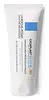
This chemical sunscreen covers the full UV range and blocks ~98% of UVB at SPF 50.
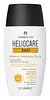
This mineral sunscreen covers the full UV range and blocks ~98% of UVB at SPF 50.


What's inside
What's inside
 Key Ingredients
Benefits
Concerns
Ingredients Side-by-side
Water
Skin ConditioningHomosalate
Skin Conditioning

Panthenol
Skin Conditioning




Ethylhexyl Salicylate
UV Absorber
Butyl Methoxydibenzoylmethane
UV Absorber
Octocrylene
UV Absorber

Alcohol Denat.
Antimicrobial


Bis-Ethylhexyloxyphenol Methoxyphenyl Triazine
Skin Conditioning
Styrene/Acrylates Copolymer
Ethylhexyl Triazone
UV Absorber
Triethanolamine
BufferingDimethicone
Emollient
Phenylbenzimidazole Sulfonic Acid
UV Absorber
PEG-8 Laurate
Emulsifying
Sorbitan Oleate
Emulsifying
Zinc Gluconate
Skin Conditioning



Madecassoside
Antioxidant


Manganese Gluconate
Skin ConditioningIsohexadecane
EmollientSodium Acrylates Crosspolymer-2
AbsorbentSilica
Abrasive
2-Oleamido-1,3-Octadecanediol
Skin ConditioningPerlite
Absorbent
Drometrizole Trisiloxane
UV Absorber
Poloxamer 338
EmulsifyingDisodium EDTA
Copper Gluconate
Skin Conditioning
Caprylyl Glycol
Emollient
Polysorbate 80
Emulsifying
Acrylamide/Sodium Acryloyldimethyltaurate Copolymer
Emulsion StabilisingAcrylates/C10-30 Alkyl Acrylate Crosspolymer
Emulsion StabilisingBHT
Antioxidant
Tocopherol
Antioxidant


Phenoxyethanol
Preservative
Water, Homosalate, Panthenol, Ethylhexyl Salicylate, Butyl Methoxydibenzoylmethane, Octocrylene, Alcohol Denat., Bis-Ethylhexyloxyphenol Methoxyphenyl Triazine, Styrene/Acrylates Copolymer, Ethylhexyl Triazone, Triethanolamine, Dimethicone, Phenylbenzimidazole Sulfonic Acid, PEG-8 Laurate, Sorbitan Oleate, Zinc Gluconate, Madecassoside, Manganese Gluconate, Isohexadecane, Sodium Acrylates Crosspolymer-2, Silica, 2-Oleamido-1,3-Octadecanediol, Perlite, Drometrizole Trisiloxane, Poloxamer 338, Disodium EDTA, Copper Gluconate, Caprylyl Glycol, Polysorbate 80, Acrylamide/Sodium Acryloyldimethyltaurate Copolymer, Acrylates/C10-30 Alkyl Acrylate Crosspolymer, BHT, Tocopherol, Phenoxyethanol
Water
Skin ConditioningDimethicone
Emollient
Isododecane
EmollientC12-15 Alkyl Benzoate
AntimicrobialHydrogenated Polydecene
EmollientTitanium Dioxide
Cosmetic Colorant
Zinc Oxide
Cosmetic Colorant
Butyloctyl Salicylate
Skin Conditioning
Alumina
Abrasive
Styrene/Acrylates Copolymer
Phenethyl Benzoate
Emollient

PEG-9 Polydimethylsiloxyethyl Dimethicone
Emulsifying
Nylon-12
Polypodium Leucotomos Leaf Extract
Skin Protecting
Ferulic Acid
Antimicrobial
Caffeic Acid
Antioxidant
Physalis Angulata Extract
Skin ProtectingCaprylyl Glycol
Emollient
Melanin
Skin ProtectingCamellia Sinensis Extract
Antioxidant
Plankton Extract
Skin Conditioning3-O-Ethyl Ascorbic Acid
Skin Conditioning
Isohexadecane
EmollientHydrogen Dimethicone
Phenylpropanol
Masking
Polyhydroxystearic Acid
Emulsifying
Magnesium Sulfate
Tocopheryl Acetate
Antioxidant
Dimethicone/PEG-10/15 Crosspolymer
Propanediol
Solvent
Triethoxycaprylylsilane
Propylene Carbonate
SolventCaprylic/Capric Triglyceride
Masking
Panthenyl Triacetate
Butylene Glycol
Humectant
Propylene Glycol
Humectant
Arginine
Masking
Ethyl Linoleate
Emollient
Oleyl Alcohol
Emollient
Pentylene Glycol
Skin Conditioning
Oxothiazolidine
Skin ProtectingDipropylene Glycol
HumectantSodium Citrate
BufferingPalmitoyl Hydroxypropyltrimonium Amylopectin/Glycerin Crosspolymer
Skin Conditioning1,2-Hexanediol
Skin Conditioning
Lecithin
Emollient
Sodium Benzoate
Masking
Tocopherol
Antioxidant
Hydrogenated Lecithin
Emulsifying
Phenoxyethanol
Preservative
CI 77492
Cosmetic ColorantCI 77491
Cosmetic ColorantCI 77499
Cosmetic ColorantWater, Dimethicone, Isododecane, C12-15 Alkyl Benzoate, Hydrogenated Polydecene, Titanium Dioxide, Zinc Oxide, Butyloctyl Salicylate, Alumina, Styrene/Acrylates Copolymer, Phenethyl Benzoate, PEG-9 Polydimethylsiloxyethyl Dimethicone, Nylon-12, Polypodium Leucotomos Leaf Extract, Ferulic Acid, Caffeic Acid, Physalis Angulata Extract, Caprylyl Glycol, Melanin, Camellia Sinensis Extract, Plankton Extract, 3-O-Ethyl Ascorbic Acid, Isohexadecane, Hydrogen Dimethicone, Phenylpropanol, Polyhydroxystearic Acid, Magnesium Sulfate, Tocopheryl Acetate, Dimethicone/PEG-10/15 Crosspolymer, Propanediol, Triethoxycaprylylsilane, Propylene Carbonate, Caprylic/Capric Triglyceride, Panthenyl Triacetate, Butylene Glycol, Propylene Glycol, Arginine, Ethyl Linoleate, Oleyl Alcohol, Pentylene Glycol, Oxothiazolidine, Dipropylene Glycol, Sodium Citrate, Palmitoyl Hydroxypropyltrimonium Amylopectin/Glycerin Crosspolymer, 1,2-Hexanediol, Lecithin, Sodium Benzoate, Tocopherol, Hydrogenated Lecithin, Phenoxyethanol, CI 77492, CI 77491, CI 77499
Reviews
Ingredients Explained
These ingredients are found in both products.
Ingredients higher up in an ingredient list are typically present in a larger amount.
Caprylyl Glycol is a humectant, skin conditioner, emollient, and preservative booster derived from either caprylic acid or synthetically created.
Typical use levels vary from 0.3-1% as a preservative booster and go up to 2% to condition skin.
Because it is not a free-fatty acid, this ingredient is fungal acne safe (there's nothing for Malassezia to feed on).
Learn more about Caprylyl GlycolDimethicone is a type of synthetic silicone created from natural materials such as quartz. It is also known as polydimethylsiloxane.
What it does:
Dimethicone comes in different viscosities:
Depending on the viscosity, dimethicone has different properties.
Ingredients lists don't always show which type is used, so we recommend reaching out to the brand if you have questions about the viscosity.
This ingredient is unlikely to cause irritation because it does not get absorbed into skin. However, people with silicone allergies should be careful about using this ingredient.
Note: Dimethicone may contribute to pilling. This is because it is not oil or water soluble, so pilling may occur when layered with products. When mixed with heavy oils in a formula, the outcome is also quite greasy.
Learn more about DimethiconeIsohexadecane is added to enhance texture, emulsify, and to help cleanse. It is an isoparrafin. It is a component of petrolatum.
Due to its large size, Isohexadecane is not absorbed by the skin. Instead, it sits on top and acts as an emollient. Emollients help keep your skin soft and smooth by trapping moisture within.
Isohexadecane is often used in products designed to help oily skin. It is lightweight and non-greasy while helping to moisturize. When mixed with silicones, it gives a product a silky feel.
Learn more about IsohexadecanePhenoxyethanol is one of the most widely used preservatives in skincare (and for good reason!).
It has a large spectrum of antimicrobial activity and especially effective bacteria, yeast, and mold while only having a weak effect on your skin's natural microbiome.
On a cellular level, it disrupts the cell membranes of microbes by poking holes that make the cell leak. This shuts down the chemical reactions the microbe needs to make energy so it can no longer survive.
Another perk of this ingredient is that it stays functional across a wide pH range (3-10).
You'll often see it paired with boosters like Ethylhexylglycerin; one study showed that a 1:9 ratio of Ethylhexylglycerin to Phenoxyethanol damages bacterial membranes as effectively as doubling the Phenoxyethanol concentration on its own.
Typical use concentrations range from 0.3-1% depending on the formula, and this ingredient is capped at 1% int the EU.
Safety-wise, the fear mongering does not hold up to the evidence. The EU's Scientific Committee on Consumer Safety and FDA consider it safe as a preservative at up to 1%, including for children of all ages.
Adverse systemic effects only showed up in animal studies at exposures roughly 200x higher than what people get from cosmetics. And despite its very widespread use, this ingredient is a rare sensitizer and allergic reactions are uncommon.
Learn more about PhenoxyethanolThis ingredient is a synthetic polymer that mainly works as a film former. It creates a thin, flexible film on the surface of your skin. Once applied, it helps improves wear, durability, and resistance to water/smudging.
Due to its large molecule size, it sits on top of your skin rather than absorbing into it.
Tocopherol is a fat-soluble antioxidant known as Vitamin E.
You'll find this ingredient in the vast majority of skincare (for good reason). It works to neutralize free radicals, or unstable molecules generated by UV exposure, pollution, and other environmental stressors, before they can cause oxidative damage to your skin cells.
Topically applied tocopherol has been shown to protect against UV damage by ramping up the skin's own natural defense enzymes.
It also acts as a skin conditioning agent; some studies show that regular topical use can improve the skin's water-binding capacity over 2-4 weeks.
This ingredient is especially loved for being a team player. When combined with Vitamin C, the photoprotective effect of both ingredients roughly doubles and the combo also helps reduce UV-induced DNA damage.
This ingredient has some brightening potential but it's more of a prevention ingredient than spot-fader. Cell studies show it can slow down melanin production but it's worth noting that it's not the most powerful brightener out there.
In formulations, it also serves as a stabilizer that helps protect other oxidation-prone ingredients from degrading.
Concentrations usually range from 0.1-1% in most leave-on products.
Learn more about TocopherolWater. It's the most common cosmetic ingredient of all. You'll usually see it at the top of ingredient lists, meaning that it makes up the largest part of the product.
So why is it so popular? Water most often acts as a solvent - this means that it helps dissolve other ingredients into the formulation.
You'll also recognize water as that liquid we all need to stay alive. If you see this, drink a glass of water. Remember to stay hydrated!
Learn more about Water


