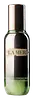
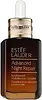
La Mer The Lifting Firming Serum Versus Estée Lauder Advanced Night Repair Synchronized Multi-Recovery Complex Serum
This anti-aging serum is formulated around Dipeptide Diaminobutyroyl Benzylamide Diacetate and Acetyl Hexapeptide-8 to soften the look of wrinkles.
This barrier-repair serum is formulated around Bifida Ferment Lysate and Sodium Hyaluronate to strengthen the skin barrier and soften the look of wrinkles.

What's inside
What's inside
 Key Ingredients
Benefits
Concerns
Ingredients Side-by-side
Water
Skin ConditioningDimethicone
Emollient

Algae Extract
Emollient

Methyl Trimethicone
Skin Conditioning
Trisiloxane
Skin Conditioning
Bis-PEG-18 Methyl Ether Dimethyl Silane
EmollientButylene Glycol
Humectant

Caprylic/Capric Triglyceride
Masking
PEG-10 Dimethicone
Skin Conditioning
Glycerin
Humectant
Saccharomyces/Rice Ferment Filtrate
Skin Conditioning

Isododecane
EmollientMaris Sal
Skin ConditioningIsopropyl Isostearate
Emollient
Sesamum Indicum Seed Oil
Emollient
Medicago Sativa Seed Powder
Skin ConditioningHelianthus Annuus Seedcake
Abrasive
Prunus Amygdalus Dulcis Seed Meal
Abrasive
Eucalyptus Globulus Leaf Oil
Perfuming



Sodium Gluconate
ChelatingCopper Gluconate
Skin Conditioning
Calcium Gluconate
HumectantMagnesium Gluconate
Skin ConditioningZinc Gluconate
Skin Conditioning



Tocopheryl Succinate
Antioxidant
Niacin
SmoothingSesamum Indicum Seed Powder
Skin ConditioningHydrogenated Polyisobutene
EmollientPorphyridium Cruentum Extract
Skin ConditioningIsohexadecane
EmollientAspergillus Ferment
Skin ConditioningFaex Extract
Skin ConditioningSodium Hyaluronate
Humectant


Sigesbeckia Orientalis Extract
Skin ConditioningCitrus Aurantifolia Peel Extract
Cleansing
Caffeine
Skin Conditioning
Squalane
Emollient
Citrullus Lanatus Fruit Extract
Skin Conditioning
Thermus Thermophillus Ferment
Skin ConditioningLens Esculenta Fruit Extract
Skin ConditioningPyrus Malus Fruit Extract
Skin Conditioning
Phoenix Dactylifera Fruit Extract
EmollientPullulan
Hordeum Distichon Extract
Skin ProtectingBrassica Campestris Sterols
EmollientTriticum Vulgare Germ Extract
Skin ConditioningSodium Lactate
Buffering
Laminaria Digitata Extract
Skin Protecting
Caprylyl Glycol
Emollient
Dipeptide Diaminobutyroyl Benzylamide Diacetate
Skin Conditioning
Sodium PCA
Humectant
Laminaria Saccharina Extract
Skin Protecting
Gold
Cosmetic ColorantEthylhexylglycerin
Skin ConditioningAcetyl Hexapeptide-8
Humectant
Prunus Persica Flower Extract
MoisturisingPeat Extract
Skin ConditioningPalmitoyl Hexapeptide-14
Skin Conditioning
Palmitoyl Hexapeptide-12
Skin Conditioning
PEG-8
HumectantHexylene Glycol
EmulsifyingDimethyl Isosorbide
SolventPropylene Carbonate
SolventAlcohol Denat.
Antimicrobial

CI 77120
Cosmetic ColorantSilica
Abrasive
Polyethylene
Abrasive
Disteardimonium Hectorite
StabilisingPolysilicone-11
Glyceryl Polymethacrylate
Hydroxypropyl Methylcellulose
Emulsion StabilisingParfum
Masking
Limonene
Perfuming
Linalool
Perfuming
Hydroxycitronellal
Perfuming
Geraniol
Perfuming
Citronellol
Perfuming
Benzyl Salicylate
Perfuming
Tocopherol
Antioxidant


BHT
Antioxidant
Magnesium Ascorbyl Phosphate
Antioxidant

Tocopheryl Acetate
Antioxidant
Disodium EDTA
ChelatingPhenoxyethanol
Preservative
Potassium Sorbate
Preservative
Sodium Benzoate
Masking
Mica
Cosmetic ColorantCI 19140
Cosmetic ColorantCI 14700
Cosmetic ColorantCI 17200
Cosmetic ColorantWater, Dimethicone, Algae Extract, Methyl Trimethicone, Trisiloxane, Bis-PEG-18 Methyl Ether Dimethyl Silane, Butylene Glycol, Caprylic/Capric Triglyceride, PEG-10 Dimethicone, Glycerin, Saccharomyces/Rice Ferment Filtrate, Isododecane, Maris Sal, Isopropyl Isostearate, Sesamum Indicum Seed Oil, Medicago Sativa Seed Powder, Helianthus Annuus Seedcake, Prunus Amygdalus Dulcis Seed Meal, Eucalyptus Globulus Leaf Oil, Sodium Gluconate, Copper Gluconate, Calcium Gluconate, Magnesium Gluconate, Zinc Gluconate, Tocopheryl Succinate, Niacin, Sesamum Indicum Seed Powder, Hydrogenated Polyisobutene, Porphyridium Cruentum Extract, Isohexadecane, Aspergillus Ferment, Faex Extract, Sodium Hyaluronate, Sigesbeckia Orientalis Extract, Citrus Aurantifolia Peel Extract, Caffeine, Squalane, Citrullus Lanatus Fruit Extract, Thermus Thermophillus Ferment, Lens Esculenta Fruit Extract, Pyrus Malus Fruit Extract, Phoenix Dactylifera Fruit Extract, Pullulan, Hordeum Distichon Extract, Brassica Campestris Sterols, Triticum Vulgare Germ Extract, Sodium Lactate, Laminaria Digitata Extract, Caprylyl Glycol, Dipeptide Diaminobutyroyl Benzylamide Diacetate, Sodium PCA, Laminaria Saccharina Extract, Gold, Ethylhexylglycerin, Acetyl Hexapeptide-8, Prunus Persica Flower Extract, Peat Extract, Palmitoyl Hexapeptide-14, Palmitoyl Hexapeptide-12, PEG-8, Hexylene Glycol, Dimethyl Isosorbide, Propylene Carbonate, Alcohol Denat., CI 77120, Silica, Polyethylene, Disteardimonium Hectorite, Polysilicone-11, Glyceryl Polymethacrylate, Hydroxypropyl Methylcellulose, Parfum, Limonene, Linalool, Hydroxycitronellal, Geraniol, Citronellol, Benzyl Salicylate, Tocopherol, BHT, Magnesium Ascorbyl Phosphate, Tocopheryl Acetate, Disodium EDTA, Phenoxyethanol, Potassium Sorbate, Sodium Benzoate, Mica, CI 19140, CI 14700, CI 17200
Water
Skin ConditioningBifida Ferment Lysate
Skin Conditioning
PEG-8
HumectantPropanediol
Solvent
Bis-PEG-18 Methyl Ether Dimethyl Silane
EmollientMethyl Gluceth-20
Humectant
Glycereth-26
Humectant
PEG-75
HumectantButylene Glycol
Humectant
Adansonia Digitata Seed Extract
Skin ConditioningTripeptide-32
Skin Conditioning
Sodium Hyaluronate
Humectant
Faex Extract
Skin ConditioningLactobacillus Ferment
Skin Conditioning
Cola Acuminata Seed Extract
Skin ConditioningAnthemis Nobilis Flower Extract
Masking
Hydrolyzed Algin
Pantethine
EmollientCaffeine
Skin Conditioning
Lecithin
Emollient
Sodium Rna
Skin ConditioningBisabolol
Antioxidant
Squalane
Emollient
Glycerin
Humectant
Oleth-3 Phosphate
SurfactantCaprylyl Glycol
Emollient
Oleth-3
Emulsifying
Oleth-5
Emulsifying
Choleth-24
EmulsifyingHydrogenated Lecithin
Emulsifying
Jojoba Wax PEG-120 Esters
Surfactant
Ceteth-24
CleansingTocopheryl Acetate
Antioxidant
Carbomer
Emulsion StabilisingTriethanolamine
BufferingTetrasodium EDTA
ChelatingBHT
Antioxidant
Xanthan Gum
EmulsifyingPotassium Sorbate
Preservative
Disodium EDTA
ChelatingPhenoxyethanol
Preservative
CI 14700
Cosmetic ColorantCI 19140
Cosmetic ColorantWater, Bifida Ferment Lysate, PEG-8, Propanediol, Bis-PEG-18 Methyl Ether Dimethyl Silane, Methyl Gluceth-20, Glycereth-26, PEG-75, Butylene Glycol, Adansonia Digitata Seed Extract, Tripeptide-32, Sodium Hyaluronate, Faex Extract, Lactobacillus Ferment, Cola Acuminata Seed Extract, Anthemis Nobilis Flower Extract, Hydrolyzed Algin, Pantethine, Caffeine, Lecithin, Sodium Rna, Bisabolol, Squalane, Glycerin, Oleth-3 Phosphate, Caprylyl Glycol, Oleth-3, Oleth-5, Choleth-24, Hydrogenated Lecithin, Jojoba Wax PEG-120 Esters, Ceteth-24, Tocopheryl Acetate, Carbomer, Triethanolamine, Tetrasodium EDTA, BHT, Xanthan Gum, Potassium Sorbate, Disodium EDTA, Phenoxyethanol, CI 14700, CI 19140
Reviews
Ingredients Explained
These ingredients are found in both products.
Ingredients higher up in an ingredient list are typically present in a larger amount.
BHT is a synthetic antioxidant and preservative.
As an antioxidant, it helps your body fight off free-radicals. Free-radicals are molecules that may damage your skin cells.
As a preservative, it is used to stabilize products and prevent them from degrading. Specifically, BHT prevents degradation from oxidation.
The concerns related to BHT come from oral studies; this ingredient is currently allowed for use by both the FDA and EU.
However, it was recently restricted for use in the UK as of April 2024.
Learn more about BHTBis-Peg-18 Methyl Ether Dimethyl Silane belongs to the siloxanes and silicones classes. It is synthetically created and has a waxy composition.
This ingredient is a humectant and emollient, meaning it helps hydrate the skin. Humectants draw moisture to your skin, while emollients prevent moisture from escaping.
Butylene Glycol (or BG) is used within cosmetic products for a few different reasons:
Overall, Butylene Glycol is a safe and well-rounded ingredient that works well with other ingredients.
Though this ingredient works well with most skin types, some people with sensitive skin may experience a reaction such as allergic rashes, closed comedones, or itchiness.
Learn more about Butylene GlycolCaffeine is a naturally occurring plant compound found in coffee beans, tea leaves, cocoa pods, and guarana.
As an antioxidant, caffeine protects your skin from free radical damage caused by UV exposure and envionrmnetal stressors.
Early research also shows that caffeine can help calm redness, soothe irritated skin, and support hair growth by stimulating microcirculation in the scalp.
You might have seen eye creams marketing caffeine as a depuffing ingredient. This is because it is a vasoconstrictor meaning it can temporarily constrict blood vessels, though clinical evidence for this specific use is still limited.
Most skincare products contain this ingredient at concentrations between 1-6%. It is able to penetrate skin easily regardless of skin type or thickness.
Just so you know, a very small number of case reports describe caffeine-induced allergy. This ingredient is generally well-tolerated, non-irritating, and non-sensitizing for the majority of people.
Learn more about CaffeineCaprylyl Glycol is a humectant, skin conditioner, emollient, and preservative booster derived from either caprylic acid or synthetically created.
Typical use levels vary from 0.3-1% as a preservative booster and go up to 2% to condition skin.
Because it is not a free-fatty acid, this ingredient is fungal acne safe (there's nothing for Malassezia to feed on).
Learn more about Caprylyl GlycolCi 14700, also known as Red No. 4, is a synthetic red dye derived from petroleum. It is water soluble.
CI 19140 is also known as Tartrazine. Tartrazine is a synthetic dye used in cosmetics, foods, and medicine to add a yellow color.
Tartrazine is created from petroleum and is water-soluble.
Some people may experience allergies from this dye, especially asthmatics and those with an aspirin intolerance.
Learn more about CI 19140Disodium EDTA is a chelating agent. It grabs onto and deactivates metal ions that sneak into your products from water, packaging, or air.
This ingredient mainly works behind the scenes and helps with:
On top of that, this ingredient can counteract the effects of hard water by binding to the minerals in it.
One thing worth knowing is that Disodium EDTA has been shown to be a mild penetration enhancer. It can help other ingredients absorb into skin more effectively which can be a double-edged sword (great for actives, but can also make the active too strong if you have sensitive skin).
Clinical patch testing showed no significant skin irritation at typical use concentrations and minimal dermal absorption.
You'll most likely see this ingredient near the end of an ingredient list. It's typically found in concentrations less than 1%.
Learn more about Disodium EDTAWe don't have a description for Faex Extract yet.
Glycerin (or glycerol) is a compound naturally found in your skin. It's a powerhouse humectant that pulls water into the stratum corneum.
Topically, glycerin does several things at once:
Your skin makes glycerin on its own (mostly from sebaceous oil breakdown) and shuttles it to your outermost layer of skin, or your epidermis, via aquaporin-3.
Aquaporin-3 is a transporter that is essential for normal skin hydration, elasticity, and repair. Interestingly, mice lacking in AQP3 have dry and less elastic skin that can be fully corrected with glycerin.
This ingredient is non-irritating, plays well with almost every ingredient, and works across all skin types. Typical use is anywhere between 3-10% but can go up to 79% in some leave-on products.
Just know very high concentrations (>40%) can feel tacky in low humidity.
Glycerin is the name for this ingredient in American English. British English uses Glycerol/Glycerine.
Learn more about GlycerinPEG-8 is a synthetic polymer used as a humectant and solvent.
This ingredient is able to help dissolve active ingredients, including water. This gives it humectant properties.
It is soluble in water. The number '8' stands for the molecular weight of the ingredient.
Learn more about PEG-8Phenoxyethanol is one of the most widely used preservatives in skincare (and for good reason!).
It has a large spectrum of antimicrobial activity and especially effective bacteria, yeast, and mold while only having a weak effect on your skin's natural microbiome.
On a cellular level, it disrupts the cell membranes of microbes by poking holes that make the cell leak. This shuts down the chemical reactions the microbe needs to make energy so it can no longer survive.
Another perk of this ingredient is that it stays functional across a wide pH range (3-10).
You'll often see it paired with boosters like Ethylhexylglycerin; one study showed that a 1:9 ratio of Ethylhexylglycerin to Phenoxyethanol damages bacterial membranes as effectively as doubling the Phenoxyethanol concentration on its own.
Typical use concentrations range from 0.3-1% depending on the formula, and this ingredient is capped at 1% int the EU.
Safety-wise, the fear mongering does not hold up to the evidence. The EU's Scientific Committee on Consumer Safety and FDA consider it safe as a preservative at up to 1%, including for children of all ages.
Adverse systemic effects only showed up in animal studies at exposures roughly 200x higher than what people get from cosmetics. And despite its very widespread use, this ingredient is a rare sensitizer and allergic reactions are uncommon.
Learn more about PhenoxyethanolPotassium Sorbate is a preservative used to prevent yeast and mold in products. It is commonly found in both cosmetic and food products.
This ingredient comes from potassium salt derived from sorbic acid. Sorbic acid is a natural antibiotic and effective against fungus.
Both potassium sorbate and sorbic acid can be found in baked goods, cheeses, dried meats, dried fruit, ice cream, pickles, wine, yogurt, and more.
You'll often find this ingredient used with other preservatives.
Learn more about Potassium SorbateSodium Hyaluronate is the salt form of hyaluronic acid. It is a long sugar chain that is naturally found in your skin, joints, and connective tissue that maintains hydration and elasticity.
In skincare, it works as a humectant. It pulls water from the environment and deeper layers of skin and binds it to the surface.
Interestingly, the size of the molecule affects its behavior:
Some clinical evidence links low molecular weight versions to improved wrinkle depth, elasticity, anti-inflammatory effects, and barrier repair.
Many serums use a blend of both weights so you can get surface hydration plus longer-lasting and deeper effects.
You'll typically see concentrations between 0.1-2% for this ingredient.
Learn more about Sodium HyaluronateSqualane is the hydrogenated and shelf-stable form of squalene (a lipid that naturally occurs in human sebum).
It is an emollient and skin conditioning agent that is able to integrate seamlessly into the skin's lipid barrier without clogging pores.
This is due to how structurally similar it is to what your skin already produces.
Though it is mostly an emollient that helps soften and hydrate skin, it also has some humectant and occlusive action. Humectants help the skin retain moisture while occlusives seal it in, making squalane a triple-threat moisturizer.
Research shows it has antioxidant capabilities that help protect against stressors like UV exposure, specifically UVA induced oxidative stress. This study also found that it supports collagen biosynthesis in human dermal fibroblasts.
No clinical study has reported significant adverse effects and irritation reactions are very rare from this ingredient (even at 100% concentration).
Overall, it's a fantastic ingredient for hydration and is suitable for all skin types.
This depends on the source. Squalane can be derived from both plants and animals. Most squalane used in skincare comes from plants.
Please note: the source of squalane is only known if disclosed by the brand. We recommend reaching out to the brand if you have any questions about their squalane.
Read more about squalene with an "e".
Though squalane is often called an oil, it’s technically not one. It is a hydrocarbon, meaning it is only made of carbon and hydrogen. True oils are triglycerides and made of fatty acids and glycerol.
The term “oil-free” isn’t regulated so companies can define it however they want. Some exclude all oils, while others just avoid mineral oil or comedogenic oils.
Squalane has a comedogenic rating of 1 from the original 1972 study that tested raw ingredients under occlusion on rabbit ears. This system is not standardized or peer-reviewed, and using the raw ingredients is very different from how diluted cosmetic formulations are used on human skin.
A comedogenic rating of 1 means it is "unlikely to clog pores" according to the original rating system.
The overall formula of a product matters more than the individual ingredients on whether or not it will cause clogged pores.
Learn more about SqualaneTocopheryl Acetate is a stable, shelf-friendly form of vitamin E.
Formulators love it because plain vitamin E oxidizes quickly once it hits air. This acetate version stays stable and resists going off, helping to extend a product's shelf life.
It's actually inactive on its own and works like a slow-release "storage" form; the enzymes in your skin called esterases gradually convert it into active vitamin E over time.
One in vivo study showed 5% of the acetate in the living layer of the epidermis converted to vitamin E after 5 days of application. This study also found the skin gained protection against UV damage even though the conversion was slow and small.
Once converted, vitamin E acts as a skin's main fat-soluble antioxidant that fights free radicals to protect skin from damage.
Topical vitamin E generally boosts the skin's photoprotection, and it reduced UV-damage in animal models.
This ingredient has some brightening potential but it's more of a prevention ingredient than spot-fader. Cell studies show it can slow down melanin production but it's worth noting that it's not the most powerful brightener out there.
Overall, it has a pretty solid safety profile and has been found to be non-irritating and non-comedogenic. Allergic reactions may happen but stay rare due to how widely the ingredient gets used.
The concentration will vary depending on the formula; industry data shows 0.1% in baby lotions, 3% in lipsticks, and 5% in foot powders. You can also find this ingredient at 100% in a pure vitamin E oil.
Most leave-on skincare keeps it at the lower end, often between 0.5-1%.
Learn more about Tocopheryl AcetateWater. It's the most common cosmetic ingredient of all. You'll usually see it at the top of ingredient lists, meaning that it makes up the largest part of the product.
So why is it so popular? Water most often acts as a solvent - this means that it helps dissolve other ingredients into the formulation.
You'll also recognize water as that liquid we all need to stay alive. If you see this, drink a glass of water. Remember to stay hydrated!
Learn more about Water

