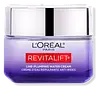
This anti-aging moisturizer is formulated around Niacinamide and Sodium Acetylated Hyaluronate to soften the look of wrinkles and hydrate skin.
This barrier-repair moisturizer is formulated around Panthenol and Centella Asiatica Extract to strengthen the skin barrier and calm redness.


What's inside
What's inside
 Key Ingredients
Benefits
Concerns
Ingredients Side-by-side
Water
Skin ConditioningPropylene Glycol
Humectant


Glycerin
Humectant

Dimethicone
Emollient
Alcohol Denat.
Antimicrobial


Octyldodecanol
Emollient
Caprylyl Methicone
Skin Conditioning
Betaine
Humectant
Niacinamide
Smoothing








Isohexadecane
EmollientHydroxypalmitoyl Sphinganine
Skin Conditioning
Sodium Acetylated Hyaluronate
Humectant
Sodium Hyaluronate
Humectant
Sodium Hydroxide
Buffering2-Oleamido-1,3-Octadecanediol
Skin ConditioningTocopheryl Acetate
Antioxidant

Ceramide NP
Skin Conditioning
Hydrogenated Lecithin
Emulsifying
Acrylates/C10-30 Alkyl Acrylate Crosspolymer
Emulsion StabilisingCarbomer
Emulsion StabilisingXanthan Gum
EmulsifyingDimethiconol
Emollient
Chlorphenesin
Antimicrobial
Phenoxyethanol
Preservative
Water, Propylene Glycol, Glycerin, Dimethicone, Alcohol Denat., Octyldodecanol, Caprylyl Methicone, Betaine, Niacinamide, Isohexadecane, Hydroxypalmitoyl Sphinganine, Sodium Acetylated Hyaluronate, Sodium Hyaluronate, Sodium Hydroxide, 2-Oleamido-1,3-Octadecanediol, Tocopheryl Acetate, Ceramide NP, Hydrogenated Lecithin, Acrylates/C10-30 Alkyl Acrylate Crosspolymer, Carbomer, Xanthan Gum, Dimethiconol, Chlorphenesin, Phenoxyethanol
Water
Skin ConditioningGlycerin
Humectant
Butylene Glycol
Humectant
Methyl Gluceth-20
Humectant
Dimethicone
Emollient
Cyclopentasiloxane
Emollient
1,2-Hexanediol
Skin Conditioning
Glycereth-26
Humectant
Polysorbate 80
Emulsifying
Diisostearyl Malate
EmollientLimnanthes Alba Seed Oil
Skin Conditioning
Panthenol
Skin Conditioning
Hydroxyethyl Acrylate/Sodium Acryloyldimethyl Taurate Copolymer
Emulsion StabilisingCetearyl Alcohol
Emollient


Centella Asiatica Extract
Cleansing
Propanediol
Solvent
Sorbitan Sesquioleate
Emulsifying
Squalane
Emollient
Dimethiconol
Emollient
Carbomer
Emulsion StabilisingPolyacrylate-13
Dimethicone/Vinyl Dimethicone Crosspolymer
Skin Conditioning
Tromethamine
BufferingPolyisobutene
Tocopheryl Acetate
Antioxidant
Polysorbate 60
Emulsifying
Ethylhexylglycerin
Skin ConditioningSorbitan Isostearate
Emulsifying
Polysorbate 20
Emulsifying
Disodium EDTA
Glyceryl Polyacrylate
Melia Azadirachta Leaf Extract
Skin ConditioningHyaluronic Acid
Humectant
Hydrolyzed Hyaluronic Acid
Humectant
Propolis Extract
Skin Conditioning
Sodium Hyaluronate
Humectant
Melia Azadirachta Flower Extract
Skin ConditioningCaprylic/Capric Triglyceride
Masking
Cinnamomum Cassia Bark Extract
Masking
Chrysanthemum Morifolium Flower Extract
Skin ConditioningLonicera Japonica Flower Extract
Skin ConditioningRehmannia Glutinosa Root Extract
Skin ConditioningCitrus Unshiu Peel Extract
MaskingZiziphus Jujuba Fruit Extract
Skin ConditioningCurcuma Longa Root Extract
Antioxidant
Glycyrrhiza Uralensis Root Extract
Skin Conditioning
Hydrogenated Lecithin
Emulsifying
Butyrospermum Parkii Butter
Skin Conditioning
Anthemis Nobilis Flower Extract
Masking
Ceramide NP
Skin Conditioning
Harpagophytum Procumbens Root Extract
Skin ConditioningScutellaria Baicalensis Root Extract
Astringent
Tocopherol
Antioxidant
Cholesterol
Emollient
Ceramide AP
Skin Conditioning
Ceramide Ns
Skin Conditioning
Ceramide As
Skin Conditioning
Eucalyptus Globulus Leaf Extract
Perfuming
Asiatic Acid
Skin Conditioning
Madecassic Acid
Skin Conditioning
Phytosphingosine
Skin Conditioning
Madecassoside
Antioxidant
Ceramide EOP
Skin Conditioning
Water, Glycerin, Butylene Glycol, Methyl Gluceth-20, Dimethicone, Cyclopentasiloxane, 1,2-Hexanediol, Glycereth-26, Polysorbate 80, Diisostearyl Malate, Limnanthes Alba Seed Oil, Panthenol, Hydroxyethyl Acrylate/Sodium Acryloyldimethyl Taurate Copolymer, Cetearyl Alcohol, Centella Asiatica Extract, Propanediol, Sorbitan Sesquioleate, Squalane, Dimethiconol, Carbomer, Polyacrylate-13, Dimethicone/Vinyl Dimethicone Crosspolymer, Tromethamine, Polyisobutene, Tocopheryl Acetate, Polysorbate 60, Ethylhexylglycerin, Sorbitan Isostearate, Polysorbate 20, Disodium EDTA, Glyceryl Polyacrylate, Melia Azadirachta Leaf Extract, Hyaluronic Acid, Hydrolyzed Hyaluronic Acid, Propolis Extract, Sodium Hyaluronate, Melia Azadirachta Flower Extract, Caprylic/Capric Triglyceride, Cinnamomum Cassia Bark Extract, Chrysanthemum Morifolium Flower Extract, Lonicera Japonica Flower Extract, Rehmannia Glutinosa Root Extract, Citrus Unshiu Peel Extract, Ziziphus Jujuba Fruit Extract, Curcuma Longa Root Extract, Glycyrrhiza Uralensis Root Extract, Hydrogenated Lecithin, Butyrospermum Parkii Butter, Anthemis Nobilis Flower Extract, Ceramide NP, Harpagophytum Procumbens Root Extract, Scutellaria Baicalensis Root Extract, Tocopherol, Cholesterol, Ceramide AP, Ceramide Ns, Ceramide As, Eucalyptus Globulus Leaf Extract, Asiatic Acid, Madecassic Acid, Phytosphingosine, Madecassoside, Ceramide EOP
Reviews
Ingredients Explained
These ingredients are found in both products.
Ingredients higher up in an ingredient list are typically present in a larger amount.
Carbomer is a synthetic thickening and gelling agent. It's basically the ingredient that gives a lot of serums, gels, creams, and sunscreens their smooth, non-sticky texture.
Although legally permitted at very high levels, carbomers are normally used at concentrations below 1%.
It also needs to be neutralized to actually thicken, and because it is a large molecule, it doesn't really penetrate the skin barrier.
Allergy-wise, the risk is very low. Clinical studies show carbomers have low potential for skin irritation/sensitization even at concentrations up to 100%.
A 2024 UK study patch-tested 1,302 patients and found true allergy to the parent group of carbomer to be rare with no confirmed relevant reactions.
Learn more about CarbomerCeramide NP (formerly known as Ceramide 3) is one of the skin's naturally occurring lipids.
Since ceramides are the major lipid components of the skin, they are crucial for maintaining skin barrier and hydration. Ceramide NP most closely mirrors the dominant kind in human skin amongst ceramide subtypes.
This ceramide works by slotting into gaps within the stratum corneum's lipid matrix to limit trans-epidermal water loss (TEWL) and shield the skin against external irritants.
A study with 312 patients found that using a ceramide-containing routine for 4 weeks reduced the severity of atopic dermatitis by over 61%.
Another clinical study in subjects aged 60 and older found that a ceramide body wash and moisturizer improved skin dryness and itchy skin in 15 days.
Overall, ceramides are considered non-irritating and safety tests have found little to no observable adverse effects from using this ingredient.
Ceramide NP is usually sourced from plants (like soybean or rice bran), or produced synthetically.
Learn more about Ceramide NPDimethicone is a type of synthetic silicone created from natural materials such as quartz. It is also known as polydimethylsiloxane.
What it does:
Dimethicone comes in different viscosities:
Depending on the viscosity, dimethicone has different properties.
Ingredients lists don't always show which type is used, so we recommend reaching out to the brand if you have questions about the viscosity.
This ingredient is unlikely to cause irritation because it does not get absorbed into skin. However, people with silicone allergies should be careful about using this ingredient.
Note: Dimethicone may contribute to pilling. This is because it is not oil or water soluble, so pilling may occur when layered with products. When mixed with heavy oils in a formula, the outcome is also quite greasy.
Learn more about DimethiconeDimethiconol is a silicone that resembles the popular dimethicone. Like other silicones, it is an emollient. Emollients create a thin film on skin to prevent moisture from escaping.
This ingredient helps to create a silky texture and improve spreadability. Due to its high molecular weight and thickness, it is often combined with cyclopentasiloxane.
Glycerin (or glycerol) is a compound naturally found in your skin. It's a powerhouse humectant that pulls water into the stratum corneum.
Topically, glycerin does several things at once:
Your skin makes glycerin on its own (mostly from sebaceous oil breakdown) and shuttles it to your outermost layer of skin, or your epidermis, via aquaporin-3.
Aquaporin-3 is a transporter that is essential for normal skin hydration, elasticity, and repair. Interestingly, mice lacking in AQP3 have dry and less elastic skin that can be fully corrected with glycerin.
This ingredient is non-irritating, plays well with almost every ingredient, and works across all skin types. Typical use is anywhere between 3-10% but can go up to 79% in some leave-on products.
Just know very high concentrations (>40%) can feel tacky in low humidity.
Glycerin is the name for this ingredient in American English. British English uses Glycerol/Glycerine.
Learn more about GlycerinHydrogenated Lecithin is a more stable version of lecithin.
It's made by taking lecithin (a phospholipid commonly found in soybeans and egg yolks) and hydrogenating it. This just means the unsaturated fatty acids are turned into saturated ones so they don't go bad as easily.
This ingredient is an emollient, emulsifier, and penetration enhancer. As an emollient, it helps soften and hydrate skin by trapping moisture within. As an emulsifier, it prevents oil and water ingredients from separating.
Hydrogenated Lecithin can form tiny spherical structures made of phospholipid bilayers called liposomes. These liposomes are able to capture compounds inside their structure and deliver them through the skin barrier.
Because phospholipids are a natural component of our cell membranes, this ingredient is inherently compatible with skin.
A 2021 study found lecithin-based surfactants were less harsh and more tolerable comared to Sodium Lauryl Sulfate (SLS).
Learn more about Hydrogenated LecithinSodium Hyaluronate is the salt form of hyaluronic acid. It is a long sugar chain that is naturally found in your skin, joints, and connective tissue that maintains hydration and elasticity.
In skincare, it works as a humectant. It pulls water from the environment and deeper layers of skin and binds it to the surface.
Interestingly, the size of the molecule affects its behavior:
Some clinical evidence links low molecular weight versions to improved wrinkle depth, elasticity, anti-inflammatory effects, and barrier repair.
Many serums use a blend of both weights so you can get surface hydration plus longer-lasting and deeper effects.
You'll typically see concentrations between 0.1-2% for this ingredient.
Learn more about Sodium HyaluronateTocopheryl Acetate is a stable, shelf-friendly form of vitamin E.
Formulators love it because plain vitamin E oxidizes quickly once it hits air. This acetate version stays stable and resists going off, helping to extend a product's shelf life.
It's actually inactive on its own and works like a slow-release "storage" form; the enzymes in your skin called esterases gradually convert it into active vitamin E over time.
One in vivo study showed 5% of the acetate in the living layer of the epidermis converted to vitamin E after 5 days of application. This study also found the skin gained protection against UV damage even though the conversion was slow and small.
Once converted, vitamin E acts as a skin's main fat-soluble antioxidant that fights free radicals to protect skin from damage.
Topical vitamin E generally boosts the skin's photoprotection, and it reduced UV-damage in animal models.
This ingredient has some brightening potential but it's more of a prevention ingredient than spot-fader. Cell studies show it can slow down melanin production but it's worth noting that it's not the most powerful brightener out there.
Overall, it has a pretty solid safety profile and has been found to be non-irritating and non-comedogenic. Allergic reactions may happen but stay rare due to how widely the ingredient gets used.
The concentration will vary depending on the formula; industry data shows 0.1% in baby lotions, 3% in lipsticks, and 5% in foot powders. You can also find this ingredient at 100% in a pure vitamin E oil.
Most leave-on skincare keeps it at the lower end, often between 0.5-1%.
Learn more about Tocopheryl AcetateWater. It's the most common cosmetic ingredient of all. You'll usually see it at the top of ingredient lists, meaning that it makes up the largest part of the product.
So why is it so popular? Water most often acts as a solvent - this means that it helps dissolve other ingredients into the formulation.
You'll also recognize water as that liquid we all need to stay alive. If you see this, drink a glass of water. Remember to stay hydrated!
Learn more about Water

