

What's inside
What's inside
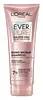 Key Ingredients
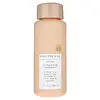
Benefits
Concerns
Ingredients Side-by-side
Water
Skin ConditioningDisodium Laureth Sulfosuccinate
CleansingCocamidopropyl Betaine
Cleansing


Sodium Cocoyl Isethionate
Cleansing
Ethanolamine
BufferingCitric Acid
Buffering

Sodium Lauryl Sulfoacetate
CleansingSodium Lauroyl Sarcosinate
CleansingGlycol Distearate
Emollient
Parfum
Masking

Decyl Glucoside
Cleansing
Sodium Chloride
MaskingPolyquaternium-10
Amodimethicone

PPG-5-Ceteth-20
EmulsifyingCoco-Betaine
Cleansing
PEG-55 Propylene Glycol Oleate
Surfactant
Propylene Glycol
Humectant
Carbomer
Emulsion StabilisingLinalool
Perfuming

Acrylates/Beheneth-25 Methacrylate Copolymer
Aloe Barbadensis Leaf Juice
Skin Conditioning

Hexyl Cinnamal
Perfuming
Benzoic Acid
Masking
Trideceth-6
EmulsifyingLimonene
Perfuming
Hydroxycitronellal
Perfuming
Salicylic Acid
Masking





Magnesium Nitrate
Geraniol
Perfuming
Cetrimonium Chloride
Antimicrobial
Helianthus Annuus Seed Oil
Emollient
Citronellol
Perfuming
Sodium Benzoate
Masking
Rosmarinus Officinalis Leaf Extract
AntimicrobialMethylchloroisothiazolinone
Preservative
Centella Asiatica Extract
Cleansing


Magnesium Chloride
Methylisothiazolinone
Preservative
Potassium Sorbate
Preservative
Tocopherol
Antioxidant


Water, Disodium Laureth Sulfosuccinate, Cocamidopropyl Betaine, Sodium Cocoyl Isethionate, Ethanolamine, Citric Acid, Sodium Lauryl Sulfoacetate, Sodium Lauroyl Sarcosinate, Glycol Distearate, Parfum, Decyl Glucoside, Sodium Chloride, Polyquaternium-10, Amodimethicone, PPG-5-Ceteth-20, Coco-Betaine, PEG-55 Propylene Glycol Oleate, Propylene Glycol, Carbomer, Linalool, Acrylates/Beheneth-25 Methacrylate Copolymer, Aloe Barbadensis Leaf Juice, Hexyl Cinnamal, Benzoic Acid, Trideceth-6, Limonene, Hydroxycitronellal, Salicylic Acid, Magnesium Nitrate, Geraniol, Cetrimonium Chloride, Helianthus Annuus Seed Oil, Citronellol, Sodium Benzoate, Rosmarinus Officinalis Leaf Extract, Methylchloroisothiazolinone, Centella Asiatica Extract, Magnesium Chloride, Methylisothiazolinone, Potassium Sorbate, Tocopherol
Water
Skin ConditioningSodium C14-16 Olefin Sulfonate
Cleansing
Cocamidopropyl Betaine
Cleansing
Parfum
Masking
Acrylates Copolymer
Glycol Stearate
Emollient
Panthenol
Skin Conditioning
Glycerin
Humectant
Cetearamidoethyldiethonium Succinoyl Hydrolyzed Pea Protein
CleansingHypnea Musciformis Extract
Skin ProtectingSargassum Filipendula Extract
Skin ProtectingGelidiella Acerosa Extract
Skin ProtectingChamomilla Recutita Flower Extract
Masking
Helianthus Annuus Seed Oil
Emollient
Mangifera Indica Seed Butter
Skin Conditioning
Persea Gratissima Oil
Skin Conditioning
Ricinus Communis Seed Oil
Masking
Coco-Glucoside
Cleansing
Algin
Masking
Carrageenan

Chitosan
Phenoxyethanol
Preservative
Cocamide Mipa
Emulsifying
Sodium Chloride
MaskingPolyquaternium-10
PEG-12 Dimethicone
Skin Conditioning
Caprylyl Glycol
Emollient
Sodium Benzoate
Masking
Ethylhexylglycerin
Skin ConditioningPolyquaternium-11
Disodium EDTA
PEG-12 Allyl Ether
PEG-12
HumectantIsopropanolamine
BufferingSorbitol
Humectant
Sodium Acetate
BufferingIsopropyl Alcohol
Solvent
Caprylic/Capric Triglyceride
Masking
Tocopherol
Antioxidant
Guar Hydroxypropyltrimonium Chloride
Skin ConditioningSorbitan Oleate
Emulsifying
Xanthan Gum
EmulsifyingWater, Sodium C14-16 Olefin Sulfonate, Cocamidopropyl Betaine, Parfum, Acrylates Copolymer, Glycol Stearate, Panthenol, Glycerin, Cetearamidoethyldiethonium Succinoyl Hydrolyzed Pea Protein, Hypnea Musciformis Extract, Sargassum Filipendula Extract, Gelidiella Acerosa Extract, Chamomilla Recutita Flower Extract, Helianthus Annuus Seed Oil, Mangifera Indica Seed Butter, Persea Gratissima Oil, Ricinus Communis Seed Oil, Coco-Glucoside, Algin, Carrageenan, Chitosan, Phenoxyethanol, Cocamide Mipa, Sodium Chloride, Polyquaternium-10, PEG-12 Dimethicone, Caprylyl Glycol, Sodium Benzoate, Ethylhexylglycerin, Polyquaternium-11, Disodium EDTA, PEG-12 Allyl Ether, PEG-12, Isopropanolamine, Sorbitol, Sodium Acetate, Isopropyl Alcohol, Caprylic/Capric Triglyceride, Tocopherol, Guar Hydroxypropyltrimonium Chloride, Sorbitan Oleate, Xanthan Gum
Reviews
Ingredients Explained
These ingredients are found in both products.
Ingredients higher up in an ingredient list are typically present in a larger amount.
Cocamidopropyl Betaine is a fatty acid created by mixing similar compounds in coconut oil and dimethylaminopropylamine, a compound with two amino groups.
This ingredient is a surfactant and cleanser. It helps gather the dirt, pollutants, and other impurities in your skin to be washed away. It also helps thicken a product and make the texture more creamy.
Being created from coconut oil means Cocamidopropyl Betaine is hydrating for the skin.
While Cocamidopropyl Betaine was believed to be an allergen, a study from 2012 disproved this. It found two compounds in unpure Cocamidopropyl Betaine to be the irritants: aminoamide and 3-dimethylaminopropylamine. High-grade and pure Cocamidopropyl Betaine did not induce allergic reactions during this study.
Learn more about Cocamidopropyl BetaineHelianthus Annuus Seed Oil is a plant oil derived from the seeds of a sunflower.
It is rich in fatty acids, primarily linoleic acid and oleic acid. This gives it emollient and skin conditioning properties.
The reason this ingredient is so effective is because it forms a thin film on the skin that reduces transepidermal water loss (TEWL) while supplying linoleic acid to the stratum corneum to improve barrier strength.
The high linoleic acid content is particularly noteworthy for acne-prone skin.
Research suggests that acne-prone skin tends to be deficient in linoleic acid in sebum. Topical application may help replenish this to support a healthier follicular environment and less comedone-promoting sebum.
One randomized study found sunflower seed oil preserved skin barrier integrity in adult volunteers with and without atopic dermatitis (outperforming olive oil).
This ingredient is well-studied, gentle, and an effective emollient suitable for most skin types.
On fungal acne: This ingredient may not be Fungal acne (Malassezia folliculitis) safe. This is because it contains fatty acids with carbon chain lengths in the C11-C24 range.
Learn more about Helianthus Annuus Seed OilParfum is a catch-all term for an ingredient or more that is used to give a scent to products.
Also called "fragrance", this ingredient can be a blend of hundreds of chemicals or plant oils. This means every product with "fragrance" or "parfum" in the ingredients list is a different mixture.
For instance, Habanolide is a proprietary trade name for a specific aroma chemical. When used as a fragrance ingredient in cosmetics, most aroma chemicals fall under the broad labeling category of “FRAGRANCE” or “PARFUM” according to EU and US regulations.
The term 'parfum' or 'fragrance' is not regulated in many countries. In many cases, it is up to the brand to define this term.
For instance, many brands choose to label themselves as "fragrance-free" because they are not using synthetic fragrances. However, their products may still contain ingredients such as essential oils that are considered a fragrance by INCI standards.
One example is Calendula flower extract. Calendula is an essential oil that still imparts a scent or 'fragrance'.
Depending on the blend, the ingredients in the mixture can cause allergies and sensitivities on the skin. Some ingredients that are known EU allergens include linalool and citronellol.
Parfum can also be used to mask or cover an unpleasant scent.
The bottom line is: not all fragrances/parfum/ingredients are created equally. If you are worried about fragrances, we recommend taking a closer look at an ingredient. And of course, we always recommend speaking with a professional.
Learn more about ParfumPolyquaternium-10 is an ammonium salt of hydroxyethylcellulose. It is a white and granular powder used as a film-former and anti-static agent.
This ingredient is commonly found in hair conditioning products. According to a manufacturer, its positive charge makes it great for absorbing hair proteins. The manufacturer also states this ingredient helps with curl retention.
For haircare friends: this ingredient is not a silicone.
Learn more about Polyquaternium-10Sodium Benzoate is a preservative. It's used in both cosmetic and food products to inhibit the growth of mold and bacteria. It is typically produced synthetically.
Both the US FDA and EU Health Committee have approved the use of sodium benzoate. In the US, levels of 0.1% (of the total product) are allowed.
Sodium benzoate works as a preservative by inhibiting the growth of bacteria inside of cells. It prevents the cell from fermenting a type of sugar using an enzyme called phosphofructokinase.
It is the salt of benzoic acid. Foods containing sodium benzoate include soda, salad dressings, condiments, fruit juices, wines, and snack foods.
Studies for using ascorbic acid and sodium benzoate in cosmetics are lacking, especially in skincare routines with multiple steps.
We always recommend speaking with a professional, such as a dermatologist, if you have any concerns.
Learn more about Sodium BenzoateChances are, you eat sodium chloride every day. Sodium Chloride is also known as table salt. This ingredient has many purposes in skincare: thickener, emulsifier, and exfoliator.
You'll most likely find this ingredient in cleansers where it is used to create a gel-like texture. As an emulsifier, it also prevents ingredients from separating.
You might see people debate whether Sodium Chloride is comedogenic, but there actually haven't been any comedogenic tests done on it. Either way, the overall formulation of a product matters a lot more than any single ingredient.
You might see this ingredient used in scrubs as a primary exfoliating ingredient.
Learn more about Sodium ChlorideTocopherol is a fat-soluble antioxidant known as Vitamin E.
You'll find this ingredient in the vast majority of skincare (for good reason). It works to neutralize free radicals, or unstable molecules generated by UV exposure, pollution, and other environmental stressors, before they can cause oxidative damage to your skin cells.
Topically applied tocopherol has been shown to protect against UV damage by ramping up the skin's own natural defense enzymes.
It also acts as a skin conditioning agent; some studies show that regular topical use can improve the skin's water-binding capacity over 2-4 weeks.
This ingredient is especially loved for being a team player. When combined with Vitamin C, the photoprotective effect of both ingredients roughly doubles and the combo also helps reduce UV-induced DNA damage.
This ingredient has some brightening potential but it's more of a prevention ingredient than spot-fader. Cell studies show it can slow down melanin production but it's worth noting that it's not the most powerful brightener out there.
In formulations, it also serves as a stabilizer that helps protect other oxidation-prone ingredients from degrading.
Concentrations usually range from 0.1-1% in most leave-on products.
Learn more about TocopherolWater. It's the most common cosmetic ingredient of all. You'll usually see it at the top of ingredient lists, meaning that it makes up the largest part of the product.
So why is it so popular? Water most often acts as a solvent - this means that it helps dissolve other ingredients into the formulation.
You'll also recognize water as that liquid we all need to stay alive. If you see this, drink a glass of water. Remember to stay hydrated!
Learn more about Water
