KAHI Wrinkle Bounce Moisturizing Multi Balm Stick Versus The Saem Snail Essential EX Wrinkle Solution Multi Stick
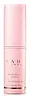
This anti-aging moisturizer is formulated around Helianthus Annuus Seed Oil and Adenosine to soften the look of wrinkles and hydrate skin.
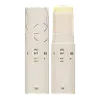
This anti-aging moisturizer is formulated around Butyrospermum Parkii Butter and Snail Secretion Filtrate to soften the look of wrinkles and hydrate skin.

What's inside
What's inside
 Key Ingredients
Benefits
Concerns
Ingredients Side-by-side
Helianthus Annuus Seed Oil
Emollient



Polyglyceryl-2 Triisostearate
Emulsifying
Euphorbia Cerifera Cera
Astringent
Butyrospermum Parkii Butter
Skin Conditioning



Prunus Amygdalus Dulcis Oil
Skin Conditioning
Pyrus Malus Seed Oil
Emollient
Octyldodecanol
Emollient
Microcrystalline Wax
Emulsion StabilisingEclipta Prostrata Extract
Skin Conditioning
Melia Azadirachta Leaf Extract
Skin ConditioningGlycyrrhiza Glabra Root Extract
Bleaching



Moringa Oleifera Seed Oil
Emollient
Candida/Garcinia Cambogia Ferment
Oryza Sativa Germ Oil
Emollient
Schisandra Chinensis Fruit Extract
Skin Conditioning
Curcuma Longa Root Extract
Antioxidant

Lithospermum Erythrorhizon Root Extract
Skin ConditioningCanola Oil
Emollient
Caesalpinia Spinosa Fruit Extract
Skin ProtectingChlorella Vulgaris Extract
Skin ConditioningKappaphycus Alvarezii Extract
Skin Conditioning
Daucus Carota Sativa Seed Oil
Emollient
Hydrolyzed Collagen
Emollient
Althaea Rosea Flower Extract
Skin ConditioningDaucus Carota Sativa Root Extract
Skin Conditioning
Tocopherol
Antioxidant
Adenosine
Skin Conditioning
Water
Skin ConditioningButylene Glycol
Humectant
1,2-Hexanediol
Skin Conditioning
Beta-Carotene
Skin ConditioningTocopheryl Acetate
Antioxidant
Ethylhexylglycerin
Skin ConditioningSoluble Proteoglycan
Skin ConditioningSodium DNA
Skin Conditioning
BHT
Antioxidant
Parfum
Masking

Benzyl Salicylate
Perfuming
Benzyl Benzoate
Antimicrobial
Butylphenyl Methylpropional
Perfuming
Hexyl Cinnamal
Perfuming
Hydroxycitronellal
Perfuming
Citronellol
Perfuming
Alpha-Isomethyl Ionone
Perfuming
Gardenia Florida Fruit Extract
Skin ConditioningHelianthus Annuus Seed Oil, Polyglyceryl-2 Triisostearate, Euphorbia Cerifera Cera, Butyrospermum Parkii Butter, Prunus Amygdalus Dulcis Oil, Pyrus Malus Seed Oil, Octyldodecanol, Microcrystalline Wax, Eclipta Prostrata Extract, Melia Azadirachta Leaf Extract, Glycyrrhiza Glabra Root Extract, Moringa Oleifera Seed Oil, Candida/Garcinia Cambogia Ferment, Oryza Sativa Germ Oil, Schisandra Chinensis Fruit Extract, Curcuma Longa Root Extract, Lithospermum Erythrorhizon Root Extract, Canola Oil, Caesalpinia Spinosa Fruit Extract, Chlorella Vulgaris Extract, Kappaphycus Alvarezii Extract, Daucus Carota Sativa Seed Oil, Hydrolyzed Collagen, Althaea Rosea Flower Extract, Daucus Carota Sativa Root Extract, Tocopherol, Adenosine, Water, Butylene Glycol, 1,2-Hexanediol, Beta-Carotene, Tocopheryl Acetate, Ethylhexylglycerin, Soluble Proteoglycan, Sodium DNA, BHT, Parfum, Benzyl Salicylate, Benzyl Benzoate, Butylphenyl Methylpropional, Hexyl Cinnamal, Hydroxycitronellal, Citronellol, Alpha-Isomethyl Ionone, Gardenia Florida Fruit Extract
Helianthus Annuus Seed Oil
Emollient
Polyglyceryl-2 Triisostearate
Emulsifying
Butyrospermum Parkii Butter
Skin Conditioning
Octyldodecanol
Emollient
Polyethylene
Abrasive
Euphorbia Cerifera Cera
Astringent
Microcrystalline Wax
Emulsion StabilisingDiisostearyl Malate
EmollientPrunus Amygdalus Dulcis Oil
Skin Conditioning
Tocopheryl Acetate
Antioxidant
Ricinus Communis Seed Oil
Masking
Monascus Extract
Skin ConditioningRoyal Jelly Extract
Skin Conditioning
Honey Extract
Humectant
Propolis Extract
Skin Conditioning

Oryza Sativa Extract
Absorbent
Hippophae Rhamnoides Fruit Oil
Skin Protecting
Camellia Sinensis Seed Oil
Humectant
Camellia Seed Oil
Argania Spinosa Kernel Oil
Emollient
Olea Europaea Fruit Oil
Masking
Macadamia Integrifolia Seed Oil
Skin Conditioning
Simmondsia Chinensis Seed Oil
Emollient
Soluble Collagen
Humectant
Bisabolol
Antioxidant
Tocopherol
Antioxidant
Water
Skin ConditioningButylene Glycol
Humectant
Ceramide NP
Skin Conditioning
Hyaluronic Acid
Humectant
1,2-Hexanediol
Skin Conditioning
Glycerin
Humectant
Snail Secretion Filtrate
Skin Conditioning
Caprylyl Glycol
Emollient
Acetyl Hexapeptide-8
Humectant
Copper Tripeptide-1
Skin Conditioning
Tripeptide-1
Skin Conditioning
Palmitoyl Pentapeptide-4
Skin Conditioning
Hexapeptide-9
Skin Conditioning
Parfum
Masking
Dehydroacetic Acid
Preservative
Helianthus Annuus Seed Oil, Polyglyceryl-2 Triisostearate, Butyrospermum Parkii Butter, Octyldodecanol, Polyethylene, Euphorbia Cerifera Cera, Microcrystalline Wax, Diisostearyl Malate, Prunus Amygdalus Dulcis Oil, Tocopheryl Acetate, Ricinus Communis Seed Oil, Monascus Extract, Royal Jelly Extract, Honey Extract, Propolis Extract, Oryza Sativa Extract, Hippophae Rhamnoides Fruit Oil, Camellia Sinensis Seed Oil, Camellia Seed Oil, Argania Spinosa Kernel Oil, Olea Europaea Fruit Oil, Macadamia Integrifolia Seed Oil, Simmondsia Chinensis Seed Oil, Soluble Collagen, Bisabolol, Tocopherol, Water, Butylene Glycol, Ceramide NP, Hyaluronic Acid, 1,2-Hexanediol, Glycerin, Snail Secretion Filtrate, Caprylyl Glycol, Acetyl Hexapeptide-8, Copper Tripeptide-1, Tripeptide-1, Palmitoyl Pentapeptide-4, Hexapeptide-9, Parfum, Dehydroacetic Acid
Reviews
Ingredients Explained
These ingredients are found in both products.
Ingredients higher up in an ingredient list are typically present in a larger amount.
1,2-Hexanediol is a synthetic liquid and another multi-functional powerhouse.
It is a:
- Humectant, drawing moisture into the skin
- Emollient, helping to soften skin
- Solvent, dispersing and stabilizing formulas
- Preservative booster, enhancing the antimicrobial activity of other preservatives
Butylene Glycol (or BG) is used within cosmetic products for a few different reasons:
Overall, Butylene Glycol is a safe and well-rounded ingredient that works well with other ingredients.
Though this ingredient works well with most skin types, some people with sensitive skin may experience a reaction such as allergic rashes, closed comedones, or itchiness.
Learn more about Butylene GlycolThis ingredient is also known as shea butter. It is a plant-derived extract from the nuts of the Africa shea tree and one of the most well-studied emollients.
Because it has a high concentration of fatty acids (primarily oleic, stearic, and linoleic) it is able to form a protective barrier on the skin's surface. This helps seal in moisture and prevents transepidermal water loss (TEWL).
In vitro research found an increase in skin hydration by 58% and a decrease in TEWL by 37.8% after 24 hours of applying this ingredient (pretty impressive for a single ingredient!).
Besides hydration, shea butter also contains triterpenes that have anti-inflammatory potential. In particule, lupeol cinnamate has shown the highest anti-inflammatory activity in vivo.
Shea butter also contains vitamins A and E which may contribute to antioxidant activity.
While Shea Butter has an SPF rating of about 3-4, it is not a sunscreen replacement.
This ingredient may not be fungal acne safe because its fatty acids fall within the C11-C24 range that the Malassezia yeast can metabolize.
This ingredient shows up on a lot of "pore-clogging" lists but there's no real evidence behind that. It doesn't even have a comedogenic rating from an actual study; the numbers you'll find online come from blogs citing other blogs.
Ratings for other ingredients mostly come from a 1980s rabbit ear test. This test doesn't translate well to human skin or to real products because the ingredient sits at a much lower percentage.
Some people still find it breaks them out. So if that's you, definitely trust your skin. Just know this one's based on experience and not evidence.
Learn more about Butyrospermum Parkii ButterEuphorbia Cerifera Cera (aka candelilla wax) is a vegan stand-in for beeswax. It is a plant-derived wax that functions as an astringent, emulsion stabilizer, film-former, and skin conditioner.
On skin, it forms a protective barrier that helps lock in moisture while it enhances product stability, prevents separation, and helps color last longer in makeup.
This ingredient is generally safe for use in cosmetics with one nuance: some grades of candelilla wax can naturally contain benzyl alcohol at concentrations high enough to require declaration under EU labeling rules. This isn't a concern for most people but relevant for those with fragrance sensitivities.
Candelilla wax contains fatty acids (mainly C31) and wax esters that can be used by the Malassezia yeast, so this ingredient may not be fungal acne safe.
You might see Euphorbia Cerifera "Wax" instead of "cera". This is because some brands, databases, or labels use it interchangeably; they're the same ingredient.
Learn more about Euphorbia Cerifera CeraHelianthus Annuus Seed Oil is a plant oil derived from the seeds of a sunflower.
It is rich in fatty acids, primarily linoleic acid and oleic acid. This gives it emollient and skin conditioning properties.
The reason this ingredient is so effective is because it forms a thin film on the skin that reduces transepidermal water loss (TEWL) while supplying linoleic acid to the stratum corneum to improve barrier strength.
The high linoleic acid content is particularly noteworthy for acne-prone skin.
Research suggests that acne-prone skin tends to be deficient in linoleic acid in sebum. Topical application may help replenish this to support a healthier follicular environment and less comedone-promoting sebum.
One randomized study found sunflower seed oil preserved skin barrier integrity in adult volunteers with and without atopic dermatitis (outperforming olive oil).
This ingredient is well-studied, gentle, and an effective emollient suitable for most skin types.
On fungal acne: This ingredient may not be Fungal acne (Malassezia folliculitis) safe. This is because it contains fatty acids with carbon chain lengths in the C11-C24 range.
Learn more about Helianthus Annuus Seed OilMicrocrystalline Wax is derived from petroleum through a de-oiling process, then highly refined and purified before use in cosmetics.
In skincare formulations, it is used to improve texture and create a smooth, even consistency. It also helps stabilize products by preventing ingredients from separating.
Octyldodecanol is a fatty alcohol sourced from plant oils like coconut or palm (or made synthetically).
It is:
You'll likely see this in many BHA products because this is the go-to solvent for salicylic acid.
This ingredient is typically used at levels between 2-20%.
Regarding fungal acne:
In 2019, this ingredient was tested against multiple Malassezia species (the yeast that causes fungal acne) and showed no growth.
Parfum is a catch-all term for an ingredient or more that is used to give a scent to products.
Also called "fragrance", this ingredient can be a blend of hundreds of chemicals or plant oils. This means every product with "fragrance" or "parfum" in the ingredients list is a different mixture.
For instance, Habanolide is a proprietary trade name for a specific aroma chemical. When used as a fragrance ingredient in cosmetics, most aroma chemicals fall under the broad labeling category of “FRAGRANCE” or “PARFUM” according to EU and US regulations.
The term 'parfum' or 'fragrance' is not regulated in many countries. In many cases, it is up to the brand to define this term.
For instance, many brands choose to label themselves as "fragrance-free" because they are not using synthetic fragrances. However, their products may still contain ingredients such as essential oils that are considered a fragrance by INCI standards.
One example is Calendula flower extract. Calendula is an essential oil that still imparts a scent or 'fragrance'.
Depending on the blend, the ingredients in the mixture can cause allergies and sensitivities on the skin. Some ingredients that are known EU allergens include linalool and citronellol.
Parfum can also be used to mask or cover an unpleasant scent.
The bottom line is: not all fragrances/parfum/ingredients are created equally. If you are worried about fragrances, we recommend taking a closer look at an ingredient. And of course, we always recommend speaking with a professional.
Learn more about ParfumPolyglyceryl-2 Triisostearate is a plant-derived emulsifier and pigment-dispersing agent with a non-sticky skin feel.
It helps products glide on smoothly and prevents oil and water from separating in a formula, making it suitable for sunscreen and makeup formulations.
The EU inventory of cosmetics has no use restrictions on this ingredient and it is considered well-tolerated.
This ingredient may not be fungal acne safe because it is derived from isostearic acid.
Learn more about Polyglyceryl-2 TriisostearateThis ingredient is also known as sweet almond oil. It is a lightweight, cold-pressed oil from the ripe seeds of the sweet almond tree.
Sweet almond oil is rich in skin-nourishing fatty acids such as oleic acid (55-86%) and linolenic acid (7-35%).
As an emollient, it softens and hydrates skin by forming a thin barrier that locks in moisture.
Clinical studies have found it to be non-irritating and non-sensitizing. The CIR Expert Panel has evaluated the available safety data and concluded it is safe for topical use.
Because of the oleic acid content, this ingredient may not be fungal acne safe.
This ingredient does have a comedogenic rating of 3, but this doesn't mean a formula with this ingredient will clog pores.
Human testing has proved that any finished product with a comedogenic ingredient won't automatically make you break out; it really comes down to concentration, formula, and your skin.
Learn more about Prunus Amygdalus Dulcis OilTocopherol is a fat-soluble antioxidant known as Vitamin E.
You'll find this ingredient in the vast majority of skincare (for good reason). It works to neutralize free radicals, or unstable molecules generated by UV exposure, pollution, and other environmental stressors, before they can cause oxidative damage to your skin cells.
Topically applied tocopherol has been shown to protect against UV damage by ramping up the skin's own natural defense enzymes.
It also acts as a skin conditioning agent; some studies show that regular topical use can improve the skin's water-binding capacity over 2-4 weeks.
This ingredient is especially loved for being a team player. When combined with Vitamin C, the photoprotective effect of both ingredients roughly doubles and the combo also helps reduce UV-induced DNA damage.
This ingredient has some brightening potential but it's more of a prevention ingredient than spot-fader. Cell studies show it can slow down melanin production but it's worth noting that it's not the most powerful brightener out there.
In formulations, it also serves as a stabilizer that helps protect other oxidation-prone ingredients from degrading.
Concentrations usually range from 0.1-1% in most leave-on products.
Learn more about TocopherolTocopheryl Acetate is a stable, shelf-friendly form of vitamin E.
Formulators love it because plain vitamin E oxidizes quickly once it hits air. This acetate version stays stable and resists going off, helping to extend a product's shelf life.
It's actually inactive on its own and works like a slow-release "storage" form; the enzymes in your skin called esterases gradually convert it into active vitamin E over time.
One in vivo study showed 5% of the acetate in the living layer of the epidermis converted to vitamin E after 5 days of application. This study also found the skin gained protection against UV damage even though the conversion was slow and small.
Once converted, vitamin E acts as a skin's main fat-soluble antioxidant that fights free radicals to protect skin from damage.
Topical vitamin E generally boosts the skin's photoprotection, and it reduced UV-damage in animal models.
This ingredient has some brightening potential but it's more of a prevention ingredient than spot-fader. Cell studies show it can slow down melanin production but it's worth noting that it's not the most powerful brightener out there.
Overall, it has a pretty solid safety profile and has been found to be non-irritating and non-comedogenic. Allergic reactions may happen but stay rare due to how widely the ingredient gets used.
The concentration will vary depending on the formula; industry data shows 0.1% in baby lotions, 3% in lipsticks, and 5% in foot powders. You can also find this ingredient at 100% in a pure vitamin E oil.
Most leave-on skincare keeps it at the lower end, often between 0.5-1%.
Learn more about Tocopheryl AcetateWater. It's the most common cosmetic ingredient of all. You'll usually see it at the top of ingredient lists, meaning that it makes up the largest part of the product.
So why is it so popular? Water most often acts as a solvent - this means that it helps dissolve other ingredients into the formulation.
You'll also recognize water as that liquid we all need to stay alive. If you see this, drink a glass of water. Remember to stay hydrated!
Learn more about Water

