KAHI Wrinkle Bounce Moisturizing Multi Balm Stick Versus Kosé One By Kose Wrinkle Double Repair Solid Serum Stick
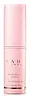
This anti-aging moisturizer is formulated around Helianthus Annuus Seed Oil and Adenosine to soften the look of wrinkles and hydrate skin.
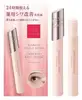
This anti-aging serum is formulated around Niacinamide and Astaxanthin to soften the look of wrinkles and strengthen the skin barrier.


What's inside
What's inside
 Key Ingredients
Benefits
Concerns
Ingredients Side-by-side
Helianthus Annuus Seed Oil
Emollient



Polyglyceryl-2 Triisostearate
Emulsifying
Euphorbia Cerifera Cera
Astringent
Butyrospermum Parkii Butter
Skin Conditioning



Prunus Amygdalus Dulcis Oil
Skin Conditioning
Pyrus Malus Seed Oil
Emollient
Octyldodecanol
Emollient
Microcrystalline Wax
Emulsion StabilisingEclipta Prostrata Extract
Skin Conditioning
Melia Azadirachta Leaf Extract
Skin ConditioningGlycyrrhiza Glabra Root Extract
Bleaching



Moringa Oleifera Seed Oil
Emollient
Candida/Garcinia Cambogia Ferment
Oryza Sativa Germ Oil
Emollient
Schisandra Chinensis Fruit Extract
Skin Conditioning
Curcuma Longa Root Extract
Antioxidant

Lithospermum Erythrorhizon Root Extract
Skin ConditioningCanola Oil
Emollient
Caesalpinia Spinosa Fruit Extract
Skin ProtectingChlorella Vulgaris Extract
Skin ConditioningKappaphycus Alvarezii Extract
Skin Conditioning
Daucus Carota Sativa Seed Oil
Emollient
Hydrolyzed Collagen
Emollient
Althaea Rosea Flower Extract
Skin ConditioningDaucus Carota Sativa Root Extract
Skin Conditioning
Tocopherol
Antioxidant
Adenosine
Skin Conditioning
Water
Skin ConditioningButylene Glycol
Humectant
1,2-Hexanediol
Skin Conditioning
Beta-Carotene
Skin ConditioningTocopheryl Acetate
Antioxidant
Ethylhexylglycerin
Skin ConditioningSoluble Proteoglycan
Skin ConditioningSodium DNA
Skin Conditioning
BHT
Antioxidant
Parfum
Masking

Benzyl Salicylate
Perfuming
Benzyl Benzoate
Antimicrobial
Butylphenyl Methylpropional
Perfuming
Hexyl Cinnamal
Perfuming
Hydroxycitronellal
Perfuming
Citronellol
Perfuming
Alpha-Isomethyl Ionone
Perfuming
Gardenia Florida Fruit Extract
Skin ConditioningHelianthus Annuus Seed Oil, Polyglyceryl-2 Triisostearate, Euphorbia Cerifera Cera, Butyrospermum Parkii Butter, Prunus Amygdalus Dulcis Oil, Pyrus Malus Seed Oil, Octyldodecanol, Microcrystalline Wax, Eclipta Prostrata Extract, Melia Azadirachta Leaf Extract, Glycyrrhiza Glabra Root Extract, Moringa Oleifera Seed Oil, Candida/Garcinia Cambogia Ferment, Oryza Sativa Germ Oil, Schisandra Chinensis Fruit Extract, Curcuma Longa Root Extract, Lithospermum Erythrorhizon Root Extract, Canola Oil, Caesalpinia Spinosa Fruit Extract, Chlorella Vulgaris Extract, Kappaphycus Alvarezii Extract, Daucus Carota Sativa Seed Oil, Hydrolyzed Collagen, Althaea Rosea Flower Extract, Daucus Carota Sativa Root Extract, Tocopherol, Adenosine, Water, Butylene Glycol, 1,2-Hexanediol, Beta-Carotene, Tocopheryl Acetate, Ethylhexylglycerin, Soluble Proteoglycan, Sodium DNA, BHT, Parfum, Benzyl Salicylate, Benzyl Benzoate, Butylphenyl Methylpropional, Hexyl Cinnamal, Hydroxycitronellal, Citronellol, Alpha-Isomethyl Ionone, Gardenia Florida Fruit Extract
Niacinamide
Smoothing




Polyglyceryl-2 Triisostearate
Emulsifying
Paraffinum Liquidum
Emollient
Triethylhexanoin
MaskingPolystyrene
Polyglyceryl-2 Diisostearate
Emulsifying
Polyethylene
Abrasive
Methicone
Emollient
Microcrystalline Wax
Emulsion StabilisingPropylene Glycol Dicaprate
EmollientPolysilicone-1 Crosspolymer
Skin Conditioning
Phytosteryl/Isostearyl/Cetyl/Stearyl/Behenyl Dimer Dilinoleate
Skin Conditioning
Paraffin
Skin Conditioning
Polymethylsilsesquioxane
Methyl/Phenyl Polysilsesquioxane
C13-14 Isoparaffin
Emollient
Cera Microcristallina
Emulsion StabilisingSilica
Abrasive
Triethoxycaprylylsilane
Tocopherol
Antioxidant
Astaxanthin
Skin Conditioning
Hydrolyzed Collagen
Emollient
Butyrospermum Parkii Butter
Skin Conditioning
Hydrolyzed Hyaluronic Acid
Humectant
Sodium Citrate
BufferingBHT
Antioxidant
Dipropylene Glycol
HumectantCaprylic/Capric Triglyceride
Masking
Squalane
Emollient
Parfum
Masking
CI 77491
Cosmetic ColorantCI 77499
Cosmetic ColorantTitanium Dioxide
Cosmetic Colorant

Niacinamide, Polyglyceryl-2 Triisostearate, Paraffinum Liquidum, Triethylhexanoin, Polystyrene, Polyglyceryl-2 Diisostearate, Polyethylene, Methicone, Microcrystalline Wax, Propylene Glycol Dicaprate, Polysilicone-1 Crosspolymer, Phytosteryl/Isostearyl/Cetyl/Stearyl/Behenyl Dimer Dilinoleate, Paraffin, Polymethylsilsesquioxane, Methyl/Phenyl Polysilsesquioxane, C13-14 Isoparaffin, Cera Microcristallina, Silica, Triethoxycaprylylsilane, Tocopherol, Astaxanthin, Hydrolyzed Collagen, Butyrospermum Parkii Butter, Hydrolyzed Hyaluronic Acid, Sodium Citrate, BHT, Dipropylene Glycol, Caprylic/Capric Triglyceride, Squalane, Parfum, CI 77491, CI 77499, Titanium Dioxide
Reviews
Alternatives
Ingredients Explained
These ingredients are found in both products.
Ingredients higher up in an ingredient list are typically present in a larger amount.
BHT is a synthetic antioxidant and preservative.
As an antioxidant, it helps your body fight off free-radicals. Free-radicals are molecules that may damage your skin cells.
As a preservative, it is used to stabilize products and prevent them from degrading. Specifically, BHT prevents degradation from oxidation.
The concerns related to BHT come from oral studies; this ingredient is currently allowed for use by both the FDA and EU.
However, it was recently restricted for use in the UK as of April 2024.
Learn more about BHTThis ingredient is also known as shea butter. It is a plant-derived extract from the nuts of the Africa shea tree and one of the most well-studied emollients.
Because it has a high concentration of fatty acids (primarily oleic, stearic, and linoleic) it is able to form a protective barrier on the skin's surface. This helps seal in moisture and prevents transepidermal water loss (TEWL).
In vitro research found an increase in skin hydration by 58% and a decrease in TEWL by 37.8% after 24 hours of applying this ingredient (pretty impressive for a single ingredient!).
Besides hydration, shea butter also contains triterpenes that have anti-inflammatory potential. In particule, lupeol cinnamate has shown the highest anti-inflammatory activity in vivo.
Shea butter also contains vitamins A and E which may contribute to antioxidant activity.
While Shea Butter has an SPF rating of about 3-4, it is not a sunscreen replacement.
This ingredient may not be fungal acne safe because its fatty acids fall within the C11-C24 range that the Malassezia yeast can metabolize.
This ingredient shows up on a lot of "pore-clogging" lists but there's no real evidence behind that. It doesn't even have a comedogenic rating from an actual study; the numbers you'll find online come from blogs citing other blogs.
Ratings for other ingredients mostly come from a 1980s rabbit ear test. This test doesn't translate well to human skin or to real products because the ingredient sits at a much lower percentage.
Some people still find it breaks them out. So if that's you, definitely trust your skin. Just know this one's based on experience and not evidence.
Learn more about Butyrospermum Parkii ButterHydrolyzed Collagen is Collagen (usually sourced from fish, bovine, or porcine byproducts) that's been broken down into smaller peptides. This makes it water-soluble and easy to blend into formulations.
In a formula, it works mainly as a skin-conditioning and moisturizing agent.
The small peptides and amino acids (including Natural Moisturizing Factor components like Hydroxyproline, Serine, and Aspartic Acid) help the surface of the skin hold onto water, feel softer, and look temporarily plumper.
This ingredient also has mild film-forming and antioxidant properties with research showing the antioxidant effect is stronger the lower the molecular weight of the peptides.
It's worth being realistic here:
Topically applied Hydrolyzed Collagen conditions the upper layers of skin rather than rebuilding the structural collagen deep in your dermis (the wrinkle-and-firmness benefits people associate with Collagen mostly come from oral supplements in studies, not topicals).
However, recent lab and skin-model work on Hydrolyzed Fish Collagen has shown promising effects on cell viability and wound healing when used as an active.
Typical concentrations range from 0.2-2%, but the percentage can go much higher in rinse-off or hair products (sometimes even above 50%).
Clinical studies on this ingredient showed no irritation, sensitization, or phototoxicity.
If you are looking for vegan collagen, it usually goes by a different INCI name like hydrolyzed soy protein. Vegan collagen is derived from yeast, bacteria, or plant sources.
The results are varied.
A study from 2021 found hydrolyzed collagen increased elasticity and improved wrinkles in 1,125 participants between age 20 and 70. Another study found increased skin thickness in participants between the ages of 45 to 59.
However, It is difficult to prove that oral collagen will end up working on your skin. Many of the studies using hydrolyzed collagen also add several vitamins and nutrients into the test mixture as well.
Further studies are needed at this time.
Learn more about Hydrolyzed CollagenMicrocrystalline Wax is derived from petroleum through a de-oiling process, then highly refined and purified before use in cosmetics.
In skincare formulations, it is used to improve texture and create a smooth, even consistency. It also helps stabilize products by preventing ingredients from separating.
Parfum is a catch-all term for an ingredient or more that is used to give a scent to products.
Also called "fragrance", this ingredient can be a blend of hundreds of chemicals or plant oils. This means every product with "fragrance" or "parfum" in the ingredients list is a different mixture.
For instance, Habanolide is a proprietary trade name for a specific aroma chemical. When used as a fragrance ingredient in cosmetics, most aroma chemicals fall under the broad labeling category of “FRAGRANCE” or “PARFUM” according to EU and US regulations.
The term 'parfum' or 'fragrance' is not regulated in many countries. In many cases, it is up to the brand to define this term.
For instance, many brands choose to label themselves as "fragrance-free" because they are not using synthetic fragrances. However, their products may still contain ingredients such as essential oils that are considered a fragrance by INCI standards.
One example is Calendula flower extract. Calendula is an essential oil that still imparts a scent or 'fragrance'.
Depending on the blend, the ingredients in the mixture can cause allergies and sensitivities on the skin. Some ingredients that are known EU allergens include linalool and citronellol.
Parfum can also be used to mask or cover an unpleasant scent.
The bottom line is: not all fragrances/parfum/ingredients are created equally. If you are worried about fragrances, we recommend taking a closer look at an ingredient. And of course, we always recommend speaking with a professional.
Learn more about ParfumPolyglyceryl-2 Triisostearate is a plant-derived emulsifier and pigment-dispersing agent with a non-sticky skin feel.
It helps products glide on smoothly and prevents oil and water from separating in a formula, making it suitable for sunscreen and makeup formulations.
The EU inventory of cosmetics has no use restrictions on this ingredient and it is considered well-tolerated.
This ingredient may not be fungal acne safe because it is derived from isostearic acid.
Learn more about Polyglyceryl-2 TriisostearateTocopherol is a fat-soluble antioxidant known as Vitamin E.
You'll find this ingredient in the vast majority of skincare (for good reason). It works to neutralize free radicals, or unstable molecules generated by UV exposure, pollution, and other environmental stressors, before they can cause oxidative damage to your skin cells.
Topically applied tocopherol has been shown to protect against UV damage by ramping up the skin's own natural defense enzymes.
It also acts as a skin conditioning agent; some studies show that regular topical use can improve the skin's water-binding capacity over 2-4 weeks.
This ingredient is especially loved for being a team player. When combined with Vitamin C, the photoprotective effect of both ingredients roughly doubles and the combo also helps reduce UV-induced DNA damage.
This ingredient has some brightening potential but it's more of a prevention ingredient than spot-fader. Cell studies show it can slow down melanin production but it's worth noting that it's not the most powerful brightener out there.
In formulations, it also serves as a stabilizer that helps protect other oxidation-prone ingredients from degrading.
Concentrations usually range from 0.1-1% in most leave-on products.
Learn more about Tocopherol

