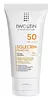
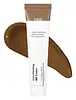
This chemical sunscreen covers the full UV range and blocks ~98% of UVB at SPF 50.


What's inside
What's inside
 Key Ingredients
Benefits
Concerns
Ingredients Side-by-side
Water
Skin ConditioningDibutyl Adipate
EmollientC12-15 Alkyl Benzoate
AntimicrobialDiethylamino Hydroxybenzoyl Hexyl Benzoate
UV Filter
Bis-Ethylhexyloxyphenol Methoxyphenyl Triazine
UV Absorber
Methylene Bis-Benzotriazolyl Tetramethylbutylphenol
UV Filter
Ethylhexyl Salicylate
UV Absorber
Ethylhexyl Stearate
Emollient




Silica
Abrasive


Ethylhexyl Triazone
UV Absorber
Glycerin
Humectant


Propanediol
Solvent
Diglycerin
Humectant
Neopentyl Glycol Diheptanoate
EmollientPotassium Cetyl Phosphate
EmulsifyingTocopheryl Acetate
Antioxidant


Panthenol
Skin Conditioning

Bis-Ethylhexyl Hydroxydimethoxy Benzylmalonate
Antioxidant
Phenoxyethanol
Preservative
Canola Oil
Emollient
Decyl Glucoside
Cleansing
Allantoin
Skin Conditioning
Propylene Glycol Dibenzoate
Skin ConditioningSucrose Stearate
EmollientVp/Eicosene Copolymer
Polyglycerin-3
Humectant
Polyglycerin-4
HumectantAcrylates/C10-30 Alkyl Acrylate Crosspolymer
Emulsion StabilisingXanthan Gum
EmulsifyingPropylene Glycol
Humectant
Citric Acid
Buffering
Sodium Benzoate
Masking
Water, Dibutyl Adipate, C12-15 Alkyl Benzoate, Diethylamino Hydroxybenzoyl Hexyl Benzoate, Bis-Ethylhexyloxyphenol Methoxyphenyl Triazine, Methylene Bis-Benzotriazolyl Tetramethylbutylphenol, Ethylhexyl Salicylate, Ethylhexyl Stearate, Silica, Ethylhexyl Triazone, Glycerin, Propanediol, Diglycerin, Neopentyl Glycol Diheptanoate, Potassium Cetyl Phosphate, Tocopheryl Acetate, Panthenol, Bis-Ethylhexyl Hydroxydimethoxy Benzylmalonate, Phenoxyethanol, Canola Oil, Decyl Glucoside, Allantoin, Propylene Glycol Dibenzoate, Sucrose Stearate, Vp/Eicosene Copolymer, Polyglycerin-3, Polyglycerin-4, Acrylates/C10-30 Alkyl Acrylate Crosspolymer, Xanthan Gum, Propylene Glycol, Citric Acid, Sodium Benzoate
Water
Skin ConditioningCI 77492
Cosmetic ColorantEthylhexyl Methoxycinnamate
UV Absorber
Butylene Glycol
Humectant
Cyclopentasiloxane
Emollient
Ethylhexyl Salicylate
UV Absorber
Lauryl Polyglyceryl-3 Polydimethylsiloxyethyl Dimethicone
Skin Conditioning
Hydrogenated Poly(C6-14 Olefin)
EmollientNiacinamide
Smoothing




Zinc Oxide
Cosmetic Colorant
Cyclohexasiloxane
Emollient
CI 77891
Cosmetic ColorantCI 77491
Cosmetic ColorantCI 77499
Cosmetic ColorantSodium Chloride
MaskingDisteardimonium Hectorite
StabilisingSorbitan Sesquioleate
Emulsifying
Mica
Cosmetic ColorantTriethoxycaprylylsilane
Zinc Stearate
Cosmetic ColorantDextrin Palmitate
Emulsifying
Caprylyl Glycol
Emollient
Panthenol
Skin Conditioning
Allantoin
Skin Conditioning
Centella Asiatica Extract
Cleansing
Dimethicone/Vinyl Dimethicone Crosspolymer
Skin Conditioning
Aluminum Hydroxide
EmollientCaprylhydroxamic Acid
ChelatingGlycerin
Humectant
Adenosine
Skin Conditioning
1,2-Hexanediol
Skin Conditioning
Tocopherol
Antioxidant
Madecassoside
Antioxidant
Asiaticoside
Antioxidant
Asiatic Acid
Skin Conditioning
Madecassic Acid
Skin Conditioning
Water, CI 77492, Ethylhexyl Methoxycinnamate, Butylene Glycol, Cyclopentasiloxane, Ethylhexyl Salicylate, Lauryl Polyglyceryl-3 Polydimethylsiloxyethyl Dimethicone, Hydrogenated Poly(C6-14 Olefin), Niacinamide, Zinc Oxide, Cyclohexasiloxane, CI 77891, CI 77491, CI 77499, Sodium Chloride, Disteardimonium Hectorite, Sorbitan Sesquioleate, Mica, Triethoxycaprylylsilane, Zinc Stearate, Dextrin Palmitate, Caprylyl Glycol, Panthenol, Allantoin, Centella Asiatica Extract, Dimethicone/Vinyl Dimethicone Crosspolymer, Aluminum Hydroxide, Caprylhydroxamic Acid, Glycerin, Adenosine, 1,2-Hexanediol, Tocopherol, Madecassoside, Asiaticoside, Asiatic Acid, Madecassic Acid
Reviews
Ingredients Explained
These ingredients are found in both products.
Ingredients higher up in an ingredient list are typically present in a larger amount.
Allantoin is a soothing ingredient known for its protective and moisturizing properties; it's basically a quiet workhorse ingredient you can find in a huge range of cosmetics.
Though it can be derived from the comfrey plant, allantoin is produced synthetically for cosmetic products to ensure purity.
Research shows it can encourage your skin cells to turn over and renew by stimulating keratinocyte and fibroblast proliferation.
It also has mild keratolytic properties to help loosen and shed dead skin cells without being harsh.
Studies also suggest allantoin can help calm inflammation by dialing down some of the chemical signals your skin sends out when it is irritated.
This ingredient is typically used in the 0.1-0.5% range, and the FDA recognizes it as a skin protectant in OTC products up to 2%.
Overall, allantoin is a wonderful addition to most routines; it is stable across a wide pH range (~4-8), works well with other ingredients, and is considered non-sensitizing/non-irritating.
Fun fact: Allantoin is naturally occurring in comfrey root, beets, chamomile, and wheat sprouts. Our bodies even produce it as a byproduct of uric acid metabolism.
Learn more about AllantoinEthylhexyl Salicylate (also called Octisalate or Octyl Salicylate) is an oil-soluble organic UV filter that's been used in sunscreen since the 1950's.
It absorbs UVB light in the 280-320 nm range with a peak absorbance around 306 nm.
You'll often see it paired with other UV filters to boost overall SPF because octisalate is a fairly week filter on its own.
The reason you'll see it so often is because it can help solubilize and stabilize the trickier filters like oxybenzone and avobenzone.
Unlike these filters, octisalate has pretty good photostability and doesn't create skin-damaging free radicals when exposed to sunlight.
The fatty-alcohol part of the molecule also gives it a light, emollient feel so it doubles as a nice texture enhancer.
Usage levels vary around the world:
Safety-wise, this ingredient has a pretty reassuring track record. The EU's Scientific Committee on Consumer Products (SCCP) found very low skin penetration in human skin tests and negative results for irritation, phototoxicity, and photoallergy.
The real-world allergy risk is pretty low too; a 2012 European study of 1,031 people recorded only 2 reactions to it (a rate of 0.19%).
You might have seen scary headlines about sunscreen getting into your blood.
In 2019, the FDA found that several chemical filters can absorb through the skin and show up in the bloodstream at small but measurable levels.
Here's the important part: these tiny levels are just a cutoff the FDA uses to decide which ingredients need more testing and doesn't mean anything harmful was found.
The researchers were clear that the results are no reason to stop wearing sunscreen.
Learn more about Ethylhexyl SalicylateGlycerin (or glycerol) is a compound naturally found in your skin. It's a powerhouse humectant that pulls water into the stratum corneum.
Topically, glycerin does several things at once:
Your skin makes glycerin on its own (mostly from sebaceous oil breakdown) and shuttles it to your outermost layer of skin, or your epidermis, via aquaporin-3.
Aquaporin-3 is a transporter that is essential for normal skin hydration, elasticity, and repair. Interestingly, mice lacking in AQP3 have dry and less elastic skin that can be fully corrected with glycerin.
This ingredient is non-irritating, plays well with almost every ingredient, and works across all skin types. Typical use is anywhere between 3-10% but can go up to 79% in some leave-on products.
Just know very high concentrations (>40%) can feel tacky in low humidity.
Glycerin is the name for this ingredient in American English. British English uses Glycerol/Glycerine.
Learn more about GlycerinPanthenol is a common ingredient that helps hydrate and soothe the skin. It is found naturally in our skin and hair.
There are two forms of panthenol: D and L.
D-panthenol is also known as dexpanthenol. Most cosmetics use dexpanthenol or a mixture of D and L-panthenol.
Panthenol is famous due to its ability to go deeper into the skin's layers. Using this ingredient has numerous pros (and no cons):
Like hyaluronic acid, panthenol is a humectant. Humectants are able to bind and hold large amounts of water to keep skin hydrated.
This ingredient works well for wound healing. It works by increasing tissue in the wound and helps close open wounds.
Once oxidized, panthenol converts to pantothenic acid. Panthothenic acid is found in all living cells.
This ingredient is also referred to as pro-vitamin B5.
Learn more about PanthenolWater. It's the most common cosmetic ingredient of all. You'll usually see it at the top of ingredient lists, meaning that it makes up the largest part of the product.
So why is it so popular? Water most often acts as a solvent - this means that it helps dissolve other ingredients into the formulation.
You'll also recognize water as that liquid we all need to stay alive. If you see this, drink a glass of water. Remember to stay hydrated!
Learn more about Water

