
What's inside
What's inside
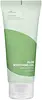 Key Ingredients
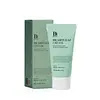
Benefits
Concerns
No concerns
Ingredients Side-by-side
Aloe Barbadensis Leaf Juice
Skin Conditioning


Water
Skin ConditioningButylene Glycol
Humectant
Glycerin
Humectant


Centella Asiatica Extract
Cleansing
Camellia Sinensis Leaf Extract
Antimicrobial

Glycyrrhiza Glabra Root Extract
Bleaching
Sodium Hyaluronate
Humectant
Betaine
Humectant
Trehalose
Humectant
Punica Granatum Extract
AstringentFicus Carica Fruit Extract
Humectant
Morus Alba Fruit Extract
Antioxidant
Luffa Cylindrica Fruit Extract
Skin ConditioningGinkgo Biloba Nut Extract
Skin ConditioningAloe Barbadensis Leaf Extract
Emollient
Hydrolyzed Hyaluronic Acid
Humectant
Hydroxypropyltrimonium Hyaluronate
Hyaluronic Acid
Humectant
Sodium Hyaluronate Crosspolymer
Humectant
Raspberry Ketone
Masking
Polyglutamic Acid
Skin Conditioning
Methylpropanediol
SolventAllantoin
Skin Conditioning
Panthenol
Skin Conditioning
Arginine
Masking
Benzyl Glycol
SolventHydroxyacetophenone
Antioxidant
Ethylhexylglycerin
Skin ConditioningCaprylyl Glycol
Emollient
Citric Acid
Buffering



Dipropylene Glycol
HumectantDipotassium Glycyrrhizate
Humectant
Carbomer
Emulsion Stabilising1,2-Hexanediol
Skin Conditioning
Aloe Barbadensis Leaf Juice, Water, Butylene Glycol, Glycerin, Centella Asiatica Extract, Camellia Sinensis Leaf Extract, Glycyrrhiza Glabra Root Extract, Sodium Hyaluronate, Betaine, Trehalose, Punica Granatum Extract, Ficus Carica Fruit Extract, Morus Alba Fruit Extract, Luffa Cylindrica Fruit Extract, Ginkgo Biloba Nut Extract, Aloe Barbadensis Leaf Extract, Hydrolyzed Hyaluronic Acid, Hydroxypropyltrimonium Hyaluronate, Hyaluronic Acid, Sodium Hyaluronate Crosspolymer, Raspberry Ketone, Polyglutamic Acid, Methylpropanediol, Allantoin, Panthenol, Arginine, Benzyl Glycol, Hydroxyacetophenone, Ethylhexylglycerin, Caprylyl Glycol, Citric Acid, Dipropylene Glycol, Dipotassium Glycyrrhizate, Carbomer, 1,2-Hexanediol
Water
Skin ConditioningHouttuynia Cordata Extract
Skin Conditioning
Caprylic/Capric Triglyceride
Masking
Glycerin
Humectant
Methylpropanediol
SolventCetyl Ethylhexanoate
EmollientBehenyl Alcohol
Emollient
Centella Asiatica Extract
Cleansing
Cetearyl Olivate
Sorbitan Olivate
Emulsifying
Butylene Glycol
Humectant
Allantoin
Skin Conditioning
Panthenol
Skin Conditioning
Vitis Vinifera Fruit Extract
Skin ConditioningDiospyros Kaki Leaf Extract
Skin Protecting
Polygonum Cuspidatum Root Extract
Antioxidant
Carthamus Tinctorius Flower Extract
Skin ConditioningCoffea Arabica Seed Extract
Masking
Betaine
Humectant
Trehalose
Humectant
Zanthoxylum Piperitum Fruit Extract
Skin ConditioningCamellia Sinensis Leaf Extract
Antimicrobial
Castanea Crenata Shell Extract
Skin ConditioningSodium Hyaluronate
Humectant
Adansonia Digitata Seed Oil
Emollient
Hydrogenated Lecithin
Emulsifying
Ceramide NP
Skin Conditioning
Cynanchum Atratum Extract
Skin ConditioningLavandula Angustifolia Extract
Skin Conditioning

Origanum Vulgare Flower/Leaf/Stem Extract
Skin ConditioningRosmarinus Officinalis Extract
AntimicrobialThymus Vulgaris Extract
Perfuming
Tocopherol
Antioxidant
Ceramide As
Skin Conditioning
Ceramide Ns
Skin Conditioning
Ceramide AP
Skin Conditioning
Ceramide EOP
Skin Conditioning
Hydroxyacetophenone
Antioxidant
Carbomer
Emulsion StabilisingArginine
Masking
1,2-Hexanediol
Skin Conditioning
Caprylyl Glycol
Emollient
Xanthan Gum
EmulsifyingEthylhexylglycerin
Skin ConditioningSodium Phytate
Water, Houttuynia Cordata Extract, Caprylic/Capric Triglyceride, Glycerin, Methylpropanediol, Cetyl Ethylhexanoate, Behenyl Alcohol, Centella Asiatica Extract, Cetearyl Olivate, Sorbitan Olivate, Butylene Glycol, Allantoin, Panthenol, Vitis Vinifera Fruit Extract, Diospyros Kaki Leaf Extract, Polygonum Cuspidatum Root Extract, Carthamus Tinctorius Flower Extract, Coffea Arabica Seed Extract, Betaine, Trehalose, Zanthoxylum Piperitum Fruit Extract, Camellia Sinensis Leaf Extract, Castanea Crenata Shell Extract, Sodium Hyaluronate, Adansonia Digitata Seed Oil, Hydrogenated Lecithin, Ceramide NP, Cynanchum Atratum Extract, Lavandula Angustifolia Extract, Origanum Vulgare Flower/Leaf/Stem Extract, Rosmarinus Officinalis Extract, Thymus Vulgaris Extract, Tocopherol, Ceramide As, Ceramide Ns, Ceramide AP, Ceramide EOP, Hydroxyacetophenone, Carbomer, Arginine, 1,2-Hexanediol, Caprylyl Glycol, Xanthan Gum, Ethylhexylglycerin, Sodium Phytate
Reviews
Ingredients Explained
These ingredients are found in both products.
Ingredients higher up in an ingredient list are typically present in a larger amount.
1,2-Hexanediol is a synthetic liquid and another multi-functional powerhouse.
It is a:
- Humectant, drawing moisture into the skin
- Emollient, helping to soften skin
- Solvent, dispersing and stabilizing formulas
- Preservative booster, enhancing the antimicrobial activity of other preservatives
Allantoin is a soothing ingredient known for its protective and moisturizingg properties. Because of this, it is often added to products with strong active ingredients.
Studies show higher concentrations of this ingredient can promote wound healing.
Though it can be derived from the comfrey plant, allantoin is produced synthetically for cosmetic products to ensure purity.
Learn more about AllantoinArginine is an amino acid that is important for human development. Your body uses is it to produce hair keratin and skin collagen.
As a cosmetic ingredient, Arginine has antioxidant properties and can also help repair damaged skin. This ingredient is derived either synthetically or from animals.
Arginine isn't fungal acne safe when used in the presence of other lipids (fats, fatty acids, oils, esters, etc). Oils and fats occur naturally within the skin, so take caution when using Arginine if you're prone to fungal acne.
Learn more about ArginineBetaine is a common humectant (a substance that promotes retention of moisture). It's known to be gentle on the skin and can help balance hydration.
This ingredient is best for improving hydration and soothing irritated skin. Studies also show it helps even out skin tone.
Fun fact: Betaine is naturally created in the skin and body. The kind found within cosmetic products can be either plant-derived or synthetic.
Another name for betaine is trimethylglycine.
Learn more about BetaineButylene Glycol (or BG) is used within cosmetic products for a few different reasons:
Overall, Butylene Glycol is a safe and well-rounded ingredient that works well with other ingredients.
Though this ingredient works well with most skin types, some people with sensitive skin may experience a reaction such as allergic rashes, closed comedones, or itchiness.
Learn more about Butylene GlycolCamellia Sinensis Leaf Extract is derived from the leaves of the tea plant. Black tea, green tea, and oolong tea are all harvested from this plant.
This ingredient has many skin benefits:
This ingredient contains polyphenols, a strong antioxidant. Antioxidants help fight off molecules that damage skin cells.
On top of that, the antioxidants in green tea neutralize free-radicals from the sun. This gives the skin some extra UV protection, but should not replace sunscreen.
Many components of tea have anti-inflammatory properties.
Polyphenols and L-theanine help soothe the skin and reduce irritation. The caffeine in Camellia Sinensis Leaf Extract helps calm inflamed blood vessels.
Other compounds found in tea include: Vitamin Bs, linoleic acid, magnesium, calcium, iron, and zinc.
Research has shown both drinking Camellia Sinensis Leaf Tea and applying it to the skin can help boost skin elasticity and hydration. Studies also show using tea extract may reduce sebum, or oil, production.
Learn more about Camellia Sinensis Leaf ExtractCaprylyl Glycol is a humectant and emollient, meaning it attracts and preserves moisture.
It is a common ingredient in many products, especially those designed to hydrate skin. The primary benefits are retaining moisture, skin softening, and promoting a healthy skin barrier.
Though Caprylyl Glycol is an alcohol derived from fatty acids, it is not the kind that can dry out skin.
This ingredient is also used as a preservative to extend the life of products. It has slight antimicrobial properties.
Learn more about Caprylyl GlycolCarbomer is a polymer of acrylic acid. Its main role is to create a gel consistency.
A high amount of carbomer can cause pilling or balling up of products. Don't worry, most products contain 1% or less of carbomer.
Centella Asiatica Extract (Centella) is derived from an herb native to Southeast Asia. It is famous for its anti-inflammatory and soothing properties.
Centella is rich in antioxidants and amino acids, such as Madecassic Acid and Asiaticoside.
Studies show the compounds in centella help with:
The combination of all these properties makes centella effective at soothing, hydrating, and protecting the skin.
Other great components of centella include Vitamin A, vitamin C, several B vitamins, and Asiatic Acid.
Fun fact: Centella has been used as a medicine and in food for many centuries. As a medicine, it is used to treat burns, scratches, and wounds.
Learn more about Centella Asiatica ExtractEthylhexylglycerin (we can't pronounce this either) is commonly used as a preservative and skin softener. It is derived from glyceryl.
You might see Ethylhexylglycerin often paired with other preservatives such as phenoxyethanol. Ethylhexylglycerin has been found to increase the effectiveness of these other preservatives.
Glycerin is already naturally found in your skin. It helps moisturize and protect your skin.
A study from 2016 found glycerin to be more effective as a humectant than AHAs and hyaluronic acid.
As a humectant, it helps the skin stay hydrated by pulling moisture to your skin. The low molecular weight of glycerin allows it to pull moisture into the deeper layers of your skin.
Hydrated skin improves your skin barrier; Your skin barrier helps protect against irritants and bacteria.
Glycerin has also been found to have antimicrobial and antiviral properties. Due to these properties, glycerin is often used in wound and burn treatments.
In cosmetics, glycerin is usually derived from plants such as soybean or palm. However, it can also be sourced from animals, such as tallow or animal fat.
This ingredient is organic, colorless, odorless, and non-toxic.
Glycerin is the name for this ingredient in American English. British English uses Glycerol/Glycerine.
Learn more about GlycerinHydroxyacetophenone is antioxidant with skin conditioning and soothing properties. It also boosts the efficiency of preservatives.
This ingredient is not irritating or sensitizing.
Methylpropanediol is a synthetic solvent and humectant.
As a solvent, it helps dissolve other ingredients, helping to evenly distribute ingredients throughout the product. This ingredient has also been shown to have antimicrobial properties which makes it a preservative booster.
Methylpropanediol is able to add a bit of moisture to the skin. It also helps other ingredients be better absorbed into the skin, such as salicylic acid.
Learn more about MethylpropanediolPanthenol is a common ingredient that helps hydrate and soothe the skin. It is found naturally in our skin and hair.
There are two forms of panthenol: D and L.
D-panthenol is also known as dexpanthenol. Most cosmetics use dexpanthenol or a mixture of D and L-panthenol.
Panthenol is famous due to its ability to go deeper into the skin's layers. Using this ingredient has numerous pros (and no cons):
Like hyaluronic acid, panthenol is a humectant. Humectants are able to bind and hold large amounts of water to keep skin hydrated.
This ingredient works well for wound healing. It works by increasing tissue in the wound and helps close open wounds.
Once oxidized, panthenol converts to pantothenic acid. Panthothenic acid is found in all living cells.
This ingredient is also referred to as pro-vitamin B5.
Learn more about PanthenolSodium Hyaluronate is hyaluronic acid's salt form. It is commonly derived from the sodium salt of hyaluronic acid.
Like hyaluronic acid, it is great at holding water and acts as a humectant. This makes it a great skin hydrating ingredient.
Sodium Hyaluronate is naturally occurring in our bodies and is mostly found in eye fluid and joints.
These are some other common types of Hyaluronic Acid:
Learn more about Sodium HyaluronateTrehalose is a disaccharide made of two glucose molecules (glucose is sugar!). Trehalose is used to help moisturize skin. It also has antioxidant properties.
As a humectant, trehalose helps draw moisture from the air to your skin. This helps keep your skin hydrated.
Due to its antioxidant properties, trehalose may help with signs of aging. Antioxidants help fight free-radical molecules, unstable molecules that may damage your skin.
In medicine, trehalose and hyaluronic acid are used to help treat dry eyes.
Some animals, plants, and bacteria create trehalose as a source of energy to survive freeze or lack of water.
Learn more about TrehaloseWater. It's the most common cosmetic ingredient of all. You'll usually see it at the top of ingredient lists, meaning that it makes up the largest part of the product.
So why is it so popular? Water most often acts as a solvent - this means that it helps dissolve other ingredients into the formulation.
You'll also recognize water as that liquid we all need to stay alive. If you see this, drink a glass of water. Stay hydrated!
Learn more about Water
