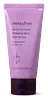
This anti-aging overnight mask is formulated around Niacinamide and Adenosine to soften the look of wrinkles.
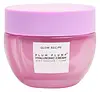
This barrier-repair moisturizer is formulated around Hyaluronic Acid and Polyglutamic Acid to strengthen the skin barrier and hydrate skin.


What's inside
What's inside
 Key Ingredients
Benefits
Concerns
Ingredients Side-by-side
Water
Skin ConditioningCyclopentasiloxane
Emollient
Propanediol
Solvent

Cyclohexasiloxane
Emollient
Glycerin
Humectant
Dimethicone
Emollient
Betaine
Humectant
PEG-10 Dimethicone
Skin Conditioning
Niacinamide
Smoothing








Polymethylsilsesquioxane
Dimethicone/Vinyl Dimethicone Crosspolymer
Skin Conditioning
Sodium Chloride
MaskingDimethiconol
Emollient
Glyceryl Caprylate
EmollientCaprylic/Capric Triglyceride
Masking
Parfum
Masking




Disodium EDTA
ChelatingEthylhexylglycerin
Skin ConditioningAdenosine
Skin Conditioning
Dextrin
AbsorbentTheobroma Cacao Extract
Skin ConditioningHyaluronic Acid
Humectant
Glucose
Humectant
Orchid Extract
Skin ConditioningRosa Canina Flower Oil
Emollient

Citrus Aurantium Dulcis Oil
Masking
Lavandula Angustifolia Oil
Masking
Tocopherol
Antioxidant

Water, Cyclopentasiloxane, Propanediol, Cyclohexasiloxane, Glycerin, Dimethicone, Betaine, PEG-10 Dimethicone, Niacinamide, Polymethylsilsesquioxane, Dimethicone/Vinyl Dimethicone Crosspolymer, Sodium Chloride, Dimethiconol, Glyceryl Caprylate, Caprylic/Capric Triglyceride, Parfum, Disodium EDTA, Ethylhexylglycerin, Adenosine, Dextrin, Theobroma Cacao Extract, Hyaluronic Acid, Glucose, Orchid Extract, Rosa Canina Flower Oil, Citrus Aurantium Dulcis Oil, Lavandula Angustifolia Oil, Tocopherol
Water
Skin ConditioningPropanediol
Solvent
Glycerin
Humectant
C13-15 Alkane
SolventCaprylic/Capric Triglyceride
Masking
C9-12 Alkane
SolventPrunus Domestica Seed Oil
Skin Conditioning
Pentylene Glycol
Skin Conditioning
Squalane
Emollient
Terminalia Ferdinandiana Seed Oil
Antioxidant
Hyaluronic Acid
Humectant
Sodium Acetylated Hyaluronate
Humectant
Sodium Hyaluronate
Humectant
Davidsonia Jerseyana Fruit Extract
Antioxidant
Terminalia Ferdinandiana Fruit Powder
Antioxidant
Podocarpus Elatus Fruit Extract
Skin ConditioningPolyglutamic Acid
Skin Conditioning
Pleiogynium Timoriense Fruit Extract
Skin ConditioningSodium Hyaluronate Crosspolymer
Humectant
Hydrolyzed Sodium Hyaluronate
Skin Conditioning
Epilobium Fleischeri Flower/Leaf/Stem Extract
Skin ConditioningNiacinamide
Smoothing
Acrylates/C10-30 Alkyl Acrylate Crosspolymer
Emulsion StabilisingXylitylglucoside
Humectant
Isononyl Isononanoate
EmollientCaprylyl Glycol
Emollient
Anhydroxylitol
Humectant
Cetearyl Alcohol
Emollient

Glyceryl Stearate
Emollient
Arginine
Masking
Ethylhexylglycerin
Skin ConditioningSodium Chloride
MaskingXylitol
Humectant
Stearic Acid
Cleansing
Tremella Fuciformis Polysaccharide
Emulsion Stabilising
Sodium Lauroyl Glutamate
SurfactantEclipta Prostrata Extract
Skin Conditioning
Glucose
Humectant
Potassium Phosphate
BufferingButylene Glycol
Humectant
Melia Azadirachta Leaf Extract
Skin ConditioningHydroxypropylcellulose
EmulsifyingAlaria Esculenta Extract
Skin Protecting
Sodium Phosphate
BufferingPotassium Chloride
Melia Azadirachta Flower Extract
Skin ConditioningCorallina Officinalis Extract
Skin Conditioning
1,2-Hexanediol
Skin Conditioning
Moringa Oleifera Seed Oil
Emollient
Coccinia Indica Fruit Extract
Skin Conditioning
Citric Acid
Buffering
Potassium Sorbate
Preservative
Solanum Melongena Fruit Extract
Skin ConditioningAloe Barbadensis Flower Extract
EmollientGluconolactone
Chelating
Simmondsia Chinensis Seed Oil
Emollient
Curcuma Longa Root Extract
Antioxidant
Ocimum Basilicum Flower/Leaf Extract
TonicOcimum Sanctum Leaf Extract
Skin ConditioningSilica
Abrasive
Sodium Hydroxide
BufferingSodium Benzoate
Masking
Phenoxyethanol
Preservative
Parfum
Masking
Water, Propanediol, Glycerin, C13-15 Alkane, Caprylic/Capric Triglyceride, C9-12 Alkane, Prunus Domestica Seed Oil, Pentylene Glycol, Squalane, Terminalia Ferdinandiana Seed Oil, Hyaluronic Acid, Sodium Acetylated Hyaluronate, Sodium Hyaluronate, Davidsonia Jerseyana Fruit Extract, Terminalia Ferdinandiana Fruit Powder, Podocarpus Elatus Fruit Extract, Polyglutamic Acid, Pleiogynium Timoriense Fruit Extract, Sodium Hyaluronate Crosspolymer, Hydrolyzed Sodium Hyaluronate, Epilobium Fleischeri Flower/Leaf/Stem Extract, Niacinamide, Acrylates/C10-30 Alkyl Acrylate Crosspolymer, Xylitylglucoside, Isononyl Isononanoate, Caprylyl Glycol, Anhydroxylitol, Cetearyl Alcohol, Glyceryl Stearate, Arginine, Ethylhexylglycerin, Sodium Chloride, Xylitol, Stearic Acid, Tremella Fuciformis Polysaccharide, Sodium Lauroyl Glutamate, Eclipta Prostrata Extract, Glucose, Potassium Phosphate, Butylene Glycol, Melia Azadirachta Leaf Extract, Hydroxypropylcellulose, Alaria Esculenta Extract, Sodium Phosphate, Potassium Chloride, Melia Azadirachta Flower Extract, Corallina Officinalis Extract, 1,2-Hexanediol, Moringa Oleifera Seed Oil, Coccinia Indica Fruit Extract, Citric Acid, Potassium Sorbate, Solanum Melongena Fruit Extract, Aloe Barbadensis Flower Extract, Gluconolactone, Simmondsia Chinensis Seed Oil, Curcuma Longa Root Extract, Ocimum Basilicum Flower/Leaf Extract, Ocimum Sanctum Leaf Extract, Silica, Sodium Hydroxide, Sodium Benzoate, Phenoxyethanol, Parfum
Reviews
Ingredients Explained
These ingredients are found in both products.
Ingredients higher up in an ingredient list are typically present in a larger amount.
Caprylic/Capric Triglyceride (aka MCT Oil) is a lightweight emollient, solvent, and texture enhancer. It is considered a skin-softener by helping to prevent moisture loss.
Though it behaves like an oil, it is not technically one due to its chemical composition. One perk of this ingredient is that it is very stable, resistant to oxidation, and unlikely to go rancid.
In practice, that translates to a long shelf life and a consistently elegant skin feel.
While there is an assumption Caprylic Triglyceride can clog pores due to it being derived from coconut oil, there is no research supporting this. Just patch test if you have concerns.
Fractionated coconut oil and MCT Oil are both listed as Caprylic/Capric Triglyceride according to INCI. This is because INCI names are based on the ingredient’s final chemical composition and not its marketing name or source.
This ingredient is treated as the gold standard fungal acne safe oil. Even though it is coconut derived, the problematic lauric acid is stripped out.
This leaves just caprylic (C8) and capric (C10) acid. These chain lengths actually trend antifungal; a 2020 study found caprylic acid was enough to disrupt Malassezia furfur cell membrane, with a caprylic acid derivative damaging membrane structures at concentrations as low as 0.2%.
Learn more about Caprylic/Capric TriglycerideEthylhexylglycerin is created from glycerin. It is a multitasker ingredient that:
The CIR Expert Panel found minimal skin absorption or sensitization of any kind in a safety assessment. Though this ingredient is considered well-tolerated, a small number of cases of allergic dermatitis have been published since 2002. Just be sure to patch test if you are unsure.
Industry-reported use ranges from 8% in rinse-off products and 2% in leave-on formulations.
Learn more about EthylhexylglycerinGlucose is a simple sugar (a monosaccharide). In skincare, it is mostly a humectant and skin conditioning agent.
Mechanistically, it has multiple hydroxyl groups that hydrogen-bond to water. This pulls moisture into the upper layers of skin to keep the surface soft and hydrated.
It's worth knowing sugars are already a natural component of the skin's NMF (natural moisturizing factor) so it's a molecule that your stratum corneum is well-acquainted with.
Just so you know, glucose is hydrophilic (water-loving) and the stratum corneum is a strong barrier to hydrophilic compounds. This just means penetration is slow and most of the action is happening on the surface.
Gram-to-gram, glucose is not as efficient as a humectant as glycerin. This is why you'll likely see glycose paired with stronger humectants for a bigger hydration payoff.
In skincare, glucose is typically derived from corn or other starch sources.
Learn more about GlucoseGlycerin (or glycerol) is a compound naturally found in your skin. It's a powerhouse humectant that pulls water into the stratum corneum.
Topically, glycerin does several things at once:
Your skin makes glycerin on its own (mostly from sebaceous oil breakdown) and shuttles it to your outermost layer of skin, or your epidermis, via aquaporin-3.
Aquaporin-3 is a transporter that is essential for normal skin hydration, elasticity, and repair. Interestingly, mice lacking in AQP3 have dry and less elastic skin that can be fully corrected with glycerin.
This ingredient is non-irritating, plays well with almost every ingredient, and works across all skin types. Typical use is anywhere between 3-10% but can go up to 79% in some leave-on products.
Just know very high concentrations (>40%) can feel tacky in low humidity.
Glycerin is the name for this ingredient in American English. British English uses Glycerol/Glycerine.
Learn more about GlycerinHyaluronic acid (HA) is a glycosaminoglycan (basically a long sugar chain) that your skin already makes on its own. In your skin, HA lives in the extracellular matrix and acts as the body's moisture reservoir.
Topically, HA is a humectant that binds water and helps skin look more plump, smooth, and hydrated.
The only catch is that HA isn't a single thing; it actually comes in a wide range of molecular weights (~50 - 2,000+ kDA) and size matters.
Some clinical evidence links low molecular weight versions to improved wrinkle depth, elasticity, anti-inflammatory effects, and barrier repair.
This is why the best HA serums blend the two sizes together so you get the best of both worlds.
The majority of cosmetic HA is produced by bacterial fermentation, typically using Streptococcus or Bacillus strains. Typical use levels in skincare sit around 0.1-2%.
A clinical study using a 0.2% low-molecular weight HA gel showed improvement in facial seborrheic dermatitis with excellent tolerance.
These are some other common types of Hyaluronic Acid:
Learn more about Hyaluronic AcidNiacinamide is a multitasking form of vitamin B3 that strengthens the skin barrier, reduces pores and dark spots, regulates oil, and improves signs of aging.
And the best part? It's gentle and well-tolerated by most skin types, including sensitive and reactive skin.
You might have heard of "niacin flush", or the reddening of skin that causes itchiness. Niacinamide has not been found to cause this.
In very rare cases, some individuals may not be able to tolerate niacinamide at all or experience an allergic reaction to it.
If you are experiencing flaking, irritation, and dryness with this ingredient, be sure to double check all your products as this ingredient can be found in all categories of skincare.
When incorporating niacinamide into your routine, look out for concentration amounts. Typically, 5% niacinamide provides benefits such as fading dark spots. However, if you have sensitive skin, it is better to begin with a smaller concentration.
When you apply niacinamide to your skin, your body converts it into nicotinamide adenine dinucleotide (NAD). NAD is an essential coenzyme that is already found in your cells as "fuel" and powers countless biological processes.
In your skin, NAD helps repair cell damage, produce new healthy cells, support collagen production, strengthen the skin barrier, and fight environmental stressors (like UV and pollution).
Our natural NAD levels start to decline with age, leading to slower skin repair, visible aging, and a weaker skin barrier. By providing your skin niacinamide, you're recharging your skin's NAD levels. This leads to stronger, healthier, and younger looking skin.
Another name for vitamin B3 is nicotinamide. This vitamin is water-soluble and our bodies don't store it. We obtain Vitamin B3 from either food or skincare. Meat, fish, wheat, yeast, and leafy greens contain vitamin B3.
The type of niacinamide used in skincare is synthetically created.
Learn more about NiacinamideParfum is a catch-all term for an ingredient or more that is used to give a scent to products.
Also called "fragrance", this ingredient can be a blend of hundreds of chemicals or plant oils. This means every product with "fragrance" or "parfum" in the ingredients list is a different mixture.
For instance, Habanolide is a proprietary trade name for a specific aroma chemical. When used as a fragrance ingredient in cosmetics, most aroma chemicals fall under the broad labeling category of “FRAGRANCE” or “PARFUM” according to EU and US regulations.
The term 'parfum' or 'fragrance' is not regulated in many countries. In many cases, it is up to the brand to define this term.
For instance, many brands choose to label themselves as "fragrance-free" because they are not using synthetic fragrances. However, their products may still contain ingredients such as essential oils that are considered a fragrance by INCI standards.
One example is Calendula flower extract. Calendula is an essential oil that still imparts a scent or 'fragrance'.
Depending on the blend, the ingredients in the mixture can cause allergies and sensitivities on the skin. Some ingredients that are known EU allergens include linalool and citronellol.
Parfum can also be used to mask or cover an unpleasant scent.
The bottom line is: not all fragrances/parfum/ingredients are created equally. If you are worried about fragrances, we recommend taking a closer look at an ingredient. And of course, we always recommend speaking with a professional.
Learn more about ParfumPropanediol is an all-star ingredient. It softens, hydrates, and smooths the skin.
It’s often used to:
Propanediol is not likely to cause sensitivity and considered safe to use. It is derived from corn or petroleum with a clear color and no scent.
Learn more about PropanediolChances are, you eat sodium chloride every day. Sodium Chloride is also known as table salt. This ingredient has many purposes in skincare: thickener, emulsifier, and exfoliator.
You'll most likely find this ingredient in cleansers where it is used to create a gel-like texture. As an emulsifier, it also prevents ingredients from separating.
You might see people debate whether Sodium Chloride is comedogenic, but there actually haven't been any comedogenic tests done on it. Either way, the overall formulation of a product matters a lot more than any single ingredient.
You might see this ingredient used in scrubs as a primary exfoliating ingredient.
Learn more about Sodium ChlorideWater. It's the most common cosmetic ingredient of all. You'll usually see it at the top of ingredient lists, meaning that it makes up the largest part of the product.
So why is it so popular? Water most often acts as a solvent - this means that it helps dissolve other ingredients into the formulation.
You'll also recognize water as that liquid we all need to stay alive. If you see this, drink a glass of water. Remember to stay hydrated!
Learn more about Water

