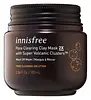
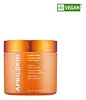
innisfree Super Volcanic Clusters Pore Clearing Clay Mask Versus APRILSKIN Real Carrotene Blemish Clear Vita Pad
This acne toner pad uses a pre-saturated pad with Niacinamide and Gluconolactone to clear breakouts and refine skin texture.

What's inside
What's inside
 Key Ingredients
Benefits
Concerns
Ingredients Side-by-side
Water
Skin ConditioningCI 77891
Cosmetic ColorantButylene Glycol
Humectant

Silica
Abrasive


Glycerin
Humectant
Trehalose
Humectant
Volcanic Ash
Abrasive
Polyvinyl Alcohol
Bentonite
Absorbent
Kaolin
Abrasive
Caprylic/Capric Triglyceride
Masking
Glyceryl Stearate
Emollient

Stearic Acid
Cleansing
Cetearyl Alcohol
Emollient


Pvp
Emulsion Stabilising1,2-Hexanediol
Skin Conditioning
PEG-100 Stearate
Surfactant
Polysorbate 60
Emulsifying
CI 77499
Cosmetic ColorantHydrogenated Vegetable Oil
Emollient
Xanthan Gum
EmulsifyingJuglans Regia Shell Powder
Abrasive
Sorbitan Stearate
Emulsifying
Zea Mays Starch
Absorbent
Polyacrylate-13
Polysorbate 20
Emulsifying
CI 77492
Cosmetic ColorantMannitol
Humectant
Microcrystalline Cellulose
AbsorbentLactic Acid/Glycolic Acid Copolymer
Skin ConditioningLactic Acid
Buffering



Polyisobutene
CI 77491
Cosmetic ColorantMenthoxypropanediol
Masking
Tetrasodium Pyrophosphate
BufferingDisodium EDTA
ChelatingEthylhexylglycerin
Skin ConditioningSorbitan Isostearate
Emulsifying
Aluminum Hydroxide
EmollientTriethoxycaprylylsilane

Tocopherol
Antioxidant


Water, CI 77891, Butylene Glycol, Silica, Glycerin, Trehalose, Volcanic Ash, Polyvinyl Alcohol, Bentonite, Kaolin, Caprylic/Capric Triglyceride, Glyceryl Stearate, Stearic Acid, Cetearyl Alcohol, Pvp, 1,2-Hexanediol, PEG-100 Stearate, Polysorbate 60, CI 77499, Hydrogenated Vegetable Oil, Xanthan Gum, Juglans Regia Shell Powder, Sorbitan Stearate, Zea Mays Starch, Polyacrylate-13, Polysorbate 20, CI 77492, Mannitol, Microcrystalline Cellulose, Lactic Acid/Glycolic Acid Copolymer, Lactic Acid, Polyisobutene, CI 77491, Menthoxypropanediol, Tetrasodium Pyrophosphate, Disodium EDTA, Ethylhexylglycerin, Sorbitan Isostearate, Aluminum Hydroxide, Triethoxycaprylylsilane, Tocopherol
Water
Skin ConditioningPropanediol
Solvent
Glycerin
Humectant
Niacinamide
Smoothing
Methylpropanediol
Solvent1,2-Hexanediol
Skin Conditioning
Sorbeth-30 Tetraoleate
Emulsifying
Saccharide Hydrolysate
HumectantButylene Glycol
Humectant
Gluconolactone
Chelating
Tromethamine
BufferingGaultheria Procumbens Leaf Extract
Perfuming
Ethylhexylglycerin
Skin ConditioningDaucus Carota Sativa Root Water
MaskingCaprylic/Capric Triglyceride
Masking
Adenosine
Skin Conditioning
Saccharum Officinarum Extract
MoisturisingDisodium EDTA
ChelatingRibes Nigrum Leaf Extract
Perfuming
Barosma Betulina Leaf Extract
Perfuming
Lithospermum Erythrorhizon Root Extract
Skin ConditioningRibes Nigrum Fruit Extract
Astringent
Punica Granatum Fruit Extract
Antioxidant
Daucus Carota Sativa Root Extract
Skin Conditioning
Indigofera Tinctoria Extract
MaskingHydroxypropyl Cyclodextrin
MaskingHydrogenated Lecithin
Emulsifying
Polyglyceryl-10 Stearate
Skin Conditioning
Dipropylene Glycol
HumectantHemerocallis Fulva Flower Extract
Skin ConditioningPinus Densiflora Leaf Extract
Antimicrobial
Panthenol
Skin Conditioning
Daucus Carota Sativa Seed Oil
Emollient
Myosotis Sylvatica Flower/Leaf/Stem Extract
Skin ConditioningSodium Ascorbyl Phosphate
Antioxidant
Lactobacillus Ferment
Skin Conditioning
Ulmus Davidiana Root Extract
Skin Conditioning
Pueraria Lobata Root Extract
HumectantPinus Palustris Leaf Extract
TonicOenothera Biennis Flower Extract
AstringentPyridoxine
Skin ConditioningFolic Acid
Skin ConditioningBiotin
AntiseborrhoeicTocopherol
Antioxidant
Cyanocobalamin
Skin ConditioningThiamine Hcl
MaskingRiboflavin
Cosmetic ColorantLinoleic Acid
Cleansing
Beta-Carotene
Skin ConditioningWater, Propanediol, Glycerin, Niacinamide, Methylpropanediol, 1,2-Hexanediol, Sorbeth-30 Tetraoleate, Saccharide Hydrolysate, Butylene Glycol, Gluconolactone, Tromethamine, Gaultheria Procumbens Leaf Extract, Ethylhexylglycerin, Daucus Carota Sativa Root Water, Caprylic/Capric Triglyceride, Adenosine, Saccharum Officinarum Extract, Disodium EDTA, Ribes Nigrum Leaf Extract, Barosma Betulina Leaf Extract, Lithospermum Erythrorhizon Root Extract, Ribes Nigrum Fruit Extract, Punica Granatum Fruit Extract, Daucus Carota Sativa Root Extract, Indigofera Tinctoria Extract, Hydroxypropyl Cyclodextrin, Hydrogenated Lecithin, Polyglyceryl-10 Stearate, Dipropylene Glycol, Hemerocallis Fulva Flower Extract, Pinus Densiflora Leaf Extract, Panthenol, Daucus Carota Sativa Seed Oil, Myosotis Sylvatica Flower/Leaf/Stem Extract, Sodium Ascorbyl Phosphate, Lactobacillus Ferment, Ulmus Davidiana Root Extract, Pueraria Lobata Root Extract, Pinus Palustris Leaf Extract, Oenothera Biennis Flower Extract, Pyridoxine, Folic Acid, Biotin, Tocopherol, Cyanocobalamin, Thiamine Hcl, Riboflavin, Linoleic Acid, Beta-Carotene
Reviews
Ingredients Explained
These ingredients are found in both products.
Ingredients higher up in an ingredient list are typically present in a larger amount.
1,2-Hexanediol is a synthetic liquid and another multi-functional powerhouse.
It is a:
- Humectant, drawing moisture into the skin
- Emollient, helping to soften skin
- Solvent, dispersing and stabilizing formulas
- Preservative booster, enhancing the antimicrobial activity of other preservatives
Butylene Glycol (or BG) is used within cosmetic products for a few different reasons:
Overall, Butylene Glycol is a safe and well-rounded ingredient that works well with other ingredients.
Though this ingredient works well with most skin types, some people with sensitive skin may experience a reaction such as allergic rashes, closed comedones, or itchiness.
Learn more about Butylene GlycolCaprylic/Capric Triglyceride (aka MCT Oil) is a lightweight emollient, solvent, and texture enhancer. It is considered a skin-softener by helping to prevent moisture loss.
Though it behaves like an oil, it is not technically one due to its chemical composition. One perk of this ingredient is that it is very stable, resistant to oxidation, and unlikely to go rancid.
In practice, that translates to a long shelf life and a consistently elegant skin feel.
While there is an assumption Caprylic Triglyceride can clog pores due to it being derived from coconut oil, there is no research supporting this. Just patch test if you have concerns.
Fractionated coconut oil and MCT Oil are both listed as Caprylic/Capric Triglyceride according to INCI. This is because INCI names are based on the ingredient’s final chemical composition and not its marketing name or source.
This ingredient is treated as the gold standard fungal acne safe oil. Even though it is coconut derived, the problematic lauric acid is stripped out.
This leaves just caprylic (C8) and capric (C10) acid. These chain lengths actually trend antifungal; a 2020 study found caprylic acid was enough to disrupt Malassezia furfur cell membrane, with a caprylic acid derivative damaging membrane structures at concentrations as low as 0.2%.
Learn more about Caprylic/Capric TriglycerideDisodium EDTA is a chelating agent. It grabs onto and deactivates metal ions that sneak into your products from water, packaging, or air.
This ingredient mainly works behind the scenes and helps with:
On top of that, this ingredient can counteract the effects of hard water by binding to the minerals in it.
One thing worth knowing is that Disodium EDTA has been shown to be a mild penetration enhancer. It can help other ingredients absorb into skin more effectively which can be a double-edged sword (great for actives, but can also make the active too strong if you have sensitive skin).
Clinical patch testing showed no significant skin irritation at typical use concentrations and minimal dermal absorption.
You'll most likely see this ingredient near the end of an ingredient list. It's typically found in concentrations less than 1%.
Learn more about Disodium EDTAEthylhexylglycerin is created from glycerin. It is a multitasker ingredient that:
The CIR Expert Panel found minimal skin absorption or sensitization of any kind in a safety assessment. Though this ingredient is considered well-tolerated, a small number of cases of allergic dermatitis have been published since 2002. Just be sure to patch test if you are unsure.
Industry-reported use ranges from 8% in rinse-off products and 2% in leave-on formulations.
Learn more about EthylhexylglycerinGlycerin (or glycerol) is a compound naturally found in your skin. It's a powerhouse humectant that pulls water into the stratum corneum.
Topically, glycerin does several things at once:
Your skin makes glycerin on its own (mostly from sebaceous oil breakdown) and shuttles it to your outermost layer of skin, or your epidermis, via aquaporin-3.
Aquaporin-3 is a transporter that is essential for normal skin hydration, elasticity, and repair. Interestingly, mice lacking in AQP3 have dry and less elastic skin that can be fully corrected with glycerin.
This ingredient is non-irritating, plays well with almost every ingredient, and works across all skin types. Typical use is anywhere between 3-10% but can go up to 79% in some leave-on products.
Just know very high concentrations (>40%) can feel tacky in low humidity.
Glycerin is the name for this ingredient in American English. British English uses Glycerol/Glycerine.
Learn more about GlycerinTocopherol is a fat-soluble antioxidant known as Vitamin E.
You'll find this ingredient in the vast majority of skincare (for good reason). It works to neutralize free radicals, or unstable molecules generated by UV exposure, pollution, and other environmental stressors, before they can cause oxidative damage to your skin cells.
Topically applied tocopherol has been shown to protect against UV damage by ramping up the skin's own natural defense enzymes.
It also acts as a skin conditioning agent; some studies show that regular topical use can improve the skin's water-binding capacity over 2-4 weeks.
This ingredient is especially loved for being a team player. When combined with Vitamin C, the photoprotective effect of both ingredients roughly doubles and the combo also helps reduce UV-induced DNA damage.
This ingredient has some brightening potential but it's more of a prevention ingredient than spot-fader. Cell studies show it can slow down melanin production but it's worth noting that it's not the most powerful brightener out there.
In formulations, it also serves as a stabilizer that helps protect other oxidation-prone ingredients from degrading.
Concentrations usually range from 0.1-1% in most leave-on products.
Learn more about TocopherolWater. It's the most common cosmetic ingredient of all. You'll usually see it at the top of ingredient lists, meaning that it makes up the largest part of the product.
So why is it so popular? Water most often acts as a solvent - this means that it helps dissolve other ingredients into the formulation.
You'll also recognize water as that liquid we all need to stay alive. If you see this, drink a glass of water. Remember to stay hydrated!
Learn more about Water

