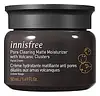
innisfree Pore Clearing Matte Moisturizer with Volcanic Clusters Versus Peach Slices Oil Control Mattifying Moisturizer
This pore-care moisturizer is formulated around Lactic Acid and Salicylic Acid to refine the look of pores and balance excess oil.
This oil-control moisturizer is formulated around Niacinamide and Zinc PCA to balance excess oil and refine the look of pores.

What's inside
What's inside
 Key Ingredients
Benefits
Concerns
Ingredients Side-by-side
Water
Skin ConditioningButylene Glycol
Humectant

Propanediol
Solvent
Limnanthes Alba Seed Oil
Skin Conditioning


Methyl Trimethicone
Skin Conditioning
Hydrogenated Poly(C6-14 Olefin)
EmollientPolymethylsilsesquioxane
1,2-Hexanediol
Skin Conditioning
Diphenylsiloxy Phenyl Trimethicone
Skin Conditioning
C14-22 Alcohols
Emulsion Stabilising
CI 77891
Cosmetic ColorantHydrogenated Lecithin
Emulsifying
Hydroxypropyl Starch Phosphate
Cetyl Hydroxyethylcellulose
Emulsion StabilisingAmmonium Acryloyldimethyltaurate/Vp Copolymer
Hydroxyethyl Acrylate/Sodium Acryloyldimethyl Taurate Copolymer
Emulsion StabilisingGlyceryl Stearate
Emollient
C12-20 Alkyl Glucoside
EmulsifyingGlyceryl Caprylate
EmollientDisodium EDTA
ChelatingEthylhexylglycerin
Skin ConditioningTromethamine
BufferingLactic Acid
Buffering









Salicylic Acid
Masking



Gluconolactone
Chelating
Sorbitan Isostearate
Emulsifying
Hydrated Silica
Abrasive
Volcanic Ash
Abrasive
Disodium Phosphate
BufferingSilica Dimethyl Silylate
EmollientGlucose
Humectant
Silica
Abrasive
Lactic Acid/Glycolic Acid Copolymer
Skin ConditioningTocopherol
Antioxidant


Polyquaternium-10
Water, Butylene Glycol, Propanediol, Limnanthes Alba Seed Oil, Methyl Trimethicone, Hydrogenated Poly(C6-14 Olefin), Polymethylsilsesquioxane, 1,2-Hexanediol, Diphenylsiloxy Phenyl Trimethicone, C14-22 Alcohols, CI 77891, Hydrogenated Lecithin, Hydroxypropyl Starch Phosphate, Cetyl Hydroxyethylcellulose, Ammonium Acryloyldimethyltaurate/Vp Copolymer, Hydroxyethyl Acrylate/Sodium Acryloyldimethyl Taurate Copolymer, Glyceryl Stearate, C12-20 Alkyl Glucoside, Glyceryl Caprylate, Disodium EDTA, Ethylhexylglycerin, Tromethamine, Lactic Acid, Salicylic Acid, Gluconolactone, Sorbitan Isostearate, Hydrated Silica, Volcanic Ash, Disodium Phosphate, Silica Dimethyl Silylate, Glucose, Silica, Lactic Acid/Glycolic Acid Copolymer, Tocopherol, Polyquaternium-10
Water
Skin ConditioningCetyl Ethylhexanoate
EmollientCetearyl Alcohol
Emollient


1,2-Hexanediol
Skin Conditioning
Niacinamide
Smoothing

Glycerin
Humectant
Sea Water
HumectantPropolis Extract
Skin Conditioning
Zinc PCA
Humectant
Sodium Hyaluronate
Humectant
Hydrolyzed Hyaluronic Acid
Humectant
Hyaluronic Acid
Humectant
Sodium Acetylated Hyaluronate
Humectant
Bambusa Vulgaris Extract
Skin Conditioning
Hydroxyethylcellulose
Emulsion StabilisingCamellia Sinensis Leaf Extract
Antimicrobial
Pinus Densiflora Bark Extract
Skin ConditioningPinus Palustris Leaf Extract
TonicGlyceryl Stearate
Emollient
Lactobacillus Ferment
Skin Conditioning
Aloe Barbadensis Leaf Extract
Emollient
Glucose
Humectant
Fragaria Ananassa Fruit Extract
Skin Conditioning
Ulmus Davidiana Root Extract
Skin Conditioning
Pueraria Lobata Root Extract
HumectantPolylysine
Gellan Gum
Ceramide NP
Skin Conditioning
Phytosphingosine
Skin Conditioning
Cholesterol
Emollient
Chamomilla Recutita Flower Extract
Masking
Cynanchum Atratum Extract
Skin ConditioningCetearyl Glucoside
Emulsifying
Butylene Glycol
Humectant
Hydroxypropyltrimonium Hyaluronate
Potassium Hyaluronate
Skin ConditioningRosmarinus Officinalis Leaf Extract
AntimicrobialFomes Officinalis Extract
Skin ProtectingOenothera Biennis Flower Extract
AstringentHydrogenated Lecithin
Emulsifying
Sodium Hyaluronate Crosspolymer
Humectant
Stearic Acid
Cleansing
Persea Gratissima Oil
Skin Conditioning
Adansonia Digitata Seed Oil
Emollient
Macadamia Integrifolia Seed Oil
Skin Conditioning
Elaeis Guineensis Oil
Emollient
Melaleuca Alternifolia Leaf Extract
Perfuming
Caprylyl Glycol
Emollient
Water, Cetyl Ethylhexanoate, Cetearyl Alcohol, 1,2-Hexanediol, Niacinamide, Glycerin, Sea Water, Propolis Extract, Zinc PCA, Sodium Hyaluronate, Hydrolyzed Hyaluronic Acid, Hyaluronic Acid, Sodium Acetylated Hyaluronate, Bambusa Vulgaris Extract, Hydroxyethylcellulose, Camellia Sinensis Leaf Extract, Pinus Densiflora Bark Extract, Pinus Palustris Leaf Extract, Glyceryl Stearate, Lactobacillus Ferment, Aloe Barbadensis Leaf Extract, Glucose, Fragaria Ananassa Fruit Extract, Ulmus Davidiana Root Extract, Pueraria Lobata Root Extract, Polylysine, Gellan Gum, Ceramide NP, Phytosphingosine, Cholesterol, Chamomilla Recutita Flower Extract, Cynanchum Atratum Extract, Cetearyl Glucoside, Butylene Glycol, Hydroxypropyltrimonium Hyaluronate, Potassium Hyaluronate, Rosmarinus Officinalis Leaf Extract, Fomes Officinalis Extract, Oenothera Biennis Flower Extract, Hydrogenated Lecithin, Sodium Hyaluronate Crosspolymer, Stearic Acid, Persea Gratissima Oil, Adansonia Digitata Seed Oil, Macadamia Integrifolia Seed Oil, Elaeis Guineensis Oil, Melaleuca Alternifolia Leaf Extract, Caprylyl Glycol
Reviews
Ingredients Explained
These ingredients are found in both products.
Ingredients higher up in an ingredient list are typically present in a larger amount.
1,2-Hexanediol is a synthetic liquid and another multi-functional powerhouse.
It is a:
- Humectant, drawing moisture into the skin
- Emollient, helping to soften skin
- Solvent, dispersing and stabilizing formulas
- Preservative booster, enhancing the antimicrobial activity of other preservatives
Butylene Glycol (or BG) is used within cosmetic products for a few different reasons:
Overall, Butylene Glycol is a safe and well-rounded ingredient that works well with other ingredients.
Though this ingredient works well with most skin types, some people with sensitive skin may experience a reaction such as allergic rashes, closed comedones, or itchiness.
Learn more about Butylene GlycolGlucose is a simple sugar (a monosaccharide). In skincare, it is mostly a humectant and skin conditioning agent.
Mechanistically, it has multiple hydroxyl groups that hydrogen-bond to water. This pulls moisture into the upper layers of skin to keep the surface soft and hydrated.
It's worth knowing sugars are already a natural component of the skin's NMF (natural moisturizing factor) so it's a molecule that your stratum corneum is well-acquainted with.
Just so you know, glucose is hydrophilic (water-loving) and the stratum corneum is a strong barrier to hydrophilic compounds. This just means penetration is slow and most of the action is happening on the surface.
Gram-to-gram, glucose is not as efficient as a humectant as glycerin. This is why you'll likely see glycose paired with stronger humectants for a bigger hydration payoff.
In skincare, glucose is typically derived from corn or other starch sources.
Learn more about GlucoseGlyceryl Stearate is made by reacting glycerin with stearic acid (typically sourced from plant oils like palm or coconut). It's an emulsifier, emollient, and mild occlusive.
Emulsifiers help ingredients like oil and water stay mixed so your formula stays nicely blended and uniform in texture.
This ingredient is typically used in concentrations between 1-10%. Studies have found it to be non-sensitizing, non-phototoxic, and non-photoallergenic.
A close cousin of this ingredient is Glyceryl Stearate SE ("self-emulsifying"). This just has a small amount of sodium or potassium stearate added so it can emulsify without a co-emulsifier.
Since this ingredient is an ester of a C18 fatty acid, it may not be fungal acne safe. The Malassezia yeast can potentially metabolize within the C11-C24 range.
Fun fact: The human body also creates Glyceryl Stearate naturally.
Learn more about Glyceryl StearateHydrogenated Lecithin is a more stable version of lecithin.
It's made by taking lecithin (a phospholipid commonly found in soybeans and egg yolks) and hydrogenating it. This just means the unsaturated fatty acids are turned into saturated ones so they don't go bad as easily.
This ingredient is an emollient, emulsifier, and penetration enhancer. As an emollient, it helps soften and hydrate skin by trapping moisture within. As an emulsifier, it prevents oil and water ingredients from separating.
Hydrogenated Lecithin can form tiny spherical structures made of phospholipid bilayers called liposomes. These liposomes are able to capture compounds inside their structure and deliver them through the skin barrier.
Because phospholipids are a natural component of our cell membranes, this ingredient is inherently compatible with skin.
A 2021 study found lecithin-based surfactants were less harsh and more tolerable comared to Sodium Lauryl Sulfate (SLS).
Learn more about Hydrogenated LecithinWater. It's the most common cosmetic ingredient of all. You'll usually see it at the top of ingredient lists, meaning that it makes up the largest part of the product.
So why is it so popular? Water most often acts as a solvent - this means that it helps dissolve other ingredients into the formulation.
You'll also recognize water as that liquid we all need to stay alive. If you see this, drink a glass of water. Remember to stay hydrated!
Learn more about Water

