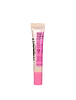
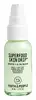
iNNBEAUTY PROJECT Face Glaze Highlighting Gel Cream Versus Youth To The People Superfood Skin Drip Smooth + Glow Barrier Serum
This barrier-repair serum is formulated around Niacinamide and Capryloyl Salicylic Acid to strengthen the skin barrier and refine skin texture.

What's inside
What's inside
 Key Ingredients
Benefits
Concerns
Ingredients Side-by-side
Water
Skin ConditioningGlycerin
Humectant


Caprylic/Capric Triglyceride
Masking
Squalane
Emollient
Glycereth-26
Humectant
Dipropylene Glycol
HumectantBetaine
Humectant
Triisostearin
Skin Conditioning

Dipentaerythrityl Hexa C5-9 Acid Esters
Skin Conditioning1,2-Hexanediol
Skin Conditioning
Ceramide NP
Skin Conditioning

Citrullus Lanatus Fruit Extract
Skin Conditioning
Terminalia Ferdinandiana Fruit Extract
Antioxidant
Sodium Hyaluronate
Humectant
Vanilla Planifolia Fruit Extract
Skin Conditioning
Silica
Abrasive


Propanediol
Solvent
Phytosphingosine
Skin Conditioning
Sorbitan Oleate
Emulsifying

Caprylyl/Capryl Glucoside
CleansingPhospholipids
Skin Conditioning
Cetearyl Olivate
Sorbitan Olivate
Emulsifying
Xanthan Gum
EmulsifyingCarbomer
Emulsion StabilisingHydrogenated Polydecene
EmollientCetearyl Alcohol
Emollient

Synthetic Fluorphlogopite
Sodium Acrylate/Sodium Acryloyldimethyl Taurate Copolymer
Emulsion StabilisingButylene Glycol
Humectant
Sodium Stearoyl Glutamate
CleansingCholesterol
Emollient
C14-22 Alcohols
Emulsion Stabilising
Polyisobutene
Alumina
Abrasive
C12-20 Alkyl Glucoside
EmulsifyingTriethylhexanoin
MaskingPotassium Hydroxide
BufferingMica
Cosmetic ColorantTin Oxide
Abrasive
CI 77891
Cosmetic ColorantCI 77491
Cosmetic ColorantWater, Glycerin, Caprylic/Capric Triglyceride, Squalane, Glycereth-26, Dipropylene Glycol, Betaine, Triisostearin, Dipentaerythrityl Hexa C5-9 Acid Esters, 1,2-Hexanediol, Ceramide NP, Citrullus Lanatus Fruit Extract, Terminalia Ferdinandiana Fruit Extract, Sodium Hyaluronate, Vanilla Planifolia Fruit Extract, Silica, Propanediol, Phytosphingosine, Sorbitan Oleate, Caprylyl/Capryl Glucoside, Phospholipids, Cetearyl Olivate, Sorbitan Olivate, Xanthan Gum, Carbomer, Hydrogenated Polydecene, Cetearyl Alcohol, Synthetic Fluorphlogopite, Sodium Acrylate/Sodium Acryloyldimethyl Taurate Copolymer, Butylene Glycol, Sodium Stearoyl Glutamate, Cholesterol, C14-22 Alcohols, Polyisobutene, Alumina, C12-20 Alkyl Glucoside, Triethylhexanoin, Potassium Hydroxide, Mica, Tin Oxide, CI 77891, CI 77491
Water
Skin ConditioningGlycerin
Humectant
Niacinamide
Smoothing




Isopropyl Lauroyl Sarcosinate
Skin ConditioningPropanediol
Solvent
Triethyl Citrate
Masking

Brassica Oleracea Acephala Leaf Extract
HumectantCamellia Sinensis Leaf Extract
Antimicrobial
Chamomilla Recutita Flower Extract
Masking
Chamomilla Recutita Extract
Skin Conditioning
Medicago Sativa Extract
TonicSpinacia Oleracea
Skin ConditioningSpinacia Oleracea Leaf Extract
Skin ConditioningAdenosine
Skin Conditioning
Alteromonas Ferment Extract
Skin Conditioning
Ascorbyl Glucoside
Antioxidant
Bisabolol
Antioxidant
Capryloyl Salicylic Acid
Exfoliating
Carnosine
Skin Conditioning
Hydroxypalmitoyl Sphinganine
Skin Conditioning
Pentaerythrityl Tetra-Di-T-Butyl Hydroxyhydrocinnamate
Antioxidant
Sodium Hyaluronate
Humectant
Sodium Hydroxide
BufferingTaraxacum Officinale Rhizome/Root Extract
Skin ConditioningTrisodium Ethylenediamine Disuccinate
ChelatingTocopherol
Antioxidant
Brassica Oleracea Italica Seed Oil
Emollient
Ceramide NP
Skin Conditioning
Boron Nitride
Absorbent
Dipotassium Glycyrrhizate
Humectant
Ammonium Acryloyldimethyltaurate/Vp Copolymer
Butylene Glycol
Humectant
Cetearyl Alcohol
Emollient
Cetearyl Glucoside
Emulsifying
CI 77891
Cosmetic ColorantEthylhexyl Palmitate
Emollient
Glucomannan
Skin ConditioningGlyceryl Stearate
Emollient
PEG-100 Stearate
Surfactant
Pentylene Glycol
Skin Conditioning
Synthetic Fluorphlogopite
Tin Oxide
Abrasive
Trihydroxystearin
Skin Conditioning
Xanthan Gum
EmulsifyingCI 77288
Cosmetic ColorantChlorphenesin
Antimicrobial
Phenoxyethanol
Preservative
Parfum
Masking
Water, Glycerin, Niacinamide, Isopropyl Lauroyl Sarcosinate, Propanediol, Triethyl Citrate, Brassica Oleracea Acephala Leaf Extract, Camellia Sinensis Leaf Extract, Chamomilla Recutita Flower Extract, Chamomilla Recutita Extract, Medicago Sativa Extract, Spinacia Oleracea, Spinacia Oleracea Leaf Extract, Adenosine, Alteromonas Ferment Extract, Ascorbyl Glucoside, Bisabolol, Capryloyl Salicylic Acid, Carnosine, Hydroxypalmitoyl Sphinganine, Pentaerythrityl Tetra-Di-T-Butyl Hydroxyhydrocinnamate, Sodium Hyaluronate, Sodium Hydroxide, Taraxacum Officinale Rhizome/Root Extract, Trisodium Ethylenediamine Disuccinate, Tocopherol, Brassica Oleracea Italica Seed Oil, Ceramide NP, Boron Nitride, Dipotassium Glycyrrhizate, Ammonium Acryloyldimethyltaurate/Vp Copolymer, Butylene Glycol, Cetearyl Alcohol, Cetearyl Glucoside, CI 77891, Ethylhexyl Palmitate, Glucomannan, Glyceryl Stearate, PEG-100 Stearate, Pentylene Glycol, Synthetic Fluorphlogopite, Tin Oxide, Trihydroxystearin, Xanthan Gum, CI 77288, Chlorphenesin, Phenoxyethanol, Parfum
Ingredients Explained
These ingredients are found in both products.
Ingredients higher up in an ingredient list are typically present in a larger amount.
Butylene Glycol (or BG) is used within cosmetic products for a few different reasons:
Overall, Butylene Glycol is a safe and well-rounded ingredient that works well with other ingredients.
Though this ingredient works well with most skin types, some people with sensitive skin may experience a reaction such as allergic rashes, closed comedones, or itchiness.
Learn more about Butylene GlycolCeramide NP (formerly known as Ceramide 3) is one of the skin's naturally occurring lipids.
Since ceramides are the major lipid components of the skin, they are crucial for maintaining skin barrier and hydration. Ceramide NP most closely mirrors the dominant kind in human skin amongst ceramide subtypes.
This ceramide works by slotting into gaps within the stratum corneum's lipid matrix to limit trans-epidermal water loss (TEWL) and shield the skin against external irritants.
A study with 312 patients found that using a ceramide-containing routine for 4 weeks reduced the severity of atopic dermatitis by over 61%.
Another clinical study in subjects aged 60 and older found that a ceramide body wash and moisturizer improved skin dryness and itchy skin in 15 days.
Overall, ceramides are considered non-irritating and safety tests have found little to no observable adverse effects from using this ingredient.
Ceramide NP is usually sourced from plants (like soybean or rice bran), or produced synthetically.
Learn more about Ceramide NPCetearyl alcohol is a waxy mixture of two fatty alcohols: cetyl alcohol and stearyl alcohol. It is an emollient and emulsifier.
Despite having "alcohol" in its name, it has nothing to do with drying solvent alcohols; the FDA also allows "alcohol-free" products to contain fatty alcohols like this ingredient.
It plays several roles in a formula:
Typical use levels for this ingredient sit around 1-10% and the Cosmetic Ingredient Review Expert Panel has affirmed safety at concentrations up to 25% in leave-on products.
Multiple assessments have found it to be non-irritating and non-sensitizing to most people.
However, there have been some cases of allergic contact dermatitis in patients with chronically compromised skin barriers.
Cetearyl alcohol has a comedogenic rating of 2 and irritancy rating of 1. Both of these numbers come from the 1989 study that used rabbit ears; a "2" means mildly comedogenic and a "1" means low irritancy.
Here's the catch: rabbit skin is more sensitive than human skin and throws a lot of false positives. A 1996 reappraisal found that ingredients rated 1-2 in the rabbit ear tests are generally safe for humans.
Remember comedogenic ratings are unable to assess the entire formula of a product or how it will react on your skin. Just be sure to patch test if you are unsure about certain ingredients.
This ingredient is not fungal acne safe. Cetearyl alcohol is a fatty alcohol with chain lengths that fall within the range that Malassezia can metabolize.
A 2019 study has also observed Malassezia growth in the presence of this ingredient, confirming it to be not-fungal acne safe.
Learn more about Cetearyl AlcoholCi 77891 is a white pigment from Titanium dioxide. It is naturally found in minerals such as rutile and ilmenite.
It's main function is to add a white color to cosmetics. It can also be mixed with other colors to create different shades.
Ci 77891 is commonly found in sunscreens due to its ability to block UV rays.
Learn more about CI 77891Glycerin (or glycerol) is a compound naturally found in your skin. It's a powerhouse humectant that pulls water into the stratum corneum.
Topically, glycerin does several things at once:
Your skin makes glycerin on its own (mostly from sebaceous oil breakdown) and shuttles it to your outermost layer of skin, or your epidermis, via aquaporin-3.
Aquaporin-3 is a transporter that is essential for normal skin hydration, elasticity, and repair. Interestingly, mice lacking in AQP3 have dry and less elastic skin that can be fully corrected with glycerin.
This ingredient is non-irritating, plays well with almost every ingredient, and works across all skin types. Typical use is anywhere between 3-10% but can go up to 79% in some leave-on products.
Just know very high concentrations (>40%) can feel tacky in low humidity.
Glycerin is the name for this ingredient in American English. British English uses Glycerol/Glycerine.
Learn more about GlycerinPropanediol is an all-star ingredient. It softens, hydrates, and smooths the skin.
It’s often used to:
Propanediol is not likely to cause sensitivity and considered safe to use. It is derived from corn or petroleum with a clear color and no scent.
Learn more about PropanediolSodium Hyaluronate is the salt form of hyaluronic acid. It is a long sugar chain that is naturally found in your skin, joints, and connective tissue that maintains hydration and elasticity.
In skincare, it works as a humectant. It pulls water from the environment and deeper layers of skin and binds it to the surface.
Interestingly, the size of the molecule affects its behavior:
Some clinical evidence links low molecular weight versions to improved wrinkle depth, elasticity, anti-inflammatory effects, and barrier repair.
Many serums use a blend of both weights so you can get surface hydration plus longer-lasting and deeper effects.
You'll typically see concentrations between 0.1-2% for this ingredient.
Learn more about Sodium HyaluronateSynthetic Fluorphlogopite is the synthethic version of mica. It consists of fluorine, aluminum and silicate.
Synthetic Fluorphlogopite is used to add volume to products.
It is considered non-irritating on the skin.
Learn more about Synthetic FluorphlogopiteTin Oxide is an inorganic oxide used to add opacity and volume to a product. In nature, it is already found in mineral form. The main ore of tin is an opaque and shiny mineral called casseterite.
Tin Oxide helps remove translucency in a product, or make it more opaque. Besides adding opacity, tin oxide is used for bulking to add volume.
Water. It's the most common cosmetic ingredient of all. You'll usually see it at the top of ingredient lists, meaning that it makes up the largest part of the product.
So why is it so popular? Water most often acts as a solvent - this means that it helps dissolve other ingredients into the formulation.
You'll also recognize water as that liquid we all need to stay alive. If you see this, drink a glass of water. Remember to stay hydrated!
Learn more about WaterXanthan gum is used as a stabilizer and thickener within cosmetic products. It helps give products a sticky, thick feeling - preventing them from being too runny.
On the technical side of things, xanthan gum is a polysaccharide - a combination consisting of multiple sugar molecules bonded together.
Xanthan gum is a pretty common and great ingredient. It is a natural, non-toxic, non-irritating ingredient that is also commonly used in food products.
Learn more about Xanthan Gum

