

What's inside
What's inside
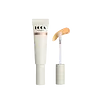 Key Ingredients
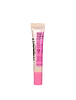
Benefits
Concerns
Ingredients Side-by-side
Water
Skin ConditioningMica
Cosmetic ColorantSilica
Abrasive


Diglycerin
Humectant
Isononyl Isononanoate
EmollientGlycerin
Humectant

Sodium Acrylate/Sodium Acryloyldimethyl Taurate Copolymer
Emulsion StabilisingHydroxyacetophenone
Antioxidant
Isohexadecane
EmollientPolyacrylate Crosspolymer-6
Emulsion StabilisingDipropylene Glycol
HumectantCaprylyl Glycol
Emollient
Propanediol
Solvent
Polysorbate 80
Emulsifying

1,2-Hexanediol
Skin Conditioning
Acrylates/C10-30 Alkyl Acrylate Crosspolymer
Emulsion StabilisingStyrene/Acrylates Copolymer
Tromethamine
BufferingEthylhexylglycerin
Skin ConditioningDisodium EDTA
ChelatingTin Oxide
Abrasive
Caprylhydroxamic Acid
ChelatingSodium Hyaluronate
Humectant


Aloe Barbadensis Leaf Juice
Skin Conditioning
Dipotassium Glycyrrhizate
Humectant
Water, Mica, Silica, Diglycerin, Isononyl Isononanoate, Glycerin, Sodium Acrylate/Sodium Acryloyldimethyl Taurate Copolymer, Hydroxyacetophenone, Isohexadecane, Polyacrylate Crosspolymer-6, Dipropylene Glycol, Caprylyl Glycol, Propanediol, Polysorbate 80, 1,2-Hexanediol, Acrylates/C10-30 Alkyl Acrylate Crosspolymer, Styrene/Acrylates Copolymer, Tromethamine, Ethylhexylglycerin, Disodium EDTA, Tin Oxide, Caprylhydroxamic Acid, Sodium Hyaluronate, Aloe Barbadensis Leaf Juice, Dipotassium Glycyrrhizate
Water
Skin ConditioningGlycerin
Humectant
Caprylic/Capric Triglyceride
Masking
Squalane
Emollient
Glycereth-26
Humectant
Dipropylene Glycol
HumectantBetaine
Humectant
Triisostearin
Skin Conditioning
Dipentaerythrityl Hexa C5-9 Acid Esters
Skin Conditioning1,2-Hexanediol
Skin Conditioning
Ceramide NP
Skin Conditioning
Citrullus Lanatus Fruit Extract
Skin Conditioning
Terminalia Ferdinandiana Fruit Extract
Antioxidant
Sodium Hyaluronate
Humectant
Vanilla Planifolia Fruit Extract
Skin Conditioning
Silica
Abrasive
Propanediol
Solvent
Phytosphingosine
Skin Conditioning
Sorbitan Oleate
Emulsifying

Caprylyl/Capryl Glucoside
CleansingPhospholipids
Skin Conditioning
Cetearyl Olivate
Sorbitan Olivate
Emulsifying
Xanthan Gum
EmulsifyingCarbomer
Emulsion StabilisingHydrogenated Polydecene
EmollientCetearyl Alcohol
Emollient
Synthetic Fluorphlogopite
Sodium Acrylate/Sodium Acryloyldimethyl Taurate Copolymer
Emulsion StabilisingButylene Glycol
Humectant
Sodium Stearoyl Glutamate
CleansingCholesterol
Emollient
C14-22 Alcohols
Emulsion Stabilising
Polyisobutene
Alumina
Abrasive
C12-20 Alkyl Glucoside
EmulsifyingTriethylhexanoin
MaskingPotassium Hydroxide
BufferingMica
Cosmetic ColorantTin Oxide
Abrasive
CI 77891
Cosmetic ColorantCI 77491
Cosmetic ColorantWater, Glycerin, Caprylic/Capric Triglyceride, Squalane, Glycereth-26, Dipropylene Glycol, Betaine, Triisostearin, Dipentaerythrityl Hexa C5-9 Acid Esters, 1,2-Hexanediol, Ceramide NP, Citrullus Lanatus Fruit Extract, Terminalia Ferdinandiana Fruit Extract, Sodium Hyaluronate, Vanilla Planifolia Fruit Extract, Silica, Propanediol, Phytosphingosine, Sorbitan Oleate, Caprylyl/Capryl Glucoside, Phospholipids, Cetearyl Olivate, Sorbitan Olivate, Xanthan Gum, Carbomer, Hydrogenated Polydecene, Cetearyl Alcohol, Synthetic Fluorphlogopite, Sodium Acrylate/Sodium Acryloyldimethyl Taurate Copolymer, Butylene Glycol, Sodium Stearoyl Glutamate, Cholesterol, C14-22 Alcohols, Polyisobutene, Alumina, C12-20 Alkyl Glucoside, Triethylhexanoin, Potassium Hydroxide, Mica, Tin Oxide, CI 77891, CI 77491
Ingredients Explained
These ingredients are found in both products.
Ingredients higher up in an ingredient list are typically present in a larger amount.
1,2-Hexanediol is a synthetic liquid and another multi-functional powerhouse.
It is a:
- Humectant, drawing moisture into the skin
- Emollient, helping to soften skin
- Solvent, dispersing and stabilizing formulas
- Preservative booster, enhancing the antimicrobial activity of other preservatives
Dipropylene Glycol is a synthetically created humectant, stabilizer, and solvent.
This ingredient helps:
Dipropylene glycol is technically an alcohol, but it belongs to the glycol family (often considered part of the ‘good’ alcohols). This means it is hydrating and gentle on skin unlike drying solvent alcohols like denatured alcohol.
As a masking agent, Dipropylene Glycol can be used to cover the smell of other ingredients. However, it does not have a scent.
Studies show Dipropylene Glycol is considered safe to use in skincare.
Learn more about Dipropylene GlycolGlycerin (or glycerol) is a compound naturally found in your skin. It's a powerhouse humectant that pulls water into the stratum corneum.
Topically, glycerin does several things at once:
Your skin makes glycerin on its own (mostly from sebaceous oil breakdown) and shuttles it to your outermost layer of skin, or your epidermis, via aquaporin-3.
Aquaporin-3 is a transporter that is essential for normal skin hydration, elasticity, and repair. Interestingly, mice lacking in AQP3 have dry and less elastic skin that can be fully corrected with glycerin.
This ingredient is non-irritating, plays well with almost every ingredient, and works across all skin types. Typical use is anywhere between 3-10% but can go up to 79% in some leave-on products.
Just know very high concentrations (>40%) can feel tacky in low humidity.
Glycerin is the name for this ingredient in American English. British English uses Glycerol/Glycerine.
Learn more about GlycerinMica is a naturally occurring mineral used to add shimmer and color in cosmetics. It can also help improve the texture of a product or give it an opaque, white/silver color.
Serecite is the name for very fine but ragged grains of mica.
This ingredient is often coated with metal oxides like titanium dioxide. Trace amounts of heavy metals may be found in mica, but these metals are not harmful in our personal products.
Mica has been used since prehistoric times throughout the world. Ancient Egyptian, Indian, Greek, Roman, Aztec, and Chinese civilizations have used mica.
Learn more about MicaPropanediol is an all-star ingredient. It softens, hydrates, and smooths the skin.
It’s often used to:
Propanediol is not likely to cause sensitivity and considered safe to use. It is derived from corn or petroleum with a clear color and no scent.
Learn more about PropanediolSilica, also known as silicon dioxide, is a naturally occurring mineral. It is used as a fine, spherical, and porous powder in cosmetics.
Though it has exfoliant properties, the function of silica varies depending on the product.
The unique structure of silica enhances the spreadability and adds smoothness, making it a great texture enhancer.
It is also used as an active carrier, emulsifier, and mattifier due to its ability to absorb excess oil.
In some products, tiny microneedles called spicules are made from silica or hydrolyzed sponge. When you rub them in, they lightly polish away dead skin layers and enhance the penetration of active ingredients.
Learn more about SilicaThis long ingredient is a copolymer of sodium acrylate and sodium acryloyldimethyl taurate monomers.
It is used to help stabilize other ingredients and create a thicker gel-like texture.
Emulsifiers prevent oils and waters from separating.
Learn more about Sodium Acrylate/Sodium Acryloyldimethyl Taurate CopolymerSodium Hyaluronate is the salt form of hyaluronic acid. It is a long sugar chain that is naturally found in your skin, joints, and connective tissue that maintains hydration and elasticity.
In skincare, it works as a humectant. It pulls water from the environment and deeper layers of skin and binds it to the surface.
Interestingly, the size of the molecule affects its behavior:
Some clinical evidence links low molecular weight versions to improved wrinkle depth, elasticity, anti-inflammatory effects, and barrier repair.
Many serums use a blend of both weights so you can get surface hydration plus longer-lasting and deeper effects.
You'll typically see concentrations between 0.1-2% for this ingredient.
Learn more about Sodium HyaluronateTin Oxide is an inorganic oxide used to add opacity and volume to a product. In nature, it is already found in mineral form. The main ore of tin is an opaque and shiny mineral called casseterite.
Tin Oxide helps remove translucency in a product, or make it more opaque. Besides adding opacity, tin oxide is used for bulking to add volume.
Water. It's the most common cosmetic ingredient of all. You'll usually see it at the top of ingredient lists, meaning that it makes up the largest part of the product.
So why is it so popular? Water most often acts as a solvent - this means that it helps dissolve other ingredients into the formulation.
You'll also recognize water as that liquid we all need to stay alive. If you see this, drink a glass of water. Remember to stay hydrated!
Learn more about Water

