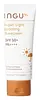
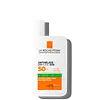
Ingu Super-Light Soothing Sunscreen SPF 50+ Versus La Roche-Posay Anthelios UVMune 400 Oil Control Fluid SPF 50+


What's inside
What's inside
 Key Ingredients
Benefits
Concerns
Ingredients Side-by-side
Water
Skin ConditioningHomosalate
Skin Conditioning

Propylene Glycol
Humectant


Isododecane
EmollientMethylene Bis-Benzotriazolyl Tetramethylbutylphenol
UV Filter
Bis-Ethylhexyloxyphenol Methoxyphenyl Triazine
Skin Conditioning
Cyclopentasiloxane
Emollient
Zinc Oxide
Cosmetic Colorant
Steareth-2
EmulsifyingSteareth-21
CleansingAmmonium Acryloyldimethyltaurate/Vp Copolymer
PEG-10 Dimethicone
Skin Conditioning
Titanium Dioxide
Cosmetic Colorant
Decyl Glucoside
Cleansing
Methylpropanediol
SolventGlyceryl Stearate Se
Emulsifying


PEG-100 Stearate
Surfactant
Xanthan Gum
EmulsifyingXylitylglucoside
Humectant
Caprylyl Glycol
Emollient
Anhydroxylitol
Humectant
Methicone
Emollient
Polyquaternium-80
CleansingAlumina
Abrasive
Xylitol
Humectant
Disodium EDTA
Didecyldimonium Chloride
EmulsifyingGlucose
Humectant
Melanin
Skin ProtectingTocopheryl Acetate
Antioxidant


Dipropylene Glycol
HumectantPentylene Glycol
Skin Conditioning
Polysorbate 80
Emulsifying
Asiaticoside
Antioxidant




Madecassic Acid
Skin Conditioning
Asiatic Acid
Skin Conditioning
Sodium Benzoate
Masking
Cholesterol
Emollient
Ethylhexylglycerin
Skin ConditioningWater, Homosalate, Propylene Glycol, Isododecane, Methylene Bis-Benzotriazolyl Tetramethylbutylphenol, Bis-Ethylhexyloxyphenol Methoxyphenyl Triazine, Cyclopentasiloxane, Zinc Oxide, Steareth-2, Steareth-21, Ammonium Acryloyldimethyltaurate/Vp Copolymer, PEG-10 Dimethicone, Titanium Dioxide, Decyl Glucoside, Methylpropanediol, Glyceryl Stearate Se, PEG-100 Stearate, Xanthan Gum, Xylitylglucoside, Caprylyl Glycol, Anhydroxylitol, Methicone, Polyquaternium-80, Alumina, Xylitol, Disodium EDTA, Didecyldimonium Chloride, Glucose, Melanin, Tocopheryl Acetate, Dipropylene Glycol, Pentylene Glycol, Polysorbate 80, Asiaticoside, Madecassic Acid, Asiatic Acid, Sodium Benzoate, Cholesterol, Ethylhexylglycerin
Water
Skin ConditioningAlcohol Denat.
Antimicrobial


Triethyl Citrate
Masking

Diisopropyl Sebacate
EmollientSilica
Abrasive
Bis-Ethylhexyloxyphenol Methoxyphenyl Triazine
Skin Conditioning
Ethylhexyl Salicylate
UV Absorber
Ethylhexyl Triazone
UV Absorber
Butyl Methoxydibenzoylmethane
UV Absorber
Glycerin
Humectant
Propanediol
Solvent
C12-22 Alkyl Acrylate/Hydroxyethylacrylate Copolymer
StabilisingC12-15 Alkyl Benzoate
AntimicrobialSodium Citrate
BufferingMethoxypropylamino Cyclohexenylidene Ethoxyethylcyanoacetate
Stabilising
Perlite
Absorbent
Tocopherol
Antioxidant
Caprylic/Capric Triglyceride
Masking
Acrylates/C10-30 Alkyl Acrylate Crosspolymer
Emulsion StabilisingBixa Orellana Seed Extract
MaskingCaprylyl Glycol
Emollient
Citric Acid
Buffering
Diethylamino Hydroxybenzoyl Hexyl Benzoate
UV Filter
Drometrizole Trisiloxane
UV Absorber
Hydroxyacetophenone
Antioxidant
Hydroxyethylcellulose
Emulsion StabilisingMaltodextrin
Absorbent
Pentylene Glycol
Skin Conditioning
Silica Silylate
Emollient
Terephthalylidene Dicamphor Sulfonic Acid
UV Absorber
Triethanolamine
BufferingTrisodium Ethylenediamine Disuccinate
Zinc PCA
Humectant

Parfum
Masking
Water, Alcohol Denat., Triethyl Citrate, Diisopropyl Sebacate, Silica, Bis-Ethylhexyloxyphenol Methoxyphenyl Triazine, Ethylhexyl Salicylate, Ethylhexyl Triazone, Butyl Methoxydibenzoylmethane, Glycerin, Propanediol, C12-22 Alkyl Acrylate/Hydroxyethylacrylate Copolymer, C12-15 Alkyl Benzoate, Sodium Citrate, Methoxypropylamino Cyclohexenylidene Ethoxyethylcyanoacetate, Perlite, Tocopherol, Caprylic/Capric Triglyceride, Acrylates/C10-30 Alkyl Acrylate Crosspolymer, Bixa Orellana Seed Extract, Caprylyl Glycol, Citric Acid, Diethylamino Hydroxybenzoyl Hexyl Benzoate, Drometrizole Trisiloxane, Hydroxyacetophenone, Hydroxyethylcellulose, Maltodextrin, Pentylene Glycol, Silica Silylate, Terephthalylidene Dicamphor Sulfonic Acid, Triethanolamine, Trisodium Ethylenediamine Disuccinate, Zinc PCA, Parfum
Reviews
Ingredients Explained
These ingredients are found in both products.
Ingredients higher up in an ingredient list are typically present in a larger amount.
This ingredient is better known as bemotrizinol or Tinosorb S and is one of the best broad-spectrum UV filters in modern sunscreen.
It works by absorbing UV light across a whole range (280-400 nm) with peaks around 310 nm (UVB) and 340-345 nm (UVA). This means it covers UVB plus the deeper UVA wavelengths that drive photoaging and pigmentation.
Another pro?
It's exceptionally photostable, barely degrades in sunlight, and acts as a "bodyguard" for less stable filters.
That's why you'll see it paired with avobenzone or octinoxate; this team up ensures they keep working through sun exposure.
Safety reviews have been reassuring across the board. This ingredient shows low absorption through the skin, rarely irritates, and lab studies found it doesn't act like a hormone in the body (a concern that's been raised about some older sunscreen filters).
On maximum concentrations:
In 2026, the US F.D.A finally added it as an OTC sunscreen ingredient at concentrations up to 6% for adults / children 6 months and older
Learn more about Bis-Ethylhexyloxyphenol Methoxyphenyl TriazineCaprylyl Glycol is a humectant, skin conditioner, emollient, and preservative booster derived from either caprylic acid or synthetically created.
Typical use levels vary from 0.3-1% as a preservative booster and go up to 2% to condition skin.
Because it is not a free-fatty acid, this ingredient is fungal acne safe (there's nothing for Malassezia to feed on).
Learn more about Caprylyl GlycolPentylene Glycol (1,2-pentanediol) is a multitasking little diol with three main roles in a formula:
Research on alkanediols (the family pentylene glycol belongs to) show they work by disrupting microbial cell membranes. This disruption helps the primary preservative system in a product work more effectively at lower doses.
On the safety side, the Cosmetic Ingredient Review Expert Panel has concluded this ingredient to be safe as used in current cosmetic practices + concentrations.
Typical use levels in a formula run about 1-5%.
Learn more about Pentylene GlycolWater. It's the most common cosmetic ingredient of all. You'll usually see it at the top of ingredient lists, meaning that it makes up the largest part of the product.
So why is it so popular? Water most often acts as a solvent - this means that it helps dissolve other ingredients into the formulation.
You'll also recognize water as that liquid we all need to stay alive. If you see this, drink a glass of water. Remember to stay hydrated!
Learn more about Water

