Hero Cosmetics Clear Collective Clarifying Prebiotic Moisturizer Versus BellamiLuxx Cystic Acne Treatment
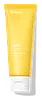
This oil-control moisturizer is formulated around Squalane and Salix Alba Bark Extract to balance excess oil and clear breakouts.
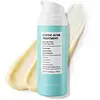
This acne treatment is formulated around Salicylic Acid and Centella Asiatica Leaf Extract to clear breakouts and calm redness.


What's inside
What's inside
 Key Ingredients
Benefits
Concerns
Ingredients Side-by-side
Water
Skin ConditioningButylene Glycol
Humectant

Ethylhexyl Palmitate
Emollient




Cetyl Alcohol
Emollient

Glycerin
Humectant
Hydrogenated Vegetable Oil
Emollient
1,2-Hexanediol
Skin Conditioning
Glyceryl Stearate
Emollient
Squalane
Emollient
Polyglyceryl-3 Methylglucose Distearate
Emulsifying
Erythritol
Humectant
Sorbitol
Humectant
Salvia Officinalis Leaf Extract
CleansingCeramide NP
Skin Conditioning


Trehalose
Humectant
Salix Alba Bark Extract
Astringent

Hamamelis Virginiana Extract
Antiseborrhoeic

Citrus Junos Fruit Extract
Skin ConditioningAnanas Sativus Fruit Extract
Skin ConditioningZinc PCA
Humectant


Sodium Hyaluronate
Humectant
Hydrolyzed Hyaluronic Acid
Humectant
Hydrolyzed Sodium Hyaluronate
Skin Conditioning
Hyaluronic Acid
Humectant
Sodium Hyaluronate Crosspolymer
Humectant
Sodium Acetylated Hyaluronate
Humectant
Hydroxypropyltrimonium Hyaluronate
Potassium Hyaluronate
Skin ConditioningMandelic Acid
Antimicrobial


Glycolic Acid
Buffering
Hydrogenated Lecithin
Emulsifying
Betaine
Humectant
Dipropylene Glycol
HumectantPentylene Glycol
Skin Conditioning
Stearyl Alcohol
Emollient
Carbomer
Emulsion StabilisingTromethamine
BufferingEthylhexylglycerin
Skin ConditioningWater, Butylene Glycol, Ethylhexyl Palmitate, Cetyl Alcohol, Glycerin, Hydrogenated Vegetable Oil, 1,2-Hexanediol, Glyceryl Stearate, Squalane, Polyglyceryl-3 Methylglucose Distearate, Erythritol, Sorbitol, Salvia Officinalis Leaf Extract, Ceramide NP, Trehalose, Salix Alba Bark Extract, Hamamelis Virginiana Extract, Citrus Junos Fruit Extract, Ananas Sativus Fruit Extract, Zinc PCA, Sodium Hyaluronate, Hydrolyzed Hyaluronic Acid, Hydrolyzed Sodium Hyaluronate, Hyaluronic Acid, Sodium Hyaluronate Crosspolymer, Sodium Acetylated Hyaluronate, Hydroxypropyltrimonium Hyaluronate, Potassium Hyaluronate, Mandelic Acid, Glycolic Acid, Hydrogenated Lecithin, Betaine, Dipropylene Glycol, Pentylene Glycol, Stearyl Alcohol, Carbomer, Tromethamine, Ethylhexylglycerin
Water
Skin ConditioningPropylene Glycol
Humectant
Butylene Glycol
Humectant
Glycerin
Humectant
Cetearyl Alcohol
Emollient
Dimethicone
Emollient
Salicylic Acid
Masking

Isononyl Isononanoate
EmollientCentella Asiatica Leaf Extract
Skin Conditioning
Triethylhexanoin
MaskingPEG/PPG-14/7 Dimethyl Ether
Skin ConditioningSteareth-21
CleansingAminomethyl Propanol
BufferingSteareth-2
EmulsifyingPolyacrylate-13
1,2-Hexanediol
Skin Conditioning
Hydroxyacetophenone
Antioxidant
Glyceryl Stearate
Emollient
PEG-100 Stearate
Surfactant
Panthenol
Skin Conditioning
Polyisobutene
Acrylates/C10-30 Alkyl Acrylate Crosspolymer
Emulsion StabilisingMadecassoside
Antioxidant
Sophora Flavescens Root Extract
Antioxidant
Tocopheryl Acetate
Antioxidant
Melaleuca Alternifolia Leaf Oil
Antioxidant

Niacinamide
Smoothing
Allantoin
Skin Conditioning
Trehalose
Humectant
Centella Asiatica Extract
Cleansing
Polysorbate 20
Emulsifying
Ophiopogon Japonicus Root Extract
Skin ConditioningOpuntia Ficus-Indica Stem Extract
Skin Conditioning
Hamamelis Virginiana Extract
Antiseborrhoeic
Xanthan Gum
EmulsifyingTribulus Terrestris Fruit Extract
Skin ConditioningHydroxydecyl Ubiquinone
Antioxidant
Asiaticoside
Antioxidant
Cornus Officinalis Fruit Extract
Skin ConditioningDisodium EDTA
ChelatingCaprylyl Glycol
Emollient
Pentylene Glycol
Skin Conditioning
Pandanus Amaryllifolius Leaf Extract
MaskingWater, Propylene Glycol, Butylene Glycol, Glycerin, Cetearyl Alcohol, Dimethicone, Salicylic Acid, Isononyl Isononanoate, Centella Asiatica Leaf Extract, Triethylhexanoin, PEG/PPG-14/7 Dimethyl Ether, Steareth-21, Aminomethyl Propanol, Steareth-2, Polyacrylate-13, 1,2-Hexanediol, Hydroxyacetophenone, Glyceryl Stearate, PEG-100 Stearate, Panthenol, Polyisobutene, Acrylates/C10-30 Alkyl Acrylate Crosspolymer, Madecassoside, Sophora Flavescens Root Extract, Tocopheryl Acetate, Melaleuca Alternifolia Leaf Oil, Niacinamide, Allantoin, Trehalose, Centella Asiatica Extract, Polysorbate 20, Ophiopogon Japonicus Root Extract, Opuntia Ficus-Indica Stem Extract, Hamamelis Virginiana Extract, Xanthan Gum, Tribulus Terrestris Fruit Extract, Hydroxydecyl Ubiquinone, Asiaticoside, Cornus Officinalis Fruit Extract, Disodium EDTA, Caprylyl Glycol, Pentylene Glycol, Pandanus Amaryllifolius Leaf Extract
Reviews
Ingredients Explained
These ingredients are found in both products.
Ingredients higher up in an ingredient list are typically present in a larger amount.
1,2-Hexanediol is a synthetic liquid and another multi-functional powerhouse.
It is a:
- Humectant, drawing moisture into the skin
- Emollient, helping to soften skin
- Solvent, dispersing and stabilizing formulas
- Preservative booster, enhancing the antimicrobial activity of other preservatives
Butylene Glycol (or BG) is used within cosmetic products for a few different reasons:
Overall, Butylene Glycol is a safe and well-rounded ingredient that works well with other ingredients.
Though this ingredient works well with most skin types, some people with sensitive skin may experience a reaction such as allergic rashes, closed comedones, or itchiness.
Learn more about Butylene GlycolGlycerin (or glycerol) is a compound naturally found in your skin. It's a powerhouse humectant that pulls water into the stratum corneum.
Topically, glycerin does several things at once:
Your skin makes glycerin on its own (mostly from sebaceous oil breakdown) and shuttles it to your outermost layer of skin, or your epidermis, via aquaporin-3.
Aquaporin-3 is a transporter that is essential for normal skin hydration, elasticity, and repair. Interestingly, mice lacking in AQP3 have dry and less elastic skin that can be fully corrected with glycerin.
This ingredient is non-irritating, plays well with almost every ingredient, and works across all skin types. Typical use is anywhere between 3-10% but can go up to 79% in some leave-on products.
Just know very high concentrations (>40%) can feel tacky in low humidity.
Glycerin is the name for this ingredient in American English. British English uses Glycerol/Glycerine.
Learn more about GlycerinGlyceryl Stearate is made by reacting glycerin with stearic acid (typically sourced from plant oils like palm or coconut). It's an emulsifier, emollient, and mild occlusive.
Emulsifiers help ingredients like oil and water stay mixed so your formula stays nicely blended and uniform in texture.
This ingredient is typically used in concentrations between 1-10%. Studies have found it to be non-sensitizing, non-phototoxic, and non-photoallergenic.
A close cousin of this ingredient is Glyceryl Stearate SE ("self-emulsifying"). This just has a small amount of sodium or potassium stearate added so it can emulsify without a co-emulsifier.
Since this ingredient is an ester of a C18 fatty acid, it may not be fungal acne safe. The Malassezia yeast can potentially metabolize within the C11-C24 range.
Fun fact: The human body also creates Glyceryl Stearate naturally.
Learn more about Glyceryl StearateHamamelis Virginiana Extract comes from the witch hazel plant.
Unless it is specified to be non-alcohol, many types of witch hazel ingredients are distilled in denatured alcohol.
Witch Hazel has astringent, anti-inflammatory, antioxidant, and antibacterial properties.
The tannin content of witch hazel constrict the appearance of pores by drying out proteins. Witch hazel water gets anti-inflammatory and antibacterial properties from its catechin and gallic acid content.
However, witch hazel may be skin-sensitizing due to the tannin and fragrance compounds.
North American Indigenous groups have used witch hazel to help treat inflammation for centuries.
Learn more about Hamamelis Virginiana ExtractPentylene Glycol (1,2-pentanediol) is a multitasking little diol with three main roles in a formula:
Research on alkanediols (the family pentylene glycol belongs to) show they work by disrupting microbial cell membranes. This disruption helps the primary preservative system in a product work more effectively at lower doses.
On the safety side, the Cosmetic Ingredient Review Expert Panel has concluded this ingredient to be safe as used in current cosmetic practices + concentrations.
Typical use levels in a formula run about 1-5%.
Learn more about Pentylene GlycolTrehalose is a disaccharide made of two glucose molecules (glucose is sugar!). Trehalose is used to help moisturize skin. It also has antioxidant properties.
As a humectant, trehalose helps draw moisture from the air to your skin. This helps keep your skin hydrated.
Due to its antioxidant properties, trehalose may help with signs of aging. Antioxidants help fight free-radical molecules, unstable molecules that may damage your skin.
In medicine, trehalose and hyaluronic acid are used to help treat dry eyes.
Some animals, plants, and bacteria create trehalose as a source of energy to survive freeze or lack of water.
Learn more about TrehaloseWater. It's the most common cosmetic ingredient of all. You'll usually see it at the top of ingredient lists, meaning that it makes up the largest part of the product.
So why is it so popular? Water most often acts as a solvent - this means that it helps dissolve other ingredients into the formulation.
You'll also recognize water as that liquid we all need to stay alive. If you see this, drink a glass of water. Remember to stay hydrated!
Learn more about Water

