
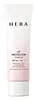
This hybrid sunscreen covers the full UV range and blocks ~98% of UVB at SPF 50.
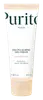
This calming moisturizer is formulated around Avena Sativa Seed Water and Dipotassium Glycyrrhizate to calm redness and hydrate skin.

What's inside
What's inside
 Key Ingredients
Benefits
Concerns
No concerns
Ingredients Side-by-side
Water
Skin ConditioningEthylhexyl Methoxycinnamate
UV Absorber


Glycerin
Humectant


Butylene Glycol
Humectant
Diethylamino Hydroxybenzoyl Hexyl Benzoate
UV Filter
Dibutyl Adipate
EmollientTitanium Dioxide
Cosmetic Colorant
Bis-Ethylhexyloxyphenol Methoxyphenyl Triazine
UV Absorber
Methyl Trimethicone
Skin Conditioning
C12-15 Alkyl Benzoate
AntimicrobialDimethicone
Emollient
Silica
Abrasive


CI 77891
Cosmetic ColorantNiacinamide
Smoothing







Trisiloxane
Skin Conditioning
1,2-Hexanediol
Skin Conditioning
Cetearyl Alcohol
Emollient






Poly C10-30 Alkyl Acrylate
Emulsion StabilisingHydroxyethyl Acrylate/Sodium Acryloyldimethyl Taurate Copolymer
Emulsion StabilisingAluminum Stearate
Cosmetic ColorantAlumina
Abrasive
Stearic Acid
Cleansing
Polyhydroxystearic Acid
Emulsifying
Polymethyl Methacrylate
Acrylates/C10-30 Alkyl Acrylate Crosspolymer
Emulsion StabilisingSodium Polyacryloyldimethyl Taurate
Emulsion StabilisingGlyceryl Stearate
Emollient
Hydrogenated Lecithin
Emulsifying
Caprylyl Glycol
Emollient
Thymol Trimethoxycinnamate
Antioxidant
Tromethamine
BufferingPolyglyceryl-3 Methylglucose Distearate
Emulsifying
Palmitic Acid
Emollient
Disodium EDTA
ChelatingEthylhexylglycerin
Skin ConditioningAdenosine
Skin Conditioning
Aluminum Hydroxide
EmollientCI 77491
Cosmetic ColorantSorbitan Isostearate
Emulsifying
Triethoxycaprylylsilane
CI 77492
Cosmetic ColorantTocopheryl Acetate
Antioxidant
3-O-Ethyl Ascorbic Acid
Skin Conditioning
Lactobacillus/Water Hyacinth Ferment
Skin ProtectingMannitol
Humectant
Propanediol
Solvent
Ethylhexyl Palmitate
Emollient
BHT
Antioxidant
Pentylene Glycol
Skin Conditioning
Myristic Acid
Cleansing
Phenoxyethanol
Preservative
Lauric Acid
Cleansing
Sodium Dehydroacetate
Preservative
Carbomer
Emulsion StabilisingSodium Citrate
BufferingPotassium Sorbate
Preservative
Tocopherol
Antioxidant
Methoxy PEG-114/Polyepsilon Caprolactone
BufferingPrunus Persica Leaf Extract
Emollient
Helianthus Annuus Seed Oil
Emollient
Lysine
Skin ConditioningArginine
Masking
Histidine
Humectant
Citric Acid
Buffering
Beta-Carotene
Skin ConditioningGlucose
Humectant
Xylose
HumectantDNA
Skin ConditioningBiotin
AntiseborrhoeicMannose
HumectantSodium Chloride
MaskingLecithin
Emollient
Hydrogenated Phosphatidylcholine
Emulsifying
Copper Tripeptide-1
Skin Conditioning
Sodium Phosphate
BufferingDextrin
AbsorbentHydrolyzed Hibiscus Esculentus Extract
Skin ConditioningCholesterol
Emollient
Fucose
Skin ConditioningDipalmitoyl Hydroxyproline
Skin Conditioning
Acrylates/Stearyl Methacrylate Copolymer
Emulsion StabilisingPotassium Chloride
Potassium Phosphate
BufferingMagnesium Chloride
Hydrolyzed Millet
Skin ConditioningCalcium Chloride
AstringentWater, Ethylhexyl Methoxycinnamate, Glycerin, Butylene Glycol, Diethylamino Hydroxybenzoyl Hexyl Benzoate, Dibutyl Adipate, Titanium Dioxide, Bis-Ethylhexyloxyphenol Methoxyphenyl Triazine, Methyl Trimethicone, C12-15 Alkyl Benzoate, Dimethicone, Silica, CI 77891, Niacinamide, Trisiloxane, 1,2-Hexanediol, Cetearyl Alcohol, Poly C10-30 Alkyl Acrylate, Hydroxyethyl Acrylate/Sodium Acryloyldimethyl Taurate Copolymer, Aluminum Stearate, Alumina, Stearic Acid, Polyhydroxystearic Acid, Polymethyl Methacrylate, Acrylates/C10-30 Alkyl Acrylate Crosspolymer, Sodium Polyacryloyldimethyl Taurate, Glyceryl Stearate, Hydrogenated Lecithin, Caprylyl Glycol, Thymol Trimethoxycinnamate, Tromethamine, Polyglyceryl-3 Methylglucose Distearate, Palmitic Acid, Disodium EDTA, Ethylhexylglycerin, Adenosine, Aluminum Hydroxide, CI 77491, Sorbitan Isostearate, Triethoxycaprylylsilane, CI 77492, Tocopheryl Acetate, 3-O-Ethyl Ascorbic Acid, Lactobacillus/Water Hyacinth Ferment, Mannitol, Propanediol, Ethylhexyl Palmitate, BHT, Pentylene Glycol, Myristic Acid, Phenoxyethanol, Lauric Acid, Sodium Dehydroacetate, Carbomer, Sodium Citrate, Potassium Sorbate, Tocopherol, Methoxy PEG-114/Polyepsilon Caprolactone, Prunus Persica Leaf Extract, Helianthus Annuus Seed Oil, Lysine, Arginine, Histidine, Citric Acid, Beta-Carotene, Glucose, Xylose, DNA, Biotin, Mannose, Sodium Chloride, Lecithin, Hydrogenated Phosphatidylcholine, Copper Tripeptide-1, Sodium Phosphate, Dextrin, Hydrolyzed Hibiscus Esculentus Extract, Cholesterol, Fucose, Dipalmitoyl Hydroxyproline, Acrylates/Stearyl Methacrylate Copolymer, Potassium Chloride, Potassium Phosphate, Magnesium Chloride, Hydrolyzed Millet, Calcium Chloride
Avena Sativa Seed Water 77%
Solvent
Butylene Glycol
Humectant
Glycerin
Humectant
2,3-Butanediol
Humectant1,2-Hexanediol
Skin Conditioning
Water
Skin ConditioningAmmonium Acryloyldimethyltaurate/Vp Copolymer
Squalane
Emollient
Hydroxyacetophenone
Antioxidant
Carbomer
Emulsion StabilisingDipotassium Glycyrrhizate
Humectant
Panthenol
Skin Conditioning
Tromethamine
BufferingEthylhexylglycerin
Skin ConditioningInulin Lauryl Carbamate
Emulsion StabilisingSodium Surfactin
CleansingBeta-Glucan
Skin Conditioning
Avena Sativa Seed Water 77%, Butylene Glycol, Glycerin, 2,3-Butanediol, 1,2-Hexanediol, Water, Ammonium Acryloyldimethyltaurate/Vp Copolymer, Squalane, Hydroxyacetophenone, Carbomer, Dipotassium Glycyrrhizate, Panthenol, Tromethamine, Ethylhexylglycerin, Inulin Lauryl Carbamate, Sodium Surfactin, Beta-Glucan
Reviews
Ingredients Explained
These ingredients are found in both products.
Ingredients higher up in an ingredient list are typically present in a larger amount.
1,2-Hexanediol is a synthetic liquid and another multi-functional powerhouse.
It is a:
- Humectant, drawing moisture into the skin
- Emollient, helping to soften skin
- Solvent, dispersing and stabilizing formulas
- Preservative booster, enhancing the antimicrobial activity of other preservatives
Butylene Glycol (or BG) is used within cosmetic products for a few different reasons:
Overall, Butylene Glycol is a safe and well-rounded ingredient that works well with other ingredients.
Though this ingredient works well with most skin types, some people with sensitive skin may experience a reaction such as allergic rashes, closed comedones, or itchiness.
Learn more about Butylene GlycolCarbomer is a synthetic thickening and gelling agent. It's basically the ingredient that gives a lot of serums, gels, creams, and sunscreens their smooth, non-sticky texture.
Although legally permitted at very high levels, carbomers are normally used at concentrations below 1%.
It also needs to be neutralized to actually thicken, and because it is a large molecule, it doesn't really penetrate the skin barrier.
Allergy-wise, the risk is very low. Clinical studies show carbomers have low potential for skin irritation/sensitization even at concentrations up to 100%.
A 2024 UK study patch-tested 1,302 patients and found true allergy to the parent group of carbomer to be rare with no confirmed relevant reactions.
Learn more about CarbomerEthylhexylglycerin is created from glycerin. It is a multitasker ingredient that:
The CIR Expert Panel found minimal skin absorption or sensitization of any kind in a safety assessment. Though this ingredient is considered well-tolerated, a small number of cases of allergic dermatitis have been published since 2002. Just be sure to patch test if you are unsure.
Industry-reported use ranges from 8% in rinse-off products and 2% in leave-on formulations.
Learn more about EthylhexylglycerinGlycerin (or glycerol) is a compound naturally found in your skin. It's a powerhouse humectant that pulls water into the stratum corneum.
Topically, glycerin does several things at once:
Your skin makes glycerin on its own (mostly from sebaceous oil breakdown) and shuttles it to your outermost layer of skin, or your epidermis, via aquaporin-3.
Aquaporin-3 is a transporter that is essential for normal skin hydration, elasticity, and repair. Interestingly, mice lacking in AQP3 have dry and less elastic skin that can be fully corrected with glycerin.
This ingredient is non-irritating, plays well with almost every ingredient, and works across all skin types. Typical use is anywhere between 3-10% but can go up to 79% in some leave-on products.
Just know very high concentrations (>40%) can feel tacky in low humidity.
Glycerin is the name for this ingredient in American English. British English uses Glycerol/Glycerine.
Learn more about GlycerinTromethamine (aka THAM) is a synthetic amino acid that shows up in skincare as a helper ingredient.
It functions as a pH adjuster to help neutralize acidic ingredients and set a formula's pH to the right spot.
This matters a lot because a lot of actives (like vitamin C) needs a specific pH to work well and feel comfortable on skin.
Concentration use ranges from 0.1-1.0% depending on the formula.
Learn more about TromethamineWater. It's the most common cosmetic ingredient of all. You'll usually see it at the top of ingredient lists, meaning that it makes up the largest part of the product.
So why is it so popular? Water most often acts as a solvent - this means that it helps dissolve other ingredients into the formulation.
You'll also recognize water as that liquid we all need to stay alive. If you see this, drink a glass of water. Remember to stay hydrated!
Learn more about Water

