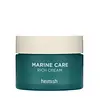
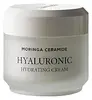
heimish Marine Care Deep Moisture Nourishing Melting Cream Versus heimish Moringa Ceramide Hyaluronic Hydrating Cream
This barrier-repair night moisturizer is formulated around Petrolatum and Niacinamide to strengthen the skin barrier and hydrate skin.
This barrier-repair moisturizer is formulated around Moringa Oleifera Seed Oil and Hydrolyzed Hyaluronic Acid to strengthen the skin barrier and hydrate skin.

What's inside
What's inside
 Key Ingredients
Benefits
Concerns
Ingredients Side-by-side
Water
Skin ConditioningParaffinum Liquidum
Emollient


Petrolatum
Emollient
Microcrystalline Wax
Emulsion StabilisingGlycerin
Humectant

Phytosteryl/Isostearyl/Cetyl/Stearyl/Behenyl Dimer Dilinoleate
Skin Conditioning

Butylene Glycol Dicaprylate/Dicaprate
EmollientZinc Stearate
Cosmetic ColorantNiacinamide
Smoothing









Beeswax
Emulsion Stabilising

Cetyl PEG/PPG-10/1 Dimethicone
Emulsifying
Sodium Chloride
MaskingUndaria Pinnatifida Extract
Skin ConditioningEcklonia Cava Extract
Skin Conditioning
Sorbitan Olivate
Emulsifying
Ozokerite
Emulsion StabilisingLaminaria Japonica Extract
Skin Protecting
Hizikia Fusiforme Extract
Skin Conditioning
Panthenol
Skin Conditioning
Hydrolyzed Collagen
Emollient
Leontopodium Alpinum Callus Culture Extract
Antioxidant
Ulva Lactuca Extract
Skin ConditioningSolidago Virgaurea Extract
Skin ConditioningPorphyra Yezoensis Extract
Skin ConditioningLaminaria Digitata Extract
Skin Protecting
Laminaria Cloustoni Extract
Skin ProtectingEnteromorpha Compressa Extract
Skin Protecting
Codium Tomentosum Extract
Skin ProtectingCodium Fragile Extract
Skin Conditioning
Agarum Cribrosum Extract
Skin ConditioningEthylhexylglycerin
Skin ConditioningSodium Hyaluronate
Humectant
Copper Tripeptide-1
Skin Conditioning
Acetyl Hexapeptide-8
Humectant
Adenosine
Skin Conditioning
Butylene Glycol
Humectant
1,2-Hexanediol
Skin Conditioning
Hexyl Laurate
Emollient
Polyglyceryl-4 Isostearate
Emulsifying
Hydroxyacetophenone
Antioxidant
Hydrogenated Lecithin
Emulsifying
Parfum
Masking

Linalool
Perfuming
Butylphenyl Methylpropional
Perfuming
Disodium EDTA
ChelatingWater, Paraffinum Liquidum, Petrolatum, Microcrystalline Wax, Glycerin, Phytosteryl/Isostearyl/Cetyl/Stearyl/Behenyl Dimer Dilinoleate, Butylene Glycol Dicaprylate/Dicaprate, Zinc Stearate, Niacinamide, Beeswax, Cetyl PEG/PPG-10/1 Dimethicone, Sodium Chloride, Undaria Pinnatifida Extract, Ecklonia Cava Extract, Sorbitan Olivate, Ozokerite, Laminaria Japonica Extract, Hizikia Fusiforme Extract, Panthenol, Hydrolyzed Collagen, Leontopodium Alpinum Callus Culture Extract, Ulva Lactuca Extract, Solidago Virgaurea Extract, Porphyra Yezoensis Extract, Laminaria Digitata Extract, Laminaria Cloustoni Extract, Enteromorpha Compressa Extract, Codium Tomentosum Extract, Codium Fragile Extract, Agarum Cribrosum Extract, Ethylhexylglycerin, Sodium Hyaluronate, Copper Tripeptide-1, Acetyl Hexapeptide-8, Adenosine, Butylene Glycol, 1,2-Hexanediol, Hexyl Laurate, Polyglyceryl-4 Isostearate, Hydroxyacetophenone, Hydrogenated Lecithin, Parfum, Linalool, Butylphenyl Methylpropional, Disodium EDTA
Water
Skin ConditioningGlycerin
Humectant
Butylene Glycol Dicaprylate/Dicaprate
EmollientPolyglyceryl-3 Methylglucose Distearate
Emulsifying
Hydrogenated Polyisobutene
Emollient1,2-Hexanediol
Skin Conditioning
Phenyl Trimethicone
Skin Conditioning
Caprylic/Capric Triglyceride
Masking
Cetearyl Alcohol
Emollient
Cetearyl Olivate
Sorbitan Olivate
Emulsifying
Phytosteryl Macadamiate
Skin Conditioning
Moringa Oleifera Seed Oil
Emollient
Polyacrylate-13
Carbomer
Emulsion StabilisingArginine
Masking
Macadamia Ternifolia Seed Oil
Emollient
Hydroxyethyl Acrylate/Sodium Acryloyldimethyl Taurate Copolymer
Emulsion StabilisingGlyceryl Glucoside
Humectant
Allantoin
Skin Conditioning
Oleyl Alcohol
Emollient
Octyldodecanol
Emollient
Polyglyceryl-10 Laurate
Skin Conditioning
Ethylhexyl Palmitate
Emollient
Butyrospermum Parkii Butter
Skin Conditioning
Sorbitan Isostearate
Emulsifying
Disodium EDTA
ChelatingHydrolyzed Hyaluronic Acid
Humectant
Polysorbate 60
Emulsifying
Ceramide NP
Skin Conditioning
Phytosphingosine
Skin Conditioning
Beta-Glucan
Skin Conditioning
Hydrogenated Lecithin
Emulsifying
Candida Bombicola/Glucose/Methyl Rapeseedate Ferment
AntimicrobialGlycine Soja Sterols
Emollient
Tocopherol
Antioxidant
Parfum
Masking
Water, Glycerin, Butylene Glycol Dicaprylate/Dicaprate, Polyglyceryl-3 Methylglucose Distearate, Hydrogenated Polyisobutene, 1,2-Hexanediol, Phenyl Trimethicone, Caprylic/Capric Triglyceride, Cetearyl Alcohol, Cetearyl Olivate, Sorbitan Olivate, Phytosteryl Macadamiate, Moringa Oleifera Seed Oil, Polyacrylate-13, Carbomer, Arginine, Macadamia Ternifolia Seed Oil, Hydroxyethyl Acrylate/Sodium Acryloyldimethyl Taurate Copolymer, Glyceryl Glucoside, Allantoin, Oleyl Alcohol, Octyldodecanol, Polyglyceryl-10 Laurate, Ethylhexyl Palmitate, Butyrospermum Parkii Butter, Sorbitan Isostearate, Disodium EDTA, Hydrolyzed Hyaluronic Acid, Polysorbate 60, Ceramide NP, Phytosphingosine, Beta-Glucan, Hydrogenated Lecithin, Candida Bombicola/Glucose/Methyl Rapeseedate Ferment, Glycine Soja Sterols, Tocopherol, Parfum
Alternatives
Ingredients Explained
These ingredients are found in both products.
Ingredients higher up in an ingredient list are typically present in a larger amount.
1,2-Hexanediol is a synthetic liquid and another multi-functional powerhouse.
It is a:
- Humectant, drawing moisture into the skin
- Emollient, helping to soften skin
- Solvent, dispersing and stabilizing formulas
- Preservative booster, enhancing the antimicrobial activity of other preservatives
This is a lightweight diester (caprylic/capric acid + butylene glycol) with emollient and skin conditioning properties.
According to a manufacturer, this ingredient can help add a "cushiony" oil phase without making it heavy.
Disodium EDTA is a chelating agent. It grabs onto and deactivates metal ions that sneak into your products from water, packaging, or air.
This ingredient mainly works behind the scenes and helps with:
On top of that, this ingredient can counteract the effects of hard water by binding to the minerals in it.
One thing worth knowing is that Disodium EDTA has been shown to be a mild penetration enhancer. It can help other ingredients absorb into skin more effectively which can be a double-edged sword (great for actives, but can also make the active too strong if you have sensitive skin).
Clinical patch testing showed no significant skin irritation at typical use concentrations and minimal dermal absorption.
You'll most likely see this ingredient near the end of an ingredient list. It's typically found in concentrations less than 1%.
Learn more about Disodium EDTAGlycerin (or glycerol) is a compound naturally found in your skin. It's a powerhouse humectant that pulls water into the stratum corneum.
Topically, glycerin does several things at once:
Your skin makes glycerin on its own (mostly from sebaceous oil breakdown) and shuttles it to your outermost layer of skin, or your epidermis, via aquaporin-3.
Aquaporin-3 is a transporter that is essential for normal skin hydration, elasticity, and repair. Interestingly, mice lacking in AQP3 have dry and less elastic skin that can be fully corrected with glycerin.
This ingredient is non-irritating, plays well with almost every ingredient, and works across all skin types. Typical use is anywhere between 3-10% but can go up to 79% in some leave-on products.
Just know very high concentrations (>40%) can feel tacky in low humidity.
Glycerin is the name for this ingredient in American English. British English uses Glycerol/Glycerine.
Learn more about GlycerinHydrogenated Lecithin is a more stable version of lecithin.
It's made by taking lecithin (a phospholipid commonly found in soybeans and egg yolks) and hydrogenating it. This just means the unsaturated fatty acids are turned into saturated ones so they don't go bad as easily.
This ingredient is an emollient, emulsifier, and penetration enhancer. As an emollient, it helps soften and hydrate skin by trapping moisture within. As an emulsifier, it prevents oil and water ingredients from separating.
Hydrogenated Lecithin can form tiny spherical structures made of phospholipid bilayers called liposomes. These liposomes are able to capture compounds inside their structure and deliver them through the skin barrier.
Because phospholipids are a natural component of our cell membranes, this ingredient is inherently compatible with skin.
A 2021 study found lecithin-based surfactants were less harsh and more tolerable comared to Sodium Lauryl Sulfate (SLS).
Learn more about Hydrogenated LecithinParfum is a catch-all term for an ingredient or more that is used to give a scent to products.
Also called "fragrance", this ingredient can be a blend of hundreds of chemicals or plant oils. This means every product with "fragrance" or "parfum" in the ingredients list is a different mixture.
For instance, Habanolide is a proprietary trade name for a specific aroma chemical. When used as a fragrance ingredient in cosmetics, most aroma chemicals fall under the broad labeling category of “FRAGRANCE” or “PARFUM” according to EU and US regulations.
The term 'parfum' or 'fragrance' is not regulated in many countries. In many cases, it is up to the brand to define this term.
For instance, many brands choose to label themselves as "fragrance-free" because they are not using synthetic fragrances. However, their products may still contain ingredients such as essential oils that are considered a fragrance by INCI standards.
One example is Calendula flower extract. Calendula is an essential oil that still imparts a scent or 'fragrance'.
Depending on the blend, the ingredients in the mixture can cause allergies and sensitivities on the skin. Some ingredients that are known EU allergens include linalool and citronellol.
Parfum can also be used to mask or cover an unpleasant scent.
The bottom line is: not all fragrances/parfum/ingredients are created equally. If you are worried about fragrances, we recommend taking a closer look at an ingredient. And of course, we always recommend speaking with a professional.
Learn more about ParfumSorbitan Olivate is created from the fatty acids in olive oil and sorbitol.
This ingredient is an oil in water emulsifier. It helps stabilize a product by preventing oils and waters from separating. Sorbitan Olivate also helps hydrate the skin.
This ingredient is also known as part of Olivem 1000, with Cetearyl Olivate being the other part.
According to a manufacturer, this ingredient helps preserve the natural microbiome of skin. Having a healthy microbiome helps keep our skin healthy and protects against harmful bacteria.
Please note, having a healthy microbiome is different from fungal acne; a healthy microbiome includes small amounts of yeast that normally live on your skin without causing problems.
Fungal acne happens when one type of yeast (Malassezia) grows out of control. This is usually because it's feeding on certain oils or fatty acids. Due to the olive oil base, this ingredient may not be fungal acne safe.
Learn more about Sorbitan OlivateWater. It's the most common cosmetic ingredient of all. You'll usually see it at the top of ingredient lists, meaning that it makes up the largest part of the product.
So why is it so popular? Water most often acts as a solvent - this means that it helps dissolve other ingredients into the formulation.
You'll also recognize water as that liquid we all need to stay alive. If you see this, drink a glass of water. Remember to stay hydrated!
Learn more about Water

