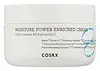
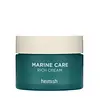
COSRX Hydrium Moisture Power Enriched Cream Versus heimish Marine Care Deep Moisture Nourishing Melting Cream
This barrier-repair moisturizer is formulated around Panthenol and Propolis Extract to strengthen the skin barrier and hydrate skin.
This barrier-repair night moisturizer is formulated around Petrolatum and Niacinamide to strengthen the skin barrier and hydrate skin.

What's inside
What's inside
 Key Ingredients
Benefits
Concerns
Ingredients Side-by-side
Water
Skin ConditioningGlycerin
Humectant


Ethylhexyl Stearate
Emollient




Vinyldimethicone

Pentylene Glycol
Skin Conditioning
Cocos Nucifera Oil
Masking


1,2-Hexanediol
Skin Conditioning
Cetearyl Alcohol
Emollient
Panthenol
Skin Conditioning

Polymethylsilsesquioxane
Arachidyl Alcohol
Emollient
Propolis Extract
Skin Conditioning

Hydroxyethyl Acrylate/Sodium Acryloyldimethyl Taurate Copolymer
Emulsion StabilisingPolyglyceryl-6 Stearate
Emollient
Butylene Glycol
Humectant
Carbomer
Emulsion StabilisingBehenyl Alcohol
Emollient
Glyceryl Stearate
Emollient
Tromethamine
BufferingDimethiconol
Emollient
Caprylyl Glycol
Emollient
Arachidyl Glucoside
EmulsifyingHydrogenated Lecithin
Emulsifying
Ceramide NP
Skin Conditioning

Ethylhexylglycerin
Skin ConditioningXanthan Gum
EmulsifyingSucrose Stearate
EmollientPolyglyceryl-6 Behenate
Emulsion Stabilising
Sodium Polyacrylate Starch
AbsorbentStearic Acid
Cleansing
Palmitic Acid
Emollient
Sodium Hyaluronate
Humectant
Cholesterol
Emollient
Hyaluronic Acid
Humectant
Glycosphingolipids
EmollientHydrolyzed Hyaluronic Acid
Humectant
Water, Glycerin, Ethylhexyl Stearate, Vinyldimethicone, Pentylene Glycol, Cocos Nucifera Oil, 1,2-Hexanediol, Cetearyl Alcohol, Panthenol, Polymethylsilsesquioxane, Arachidyl Alcohol, Propolis Extract, Hydroxyethyl Acrylate/Sodium Acryloyldimethyl Taurate Copolymer, Polyglyceryl-6 Stearate, Butylene Glycol, Carbomer, Behenyl Alcohol, Glyceryl Stearate, Tromethamine, Dimethiconol, Caprylyl Glycol, Arachidyl Glucoside, Hydrogenated Lecithin, Ceramide NP, Ethylhexylglycerin, Xanthan Gum, Sucrose Stearate, Polyglyceryl-6 Behenate, Sodium Polyacrylate Starch, Stearic Acid, Palmitic Acid, Sodium Hyaluronate, Cholesterol, Hyaluronic Acid, Glycosphingolipids, Hydrolyzed Hyaluronic Acid
Water
Skin ConditioningParaffinum Liquidum
Emollient
Petrolatum
Emollient
Microcrystalline Wax
Emulsion StabilisingGlycerin
Humectant
Phytosteryl/Isostearyl/Cetyl/Stearyl/Behenyl Dimer Dilinoleate
Skin Conditioning
Butylene Glycol Dicaprylate/Dicaprate
EmollientZinc Stearate
Cosmetic ColorantNiacinamide
Smoothing





Beeswax
Emulsion Stabilising
Cetyl PEG/PPG-10/1 Dimethicone
Emulsifying
Sodium Chloride
MaskingUndaria Pinnatifida Extract
Skin ConditioningEcklonia Cava Extract
Skin Conditioning
Sorbitan Olivate
Emulsifying
Ozokerite
Emulsion StabilisingLaminaria Japonica Extract
Skin Protecting
Hizikia Fusiforme Extract
Skin Conditioning
Panthenol
Skin Conditioning
Hydrolyzed Collagen
Emollient
Leontopodium Alpinum Callus Culture Extract
Antioxidant
Ulva Lactuca Extract
Skin ConditioningSolidago Virgaurea Extract
Skin ConditioningPorphyra Yezoensis Extract
Skin ConditioningLaminaria Digitata Extract
Skin Protecting
Laminaria Cloustoni Extract
Skin ProtectingEnteromorpha Compressa Extract
Skin Protecting
Codium Tomentosum Extract
Skin ProtectingCodium Fragile Extract
Skin Conditioning
Agarum Cribrosum Extract
Skin ConditioningEthylhexylglycerin
Skin ConditioningSodium Hyaluronate
Humectant
Copper Tripeptide-1
Skin Conditioning
Acetyl Hexapeptide-8
Humectant
Adenosine
Skin Conditioning
Butylene Glycol
Humectant
1,2-Hexanediol
Skin Conditioning
Hexyl Laurate
Emollient
Polyglyceryl-4 Isostearate
Emulsifying
Hydroxyacetophenone
Antioxidant
Hydrogenated Lecithin
Emulsifying
Parfum
Masking
Linalool
Perfuming
Butylphenyl Methylpropional
Perfuming
Disodium EDTA
ChelatingWater, Paraffinum Liquidum, Petrolatum, Microcrystalline Wax, Glycerin, Phytosteryl/Isostearyl/Cetyl/Stearyl/Behenyl Dimer Dilinoleate, Butylene Glycol Dicaprylate/Dicaprate, Zinc Stearate, Niacinamide, Beeswax, Cetyl PEG/PPG-10/1 Dimethicone, Sodium Chloride, Undaria Pinnatifida Extract, Ecklonia Cava Extract, Sorbitan Olivate, Ozokerite, Laminaria Japonica Extract, Hizikia Fusiforme Extract, Panthenol, Hydrolyzed Collagen, Leontopodium Alpinum Callus Culture Extract, Ulva Lactuca Extract, Solidago Virgaurea Extract, Porphyra Yezoensis Extract, Laminaria Digitata Extract, Laminaria Cloustoni Extract, Enteromorpha Compressa Extract, Codium Tomentosum Extract, Codium Fragile Extract, Agarum Cribrosum Extract, Ethylhexylglycerin, Sodium Hyaluronate, Copper Tripeptide-1, Acetyl Hexapeptide-8, Adenosine, Butylene Glycol, 1,2-Hexanediol, Hexyl Laurate, Polyglyceryl-4 Isostearate, Hydroxyacetophenone, Hydrogenated Lecithin, Parfum, Linalool, Butylphenyl Methylpropional, Disodium EDTA
Alternatives
Ingredients Explained
These ingredients are found in both products.
Ingredients higher up in an ingredient list are typically present in a larger amount.
1,2-Hexanediol is a synthetic liquid and another multi-functional powerhouse.
It is a:
- Humectant, drawing moisture into the skin
- Emollient, helping to soften skin
- Solvent, dispersing and stabilizing formulas
- Preservative booster, enhancing the antimicrobial activity of other preservatives
Butylene Glycol (or BG) is used within cosmetic products for a few different reasons:
Overall, Butylene Glycol is a safe and well-rounded ingredient that works well with other ingredients.
Though this ingredient works well with most skin types, some people with sensitive skin may experience a reaction such as allergic rashes, closed comedones, or itchiness.
Learn more about Butylene GlycolEthylhexylglycerin is created from glycerin. It is a multitasker ingredient that:
The CIR Expert Panel found minimal skin absorption or sensitization of any kind in a safety assessment. Though this ingredient is considered well-tolerated, a small number of cases of allergic dermatitis have been published since 2002. Just be sure to patch test if you are unsure.
Industry-reported use ranges from 8% in rinse-off products and 2% in leave-on formulations.
Learn more about EthylhexylglycerinGlycerin (or glycerol) is a compound naturally found in your skin. It's a powerhouse humectant that pulls water into the stratum corneum.
Topically, glycerin does several things at once:
Your skin makes glycerin on its own (mostly from sebaceous oil breakdown) and shuttles it to your outermost layer of skin, or your epidermis, via aquaporin-3.
Aquaporin-3 is a transporter that is essential for normal skin hydration, elasticity, and repair. Interestingly, mice lacking in AQP3 have dry and less elastic skin that can be fully corrected with glycerin.
This ingredient is non-irritating, plays well with almost every ingredient, and works across all skin types. Typical use is anywhere between 3-10% but can go up to 79% in some leave-on products.
Just know very high concentrations (>40%) can feel tacky in low humidity.
Glycerin is the name for this ingredient in American English. British English uses Glycerol/Glycerine.
Learn more about GlycerinHydrogenated Lecithin is a more stable version of lecithin.
It's made by taking lecithin (a phospholipid commonly found in soybeans and egg yolks) and hydrogenating it. This just means the unsaturated fatty acids are turned into saturated ones so they don't go bad as easily.
This ingredient is an emollient, emulsifier, and penetration enhancer. As an emollient, it helps soften and hydrate skin by trapping moisture within. As an emulsifier, it prevents oil and water ingredients from separating.
Hydrogenated Lecithin can form tiny spherical structures made of phospholipid bilayers called liposomes. These liposomes are able to capture compounds inside their structure and deliver them through the skin barrier.
Because phospholipids are a natural component of our cell membranes, this ingredient is inherently compatible with skin.
A 2021 study found lecithin-based surfactants were less harsh and more tolerable comared to Sodium Lauryl Sulfate (SLS).
Learn more about Hydrogenated LecithinPanthenol is a common ingredient that helps hydrate and soothe the skin. It is found naturally in our skin and hair.
There are two forms of panthenol: D and L.
D-panthenol is also known as dexpanthenol. Most cosmetics use dexpanthenol or a mixture of D and L-panthenol.
Panthenol is famous due to its ability to go deeper into the skin's layers. Using this ingredient has numerous pros (and no cons):
Like hyaluronic acid, panthenol is a humectant. Humectants are able to bind and hold large amounts of water to keep skin hydrated.
This ingredient works well for wound healing. It works by increasing tissue in the wound and helps close open wounds.
Once oxidized, panthenol converts to pantothenic acid. Panthothenic acid is found in all living cells.
This ingredient is also referred to as pro-vitamin B5.
Learn more about PanthenolSodium Hyaluronate is the salt form of hyaluronic acid. It is a long sugar chain that is naturally found in your skin, joints, and connective tissue that maintains hydration and elasticity.
In skincare, it works as a humectant. It pulls water from the environment and deeper layers of skin and binds it to the surface.
Interestingly, the size of the molecule affects its behavior:
Some clinical evidence links low molecular weight versions to improved wrinkle depth, elasticity, anti-inflammatory effects, and barrier repair.
Many serums use a blend of both weights so you can get surface hydration plus longer-lasting and deeper effects.
You'll typically see concentrations between 0.1-2% for this ingredient.
Learn more about Sodium HyaluronateWater. It's the most common cosmetic ingredient of all. You'll usually see it at the top of ingredient lists, meaning that it makes up the largest part of the product.
So why is it so popular? Water most often acts as a solvent - this means that it helps dissolve other ingredients into the formulation.
You'll also recognize water as that liquid we all need to stay alive. If you see this, drink a glass of water. Remember to stay hydrated!
Learn more about Water

