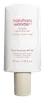
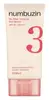
Haruharu Wonder Centella Calm Cloud SPF 60+ Versus Numbuzin No.3 No Filter Tone-Up Sun Serum SPF 50+
This chemical sunscreen covers most of the UV range, lighter on the deep UVA that drives aging.
This hybrid sunscreen covers the full UV range and blocks ~98% of UVB at SPF 50.

What's inside
What's inside
 Key Ingredients
Benefits
Concerns
Ingredients Side-by-side
Butyl Methoxydibenzoylmethane 2.7%
UV Absorber
Homosalate 13.6%
Skin Conditioning
Ethylhexyl Salicylate 4.5%
UV Absorber
Octocrylene 9%
UV Absorber

Water
Skin ConditioningButyloctyl Salicylate
Skin Conditioning
Propanediol
Solvent

Polymethylsilsesquioxane

C20-22 Alkyl Phosphate
EmulsifyingC20-22 Alcohols
Emulsion Stabilising
1,2-Hexanediol
Skin Conditioning
Pentylene Glycol
Skin Conditioning
Panthenol
Skin Conditioning


Methyl Trimethicone
Skin Conditioning
Dimethicone/Vinyl Dimethicone Crosspolymer
Skin Conditioning
Glyceryl Stearate
Emollient

Vp/Eicosene Copolymer
Tromethamine
BufferingPolyacrylate Crosspolymer-6
Emulsion StabilisingSilica
Abrasive


Ammonium Acryloyldimethyltaurate/Vp Copolymer
Ethylhexylglycerin
Skin ConditioningButylene Glycol
Humectant
Methylpropanediol
SolventPolyether-1
Ceramide NP
Skin Conditioning

Sodium Hyaluronate
Humectant
Tocopherol
Antioxidant



Biosaccharide Gum-1
Humectant
Centella Asiatica Extract
Cleansing
Butyl Methoxydibenzoylmethane 2.7%, Homosalate 13.6%, Ethylhexyl Salicylate 4.5%, Octocrylene 9%, Water, Butyloctyl Salicylate, Propanediol, Polymethylsilsesquioxane, C20-22 Alkyl Phosphate, C20-22 Alcohols, 1,2-Hexanediol, Pentylene Glycol, Panthenol, Methyl Trimethicone, Dimethicone/Vinyl Dimethicone Crosspolymer, Glyceryl Stearate, Vp/Eicosene Copolymer, Tromethamine, Polyacrylate Crosspolymer-6, Silica, Ammonium Acryloyldimethyltaurate/Vp Copolymer, Ethylhexylglycerin, Butylene Glycol, Methylpropanediol, Polyether-1, Ceramide NP, Sodium Hyaluronate, Tocopherol, Biosaccharide Gum-1, Centella Asiatica Extract
Centella Asiatica Leaf Extract
Skin Conditioning
Zinc Oxide
Cosmetic Colorant
C9-12 Alkane
SolventCaprylyl Methicone
Skin Conditioning
Propanediol
Solvent
Butyloctyl Salicylate
Skin Conditioning
Disiloxane
Skin Conditioning
Trimethylsiloxysilicate
Emollient
Polyglyceryl-3 Polydimethylsiloxyethyl Dimethicone
Skin Conditioning
Niacinamide
Smoothing

Propylene Glycol Dibenzoate
Skin ConditioningPropylheptyl Caprylate
EmollientTitanium Dioxide
Cosmetic Colorant
1,2-Hexanediol
Skin Conditioning
Lauryl Polyglyceryl-3 Polydimethylsiloxyethyl Dimethicone
Skin Conditioning
Disteardimonium Hectorite
StabilisingTriethoxycaprylylsilane
Magnesium Sulfate
Polyglyceryl-2 Dipolyhydroxystearate
Skin Conditioning
Glyceryl Caprylate
EmollientMethyl Methacrylate Crosspolymer
Isododecane
EmollientOctyldodecanol
Emollient
Caprylyl Glycol
Emollient
Aluminum Hydroxide
EmollientAdenosine
Skin Conditioning
Polyglyceryl-4 Isostearate
Emulsifying
Isopropyl Titanium Triisostearate
Emollient
Tocopherol
Antioxidant
Water
Skin ConditioningPanthenol
Skin Conditioning
Pentylene Glycol
Skin Conditioning
Biotin
AntiseborrhoeicMagnesium PCA
Humectant
Pantothenic Acid
Skin ConditioningZinc PCA
Humectant
Calcium Pantothenate
Glycerin
Humectant
Caprylic/Capric Triglyceride
Masking
Polyglyceryl-6 Caprylate
EmulsifyingPolyglyceryl-4 Caprate
EmulsifyingHydrogenated Lecithin
Emulsifying
Polyglyceryl-10 Stearate
Skin Conditioning
Madecassic Acid
Skin Conditioning
Asiaticoside
Antioxidant
Ceramide NP
Skin Conditioning
Madecassoside
Antioxidant
Asiatic Acid
Skin Conditioning
Cholesterol
Emollient
Stearic Acid
Cleansing
Mica
Cosmetic ColorantCI 77492
Cosmetic ColorantCI 77491
Cosmetic ColorantCI 77499
Cosmetic ColorantCentella Asiatica Leaf Extract, Zinc Oxide, C9-12 Alkane, Caprylyl Methicone, Propanediol, Butyloctyl Salicylate, Disiloxane, Trimethylsiloxysilicate, Polyglyceryl-3 Polydimethylsiloxyethyl Dimethicone, Niacinamide, Propylene Glycol Dibenzoate, Propylheptyl Caprylate, Titanium Dioxide, 1,2-Hexanediol, Lauryl Polyglyceryl-3 Polydimethylsiloxyethyl Dimethicone, Disteardimonium Hectorite, Triethoxycaprylylsilane, Magnesium Sulfate, Polyglyceryl-2 Dipolyhydroxystearate, Glyceryl Caprylate, Methyl Methacrylate Crosspolymer, Isododecane, Octyldodecanol, Caprylyl Glycol, Aluminum Hydroxide, Adenosine, Polyglyceryl-4 Isostearate, Isopropyl Titanium Triisostearate, Tocopherol, Water, Panthenol, Pentylene Glycol, Biotin, Magnesium PCA, Pantothenic Acid, Zinc PCA, Calcium Pantothenate, Glycerin, Caprylic/Capric Triglyceride, Polyglyceryl-6 Caprylate, Polyglyceryl-4 Caprate, Hydrogenated Lecithin, Polyglyceryl-10 Stearate, Madecassic Acid, Asiaticoside, Ceramide NP, Madecassoside, Asiatic Acid, Cholesterol, Stearic Acid, Mica, CI 77492, CI 77491, CI 77499
Reviews
Ingredients Explained
These ingredients are found in both products.
Ingredients higher up in an ingredient list are typically present in a larger amount.
1,2-Hexanediol is a synthetic liquid and another multi-functional powerhouse.
It is a:
- Humectant, drawing moisture into the skin
- Emollient, helping to soften skin
- Solvent, dispersing and stabilizing formulas
- Preservative booster, enhancing the antimicrobial activity of other preservatives
Butyloctyl Salicylate is a chemical UV filter structurally similar to octisalate. It is a photostabilizer, SPF booster, emollient and solvent. This ingredient helps evenly spread out ingredients.
According to a manufacturer, it is suitable for pairing with micro Titanium Dioxide, Zinc Oxide, and pigments.
Photostabilizers help stabilize UV-filters and prevents them from degrading quickly.
Learn more about Butyloctyl SalicylateCeramide NP (formerly known as Ceramide 3) is one of the skin's naturally occurring lipids.
Since ceramides are the major lipid components of the skin, they are crucial for maintaining skin barrier and hydration. Ceramide NP most closely mirrors the dominant kind in human skin amongst ceramide subtypes.
This ceramide works by slotting into gaps within the stratum corneum's lipid matrix to limit trans-epidermal water loss (TEWL) and shield the skin against external irritants.
A study with 312 patients found that using a ceramide-containing routine for 4 weeks reduced the severity of atopic dermatitis by over 61%.
Another clinical study in subjects aged 60 and older found that a ceramide body wash and moisturizer improved skin dryness and itchy skin in 15 days.
Overall, ceramides are considered non-irritating and safety tests have found little to no observable adverse effects from using this ingredient.
Ceramide NP is usually sourced from plants (like soybean or rice bran), or produced synthetically.
Learn more about Ceramide NPPanthenol is a common ingredient that helps hydrate and soothe the skin. It is found naturally in our skin and hair.
There are two forms of panthenol: D and L.
D-panthenol is also known as dexpanthenol. Most cosmetics use dexpanthenol or a mixture of D and L-panthenol.
Panthenol is famous due to its ability to go deeper into the skin's layers. Using this ingredient has numerous pros (and no cons):
Like hyaluronic acid, panthenol is a humectant. Humectants are able to bind and hold large amounts of water to keep skin hydrated.
This ingredient works well for wound healing. It works by increasing tissue in the wound and helps close open wounds.
Once oxidized, panthenol converts to pantothenic acid. Panthothenic acid is found in all living cells.
This ingredient is also referred to as pro-vitamin B5.
Learn more about PanthenolPentylene Glycol (1,2-pentanediol) is a multitasking little diol with three main roles in a formula:
Research on alkanediols (the family pentylene glycol belongs to) show they work by disrupting microbial cell membranes. This disruption helps the primary preservative system in a product work more effectively at lower doses.
On the safety side, the Cosmetic Ingredient Review Expert Panel has concluded this ingredient to be safe as used in current cosmetic practices + concentrations.
Typical use levels in a formula run about 1-5%.
Learn more about Pentylene GlycolPropanediol is an all-star ingredient. It softens, hydrates, and smooths the skin.
It’s often used to:
Propanediol is not likely to cause sensitivity and considered safe to use. It is derived from corn or petroleum with a clear color and no scent.
Learn more about PropanediolTocopherol is a fat-soluble antioxidant known as Vitamin E.
You'll find this ingredient in the vast majority of skincare (for good reason). It works to neutralize free radicals, or unstable molecules generated by UV exposure, pollution, and other environmental stressors, before they can cause oxidative damage to your skin cells.
Topically applied tocopherol has been shown to protect against UV damage by ramping up the skin's own natural defense enzymes.
It also acts as a skin conditioning agent; some studies show that regular topical use can improve the skin's water-binding capacity over 2-4 weeks.
This ingredient is especially loved for being a team player. When combined with Vitamin C, the photoprotective effect of both ingredients roughly doubles and the combo also helps reduce UV-induced DNA damage.
This ingredient has some brightening potential but it's more of a prevention ingredient than spot-fader. Cell studies show it can slow down melanin production but it's worth noting that it's not the most powerful brightener out there.
In formulations, it also serves as a stabilizer that helps protect other oxidation-prone ingredients from degrading.
Concentrations usually range from 0.1-1% in most leave-on products.
Learn more about TocopherolWater. It's the most common cosmetic ingredient of all. You'll usually see it at the top of ingredient lists, meaning that it makes up the largest part of the product.
So why is it so popular? Water most often acts as a solvent - this means that it helps dissolve other ingredients into the formulation.
You'll also recognize water as that liquid we all need to stay alive. If you see this, drink a glass of water. Remember to stay hydrated!
Learn more about Water

