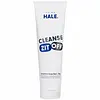
This salicylic acid cream cleanser is formulated around Salicylic Acid to clear breakouts and unclog pores.
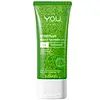
This salicylic acid gel cleanser is formulated around Salicylic Acid to clear breakouts and unclog pores.

What's inside
What's inside
 Key Ingredients
Benefits
Concerns
Ingredients Side-by-side
Water
Skin ConditioningGlycerin
Humectant


Sodium Cocoyl Isethionate
Cleansing
Stearyl Alcohol
Emollient


Glyceryl Stearate
Emollient
Lauryl Betaine
CleansingCoconut Acid
Cleansing
Camellia Sinensis Leaf Extract
Antimicrobial






Sodium Methyl Cocoyl Taurate
Cleansing
Sodium Isethionate
CleansingCoco-Glucoside
Cleansing
Citric Acid
Buffering
Butylene Glycol
Humectant
Sodium Phytate
1,2-Hexanediol
Skin Conditioning
Quillaja Saponaria Bark Extract
CleansingPhenoxyethanol
Preservative
Salicylic Acid
Masking





Calendula Officinalis Flower Extract
Masking
Caprylic/Capric Triglyceride
Masking
Hydrogenated Lecithin
Emulsifying
Ceramide NP
Skin Conditioning
Hydroxyacetophenone
Antioxidant
Hyaluronic Acid
Humectant
Ethylhexylglycerin
Skin ConditioningSodium Stearoyl Glutamate
CleansingHydrolyzed Hyaluronic Acid
Humectant
Sodium Hyaluronate
Humectant
Water, Glycerin, Sodium Cocoyl Isethionate, Stearyl Alcohol, Glyceryl Stearate, Lauryl Betaine, Coconut Acid, Camellia Sinensis Leaf Extract, Sodium Methyl Cocoyl Taurate, Sodium Isethionate, Coco-Glucoside, Citric Acid, Butylene Glycol, Sodium Phytate, 1,2-Hexanediol, Quillaja Saponaria Bark Extract, Phenoxyethanol, Salicylic Acid, Calendula Officinalis Flower Extract, Caprylic/Capric Triglyceride, Hydrogenated Lecithin, Ceramide NP, Hydroxyacetophenone, Hyaluronic Acid, Ethylhexylglycerin, Sodium Stearoyl Glutamate, Hydrolyzed Hyaluronic Acid, Sodium Hyaluronate
Water
Skin ConditioningSodium Laureth Sulfate
Cleansing
Acrylates Copolymer
Cocamidopropyl Betaine
Cleansing
Decyl Glucoside
Cleansing
Butylene Glycol
Humectant
Glycerin
Humectant
PEG-150 Distearate
Emulsifying
Sodium Chloride
MaskingPhenoxyethanol
Preservative
PEG-7 Glyceryl Cocoate
Emulsifying
Sodium Benzoate
Masking
Sodium Hydroxide
BufferingPEG-40 Hydrogenated Castor Oil
Emulsifying
Lactose
HumectantCellulose
Absorbent
Melaleuca Alternifolia Leaf Oil
Antioxidant
PPG-26-Buteth-26
Skin ConditioningParfum
Masking
Disodium EDTA
Citric Acid
Buffering
Sodium Methyl Cocoyl Taurate
Cleansing
Ethylhexyl Methoxycinnamate
UV Absorber

Salicylic Acid
Masking
Butyl Methoxydibenzoylmethane
UV Absorber
Ethylhexyl Salicylate
UV Absorber
Hydroxypropyl Methylcellulose
Emulsion StabilisingJojoba Esters
Emollient
CI 77288
Cosmetic ColorantQuaternium-73
CI 19140
Cosmetic ColorantAscorbyl Palmitate
Antioxidant
Tocopheryl Acetate
Antioxidant
CI 42090
Cosmetic ColorantPanthenol
Skin Conditioning
Scutellaria Baicalensis Root Extract
Astringent
Propanediol
Solvent
Xylitylglucoside
Humectant
Anhydroxylitol
Humectant
Xylitol
Humectant
Madecassoside
Antioxidant
Hydrogenated Lecithin
Emulsifying
Asiaticoside
Antioxidant
Ceramide NP
Skin Conditioning
Rutin
Antioxidant
Hydroxycinnamic Acid
Skin ConditioningAsiatic Acid
Skin Conditioning
Madecassic Acid
Skin Conditioning
Caprylyl Glycol
Emollient
Ceramide Ns
Skin Conditioning
Ceramide As
Skin Conditioning
Glyceryl Caprylate
EmollientStephania Tetrandra Root Extract
Skin ConditioningZinc PCA
Humectant
Ceramide EOP
Skin Conditioning
Ceramide AP
Skin Conditioning
Water, Sodium Laureth Sulfate, Acrylates Copolymer, Cocamidopropyl Betaine, Decyl Glucoside, Butylene Glycol, Glycerin, PEG-150 Distearate, Sodium Chloride, Phenoxyethanol, PEG-7 Glyceryl Cocoate, Sodium Benzoate, Sodium Hydroxide, PEG-40 Hydrogenated Castor Oil, Lactose, Cellulose, Melaleuca Alternifolia Leaf Oil, PPG-26-Buteth-26, Parfum, Disodium EDTA, Citric Acid, Sodium Methyl Cocoyl Taurate, Ethylhexyl Methoxycinnamate, Salicylic Acid, Butyl Methoxydibenzoylmethane, Ethylhexyl Salicylate, Hydroxypropyl Methylcellulose, Jojoba Esters, CI 77288, Quaternium-73, CI 19140, Ascorbyl Palmitate, Tocopheryl Acetate, CI 42090, Panthenol, Scutellaria Baicalensis Root Extract, Propanediol, Xylitylglucoside, Anhydroxylitol, Xylitol, Madecassoside, Hydrogenated Lecithin, Asiaticoside, Ceramide NP, Rutin, Hydroxycinnamic Acid, Asiatic Acid, Madecassic Acid, Caprylyl Glycol, Ceramide Ns, Ceramide As, Glyceryl Caprylate, Stephania Tetrandra Root Extract, Zinc PCA, Ceramide EOP, Ceramide AP
Reviews
Ingredients Explained
These ingredients are found in both products.
Ingredients higher up in an ingredient list are typically present in a larger amount.
Butylene Glycol (or BG) is used within cosmetic products for a few different reasons:
Overall, Butylene Glycol is a safe and well-rounded ingredient that works well with other ingredients.
Though this ingredient works well with most skin types, some people with sensitive skin may experience a reaction such as allergic rashes, closed comedones, or itchiness.
Learn more about Butylene GlycolCeramide NP (formerly known as Ceramide 3) is one of the skin's naturally occurring lipids.
Since ceramides are the major lipid components of the skin, they are crucial for maintaining skin barrier and hydration. Ceramide NP most closely mirrors the dominant kind in human skin amongst ceramide subtypes.
This ceramide works by slotting into gaps within the stratum corneum's lipid matrix to limit trans-epidermal water loss (TEWL) and shield the skin against external irritants.
A study with 312 patients found that using a ceramide-containing routine for 4 weeks reduced the severity of atopic dermatitis by over 61%.
Another clinical study in subjects aged 60 and older found that a ceramide body wash and moisturizer improved skin dryness and itchy skin in 15 days.
Overall, ceramides are considered non-irritating and safety tests have found little to no observable adverse effects from using this ingredient.
Ceramide NP is usually sourced from plants (like soybean or rice bran), or produced synthetically.
Learn more about Ceramide NPCitric Acid is an alpha hydroxy acid (AHA) naturally found in citrus fruits like oranges, lemons, and limes.
Like other AHAs, citric acid can exfoliate skin by breaking down the bonds that hold dead skin cells together. This helps reveal smoother and brighter skin underneath.
However, this exfoliating effect only happens at high concentrations (20%) which can be hard to find in cosmetic products.
Due to this, citric acid is usually included in small amounts as a pH adjuster. This helps keep products slightly more acidic and compatible with skin's natural pH.
In skincare formulas, citric acid can:
While it can provide some skin benefits, research shows lactic acid and glycolic acid are generally more effective and less irritating exfoliants.
Most citric acid used in skincare today is made by fermenting sugars (usually from molasses). This synthetic version is identical to the natural citrus form but easier to stabilize and use in formulations.
Rosacea skin has a lower threshold for acids generally, with 62.5% of rosacea subjects in one study reacting to lactic acid in a sting test. This is why we mark citric acid as a potential rosacea trigger.
However, this ingredient shows up as a pH adjuster or chelator at roughly 0.1-1% in many products. These low levels are unlikely to be an issue for rosacea skin and becomes a potential trigger at exfoliating concentrations (20%). Because everybody's skin is unique, we recommend a patch test if you are unsure.
Learn more about Citric AcidGlycerin (or glycerol) is a compound naturally found in your skin. It's a powerhouse humectant that pulls water into the stratum corneum.
Topically, glycerin does several things at once:
Your skin makes glycerin on its own (mostly from sebaceous oil breakdown) and shuttles it to your outermost layer of skin, or your epidermis, via aquaporin-3.
Aquaporin-3 is a transporter that is essential for normal skin hydration, elasticity, and repair. Interestingly, mice lacking in AQP3 have dry and less elastic skin that can be fully corrected with glycerin.
This ingredient is non-irritating, plays well with almost every ingredient, and works across all skin types. Typical use is anywhere between 3-10% but can go up to 79% in some leave-on products.
Just know very high concentrations (>40%) can feel tacky in low humidity.
Glycerin is the name for this ingredient in American English. British English uses Glycerol/Glycerine.
Learn more about GlycerinHydrogenated Lecithin is a more stable version of lecithin.
It's made by taking lecithin (a phospholipid commonly found in soybeans and egg yolks) and hydrogenating it. This just means the unsaturated fatty acids are turned into saturated ones so they don't go bad as easily.
This ingredient is an emollient, emulsifier, and penetration enhancer. As an emollient, it helps soften and hydrate skin by trapping moisture within. As an emulsifier, it prevents oil and water ingredients from separating.
Hydrogenated Lecithin can form tiny spherical structures made of phospholipid bilayers called liposomes. These liposomes are able to capture compounds inside their structure and deliver them through the skin barrier.
Because phospholipids are a natural component of our cell membranes, this ingredient is inherently compatible with skin.
A 2021 study found lecithin-based surfactants were less harsh and more tolerable comared to Sodium Lauryl Sulfate (SLS).
Learn more about Hydrogenated LecithinPhenoxyethanol is one of the most widely used preservatives in skincare (and for good reason!).
It has a large spectrum of antimicrobial activity and especially effective bacteria, yeast, and mold while only having a weak effect on your skin's natural microbiome.
On a cellular level, it disrupts the cell membranes of microbes by poking holes that make the cell leak. This shuts down the chemical reactions the microbe needs to make energy so it can no longer survive.
Another perk of this ingredient is that it stays functional across a wide pH range (3-10).
You'll often see it paired with boosters like Ethylhexylglycerin; one study showed that a 1:9 ratio of Ethylhexylglycerin to Phenoxyethanol damages bacterial membranes as effectively as doubling the Phenoxyethanol concentration on its own.
Typical use concentrations range from 0.3-1% depending on the formula, and this ingredient is capped at 1% int the EU.
Safety-wise, the fear mongering does not hold up to the evidence. The EU's Scientific Committee on Consumer Safety and FDA consider it safe as a preservative at up to 1%, including for children of all ages.
Adverse systemic effects only showed up in animal studies at exposures roughly 200x higher than what people get from cosmetics. And despite its very widespread use, this ingredient is a rare sensitizer and allergic reactions are uncommon.
Learn more about PhenoxyethanolSalicylic Acid (also known as beta hydroxy acid or BHA) is a well-known ingredient for treating skin that struggles with acne and clogged pores. It exfoliates both the skin's surface and deep within the pores to help clear out buildup, control oil, and reduce inflammation.
Unlike AHAs (alpha hydroxy acids), salicylic acid is oil-soluble. This allows it to penetrate into pores which makes it especially effective for treating blackheads and preventing future breakouts.
Salicylic acid is also known for its soothing properties. It has a similar structure to aspirin and can calm inflamed or irritated skin, making it a good option for acne-prone skin that is also sensitive.
Concentrations of 0.5-2% are recognized by the U.S. FDA as an over-the-counter topical acne product.
It can cause irritation and/or dryness if one's skin already has a compromised moisture barrier, so it's best to focus on repairing that before introducing this ingredient into your routine.
While salicylic acid does not increase sun sensitivity, it’s still important to wear sunscreen daily to protect your skin.
If you are looking for the ingredient called BHA or Butylated Hydroxyanisole, click here.
Learn more about Salicylic AcidSodium Methyl Cocoyl Taurate is a gentle, coconut-derived cleansing surfactant. It's most commonly found in "sulfate-free" cleansers.
As a taurate, it belongs to a class of anionic surfactants prized for being efficient at cleansing without harshness, good performance in hard water, stability across a wide pH range, and easily biodegradable.
It is able to lift away oil and grime and make a nice lather without stripping your skin, so it's a good pick for sensitive skin.
Safety-wise, it has a good record. The CIR Expert Panel has concluded this ingredient to be safe in cosmetics and concentrations go up to 11% in leave-on products or 13% in rinse-off products.
Despite being derived from coconut oil, this ingredient is fungal acne safe. It's a water-soluble surfactant with no fatty oils or esters left intact on skin for the Malassezia yeast to feed.
Learn more about Sodium Methyl Cocoyl TaurateWater. It's the most common cosmetic ingredient of all. You'll usually see it at the top of ingredient lists, meaning that it makes up the largest part of the product.
So why is it so popular? Water most often acts as a solvent - this means that it helps dissolve other ingredients into the formulation.
You'll also recognize water as that liquid we all need to stay alive. If you see this, drink a glass of water. Remember to stay hydrated!
Learn more about Water

