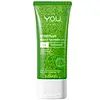
This salicylic acid gel cleanser is formulated around Salicylic Acid to clear breakouts and unclog pores.
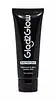
This salicylic acid foaming cleanser is formulated around Salicylic Acid to clear breakouts and unclog pores.

What's inside
What's inside
 Key Ingredients
Benefits
Concerns
Ingredients Side-by-side
Water
Skin ConditioningSodium Laureth Sulfate
Cleansing



Acrylates Copolymer
Cocamidopropyl Betaine
Cleansing

Decyl Glucoside
Cleansing
Butylene Glycol
Humectant

Glycerin
Humectant
PEG-150 Distearate
Emulsifying
Sodium Chloride
MaskingPhenoxyethanol
Preservative
PEG-7 Glyceryl Cocoate
Emulsifying
Sodium Benzoate
Masking
Sodium Hydroxide
BufferingPEG-40 Hydrogenated Castor Oil
Emulsifying
Lactose
HumectantCellulose
Absorbent
Melaleuca Alternifolia Leaf Oil
Antioxidant



PPG-26-Buteth-26
Skin ConditioningParfum
Masking
Disodium EDTA
ChelatingCitric Acid
Buffering

Sodium Methyl Cocoyl Taurate
Cleansing
Ethylhexyl Methoxycinnamate
UV Absorber

Salicylic Acid
Masking


Butyl Methoxydibenzoylmethane
UV Absorber
Ethylhexyl Salicylate
UV Absorber
Hydroxypropyl Methylcellulose
Emulsion StabilisingJojoba Esters
Emollient
CI 77288
Cosmetic ColorantQuaternium-73
CI 19140
Cosmetic ColorantAscorbyl Palmitate
Antioxidant
Tocopheryl Acetate
Antioxidant
CI 42090
Cosmetic ColorantPanthenol
Skin Conditioning

Scutellaria Baicalensis Root Extract
Astringent
Propanediol
Solvent
Xylitylglucoside
Humectant
Anhydroxylitol
Humectant
Xylitol
Humectant
Madecassoside
Antioxidant
Hydrogenated Lecithin
Emulsifying
Asiaticoside
Antioxidant
Ceramide NP
Skin Conditioning
Rutin
Antioxidant
Hydroxycinnamic Acid
Skin ConditioningAsiatic Acid
Skin Conditioning
Madecassic Acid
Skin Conditioning
Caprylyl Glycol
Emollient
Ceramide Ns
Skin Conditioning
Ceramide As
Skin Conditioning
Glyceryl Caprylate
EmollientStephania Tetrandra Root Extract
Skin ConditioningZinc PCA
Humectant
Ceramide EOP
Skin Conditioning
Ceramide AP
Skin Conditioning
Water, Sodium Laureth Sulfate, Acrylates Copolymer, Cocamidopropyl Betaine, Decyl Glucoside, Butylene Glycol, Glycerin, PEG-150 Distearate, Sodium Chloride, Phenoxyethanol, PEG-7 Glyceryl Cocoate, Sodium Benzoate, Sodium Hydroxide, PEG-40 Hydrogenated Castor Oil, Lactose, Cellulose, Melaleuca Alternifolia Leaf Oil, PPG-26-Buteth-26, Parfum, Disodium EDTA, Citric Acid, Sodium Methyl Cocoyl Taurate, Ethylhexyl Methoxycinnamate, Salicylic Acid, Butyl Methoxydibenzoylmethane, Ethylhexyl Salicylate, Hydroxypropyl Methylcellulose, Jojoba Esters, CI 77288, Quaternium-73, CI 19140, Ascorbyl Palmitate, Tocopheryl Acetate, CI 42090, Panthenol, Scutellaria Baicalensis Root Extract, Propanediol, Xylitylglucoside, Anhydroxylitol, Xylitol, Madecassoside, Hydrogenated Lecithin, Asiaticoside, Ceramide NP, Rutin, Hydroxycinnamic Acid, Asiatic Acid, Madecassic Acid, Caprylyl Glycol, Ceramide Ns, Ceramide As, Glyceryl Caprylate, Stephania Tetrandra Root Extract, Zinc PCA, Ceramide EOP, Ceramide AP
Water
Skin ConditioningGlycerin
Humectant
Myristic Acid
Cleansing
Potassium Hydroxide
BufferingGlyceryl Stearate
Emollient
Lauric Acid
Cleansing
Lauryl Glucoside
CleansingStearic Acid
Cleansing
Sodium Taurine Laurate
CleansingPalmitic Acid
Emollient
Cocamidopropyl Betaine
Cleansing
Salicylic Acid
Masking
Acrylates Copolymer
Volcanic Soil
Skin Conditioning
Charcoal Powder
Abrasive
Corn Starch Modified
AbsorbentZinc PCA
Humectant
Cocamide Mea
Emulsifying
Sodium Chloride
MaskingCentella Asiatica Leaf Extract
Skin Conditioning
Propylparaben
Preservative
Disodium EDTA
ChelatingHydroxypropyl Methylcellulose
Emulsion StabilisingMenthol
Masking
1,2-Hexanediol
Skin Conditioning
Butylene Glycol
Humectant
Fomes Officinalis Extract
Skin ProtectingPEG-40 Hydrogenated Castor Oil
Emulsifying
Hydroxyacetophenone
Antioxidant
Aroma
Methylparaben
Preservative
Phenoxyethanol
Preservative
Sodium Benzoate
Masking
CI 77499
Cosmetic ColorantWater, Glycerin, Myristic Acid, Potassium Hydroxide, Glyceryl Stearate, Lauric Acid, Lauryl Glucoside, Stearic Acid, Sodium Taurine Laurate, Palmitic Acid, Cocamidopropyl Betaine, Salicylic Acid, Acrylates Copolymer, Volcanic Soil, Charcoal Powder, Corn Starch Modified, Zinc PCA, Cocamide Mea, Sodium Chloride, Centella Asiatica Leaf Extract, Propylparaben, Disodium EDTA, Hydroxypropyl Methylcellulose, Menthol, 1,2-Hexanediol, Butylene Glycol, Fomes Officinalis Extract, PEG-40 Hydrogenated Castor Oil, Hydroxyacetophenone, Aroma, Methylparaben, Phenoxyethanol, Sodium Benzoate, CI 77499
Reviews
Ingredients Explained
These ingredients are found in both products.
Ingredients higher up in an ingredient list are typically present in a larger amount.
Acrylates Copolymer is used as a film-forming agent and texture enhancer.
After applied, Acrylates Copolymer forms a thin film cover that helps skin feel more soft. It can help sunscreens become more water-resistant.
It is also used to make a product more thick.
Learn more about Acrylates CopolymerButylene Glycol (or BG) is used within cosmetic products for a few different reasons:
Overall, Butylene Glycol is a safe and well-rounded ingredient that works well with other ingredients.
Though this ingredient works well with most skin types, some people with sensitive skin may experience a reaction such as allergic rashes, closed comedones, or itchiness.
Learn more about Butylene GlycolCocamidopropyl Betaine is a fatty acid created by mixing similar compounds in coconut oil and dimethylaminopropylamine, a compound with two amino groups.
This ingredient is a surfactant and cleanser. It helps gather the dirt, pollutants, and other impurities in your skin to be washed away. It also helps thicken a product and make the texture more creamy.
Being created from coconut oil means Cocamidopropyl Betaine is hydrating for the skin.
While Cocamidopropyl Betaine was believed to be an allergen, a study from 2012 disproved this. It found two compounds in unpure Cocamidopropyl Betaine to be the irritants: aminoamide and 3-dimethylaminopropylamine. High-grade and pure Cocamidopropyl Betaine did not induce allergic reactions during this study.
Learn more about Cocamidopropyl BetaineDisodium EDTA is a chelating agent. It grabs onto and deactivates metal ions that sneak into your products from water, packaging, or air.
This ingredient mainly works behind the scenes and helps with:
On top of that, this ingredient can counteract the effects of hard water by binding to the minerals in it.
One thing worth knowing is that Disodium EDTA has been shown to be a mild penetration enhancer. It can help other ingredients absorb into skin more effectively which can be a double-edged sword (great for actives, but can also make the active too strong if you have sensitive skin).
Clinical patch testing showed no significant skin irritation at typical use concentrations and minimal dermal absorption.
You'll most likely see this ingredient near the end of an ingredient list. It's typically found in concentrations less than 1%.
Learn more about Disodium EDTAGlycerin (or glycerol) is a compound naturally found in your skin. It's a powerhouse humectant that pulls water into the stratum corneum.
Topically, glycerin does several things at once:
Your skin makes glycerin on its own (mostly from sebaceous oil breakdown) and shuttles it to your outermost layer of skin, or your epidermis, via aquaporin-3.
Aquaporin-3 is a transporter that is essential for normal skin hydration, elasticity, and repair. Interestingly, mice lacking in AQP3 have dry and less elastic skin that can be fully corrected with glycerin.
This ingredient is non-irritating, plays well with almost every ingredient, and works across all skin types. Typical use is anywhere between 3-10% but can go up to 79% in some leave-on products.
Just know very high concentrations (>40%) can feel tacky in low humidity.
Glycerin is the name for this ingredient in American English. British English uses Glycerol/Glycerine.
Learn more about GlycerinThis ingredient is a semi-synthetic polymer created from cellulose. In case you need a refresher, cellulose is the main component of plant cell walls.
Hydroxypropyl Methylcellulose has many uses:
- emulsifier
- create a gel-like texture
- boost foam
PEG-40 Hydrogenated Castor Oil is an emulsifier derived from castor oil.
As an emulsifying agent, it helps other ingredients like fragrances and fat-soluble vitamins dissolve cohesively.
Due to its large molecule size, it doesn't penetrate beyond the skin's surface.
This ingredient has a solid regulatory track record; the CIR Expert Panel first concluded it was safe for use in cosmetics at concentrations up to 100% in 1997. A 2012 reassessment reaffirmed that finding. Safety studies have also found no irritation or evidence of toxicity.
A 2019 study did find this ingredient to grow Malassezia, so this ingredient may not be fungal acne safe.
Learn more about PEG-40 Hydrogenated Castor OilPhenoxyethanol is one of the most widely used preservatives in skincare (and for good reason!).
It has a large spectrum of antimicrobial activity and especially effective bacteria, yeast, and mold while only having a weak effect on your skin's natural microbiome.
On a cellular level, it disrupts the cell membranes of microbes by poking holes that make the cell leak. This shuts down the chemical reactions the microbe needs to make energy so it can no longer survive.
Another perk of this ingredient is that it stays functional across a wide pH range (3-10).
You'll often see it paired with boosters like Ethylhexylglycerin; one study showed that a 1:9 ratio of Ethylhexylglycerin to Phenoxyethanol damages bacterial membranes as effectively as doubling the Phenoxyethanol concentration on its own.
Typical use concentrations range from 0.3-1% depending on the formula, and this ingredient is capped at 1% int the EU.
Safety-wise, the fear mongering does not hold up to the evidence. The EU's Scientific Committee on Consumer Safety and FDA consider it safe as a preservative at up to 1%, including for children of all ages.
Adverse systemic effects only showed up in animal studies at exposures roughly 200x higher than what people get from cosmetics. And despite its very widespread use, this ingredient is a rare sensitizer and allergic reactions are uncommon.
Learn more about PhenoxyethanolSalicylic Acid (also known as beta hydroxy acid or BHA) is a well-known ingredient for treating skin that struggles with acne and clogged pores. It exfoliates both the skin's surface and deep within the pores to help clear out buildup, control oil, and reduce inflammation.
Unlike AHAs (alpha hydroxy acids), salicylic acid is oil-soluble. This allows it to penetrate into pores which makes it especially effective for treating blackheads and preventing future breakouts.
Salicylic acid is also known for its soothing properties. It has a similar structure to aspirin and can calm inflamed or irritated skin, making it a good option for acne-prone skin that is also sensitive.
Concentrations of 0.5-2% are recognized by the U.S. FDA as an over-the-counter topical acne product.
It can cause irritation and/or dryness if one's skin already has a compromised moisture barrier, so it's best to focus on repairing that before introducing this ingredient into your routine.
While salicylic acid does not increase sun sensitivity, it’s still important to wear sunscreen daily to protect your skin.
If you are looking for the ingredient called BHA or Butylated Hydroxyanisole, click here.
Learn more about Salicylic AcidSodium Benzoate is a preservative. It's used in both cosmetic and food products to inhibit the growth of mold and bacteria. It is typically produced synthetically.
Both the US FDA and EU Health Committee have approved the use of sodium benzoate. In the US, levels of 0.1% (of the total product) are allowed.
Sodium benzoate works as a preservative by inhibiting the growth of bacteria inside of cells. It prevents the cell from fermenting a type of sugar using an enzyme called phosphofructokinase.
It is the salt of benzoic acid. Foods containing sodium benzoate include soda, salad dressings, condiments, fruit juices, wines, and snack foods.
Studies for using ascorbic acid and sodium benzoate in cosmetics are lacking, especially in skincare routines with multiple steps.
We always recommend speaking with a professional, such as a dermatologist, if you have any concerns.
Learn more about Sodium BenzoateChances are, you eat sodium chloride every day. Sodium Chloride is also known as table salt. This ingredient has many purposes in skincare: thickener, emulsifier, and exfoliator.
You'll most likely find this ingredient in cleansers where it is used to create a gel-like texture. As an emulsifier, it also prevents ingredients from separating.
You might see people debate whether Sodium Chloride is comedogenic, but there actually haven't been any comedogenic tests done on it. Either way, the overall formulation of a product matters a lot more than any single ingredient.
You might see this ingredient used in scrubs as a primary exfoliating ingredient.
Learn more about Sodium ChlorideWater. It's the most common cosmetic ingredient of all. You'll usually see it at the top of ingredient lists, meaning that it makes up the largest part of the product.
So why is it so popular? Water most often acts as a solvent - this means that it helps dissolve other ingredients into the formulation.
You'll also recognize water as that liquid we all need to stay alive. If you see this, drink a glass of water. Remember to stay hydrated!
Learn more about WaterZinc PCA is a clever two-in-one molecule: the zinc salt of pyrrolidone carboxylic acid (PCA).
Think of it as two useful things bonded together; the PCA half is one of your skin's own natural moisturizing factors (NMF) so it helps hold water in the upper layers. On the other hand, the zinc half does the heavy lifting on oil and bacteria.
The zinc part slows down an enzyme that turns testosterone into DHT, the hormone that tells your oil glands to pump out more sebum. Less of that signal means less oil. It also gently fights acne-causing bacteria and soothes redness/irritation.
This is why Zinc PCA often shows up in products for oily, breakout-prone skin and greasy scalps.
One lab study also hinted it might have a small anti-aging perk because it seemed to protect collagen from UVA damage and even helped the skin make a bit more of it. That last bit is still early research done in a dish and not real skin, so take it as a nice bonus rather than a promise for now.
As for scar healing, the picture is more "maybe" than a firm yes. Zinc itself plays a real role in wound repair because it is a cofactor for the enzymes involved in collagen building, calming inflammation, and helping new skin cells cover a wound. Lower zinc levels are also linked to slower healing.
Most of the scar healing research is on zinc oxide or oral zinc rather than zinc PCA specifically, with a focus on healing fresh wounds instead of scars that are already there.
Direct evidence that zinc PCA improves the look of established scars is still limited at this time. Though it would be fair to say zinc PCA supports the general skin-repair environment thanks to its zinc content .
This ingredient is water-soluble and plays nicely with other actives like niacinamide and salicylic acid. It works best at mildly acidic formulas (~4-6 pH) and is effective at low levels. Around 0.1% is enough to be active and finished products commonly use it anywhere up to 4%.
Overall, this is a well-tolerated, low-drama multitasker that suits oily and acne-prone skin.
Learn more about Zinc PCA

