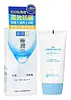
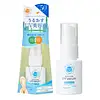
Hada Labo Hydrating Physical Sunscreen SPF 50 Versus Ishizawa Labs Shigaisen Yohou Moisturizing UV Serum SPF 50+
This mineral sunscreen covers the full UV range and blocks ~98% of UVB at SPF 50.
This chemical sunscreen covers most of the UV range, lighter on the deep UVA that drives aging.

What's inside
What's inside
 Key Ingredients
Benefits
Concerns
Ingredients Side-by-side
Cyclopentasiloxane
Emollient
Water
Skin ConditioningZinc Oxide
Cosmetic Colorant


PEG-10 Dimethicone
Skin Conditioning
Dimethicone
Emollient
Methylpropanediol
SolventTitanium Dioxide
Cosmetic Colorant
Sucrose Palmitate
EmollientVinyl Dimethicone/Methicone Silsesquioxane Crosspolymer
Silica
Abrasive

Polyglyceryl-3 Polydimethylsiloxyethyl Dimethicone
Skin Conditioning
PEG-9 Polydimethylsiloxyethyl Dimethicone
Emulsifying
Magnesium Sulfate
Hydrated Silica
Abrasive
Trimethylsiloxysilicate
Emollient
Disteardimonium Hectorite
StabilisingPentylene Glycol
Skin Conditioning
Triethoxycaprylylsilane
Hydrogenated Polyisobutene
EmollientSorbitan Isostearate
Emulsifying

Butylene Glycol
Humectant
Aluminum Hydroxide
EmollientHydrogen Dimethicone
Propylene Carbonate
SolventInonotus Obliquus Extract
Skin ConditioningBisabolol
Antioxidant


Theobroma Grandiflorum Seed Butter
Skin Conditioning
Citrus Sinensis Peel Extract
Perfuming
Biosaccharide Gum-1
Humectant
Yeast Polysaccharides
Skin ConditioningCitrus Limon Peel Oil
Masking





Pelargonium Graveolens Flower Oil
Masking
Citrus Aurantium Bergamia Fruit Oil
Masking
Elettaria Cardamomum Seed Oil
Masking
Ectoin
Skin Conditioning

Hydrolyzed Sodium Hyaluronate
Skin Conditioning
Niacinamide
Smoothing




Phytic Acid
Chelating
Sodium Hyaluronate
Humectant
Caprylic/Capric Triglyceride
Masking
Glycerin
Humectant
Polianthes Tuberosa Extract
MaskingCananga Odorata Flower Oil
Masking
Zingiber Officinale Root Extract
Masking
Sodium Lauroyl Lactylate
Emulsifying1,2-Hexanediol
Skin Conditioning
Laminaria Ochroleuca Extract
Skin Conditioning
Phenoxyethanol
Preservative
Moringa Oleifera Seed Extract
Skin Conditioning
Theobroma Cacao Seed Extract
Antioxidant
Biosaccharide Gum-4
Skin Conditioning
Ceramide NP
Skin Conditioning
Disodium Phosphate
BufferingCeramide AP
Skin Conditioning
Cholesterol
Emollient
Citric Acid
Buffering
Phytosphingosine
Skin Conditioning
Methylparaben
Preservative
Carbomer
Emulsion StabilisingXanthan Gum
EmulsifyingCeramide EOP
Skin Conditioning
Cyclopentasiloxane, Water, Zinc Oxide, PEG-10 Dimethicone, Dimethicone, Methylpropanediol, Titanium Dioxide, Sucrose Palmitate, Vinyl Dimethicone/Methicone Silsesquioxane Crosspolymer, Silica, Polyglyceryl-3 Polydimethylsiloxyethyl Dimethicone, PEG-9 Polydimethylsiloxyethyl Dimethicone, Magnesium Sulfate, Hydrated Silica, Trimethylsiloxysilicate, Disteardimonium Hectorite, Pentylene Glycol, Triethoxycaprylylsilane, Hydrogenated Polyisobutene, Sorbitan Isostearate, Butylene Glycol, Aluminum Hydroxide, Hydrogen Dimethicone, Propylene Carbonate, Inonotus Obliquus Extract, Bisabolol, Theobroma Grandiflorum Seed Butter, Citrus Sinensis Peel Extract, Biosaccharide Gum-1, Yeast Polysaccharides, Citrus Limon Peel Oil, Pelargonium Graveolens Flower Oil, Citrus Aurantium Bergamia Fruit Oil, Elettaria Cardamomum Seed Oil, Ectoin, Hydrolyzed Sodium Hyaluronate, Niacinamide, Phytic Acid, Sodium Hyaluronate, Caprylic/Capric Triglyceride, Glycerin, Polianthes Tuberosa Extract, Cananga Odorata Flower Oil, Zingiber Officinale Root Extract, Sodium Lauroyl Lactylate, 1,2-Hexanediol, Laminaria Ochroleuca Extract, Phenoxyethanol, Moringa Oleifera Seed Extract, Theobroma Cacao Seed Extract, Biosaccharide Gum-4, Ceramide NP, Disodium Phosphate, Ceramide AP, Cholesterol, Citric Acid, Phytosphingosine, Methylparaben, Carbomer, Xanthan Gum, Ceramide EOP
Water
Skin ConditioningEthylhexyl Methoxycinnamate
UV Absorber
Butylene Glycol
Humectant
Diethylamino Hydroxybenzoyl Hexyl Benzoate
UV Filter
Pentylene Glycol
Skin Conditioning
3-O-Ethyl Ascorbic Acid
Skin Conditioning
Ceramide AP
Skin Conditioning
Ceramide Ns
Skin Conditioning
Ceramide NP
Skin Conditioning
Alpha-Arbutin
Antioxidant
Citrus Grandis Fruit Extract
Astringent
Salvia Officinalis Extract
Antimicrobial
Sodium Acetylated Hyaluronate
Humectant
Scutellaria Baicalensis Root Extract
Astringent
Morus Alba Bark Extract
Skin ConditioningChamomilla Recutita Flower Extract
Masking
Malpighia Emarginata Fruit Extract
Skin ConditioningHydrolyzed Collagen
Emollient
Aloe Barbadensis Leaf Extract
Emollient
Citrus Aurantium Dulcis Peel Oil
Masking
Caprylic/Capric Triglyceride
Masking
Acrylates/C10-30 Alkyl Acrylate Crosspolymer
Emulsion StabilisingHydrogenated Poly(C6-20 Olefin)
Abrasive
Sodium Hydroxide
BufferingTocopherol
Antioxidant
Disodium EDTA
ChelatingHdi/Trimethylol Hexyllactone Crosspolymer
Phenoxyethanol
Preservative
Water, Ethylhexyl Methoxycinnamate, Butylene Glycol, Diethylamino Hydroxybenzoyl Hexyl Benzoate, Pentylene Glycol, 3-O-Ethyl Ascorbic Acid, Ceramide AP, Ceramide Ns, Ceramide NP, Alpha-Arbutin, Citrus Grandis Fruit Extract, Salvia Officinalis Extract, Sodium Acetylated Hyaluronate, Scutellaria Baicalensis Root Extract, Morus Alba Bark Extract, Chamomilla Recutita Flower Extract, Malpighia Emarginata Fruit Extract, Hydrolyzed Collagen, Aloe Barbadensis Leaf Extract, Citrus Aurantium Dulcis Peel Oil, Caprylic/Capric Triglyceride, Acrylates/C10-30 Alkyl Acrylate Crosspolymer, Hydrogenated Poly(C6-20 Olefin), Sodium Hydroxide, Tocopherol, Disodium EDTA, Hdi/Trimethylol Hexyllactone Crosspolymer, Phenoxyethanol
Reviews
Ingredients Explained
These ingredients are found in both products.
Ingredients higher up in an ingredient list are typically present in a larger amount.
Butylene Glycol (or BG) is used within cosmetic products for a few different reasons:
Overall, Butylene Glycol is a safe and well-rounded ingredient that works well with other ingredients.
Though this ingredient works well with most skin types, some people with sensitive skin may experience a reaction such as allergic rashes, closed comedones, or itchiness.
Learn more about Butylene GlycolCaprylic/Capric Triglyceride (aka MCT Oil) is a lightweight emollient, solvent, and texture enhancer. It is considered a skin-softener by helping to prevent moisture loss.
Though it behaves like an oil, it is not technically one due to its chemical composition. One perk of this ingredient is that it is very stable, resistant to oxidation, and unlikely to go rancid.
In practice, that translates to a long shelf life and a consistently elegant skin feel.
While there is an assumption Caprylic Triglyceride can clog pores due to it being derived from coconut oil, there is no research supporting this. Just patch test if you have concerns.
Fractionated coconut oil and MCT Oil are both listed as Caprylic/Capric Triglyceride according to INCI. This is because INCI names are based on the ingredient’s final chemical composition and not its marketing name or source.
This ingredient is treated as the gold standard fungal acne safe oil. Even though it is coconut derived, the problematic lauric acid is stripped out.
This leaves just caprylic (C8) and capric (C10) acid. These chain lengths actually trend antifungal; a 2020 study found caprylic acid was enough to disrupt Malassezia furfur cell membrane, with a caprylic acid derivative damaging membrane structures at concentrations as low as 0.2%.
Learn more about Caprylic/Capric TriglycerideCeramide AP is is a skin-identical lipid that mimics what your skin already makes naturally. Ceramides help maintain epidermal integrity and barrier function.
You'll often see this ingredient paired with other ceramides (like ceramide NP), cholesterol, or fatty acids because this combination best mimics the natural lipid mix your skin already has.
The skin's ability to produce ceramides gets disrupted in skin conditions like eczema. This in turn weakens the skin barrier and applying ceramides topically has been shown to replenish what's been lost to restore barrier function.
Most of the studies with Ceramide AP test it as part of a multi-ceramide complex; studies reinforce ceramide AP's role in rebalancing ceramides in skin and improving skin hydration.
Learn more about Ceramide APCeramide NP (formerly known as Ceramide 3) is one of the skin's naturally occurring lipids.
Since ceramides are the major lipid components of the skin, they are crucial for maintaining skin barrier and hydration. Ceramide NP most closely mirrors the dominant kind in human skin amongst ceramide subtypes.
This ceramide works by slotting into gaps within the stratum corneum's lipid matrix to limit trans-epidermal water loss (TEWL) and shield the skin against external irritants.
A study with 312 patients found that using a ceramide-containing routine for 4 weeks reduced the severity of atopic dermatitis by over 61%.
Another clinical study in subjects aged 60 and older found that a ceramide body wash and moisturizer improved skin dryness and itchy skin in 15 days.
Overall, ceramides are considered non-irritating and safety tests have found little to no observable adverse effects from using this ingredient.
Ceramide NP is usually sourced from plants (like soybean or rice bran), or produced synthetically.
Learn more about Ceramide NPPentylene Glycol (1,2-pentanediol) is a multitasking little diol with three main roles in a formula:
Research on alkanediols (the family pentylene glycol belongs to) show they work by disrupting microbial cell membranes. This disruption helps the primary preservative system in a product work more effectively at lower doses.
On the safety side, the Cosmetic Ingredient Review Expert Panel has concluded this ingredient to be safe as used in current cosmetic practices + concentrations.
Typical use levels in a formula run about 1-5%.
Learn more about Pentylene GlycolPhenoxyethanol is one of the most widely used preservatives in skincare (and for good reason!).
It has a large spectrum of antimicrobial activity and especially effective bacteria, yeast, and mold while only having a weak effect on your skin's natural microbiome.
On a cellular level, it disrupts the cell membranes of microbes by poking holes that make the cell leak. This shuts down the chemical reactions the microbe needs to make energy so it can no longer survive.
Another perk of this ingredient is that it stays functional across a wide pH range (3-10).
You'll often see it paired with boosters like Ethylhexylglycerin; one study showed that a 1:9 ratio of Ethylhexylglycerin to Phenoxyethanol damages bacterial membranes as effectively as doubling the Phenoxyethanol concentration on its own.
Typical use concentrations range from 0.3-1% depending on the formula, and this ingredient is capped at 1% int the EU.
Safety-wise, the fear mongering does not hold up to the evidence. The EU's Scientific Committee on Consumer Safety and FDA consider it safe as a preservative at up to 1%, including for children of all ages.
Adverse systemic effects only showed up in animal studies at exposures roughly 200x higher than what people get from cosmetics. And despite its very widespread use, this ingredient is a rare sensitizer and allergic reactions are uncommon.
Learn more about PhenoxyethanolWater. It's the most common cosmetic ingredient of all. You'll usually see it at the top of ingredient lists, meaning that it makes up the largest part of the product.
So why is it so popular? Water most often acts as a solvent - this means that it helps dissolve other ingredients into the formulation.
You'll also recognize water as that liquid we all need to stay alive. If you see this, drink a glass of water. Remember to stay hydrated!
Learn more about Water

