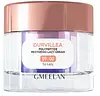
This brightening moisturizer is formulated around Niacinamide and Tripeptide-1 to brighten dull-looking skin and strengthen the skin barrier.


What's inside
What's inside
 Key Ingredients
No key ingredients
Benefits
Concerns
Ingredients Side-by-side
Water
Skin ConditioningGlycerin
Humectant


Hydrogenated Polyisobutene
EmollientMethylpropanediol
SolventCI 77891
Cosmetic ColorantAmmonium Acryloyldimethyltaurate/Vp Copolymer
Cyclopentasiloxane
Emollient
Titanium Dioxide
Cosmetic Colorant

PEG/PPG-14/7 Dimethyl Ether
Skin ConditioningPolyglycerin-10
HumectantBis-PEG/PPG-16/16 PEG/PPG-16/16 Dimethicone
Emollient
Phenoxyethanol
Preservative
Trilaureth-4 Phosphate
EmulsifyingParfum
Masking




Allantoin
Skin Conditioning

Cetyl PEG/PPG-10/1 Dimethicone
Emulsifying
Chlorphenesin
Antimicrobial
3-O-Ethyl Ascorbic Acid
Skin Conditioning



Niacinamide
Smoothing




Ethylhexylglycerin
Skin ConditioningGlycyrrhiza Glabra Root Extract
Bleaching
Ceramide NP
Skin Conditioning
Tripeptide-1
Skin Conditioning
Durvillaea Antarctica Extract
Skin Conditioning
Camellia Sinensis Leaf Extract
Antimicrobial
Pearl Extract
Antioxidant
Chamomilla Recutita Flower Extract
Masking
Rosmarinus Officinalis Leaf Extract
AntimicrobialCynanchum Atratum Extract
Skin ConditioningCitrus Paradisi Fruit Extract
Skin ConditioningStephania Tetrandra Root Extract
Skin ConditioningMyrothamnus Flabellifolia Leaf/Stem Extract
HumectantMentha Piperita Extract
CleansingCitric Acid
Buffering
Sodium Hyaluronate
Humectant
Ascorbic Acid
Antioxidant
Sorbitan Sesquioleate
Emulsifying
Hippophae Rhamnoides Fruit Extract
Skin Conditioning
Triethoxycaprylylsilane
Caprylic/Capric Triglyceride
Masking
Aluminum Hydroxide
EmollientSilica
Abrasive
Alumina
Abrasive
Dimethicone
Emollient
Butylene Glycol
Humectant
Hydrolyzed Sodium Hyaluronate
Skin Conditioning
Nelumbo Nucifera Flower Water
TonicPEG-40 Hydrogenated Castor Oil
Emulsifying
Glutathione
Propanediol
Solvent
1,2-Hexanediol
Skin Conditioning
Centella Asiatica Extract
Cleansing
Hydroxyacetophenone
Antioxidant
Tocopherol
Antioxidant
Scutellaria Baicalensis Root Extract
Astringent
Polygonum Cuspidatum Root Extract
Antioxidant
Leptospermum Scoparium Leaf Extract
Skin ConditioningCI 42090
Cosmetic ColorantWater, Glycerin, Hydrogenated Polyisobutene, Methylpropanediol, CI 77891, Ammonium Acryloyldimethyltaurate/Vp Copolymer, Cyclopentasiloxane, Titanium Dioxide, PEG/PPG-14/7 Dimethyl Ether, Polyglycerin-10, Bis-PEG/PPG-16/16 PEG/PPG-16/16 Dimethicone, Phenoxyethanol, Trilaureth-4 Phosphate, Parfum, Allantoin, Cetyl PEG/PPG-10/1 Dimethicone, Chlorphenesin, 3-O-Ethyl Ascorbic Acid, Niacinamide, Ethylhexylglycerin, Glycyrrhiza Glabra Root Extract, Ceramide NP, Tripeptide-1, Durvillaea Antarctica Extract, Camellia Sinensis Leaf Extract, Pearl Extract, Chamomilla Recutita Flower Extract, Rosmarinus Officinalis Leaf Extract, Cynanchum Atratum Extract, Citrus Paradisi Fruit Extract, Stephania Tetrandra Root Extract, Myrothamnus Flabellifolia Leaf/Stem Extract, Mentha Piperita Extract, Citric Acid, Sodium Hyaluronate, Ascorbic Acid, Sorbitan Sesquioleate, Hippophae Rhamnoides Fruit Extract, Triethoxycaprylylsilane, Caprylic/Capric Triglyceride, Aluminum Hydroxide, Silica, Alumina, Dimethicone, Butylene Glycol, Hydrolyzed Sodium Hyaluronate, Nelumbo Nucifera Flower Water, PEG-40 Hydrogenated Castor Oil, Glutathione, Propanediol, 1,2-Hexanediol, Centella Asiatica Extract, Hydroxyacetophenone, Tocopherol, Scutellaria Baicalensis Root Extract, Polygonum Cuspidatum Root Extract, Leptospermum Scoparium Leaf Extract, CI 42090
Water
Skin ConditioningButylene Glycol
Humectant
Glycerin
Humectant
Propanediol
Solvent
Polymethylsilsesquioxane
Panthenol
Skin Conditioning
CI 77891
Cosmetic ColorantCyclopentasiloxane
Emollient
Sodium Acrylates Copolymer
Betaine
Humectant
Sodium Polyacrylate
Absorbent
Ethylhexyl Stearate
Emollient
Polysilicone-11
Isododecane
EmollientPhenoxyethanol
Preservative
Chlorphenesin
Antimicrobial
Polysorbate 80
Emulsifying
Ethylhexylglycerin
Skin ConditioningCaprylyl Glycol
Emollient
Aluminum Hydroxide
EmollientTriethoxycaprylylsilane
PEG-60 Hydrogenated Castor Oil
Emulsifying
Panthenyl Ethyl Ether
Ceteareth-6
EmulsifyingParfum
Masking
Beta-Glucan
Skin Conditioning
Disodium EDTA
ChelatingNymphaea Alba Root Extract
Skin ConditioningPropylene Glycol
Humectant
Lilium Candidum Bulb Extract
Skin ConditioningGlycyrrhiza Glabra Root Extract
Bleaching
Syringa Vulgaris Extract
Skin ConditioningAnthemis Nobilis Flower Extract
Masking
Saussurea Involucrata Extract
HumectantGossypium Herbaceum Extract
Skin ConditioningWater, Butylene Glycol, Glycerin, Propanediol, Polymethylsilsesquioxane, Panthenol, CI 77891, Cyclopentasiloxane, Sodium Acrylates Copolymer, Betaine, Sodium Polyacrylate, Ethylhexyl Stearate, Polysilicone-11, Isododecane, Phenoxyethanol, Chlorphenesin, Polysorbate 80, Ethylhexylglycerin, Caprylyl Glycol, Aluminum Hydroxide, Triethoxycaprylylsilane, PEG-60 Hydrogenated Castor Oil, Panthenyl Ethyl Ether, Ceteareth-6, Parfum, Beta-Glucan, Disodium EDTA, Nymphaea Alba Root Extract, Propylene Glycol, Lilium Candidum Bulb Extract, Glycyrrhiza Glabra Root Extract, Syringa Vulgaris Extract, Anthemis Nobilis Flower Extract, Saussurea Involucrata Extract, Gossypium Herbaceum Extract
Ingredients Explained
These ingredients are found in both products.
Ingredients higher up in an ingredient list are typically present in a larger amount.
Aluminum Hydroxide is a form of aluminum. It can be naturally found in nature as the mineral gibbsite. In cosmetics, Aluminum Hydroxide is used as a colorant, pH adjuster, and absorbent.
As a colorant, Aluminum Hydroxide may add opacity, or reduce the transparency. Aluminum hydroxide is contains both basic and acidic properties.
According to manufacturers, this ingredient is an emollient and humectant. This means it helps hydrate the skin.
In medicine, this ingredient is used to help relieve heartburn and help heal ulcers.
There is currently no credible scientific evidence linking aluminum hydroxide in cosmetics to increased cancer risk.
Major health organizations allow the use of aluminum hydroxide in personal care products and have not flagged it as a carcinogenic risk at typical usage levels.
Learn more about Aluminum HydroxideButylene Glycol (or BG) is used within cosmetic products for a few different reasons:
Overall, Butylene Glycol is a safe and well-rounded ingredient that works well with other ingredients.
Though this ingredient works well with most skin types, some people with sensitive skin may experience a reaction such as allergic rashes, closed comedones, or itchiness.
Learn more about Butylene GlycolChlorphenesin is a synthetic preservative. It helps protect a product against bacteria in order to extend shelf life. In most cases, Chlorphenesin is paired with other preservatives such as phenoxyethanol and caprylyl glycol.
Chlorphenesin is a biocide. This means it is able to help fight the microorganisms on our skin. It is also able to fight odor-releasing bacteria.
Chlorphenesin is soluble in both water and glycerin.
Studies show Chlorphenesin is easily absorbed by our skin. You should speak with a skincare professional if you have concerns about using Chlorphenesin.
Learn more about ChlorphenesinCi 77891 is a white pigment from Titanium dioxide. It is naturally found in minerals such as rutile and ilmenite.
It's main function is to add a white color to cosmetics. It can also be mixed with other colors to create different shades.
Ci 77891 is commonly found in sunscreens due to its ability to block UV rays.
Learn more about CI 77891Cyclopentasiloxane (D5) is a lightweight silicone that mostly acts as an emollient and solvent in cosmetics. Its the reason your products feel silky, fast-spreading, and non-greasy.
Since D5 is volatile, it does its thing and then evaporates off the skin quickly.
The safety profile of this ingredient is reassuring; the US CIR Expert Panel concluded D5 is safe as used in cosmetics and Health Canada concluded that D5 is not harmful to human health or the environment as currently used in cosmetics
There's a study that people mention about D5 in a rat study showing tumors. This study is related to long-term inhalation of high D5 levels.
Regulatory bodies have judged this study to be not applicable in topical skincare since skin absorption of D5 is very low and we're not really inhaling huge amounts of D5.
The only restriction for this ingredient is environmental. The European Chemicals Agency (ECHA) restricted D5 in wash-off cosmetics at or above 0.1% due to their persistence in water.
Learn more about CyclopentasiloxaneEthylhexylglycerin is created from glycerin. It is a multitasker ingredient that:
The CIR Expert Panel found minimal skin absorption or sensitization of any kind in a safety assessment. Though this ingredient is considered well-tolerated, a small number of cases of allergic dermatitis have been published since 2002. Just be sure to patch test if you are unsure.
Industry-reported use ranges from 8% in rinse-off products and 2% in leave-on formulations.
Learn more about EthylhexylglycerinGlycerin (or glycerol) is a compound naturally found in your skin. It's a powerhouse humectant that pulls water into the stratum corneum.
Topically, glycerin does several things at once:
Your skin makes glycerin on its own (mostly from sebaceous oil breakdown) and shuttles it to your outermost layer of skin, or your epidermis, via aquaporin-3.
Aquaporin-3 is a transporter that is essential for normal skin hydration, elasticity, and repair. Interestingly, mice lacking in AQP3 have dry and less elastic skin that can be fully corrected with glycerin.
This ingredient is non-irritating, plays well with almost every ingredient, and works across all skin types. Typical use is anywhere between 3-10% but can go up to 79% in some leave-on products.
Just know very high concentrations (>40%) can feel tacky in low humidity.
Glycerin is the name for this ingredient in American English. British English uses Glycerol/Glycerine.
Learn more about GlycerinGlycyrrhiza Glabra Root Extract is an extract of the roots of Licorice. It has been found to have several benefits such as skin hydrating, conditioning, and soothing.
One component, glabridin, has extra potent antioxidant and soothing properties. It has also been found to block pigmentation from UVB rays in guinea pigs.
Licorice Root also contains a flavonoid. Flavonoids are a natural substance from in plants. Flavonoids also have antioxidant properties.
Another component, glycyrrhizin, has been found to have anti-inflammatory and antimicrobial benefits. This may make licorice root extract effective at treating acne. However, more research is needed to support this.
Liquiritin is one of the flavone compounds found in licorice. It has been found to help lighten skin by preventing tyrosinase from reacting with tyrosine. When the two react, protein is converted to melanin. Melanin is the substance in your body that gives your features pigmentation.
Learn more about Glycyrrhiza Glabra Root ExtractParfum is a catch-all term for an ingredient or more that is used to give a scent to products.
Also called "fragrance", this ingredient can be a blend of hundreds of chemicals or plant oils. This means every product with "fragrance" or "parfum" in the ingredients list is a different mixture.
For instance, Habanolide is a proprietary trade name for a specific aroma chemical. When used as a fragrance ingredient in cosmetics, most aroma chemicals fall under the broad labeling category of “FRAGRANCE” or “PARFUM” according to EU and US regulations.
The term 'parfum' or 'fragrance' is not regulated in many countries. In many cases, it is up to the brand to define this term.
For instance, many brands choose to label themselves as "fragrance-free" because they are not using synthetic fragrances. However, their products may still contain ingredients such as essential oils that are considered a fragrance by INCI standards.
One example is Calendula flower extract. Calendula is an essential oil that still imparts a scent or 'fragrance'.
Depending on the blend, the ingredients in the mixture can cause allergies and sensitivities on the skin. Some ingredients that are known EU allergens include linalool and citronellol.
Parfum can also be used to mask or cover an unpleasant scent.
The bottom line is: not all fragrances/parfum/ingredients are created equally. If you are worried about fragrances, we recommend taking a closer look at an ingredient. And of course, we always recommend speaking with a professional.
Learn more about ParfumPhenoxyethanol is one of the most widely used preservatives in skincare (and for good reason!).
It has a large spectrum of antimicrobial activity and especially effective bacteria, yeast, and mold while only having a weak effect on your skin's natural microbiome.
On a cellular level, it disrupts the cell membranes of microbes by poking holes that make the cell leak. This shuts down the chemical reactions the microbe needs to make energy so it can no longer survive.
Another perk of this ingredient is that it stays functional across a wide pH range (3-10).
You'll often see it paired with boosters like Ethylhexylglycerin; one study showed that a 1:9 ratio of Ethylhexylglycerin to Phenoxyethanol damages bacterial membranes as effectively as doubling the Phenoxyethanol concentration on its own.
Typical use concentrations range from 0.3-1% depending on the formula, and this ingredient is capped at 1% int the EU.
Safety-wise, the fear mongering does not hold up to the evidence. The EU's Scientific Committee on Consumer Safety and FDA consider it safe as a preservative at up to 1%, including for children of all ages.
Adverse systemic effects only showed up in animal studies at exposures roughly 200x higher than what people get from cosmetics. And despite its very widespread use, this ingredient is a rare sensitizer and allergic reactions are uncommon.
Learn more about PhenoxyethanolPropanediol is an all-star ingredient. It softens, hydrates, and smooths the skin.
It’s often used to:
Propanediol is not likely to cause sensitivity and considered safe to use. It is derived from corn or petroleum with a clear color and no scent.
Learn more about PropanediolTriethoxycaprylylsilane is a silicon-based surface modifier that makes sunscreens feel silky and makeup stay put.
Its main job is to coat mineral particles like titanium dioxide, zinc oxide, and color pigments in a thin, oily layer so they spread smoothly, don't clump, and stick to skin better.
This ingredient is typically used at low levels (up to 2.5% in eyeshadow and 1% in lipstick).
Learn more about TriethoxycaprylylsilaneWater. It's the most common cosmetic ingredient of all. You'll usually see it at the top of ingredient lists, meaning that it makes up the largest part of the product.
So why is it so popular? Water most often acts as a solvent - this means that it helps dissolve other ingredients into the formulation.
You'll also recognize water as that liquid we all need to stay alive. If you see this, drink a glass of water. Remember to stay hydrated!
Learn more about Water

