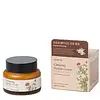
This anti-aging moisturizer is formulated around Panax Ginseng Root Extract and Niacinamide to soften the look of wrinkles and hydrate skin.
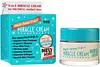
This barrier-repair moisturizer is formulated around Caprylic/Capric Triglyceride to strengthen the skin barrier and hydrate skin.


What's inside
What's inside
 Key Ingredients
Benefits
Concerns
Ingredients Side-by-side
Panax Ginseng Root Extract
Emollient



Butylene Glycol
Humectant
Dipropylene Glycol
HumectantCaprylyl Methicone
Skin Conditioning
1,2-Hexanediol
Skin Conditioning
Propanediol
Solvent
Squalane
Emollient
Niacinamide
Smoothing






Glyceryl Stearate
Emollient

PEG-100 Stearate
Surfactant
C14-22 Alcohols
Emulsion Stabilising
Lactobacillus/Panax Ginseng Root Extract Ferment Filtrate
Skin ConditioningEthylhexyl Palmitate
Emollient


Cetyl Ethylhexanoate
EmollientDimethicone
Emollient
Macadamia Ternifolia Seed Oil
Emollient
Water
Skin ConditioningHydroxyacetophenone
Antioxidant
C12-20 Alkyl Glucoside
EmulsifyingDimethicone/Vinyl Dimethicone Crosspolymer
Skin Conditioning
Parfum
Masking


Carbomer
Emulsion StabilisingArginine
Masking
Hydroxyethyl Acrylate/Sodium Acryloyldimethyl Taurate Copolymer
Emulsion StabilisingHelianthus Annuus Seed Oil
Emollient
Hydrogenated Lecithin
Emulsifying
Adenosine
Skin Conditioning
Sodium Gluconate
ChelatingCeramide NP
Skin Conditioning
Lithospermum Erythrorhizon Root Oil
Skin Conditioning
Sorbitan Isostearate
Emulsifying
Polysorbate 60
Emulsifying
PEG-10 Rapeseed Sterol
CleansingGlycine Soja Oil
Emollient
Malt Extract
Skin ProtectingPentylene Glycol
Skin Conditioning
Glycereth-20
HumectantCamellia Japonica Flower Extract
EmollientMadecassoside
Antioxidant
Hydrolyzed Hyaluronic Acid
Humectant
Bixa Orellana Seed Oil
Emollient
Caprylyl Glycol
Emollient
Tremella Fuciformis Polysaccharide
Emulsion Stabilising
Ethylhexylglycerin
Skin ConditioningAcetyl Octapeptide-3
Humectant
Tocopherol
Antioxidant
Acetyl Hexapeptide-22
Antioxidant
Acetyl Hexapeptide-8
Humectant
Sh-Pentapeptide-19
Skin Conditioning
Sh-Octapeptide-4
Antioxidant
Oligopeptide-28
Antioxidant
Sh-Decapeptide-7
Antioxidant
Caffeoyl Tripeptide-1
Antioxidant
Sh-Oligopeptide-1
Skin Conditioning
Linalool
Perfuming
Benzyl Benzoate
Antimicrobial
Limonene
Perfuming
Geraniol
Perfuming
Citronellol
Perfuming
Alpha-Isomethyl Ionone
Perfuming
Panax Ginseng Root Extract, Butylene Glycol, Dipropylene Glycol, Caprylyl Methicone, 1,2-Hexanediol, Propanediol, Squalane, Niacinamide, Glyceryl Stearate, PEG-100 Stearate, C14-22 Alcohols, Lactobacillus/Panax Ginseng Root Extract Ferment Filtrate, Ethylhexyl Palmitate, Cetyl Ethylhexanoate, Dimethicone, Macadamia Ternifolia Seed Oil, Water, Hydroxyacetophenone, C12-20 Alkyl Glucoside, Dimethicone/Vinyl Dimethicone Crosspolymer, Parfum, Carbomer, Arginine, Hydroxyethyl Acrylate/Sodium Acryloyldimethyl Taurate Copolymer, Helianthus Annuus Seed Oil, Hydrogenated Lecithin, Adenosine, Sodium Gluconate, Ceramide NP, Lithospermum Erythrorhizon Root Oil, Sorbitan Isostearate, Polysorbate 60, PEG-10 Rapeseed Sterol, Glycine Soja Oil, Malt Extract, Pentylene Glycol, Glycereth-20, Camellia Japonica Flower Extract, Madecassoside, Hydrolyzed Hyaluronic Acid, Bixa Orellana Seed Oil, Caprylyl Glycol, Tremella Fuciformis Polysaccharide, Ethylhexylglycerin, Acetyl Octapeptide-3, Tocopherol, Acetyl Hexapeptide-22, Acetyl Hexapeptide-8, Sh-Pentapeptide-19, Sh-Octapeptide-4, Oligopeptide-28, Sh-Decapeptide-7, Caffeoyl Tripeptide-1, Sh-Oligopeptide-1, Linalool, Benzyl Benzoate, Limonene, Geraniol, Citronellol, Alpha-Isomethyl Ionone
Water
Skin ConditioningCaprylic/Capric Triglyceride
Masking
Cetearyl Isononanoate
Emollient
Cetyl Alcohol
Emollient
Butylene Glycol
Humectant
Glyceryl Stearate
Emollient
Cyclopentasiloxane
Emollient
Dimethicone
Emollient
PEG-100 Stearate
Surfactant
Phenoxyethanol
Preservative
Parfum
Masking
Sodium Polyacrylate
Absorbent
Glycerin
Humectant
Sodium Stearoyl Glutamate
CleansingDimethiconol
Emollient
Acrylates/Vinyl Isodecanoate Crosspolymer
Emulsion StabilisingDisodium EDTA
ChelatingEthylhexylglycerin
Skin Conditioning2-Bromo-2-Nitropropane-1,3-Diol
Preservative
Sodium Hydroxide
BufferingTocopheryl Acetate
Antioxidant
Aspalathus Linearis Leaf/Stalk Extract
Skin ConditioningCyperus Rotundus Root Extract
Skin ConditioningSodium Benzoate
Masking
Sodium Hyaluronate
Humectant
Lactic Acid
Buffering
Potassium Sorbate
Preservative
Benzyl Salicylate
Perfuming
Hydroxycitronellal
Perfuming
Alpha-Isomethyl Ionone
Perfuming
Limonene
Perfuming
Citral
Perfuming
Coumarin
Perfuming
Water, Caprylic/Capric Triglyceride, Cetearyl Isononanoate, Cetyl Alcohol, Butylene Glycol, Glyceryl Stearate, Cyclopentasiloxane, Dimethicone, PEG-100 Stearate, Phenoxyethanol, Parfum, Sodium Polyacrylate, Glycerin, Sodium Stearoyl Glutamate, Dimethiconol, Acrylates/Vinyl Isodecanoate Crosspolymer, Disodium EDTA, Ethylhexylglycerin, 2-Bromo-2-Nitropropane-1,3-Diol, Sodium Hydroxide, Tocopheryl Acetate, Aspalathus Linearis Leaf/Stalk Extract, Cyperus Rotundus Root Extract, Sodium Benzoate, Sodium Hyaluronate, Lactic Acid, Potassium Sorbate, Benzyl Salicylate, Hydroxycitronellal, Alpha-Isomethyl Ionone, Limonene, Citral, Coumarin
Ingredients Explained
These ingredients are found in both products.
Ingredients higher up in an ingredient list are typically present in a larger amount.
Alpha-Isomethyl Ionone is a fragrance. It can be synthetically created or naturally occurring.
The scent of Alpha-Isomethyl Ionone is described as "flowery" but can also be "woody".
Naturally occurring Alpha-Isomethyl Ionone may be found in Saccharomyces cerevisiae, or the yeast used to make wine and bread.
The term 'fragrance' is not regulated in many countries. In many cases, it is up to the brand to define this term. For instance, many brands choose to label themselves as "fragrance-free" because they are not using synthetic fragrances. However, their products may still contain ingredients such as essential oils that are considered a fragrance.
Learn more about Alpha-Isomethyl IononeButylene Glycol (or BG) is used within cosmetic products for a few different reasons:
Overall, Butylene Glycol is a safe and well-rounded ingredient that works well with other ingredients.
Though this ingredient works well with most skin types, some people with sensitive skin may experience a reaction such as allergic rashes, closed comedones, or itchiness.
Learn more about Butylene GlycolDimethicone is a type of synthetic silicone created from natural materials such as quartz. It is also known as polydimethylsiloxane.
What it does:
Dimethicone comes in different viscosities:
Depending on the viscosity, dimethicone has different properties.
Ingredients lists don't always show which type is used, so we recommend reaching out to the brand if you have questions about the viscosity.
This ingredient is unlikely to cause irritation because it does not get absorbed into skin. However, people with silicone allergies should be careful about using this ingredient.
Note: Dimethicone may contribute to pilling. This is because it is not oil or water soluble, so pilling may occur when layered with products. When mixed with heavy oils in a formula, the outcome is also quite greasy.
Learn more about DimethiconeEthylhexylglycerin is created from glycerin. It is a multitasker ingredient that:
The CIR Expert Panel found minimal skin absorption or sensitization of any kind in a safety assessment. Though this ingredient is considered well-tolerated, a small number of cases of allergic dermatitis have been published since 2002. Just be sure to patch test if you are unsure.
Industry-reported use ranges from 8% in rinse-off products and 2% in leave-on formulations.
Learn more about EthylhexylglycerinGlyceryl Stearate is made by reacting glycerin with stearic acid (typically sourced from plant oils like palm or coconut). It's an emulsifier, emollient, and mild occlusive.
Emulsifiers help ingredients like oil and water stay mixed so your formula stays nicely blended and uniform in texture.
This ingredient is typically used in concentrations between 1-10%. Studies have found it to be non-sensitizing, non-phototoxic, and non-photoallergenic.
A close cousin of this ingredient is Glyceryl Stearate SE ("self-emulsifying"). This just has a small amount of sodium or potassium stearate added so it can emulsify without a co-emulsifier.
Since this ingredient is an ester of a C18 fatty acid, it may not be fungal acne safe. The Malassezia yeast can potentially metabolize within the C11-C24 range.
Fun fact: The human body also creates Glyceryl Stearate naturally.
Learn more about Glyceryl StearateLimonene is the compound that gives citrus peel its smell.
In skincare, it shows up as a standalone fragrance ingredient or as a natural compound of citrus and other essential oils.
You'll typically see this ingredient used in very small amounts; anything above 0.001% in a leave-on product or 0.01% in a rinse-off has to be named on the label in the EU. The citrus oils that carry it sit around 0.5-1% in a finished formula.
Fresh limonene is a weak allergen; the real issue is that it slowly reacts with air and then breaks down from oxidation to create hydroperoxides (which are strong sensitizers). This is why suppliers are required to keep the peroxide value below 20 mmol.
Positive reactions in people being investigated for eczema vary:
It's worth skipping if you have a known fragrance allergy or a compromised barrier, but the risk is low for most people.
Older or long-opened products are also more likely to bother you than fresh ones due to oxidation.
Learn more about LimoneneParfum is a catch-all term for an ingredient or more that is used to give a scent to products.
Also called "fragrance", this ingredient can be a blend of hundreds of chemicals or plant oils. This means every product with "fragrance" or "parfum" in the ingredients list is a different mixture.
For instance, Habanolide is a proprietary trade name for a specific aroma chemical. When used as a fragrance ingredient in cosmetics, most aroma chemicals fall under the broad labeling category of “FRAGRANCE” or “PARFUM” according to EU and US regulations.
The term 'parfum' or 'fragrance' is not regulated in many countries. In many cases, it is up to the brand to define this term.
For instance, many brands choose to label themselves as "fragrance-free" because they are not using synthetic fragrances. However, their products may still contain ingredients such as essential oils that are considered a fragrance by INCI standards.
One example is Calendula flower extract. Calendula is an essential oil that still imparts a scent or 'fragrance'.
Depending on the blend, the ingredients in the mixture can cause allergies and sensitivities on the skin. Some ingredients that are known EU allergens include linalool and citronellol.
Parfum can also be used to mask or cover an unpleasant scent.
The bottom line is: not all fragrances/parfum/ingredients are created equally. If you are worried about fragrances, we recommend taking a closer look at an ingredient. And of course, we always recommend speaking with a professional.
Learn more about ParfumPeg-100 Stearate is an emollient and emulsifier. As an emollient, it helps keep skin soft by trapping moisture in. On the other hand, emulsifiers help prevent oil and water from separating in a product.
PEGS are a hydrophilic polyether compound . There are 100 ethylene oxide monomers in Peg-100 Stearate. Peg-100 Stearate is polyethylene glycol ester of stearic acid.
Water. It's the most common cosmetic ingredient of all. You'll usually see it at the top of ingredient lists, meaning that it makes up the largest part of the product.
So why is it so popular? Water most often acts as a solvent - this means that it helps dissolve other ingredients into the formulation.
You'll also recognize water as that liquid we all need to stay alive. If you see this, drink a glass of water. Remember to stay hydrated!
Learn more about Water

