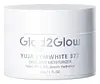
This brightening moisturizer is formulated around 3-O-Ethyl Ascorbic Acid and Phenylethyl Resorcinol to fade the look of dark spots and brighten dull-looking skin.
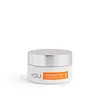
This brightening moisturizer is formulated around Niacinamide and 3-O-Ethyl Ascorbic Acid to brighten dull-looking skin.

What's inside
What's inside
 Key Ingredients
Benefits
Concerns
Ingredients Side-by-side
Water
Skin ConditioningButylene Glycol
Humectant

Glycerin
Humectant
Citrus Junos Fruit Extract
Skin Conditioning3-O-Ethyl Ascorbic Acid
Skin Conditioning




Caprylic/Capric Triglyceride
Masking
Centella Asiatica Extract
Cleansing

Panthenol
Skin Conditioning
Betaine
Humectant
Isopropyl Palmitate
Emollient




Allantoin
Skin Conditioning
Glycereth-26
Humectant
Ammonium Acryloyldimethyltaurate/Vp Copolymer
Phenylethyl Resorcinol
Antioxidant

1,2-Hexanediol
Skin Conditioning
Hydroxyacetophenone
Antioxidant
Polyacrylate-13
Butyrospermum Parkii Butter
Skin Conditioning
Dimethyl Isosorbide
SolventSodium Hyaluronate
Humectant
Xanthan Gum
EmulsifyingCeramide Ns
Skin Conditioning
Ceramide AP
Skin Conditioning
Hydroxypinacolone Retinoate
Skin Conditioning


Propylene Glycol
Humectant
Cetearyl Alcohol
Emollient
Dimethicone
Emollient
Polysorbate 20
Emulsifying
Ceramide NP
Skin Conditioning
Tetrapeptide-1
Skin Conditioning
Nonapeptide-1
Skin Conditioning
Polyisobutene
Pentylene Glycol
Skin Conditioning
Sorbitan Isostearate
Emulsifying
Aroma


Rosa Hybrid Flower Extract
Skin ConditioningWater, Butylene Glycol, Glycerin, Citrus Junos Fruit Extract, 3-O-Ethyl Ascorbic Acid, Caprylic/Capric Triglyceride, Centella Asiatica Extract, Panthenol, Betaine, Isopropyl Palmitate, Allantoin, Glycereth-26, Ammonium Acryloyldimethyltaurate/Vp Copolymer, Phenylethyl Resorcinol, 1,2-Hexanediol, Hydroxyacetophenone, Polyacrylate-13, Butyrospermum Parkii Butter, Dimethyl Isosorbide, Sodium Hyaluronate, Xanthan Gum, Ceramide Ns, Ceramide AP, Hydroxypinacolone Retinoate, Propylene Glycol, Cetearyl Alcohol, Dimethicone, Polysorbate 20, Ceramide NP, Tetrapeptide-1, Nonapeptide-1, Polyisobutene, Pentylene Glycol, Sorbitan Isostearate, Aroma, Rosa Hybrid Flower Extract
Water
Skin ConditioningPropylene Glycol
Humectant
Glycerin
Humectant
Niacinamide
Smoothing
Cyclopentasiloxane
Emollient
Dimethicone
Emollient
Caprylic/Capric Triglyceride
Masking
Polyglyceryl-3 Methylglucose Distearate
Emulsifying
Trehalose
Humectant
Isononyl Isononanoate
EmollientPEG-20 Methyl Glucose Sesquistearate
Emulsifying
Carbomer
Emulsion StabilisingTriethanolamine
BufferingAmmonium Acryloyldimethyltaurate/Vp Copolymer
Phenoxyethanol
Preservative
Hydroxyacetophenone
Antioxidant
Sodium Lauroyl Lactylate
Emulsifying3-O-Ethyl Ascorbic Acid
Skin Conditioning
Dimethiconol
Emollient
Isododecane
EmollientDisodium EDTA
ChelatingZea Mays Starch
Absorbent
Glycyrrhiza Glabra Root Extract
Bleaching
Hydrolyzed Corn Starch
HumectantHydrolyzed Corn Starch Octenylsuccinate
AbsorbentCocos Nucifera Oil
Masking
Ceramide NP
Skin Conditioning
Tremella Fuciformis Sporocarp Extract
Antioxidant
Butyrospermum Parkii Butter Extract
Skin Conditioning
Isopropyl Palmitate
Emollient
Citrus Limon Fruit Oil
Astringent
Cocamidopropyl Dimethylamine
Emulsifying
Citrus Aurantium Bergamia Fruit Oil
Masking

Pelargonium Graveolens Flower Oil
Masking
Phytosphingosine
Skin Conditioning
Ceramide AP
Skin Conditioning
Cyclotetrasiloxane
Emollient
Xanthan Gum
EmulsifyingPhenylethyl Resorcinol
Antioxidant
Cholesterol
Emollient
Lactic Acid
Buffering
Ethylhexylglycerin
Skin ConditioningButylene Glycol
Humectant
Sodium Hyaluronate
Humectant
Hyaluronic Acid
Humectant
1,2-Hexanediol
Skin Conditioning
Palmitoyl Tripeptide-5
Skin Conditioning
Hydrated Silica
Abrasive
Ceramide EOP
Skin Conditioning
Water, Propylene Glycol, Glycerin, Niacinamide, Cyclopentasiloxane, Dimethicone, Caprylic/Capric Triglyceride, Polyglyceryl-3 Methylglucose Distearate, Trehalose, Isononyl Isononanoate, PEG-20 Methyl Glucose Sesquistearate, Carbomer, Triethanolamine, Ammonium Acryloyldimethyltaurate/Vp Copolymer, Phenoxyethanol, Hydroxyacetophenone, Sodium Lauroyl Lactylate, 3-O-Ethyl Ascorbic Acid, Dimethiconol, Isododecane, Disodium EDTA, Zea Mays Starch, Glycyrrhiza Glabra Root Extract, Hydrolyzed Corn Starch, Hydrolyzed Corn Starch Octenylsuccinate, Cocos Nucifera Oil, Ceramide NP, Tremella Fuciformis Sporocarp Extract, Butyrospermum Parkii Butter Extract, Isopropyl Palmitate, Citrus Limon Fruit Oil, Cocamidopropyl Dimethylamine, Citrus Aurantium Bergamia Fruit Oil, Pelargonium Graveolens Flower Oil, Phytosphingosine, Ceramide AP, Cyclotetrasiloxane, Xanthan Gum, Phenylethyl Resorcinol, Cholesterol, Lactic Acid, Ethylhexylglycerin, Butylene Glycol, Sodium Hyaluronate, Hyaluronic Acid, 1,2-Hexanediol, Palmitoyl Tripeptide-5, Hydrated Silica, Ceramide EOP
Reviews
Ingredients Explained
These ingredients are found in both products.
Ingredients higher up in an ingredient list are typically present in a larger amount.
1,2-Hexanediol is a synthetic liquid and another multi-functional powerhouse.
It is a:
- Humectant, drawing moisture into the skin
- Emollient, helping to soften skin
- Solvent, dispersing and stabilizing formulas
- Preservative booster, enhancing the antimicrobial activity of other preservatives
3-O-Ethyl Ascorbic Acid is one of the most popular "stable" vitamin C derivatives in skincare.
Plain ascorbic acid is fantastic but notoriously fragile; it browns, oxidizes, and loses potency fast. So attaching an ethyl group to the third carbon of the molecule gives it some cool perks:
In a formula, it does the 3 classic vitamin C jobs: it acts as an antioxidant, helps brighten skin tone by inhibiting tyrosinase, and supports collagen.
The evidence is reasonably solid for a cosmetic ingredient; Liao and colleagues (2018) showed it's significantly more stable than ascorbic acid while still being effective.
A 2021 study by Zerbinati and colleagues tested a serum with 30% 3-O-ethyl-l-ascorbic acid and 1% lactic acid significantly increased collagen production, reduced UVB-induced DNA damage, and decreased melanin on a reconstructed pigmented skin model.
Typical real world usage sits around 0.5-5% (and 1-2% is common for daily serums).
Amounts up to 30% have been shown to be non-irritating on human skin samples, but two isolated cases reported allergic contact dermatitis so a patch test is sensible if you have reactive skin.
Learn more about 3-O-Ethyl Ascorbic AcidAmmonium Acryloyldimethyltaurate/Vp Copolymer is a synthetically created polymer. It's used as a film-forming agent and used to thicken the consistency of products.
Think of it as a supportive ingredient that helps your gel-creams feel silky, "cloud cream-like", and spread evenly without being greasy.
The Cosmetic Ingredient Review (CIR) Expert Panel evaluated it (along with 22 other acryloyldimethyltaurate polymers) and concluded it's:
Due to its large molecular size, it sits on the surface of skin rather than penetrating it.
Learn more about Ammonium Acryloyldimethyltaurate/Vp CopolymerButylene Glycol (or BG) is used within cosmetic products for a few different reasons:
Overall, Butylene Glycol is a safe and well-rounded ingredient that works well with other ingredients.
Though this ingredient works well with most skin types, some people with sensitive skin may experience a reaction such as allergic rashes, closed comedones, or itchiness.
Learn more about Butylene GlycolCaprylic/Capric Triglyceride (aka MCT Oil) is a lightweight emollient, solvent, and texture enhancer. It is considered a skin-softener by helping to prevent moisture loss.
Though it behaves like an oil, it is not technically one due to its chemical composition. One perk of this ingredient is that it is very stable, resistant to oxidation, and unlikely to go rancid.
In practice, that translates to a long shelf life and a consistently elegant skin feel.
While there is an assumption Caprylic Triglyceride can clog pores due to it being derived from coconut oil, there is no research supporting this. Just patch test if you have concerns.
Fractionated coconut oil and MCT Oil are both listed as Caprylic/Capric Triglyceride according to INCI. This is because INCI names are based on the ingredient’s final chemical composition and not its marketing name or source.
This ingredient is treated as the gold standard fungal acne safe oil. Even though it is coconut derived, the problematic lauric acid is stripped out.
This leaves just caprylic (C8) and capric (C10) acid. These chain lengths actually trend antifungal; a 2020 study found caprylic acid was enough to disrupt Malassezia furfur cell membrane, with a caprylic acid derivative damaging membrane structures at concentrations as low as 0.2%.
Learn more about Caprylic/Capric TriglycerideCeramide AP is is a skin-identical lipid that mimics what your skin already makes naturally. Ceramides help maintain epidermal integrity and barrier function.
You'll often see this ingredient paired with other ceramides (like ceramide NP), cholesterol, or fatty acids because this combination best mimics the natural lipid mix your skin already has.
The skin's ability to produce ceramides gets disrupted in skin conditions like eczema. This in turn weakens the skin barrier and applying ceramides topically has been shown to replenish what's been lost to restore barrier function.
Most of the studies with Ceramide AP test it as part of a multi-ceramide complex; studies reinforce ceramide AP's role in rebalancing ceramides in skin and improving skin hydration.
Learn more about Ceramide APCeramide NP (formerly known as Ceramide 3) is one of the skin's naturally occurring lipids.
Since ceramides are the major lipid components of the skin, they are crucial for maintaining skin barrier and hydration. Ceramide NP most closely mirrors the dominant kind in human skin amongst ceramide subtypes.
This ceramide works by slotting into gaps within the stratum corneum's lipid matrix to limit trans-epidermal water loss (TEWL) and shield the skin against external irritants.
A study with 312 patients found that using a ceramide-containing routine for 4 weeks reduced the severity of atopic dermatitis by over 61%.
Another clinical study in subjects aged 60 and older found that a ceramide body wash and moisturizer improved skin dryness and itchy skin in 15 days.
Overall, ceramides are considered non-irritating and safety tests have found little to no observable adverse effects from using this ingredient.
Ceramide NP is usually sourced from plants (like soybean or rice bran), or produced synthetically.
Learn more about Ceramide NPDimethicone is a type of synthetic silicone created from natural materials such as quartz. It is also known as polydimethylsiloxane.
What it does:
Dimethicone comes in different viscosities:
Depending on the viscosity, dimethicone has different properties.
Ingredients lists don't always show which type is used, so we recommend reaching out to the brand if you have questions about the viscosity.
This ingredient is unlikely to cause irritation because it does not get absorbed into skin. However, people with silicone allergies should be careful about using this ingredient.
Note: Dimethicone may contribute to pilling. This is because it is not oil or water soluble, so pilling may occur when layered with products. When mixed with heavy oils in a formula, the outcome is also quite greasy.
Learn more about DimethiconeGlycerin (or glycerol) is a compound naturally found in your skin. It's a powerhouse humectant that pulls water into the stratum corneum.
Topically, glycerin does several things at once:
Your skin makes glycerin on its own (mostly from sebaceous oil breakdown) and shuttles it to your outermost layer of skin, or your epidermis, via aquaporin-3.
Aquaporin-3 is a transporter that is essential for normal skin hydration, elasticity, and repair. Interestingly, mice lacking in AQP3 have dry and less elastic skin that can be fully corrected with glycerin.
This ingredient is non-irritating, plays well with almost every ingredient, and works across all skin types. Typical use is anywhere between 3-10% but can go up to 79% in some leave-on products.
Just know very high concentrations (>40%) can feel tacky in low humidity.
Glycerin is the name for this ingredient in American English. British English uses Glycerol/Glycerine.
Learn more about GlycerinHydroxyacetophenone is a small phenolic molecule that earns its place in a formulas as an antioxidant and preservative booster.
As a phenol, it is able to neutralize free radicals to protect both the product and the skin from oxidative stress.
Though it can't kill microbes on its own, it works as a good supporting agent when combined with other preservatives like Phenoxyethanol or 1,2-Hexanediol.
This ingredient naturally occurs as piceol in Norwegian spruce needles (~0.4-1.1% dry weight and in cloudberries). Though the cosmetic-grade material is synthesized for purity and consistency.
You'll usually see it used at low levels and suppliers recommend up to 1% added to a water phase.
Safety testing was done at concentrations like 0.05% in SPF products and 0.5% in a Human Repeated Insult Patch Test. The safety evidence is assuring; this ingredient is safe for cosmetics in current use and also holds safety status as a food flavoring as well.
An honest caveat: the "soothing" and "anti-inflammatory" claims come mostly from supplier marketing rather than published clinical trials. The Cosmetic Ingredient Review's own literature search found no useful efficacy studies on this ingredient.
So the antioxidant and preservative-boosting roles are the well supported ones while the calming benefit is plausible but thinly evidenced.
Overall, this is a well-tolerated, low-irritation multitasker that quietly helps a formula stay fresh and stable.
Learn more about HydroxyacetophenoneIsopropyl Palmitate is a lightweight emollient made by combining isopropyl alcohol and palmitic acid.
It is an emollient that leaves skin feeling smooth and silky without leaving a greasy feel.
Typical usage concentrations range from 1-5%.
Human testing shows it's non-irritating and non-sensitizing, and the EU Scientific Committee on Consumer Safety (SCCS) has cleared it at very high levels (79% in leave-on products).
The one thing worth knowing about its comedogenic score of 3-4 is to keep it in perspective: these ratings come from old rabbit-ear tests using 100% of pure ingredient and doesn't reflect how it behaves at low levels in a finished product.
Because it is an ester of palmitic acid (C16), it falls into the range that the Malassezia yeast can feed on and is considered not fungal acne safe.
Learn more about Isopropyl PalmitatePhenylethyl Resorcinol (PR) is a synthetic antioxidant and tyrosinase inhibitor. This ingredient is found naturally in pine trees.
What is a tyrosinase inhibitor?
Tyrosinase is an enzyme that plays a key role in melanin production, which leads to skin darkening when exposed to UV light. By inhibiting this enzyme, PR can help with skin brightening and lifting dark spots.
The manufacturer states 0.5% of PR is more effective than 1% kojic acid. In 2013, a study of 80 participants found combining PR with other skin-brightening ingredients found 57% showed moderate improvement and 17% saw no change. Another study with 20 women reported a 43% reduction in uneven skin tone.
While more research is needed to fully confirm PR's efficacy, there’s no harm in trying it - especially when combined with other proven skin-brightening ingredients.
Learn more about Phenylethyl ResorcinolPropylene Glycol is a synthetic, colorless, odorless liquid that has been a staple in cosmetics for decades. It is a skin conditioning agent, humectant, and solvent.
As a humectant, it draw water to the skin to reduce flaking and restore suppleness. It's also a solvent that helps dissolve other actives and keeps formulas stable across temperature changes.
The CIR Expert Panel has confirmed this ingredient to be nontoxic and clinical studies show no sensitization at cosmetic use concentrations.
True allergic reactions are quite rare: a 15-year retrospective study of 6,751 patients found only 0.31% had a positive reaction (and less than half were considered clinically relevant).
It seemed that when sensitization does occur, it's most commonly linked to topical medication (like corticosteroids) and not cosmetics. Allergic contact dermatitis also appears largely limited to individuals with underlying skin conditions.
Overall, propylene glycol is a well-studied ingredient that most people can tolerate without issue.
Learn more about Propylene GlycolSodium Hyaluronate is the salt form of hyaluronic acid. It is a long sugar chain that is naturally found in your skin, joints, and connective tissue that maintains hydration and elasticity.
In skincare, it works as a humectant. It pulls water from the environment and deeper layers of skin and binds it to the surface.
Interestingly, the size of the molecule affects its behavior:
Some clinical evidence links low molecular weight versions to improved wrinkle depth, elasticity, anti-inflammatory effects, and barrier repair.
Many serums use a blend of both weights so you can get surface hydration plus longer-lasting and deeper effects.
You'll typically see concentrations between 0.1-2% for this ingredient.
Learn more about Sodium HyaluronateWater. It's the most common cosmetic ingredient of all. You'll usually see it at the top of ingredient lists, meaning that it makes up the largest part of the product.
So why is it so popular? Water most often acts as a solvent - this means that it helps dissolve other ingredients into the formulation.
You'll also recognize water as that liquid we all need to stay alive. If you see this, drink a glass of water. Remember to stay hydrated!
Learn more about WaterXanthan gum is used as a stabilizer and thickener within cosmetic products. It helps give products a sticky, thick feeling - preventing them from being too runny.
On the technical side of things, xanthan gum is a polysaccharide - a combination consisting of multiple sugar molecules bonded together.
Xanthan gum is a pretty common and great ingredient. It is a natural, non-toxic, non-irritating ingredient that is also commonly used in food products.
Learn more about Xanthan Gum

