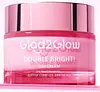
This brightening day moisturizer is formulated around Niacinamide and Panthenol to brighten dull-looking skin and hydrate skin.
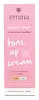
This brightening moisturizer is formulated around Niacinamide and Arbutin to brighten dull-looking skin and fade the look of dark spots.

What's inside
What's inside
 Key Ingredients
Benefits
Concerns
Ingredients Side-by-side
Water
Skin ConditioningButylene Glycol
Humectant

Glycerin
Humectant
Dimethicone
Emollient
CI 77891
Cosmetic ColorantNiacinamide
Smoothing









Synthetic Fluorphlogopite
Silica
Abrasive
1,2-Hexanediol
Skin Conditioning
Panthenol
Skin Conditioning
Sodium Polyacrylate
Absorbent
Methyl Methacrylate Crosspolymer
Dimethiconol
Emollient
Trimethylsiloxysilicate
Emollient
Propanediol
Solvent
Sodium Acrylate/Sodium Acryloyldimethyl Taurate Copolymer
Emulsion StabilisingEthylhexyl Stearate
Emollient




Lauryl PEG-8 Dimethicone
Surfactant
Hydroxyacetophenone
Antioxidant
Isohexadecane
EmollientCaprylyl Glycol
Emollient
Polysorbate 80
Emulsifying
Parfum
Masking


Aluminum Hydroxide
EmollientTriethoxycaprylylsilane
Glyceryl Stearate Se
Emulsifying
Trideceth-6
EmulsifyingAdenosine
Skin Conditioning
Cetearyl Alcohol
Emollient
Sorbitan Oleate
Emulsifying
Disodium EDTA
ChelatingPantolactone
Humectant
Hydrolyzed Hyaluronic Acid
Humectant
Sodium Hyaluronate
Humectant
Hyaluronic Acid
Humectant
Cynanchum Atratum Extract
Skin ConditioningHydrogenated Lecithin
Emulsifying
Lecithin
Emollient
Water, Butylene Glycol, Glycerin, Dimethicone, CI 77891, Niacinamide, Synthetic Fluorphlogopite, Silica, 1,2-Hexanediol, Panthenol, Sodium Polyacrylate, Methyl Methacrylate Crosspolymer, Dimethiconol, Trimethylsiloxysilicate, Propanediol, Sodium Acrylate/Sodium Acryloyldimethyl Taurate Copolymer, Ethylhexyl Stearate, Lauryl PEG-8 Dimethicone, Hydroxyacetophenone, Isohexadecane, Caprylyl Glycol, Polysorbate 80, Parfum, Aluminum Hydroxide, Triethoxycaprylylsilane, Glyceryl Stearate Se, Trideceth-6, Adenosine, Cetearyl Alcohol, Sorbitan Oleate, Disodium EDTA, Pantolactone, Hydrolyzed Hyaluronic Acid, Sodium Hyaluronate, Hyaluronic Acid, Cynanchum Atratum Extract, Hydrogenated Lecithin, Lecithin
Water
Skin ConditioningTitanium Dioxide
Cosmetic Colorant

Ethylhexyl Methoxycinnamate
UV Absorber
Niacinamide
Smoothing
Polymethyl Methacrylate
Propylene Glycol
Humectant
Dimethicone
Emollient
Stearic Acid
Cleansing
Glyceryl Stearate
Emollient
Phenoxyethanol
Preservative
4-Methylbenzylidene Camphor
UV Absorber
Polyacrylamide
Cetyl Alcohol
Emollient
Cyclopentasiloxane
Emollient
Polymethylsilsesquioxane
PEG-100 Stearate
Surfactant
C13-14 Isoparaffin
Emollient
Butyl Methoxydibenzoylmethane
UV Absorber
Allantoin
Skin Conditioning
Panthenol
Skin Conditioning
Tocopheryl Acetate
Antioxidant
Laureth-7
EmulsifyingDisodium EDTA
ChelatingEthylhexylglycerin
Skin ConditioningButylene Glycol
Humectant
Triethoxycaprylylsilane
Aluminum Hydroxide
EmollientDimethicone/Vinyl Dimethicone Crosspolymer
Skin Conditioning
Parfum
Masking
Actinidia Polygama Fruit Extract
Skin ConditioningArbutin
Antioxidant
Citric Acid
Buffering
Sodium Sulfite
Preservative
Acetyl Tyrosine
Skin ConditioningSaxifraga Sarmentosa Extract
Skin ConditioningPaeonia Suffruticosa Root Extract
Skin ProtectingAminopropyl Ascorbyl Phosphate
Antioxidant
Scutellaria Baicalensis Root Extract
Astringent
Glutathione
PEG-40 Castor Oil
Emulsifying
Triethanolamine
BufferingHexylene Glycol
EmulsifyingAmmonium Acrylates Copolymer
CI 12490
Cosmetic ColorantWater, Titanium Dioxide, Ethylhexyl Methoxycinnamate, Niacinamide, Polymethyl Methacrylate, Propylene Glycol, Dimethicone, Stearic Acid, Glyceryl Stearate, Phenoxyethanol, 4-Methylbenzylidene Camphor, Polyacrylamide, Cetyl Alcohol, Cyclopentasiloxane, Polymethylsilsesquioxane, PEG-100 Stearate, C13-14 Isoparaffin, Butyl Methoxydibenzoylmethane, Allantoin, Panthenol, Tocopheryl Acetate, Laureth-7, Disodium EDTA, Ethylhexylglycerin, Butylene Glycol, Triethoxycaprylylsilane, Aluminum Hydroxide, Dimethicone/Vinyl Dimethicone Crosspolymer, Parfum, Actinidia Polygama Fruit Extract, Arbutin, Citric Acid, Sodium Sulfite, Acetyl Tyrosine, Saxifraga Sarmentosa Extract, Paeonia Suffruticosa Root Extract, Aminopropyl Ascorbyl Phosphate, Scutellaria Baicalensis Root Extract, Glutathione, PEG-40 Castor Oil, Triethanolamine, Hexylene Glycol, Ammonium Acrylates Copolymer, CI 12490
Reviews
Ingredients Explained
These ingredients are found in both products.
Ingredients higher up in an ingredient list are typically present in a larger amount.
Aluminum Hydroxide is a form of aluminum. It can be naturally found in nature as the mineral gibbsite. In cosmetics, Aluminum Hydroxide is used as a colorant, pH adjuster, and absorbent.
As a colorant, Aluminum Hydroxide may add opacity, or reduce the transparency. Aluminum hydroxide is contains both basic and acidic properties.
According to manufacturers, this ingredient is an emollient and humectant. This means it helps hydrate the skin.
In medicine, this ingredient is used to help relieve heartburn and help heal ulcers.
There is currently no credible scientific evidence linking aluminum hydroxide in cosmetics to increased cancer risk.
Major health organizations allow the use of aluminum hydroxide in personal care products and have not flagged it as a carcinogenic risk at typical usage levels.
Learn more about Aluminum HydroxideButylene Glycol (or BG) is used within cosmetic products for a few different reasons:
Overall, Butylene Glycol is a safe and well-rounded ingredient that works well with other ingredients.
Though this ingredient works well with most skin types, some people with sensitive skin may experience a reaction such as allergic rashes, closed comedones, or itchiness.
Learn more about Butylene GlycolDimethicone is a type of synthetic silicone created from natural materials such as quartz. It is also known as polydimethylsiloxane.
What it does:
Dimethicone comes in different viscosities:
Depending on the viscosity, dimethicone has different properties.
Ingredients lists don't always show which type is used, so we recommend reaching out to the brand if you have questions about the viscosity.
This ingredient is unlikely to cause irritation because it does not get absorbed into skin. However, people with silicone allergies should be careful about using this ingredient.
Note: Dimethicone may contribute to pilling. This is because it is not oil or water soluble, so pilling may occur when layered with products. When mixed with heavy oils in a formula, the outcome is also quite greasy.
Learn more about DimethiconeDisodium EDTA is a chelating agent. It grabs onto and deactivates metal ions that sneak into your products from water, packaging, or air.
This ingredient mainly works behind the scenes and helps with:
On top of that, this ingredient can counteract the effects of hard water by binding to the minerals in it.
One thing worth knowing is that Disodium EDTA has been shown to be a mild penetration enhancer. It can help other ingredients absorb into skin more effectively which can be a double-edged sword (great for actives, but can also make the active too strong if you have sensitive skin).
Clinical patch testing showed no significant skin irritation at typical use concentrations and minimal dermal absorption.
You'll most likely see this ingredient near the end of an ingredient list. It's typically found in concentrations less than 1%.
Learn more about Disodium EDTANiacinamide is a multitasking form of vitamin B3 that strengthens the skin barrier, reduces pores and dark spots, regulates oil, and improves signs of aging.
And the best part? It's gentle and well-tolerated by most skin types, including sensitive and reactive skin.
You might have heard of "niacin flush", or the reddening of skin that causes itchiness. Niacinamide has not been found to cause this.
In very rare cases, some individuals may not be able to tolerate niacinamide at all or experience an allergic reaction to it.
If you are experiencing flaking, irritation, and dryness with this ingredient, be sure to double check all your products as this ingredient can be found in all categories of skincare.
When incorporating niacinamide into your routine, look out for concentration amounts. Typically, 5% niacinamide provides benefits such as fading dark spots. However, if you have sensitive skin, it is better to begin with a smaller concentration.
When you apply niacinamide to your skin, your body converts it into nicotinamide adenine dinucleotide (NAD). NAD is an essential coenzyme that is already found in your cells as "fuel" and powers countless biological processes.
In your skin, NAD helps repair cell damage, produce new healthy cells, support collagen production, strengthen the skin barrier, and fight environmental stressors (like UV and pollution).
Our natural NAD levels start to decline with age, leading to slower skin repair, visible aging, and a weaker skin barrier. By providing your skin niacinamide, you're recharging your skin's NAD levels. This leads to stronger, healthier, and younger looking skin.
Another name for vitamin B3 is nicotinamide. This vitamin is water-soluble and our bodies don't store it. We obtain Vitamin B3 from either food or skincare. Meat, fish, wheat, yeast, and leafy greens contain vitamin B3.
The type of niacinamide used in skincare is synthetically created.
Learn more about NiacinamidePanthenol is a common ingredient that helps hydrate and soothe the skin. It is found naturally in our skin and hair.
There are two forms of panthenol: D and L.
D-panthenol is also known as dexpanthenol. Most cosmetics use dexpanthenol or a mixture of D and L-panthenol.
Panthenol is famous due to its ability to go deeper into the skin's layers. Using this ingredient has numerous pros (and no cons):
Like hyaluronic acid, panthenol is a humectant. Humectants are able to bind and hold large amounts of water to keep skin hydrated.
This ingredient works well for wound healing. It works by increasing tissue in the wound and helps close open wounds.
Once oxidized, panthenol converts to pantothenic acid. Panthothenic acid is found in all living cells.
This ingredient is also referred to as pro-vitamin B5.
Learn more about PanthenolParfum is a catch-all term for an ingredient or more that is used to give a scent to products.
Also called "fragrance", this ingredient can be a blend of hundreds of chemicals or plant oils. This means every product with "fragrance" or "parfum" in the ingredients list is a different mixture.
For instance, Habanolide is a proprietary trade name for a specific aroma chemical. When used as a fragrance ingredient in cosmetics, most aroma chemicals fall under the broad labeling category of “FRAGRANCE” or “PARFUM” according to EU and US regulations.
The term 'parfum' or 'fragrance' is not regulated in many countries. In many cases, it is up to the brand to define this term.
For instance, many brands choose to label themselves as "fragrance-free" because they are not using synthetic fragrances. However, their products may still contain ingredients such as essential oils that are considered a fragrance by INCI standards.
One example is Calendula flower extract. Calendula is an essential oil that still imparts a scent or 'fragrance'.
Depending on the blend, the ingredients in the mixture can cause allergies and sensitivities on the skin. Some ingredients that are known EU allergens include linalool and citronellol.
Parfum can also be used to mask or cover an unpleasant scent.
The bottom line is: not all fragrances/parfum/ingredients are created equally. If you are worried about fragrances, we recommend taking a closer look at an ingredient. And of course, we always recommend speaking with a professional.
Learn more about ParfumTriethoxycaprylylsilane is a silicon-based surface modifier that makes sunscreens feel silky and makeup stay put.
Its main job is to coat mineral particles like titanium dioxide, zinc oxide, and color pigments in a thin, oily layer so they spread smoothly, don't clump, and stick to skin better.
This ingredient is typically used at low levels (up to 2.5% in eyeshadow and 1% in lipstick).
Learn more about TriethoxycaprylylsilaneWater. It's the most common cosmetic ingredient of all. You'll usually see it at the top of ingredient lists, meaning that it makes up the largest part of the product.
So why is it so popular? Water most often acts as a solvent - this means that it helps dissolve other ingredients into the formulation.
You'll also recognize water as that liquid we all need to stay alive. If you see this, drink a glass of water. Remember to stay hydrated!
Learn more about Water

