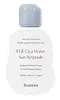
This chemical sunscreen covers the full UV range and blocks ~98% of UVB at SPF 50.

What's inside
What's inside
 Key Ingredients
Benefits
Concerns
Ingredients Side-by-side
Water
Skin ConditioningDibutyl Adipate
EmollientPropanediol
Solvent

Butyloctyl Salicylate
Skin Conditioning

Ethylhexyl Triazone
UV Absorber
Terephthalylidene Dicamphor Sulfonic Acid
UV Absorber
Polyglyceryl-3 Diisostearate
Emulsifying




Niacinamide
Smoothing










Tromethamine
Buffering1,2-Hexanediol
Skin Conditioning
Diethylamino Hydroxybenzoyl Hexyl Benzoate
UV Filter
Caprylyl Methicone
Skin Conditioning
Pentylene Glycol
Skin Conditioning
Polymethylsilsesquioxane
Polysilicone-15
UV Filter
Laminaria Japonica Extract
Skin Protecting
Eclipta Prostrata Leaf Extract
Skin ConditioningCardiospermum Halicacabum Flower/Leaf/Vine Extract
Skin ConditioningCentella Asiatica Extract
Cleansing
Hydrogenated Lecithin
Emulsifying
Echium Plantagineum Seed Oil
Skin Conditioning
Glyceryl Stearate
Emollient
Bis-Ethylhexyloxyphenol Methoxyphenyl Triazine
UV Absorber
Cetearyl Alcohol
Emollient

Carbomer
Emulsion StabilisingAmmonium Acryloyldimethyltaurate/Vp Copolymer
Glycerin
Humectant
Dipropylene Glycol
HumectantGlyceryl Stearate Citrate
Emollient
Acrylates/C10-30 Alkyl Acrylate Crosspolymer
Emulsion StabilisingSodium Stearoyl Glutamate
CleansingEthylhexylglycerin
Skin ConditioningOctyldodecanol
Emollient
Adenosine
Skin Conditioning
Fructooligosaccharides
Humectant
Beta-Glucan
Skin Conditioning
Sh-Oligopeptide-1
Skin Conditioning
Hydrolyzed Hyaluronic Acid
Humectant
Helianthus Annuus Seed Oil Unsaponifiables
Emollient
Tocopherol
Antioxidant

Water, Dibutyl Adipate, Propanediol, Butyloctyl Salicylate, Ethylhexyl Triazone, Terephthalylidene Dicamphor Sulfonic Acid, Polyglyceryl-3 Diisostearate, Niacinamide, Tromethamine, 1,2-Hexanediol, Diethylamino Hydroxybenzoyl Hexyl Benzoate, Caprylyl Methicone, Pentylene Glycol, Polymethylsilsesquioxane, Polysilicone-15, Laminaria Japonica Extract, Eclipta Prostrata Leaf Extract, Cardiospermum Halicacabum Flower/Leaf/Vine Extract, Centella Asiatica Extract, Hydrogenated Lecithin, Echium Plantagineum Seed Oil, Glyceryl Stearate, Bis-Ethylhexyloxyphenol Methoxyphenyl Triazine, Cetearyl Alcohol, Carbomer, Ammonium Acryloyldimethyltaurate/Vp Copolymer, Glycerin, Dipropylene Glycol, Glyceryl Stearate Citrate, Acrylates/C10-30 Alkyl Acrylate Crosspolymer, Sodium Stearoyl Glutamate, Ethylhexylglycerin, Octyldodecanol, Adenosine, Fructooligosaccharides, Beta-Glucan, Sh-Oligopeptide-1, Hydrolyzed Hyaluronic Acid, Helianthus Annuus Seed Oil Unsaponifiables, Tocopherol
Water
Skin ConditioningTitanium Dioxide
Cosmetic Colorant
Ethylhexyl Methoxycinnamate
UV Absorber
Cyclopentasiloxane
Emollient
Cyclomethicone
Emollient
Cyclohexasiloxane
Emollient
Hydrogenated Poly(C6-14 Olefin)
EmollientPropylene Glycol
Humectant
Glycerin
Humectant
Cetyl PEG/PPG-10/1 Dimethicone
Emulsifying
PEG-10 Dimethicone
Skin Conditioning
Mica
Cosmetic ColorantDimethicone
Emollient
Arbutin
Antioxidant
C12-15 Alkyl Benzoate
AntimicrobialCentella Asiatica Leaf Water
Skin Conditioning
Sh-Oligopeptide-1
Skin Conditioning
Sh-Oligopeptide-2
Skin Conditioning
Sh-Polypeptide-11
Sh-Polypeptide-3
Skin Conditioning
Sh-Polypeptide-22
Skin Conditioning
Panthenol
Skin Conditioning
Allantoin
Skin Conditioning
Portulaca Oleracea Extract
Skin Conditioning
Rose Extract
Skin ConditioningCornus Officinalis Fruit Extract
Skin ConditioningDioscorea Japonica Root Extract
Skin Conditioning
Alisma Orientale Tuber Extract
Skin ConditioningPoria Cocos Sclerotium Extract
AstringentChamomilla Recutita Flower Extract
Masking
Illicium Verum Fruit Extract
Perfuming
Scutellaria Baicalensis Root Extract
Astringent
Trehalose
Humectant
1,2-Hexanediol
Skin Conditioning
Butylene Glycol
Humectant
Sodium Chloride
MaskingOzokerite
Emulsion StabilisingDisteardimonium Hectorite
StabilisingSorbitan Sesquioleate
Emulsifying
Tocopheryl Acetate
Antioxidant
Sodium Hyaluronate
Humectant
Lecithin
Emollient
Sodium Ascorbyl Phosphate
Antioxidant
Polysorbate 20
Emulsifying
Aluminum Hydroxide
EmollientMethicone
Emollient
Stearic Acid
Cleansing
CI 77492
Cosmetic ColorantCI 77491
Cosmetic ColorantCI 77499
Cosmetic ColorantTriethoxycaprylylsilane
Disodium EDTA
ChelatingAdenosine
Skin Conditioning
Water, Titanium Dioxide, Ethylhexyl Methoxycinnamate, Cyclopentasiloxane, Cyclomethicone, Cyclohexasiloxane, Hydrogenated Poly(C6-14 Olefin), Propylene Glycol, Glycerin, Cetyl PEG/PPG-10/1 Dimethicone, PEG-10 Dimethicone, Mica, Dimethicone, Arbutin, C12-15 Alkyl Benzoate, Centella Asiatica Leaf Water, Sh-Oligopeptide-1, Sh-Oligopeptide-2, Sh-Polypeptide-11, Sh-Polypeptide-3, Sh-Polypeptide-22, Panthenol, Allantoin, Portulaca Oleracea Extract, Rose Extract, Cornus Officinalis Fruit Extract, Dioscorea Japonica Root Extract, Alisma Orientale Tuber Extract, Poria Cocos Sclerotium Extract, Chamomilla Recutita Flower Extract, Illicium Verum Fruit Extract, Scutellaria Baicalensis Root Extract, Trehalose, 1,2-Hexanediol, Butylene Glycol, Sodium Chloride, Ozokerite, Disteardimonium Hectorite, Sorbitan Sesquioleate, Tocopheryl Acetate, Sodium Hyaluronate, Lecithin, Sodium Ascorbyl Phosphate, Polysorbate 20, Aluminum Hydroxide, Methicone, Stearic Acid, CI 77492, CI 77491, CI 77499, Triethoxycaprylylsilane, Disodium EDTA, Adenosine
Ingredients Explained
These ingredients are found in both products.
Ingredients higher up in an ingredient list are typically present in a larger amount.
1,2-Hexanediol is a synthetic liquid and another multi-functional powerhouse.
It is a:
- Humectant, drawing moisture into the skin
- Emollient, helping to soften skin
- Solvent, dispersing and stabilizing formulas
- Preservative booster, enhancing the antimicrobial activity of other preservatives
Adenosine is a purine nucleoside that your body already makes in every cell. In skincare, it acts mainly as a skin conditioning and anti-aging agent.
The way it works is fairly well mapped out:
Your skin has cells called fibroblasts that build collagen (the stuff that keeps skin firm and smooth). Adenosine basically flips a switch on these cells that tells them to get to work making more collagen and other proteins. These cells slow down on their own as skin ages, so Adenosine helps give them a little nudge to keep going.
The clinical backing is pretty solid too.
A blind, randomized, placebo-controlled trial of 126 women aged 45-65 tested a 0.1% cream twice daily and found real improvements in crow's feet and frown lines using a precise 3D skin-mapping technique; these changes showed up by week 3 and held at 2 months.
A later study using Adenosine-loaded dissolving microneedle patches reported gains in wrinkle depth, dermal density, elasticity, and hydration.
On concentrations, South Korea's Ministry of Food and Drug Safety has set 0.04% as the approved functional anti-wrinkle level. You'll typically see this ingredient used somewhere in the 0.04-0.1% range since it works at low doses.
This ingredient has been found safe for cosmetics with the data showing no irritation or sensitization.
Overall, this is a great ingredient for any anti-aging routine and has no photosensitizing effect, so it suits both AM and PM use.
Learn more about AdenosineGlycerin (or glycerol) is a compound naturally found in your skin. It's a powerhouse humectant that pulls water into the stratum corneum.
Topically, glycerin does several things at once:
Your skin makes glycerin on its own (mostly from sebaceous oil breakdown) and shuttles it to your outermost layer of skin, or your epidermis, via aquaporin-3.
Aquaporin-3 is a transporter that is essential for normal skin hydration, elasticity, and repair. Interestingly, mice lacking in AQP3 have dry and less elastic skin that can be fully corrected with glycerin.
This ingredient is non-irritating, plays well with almost every ingredient, and works across all skin types. Typical use is anywhere between 3-10% but can go up to 79% in some leave-on products.
Just know very high concentrations (>40%) can feel tacky in low humidity.
Glycerin is the name for this ingredient in American English. British English uses Glycerol/Glycerine.
Learn more about Glycerinsh-Oligopeptide-1 is a peptide found naturally in our bodies. Peptides are the building blocks for collagen and elastin in our skin.
In cosmetics, this ingredient is bioengineered to be identical to a human gene that codes for epidermal growth factor (EGF). EGF are signal molecules that simulate cell growth and healing.
Studies find EGF help with:
In South Korea and China, EGF is considered a controversial ingredient. The South Korean Ministry of Food and Drug Safety has cracked down on companies with products including EGF due to false advertisement claims.
According to Dr. Zoe Draelos, growth factors have some drawbacks:
There is also controversy surrounding growth factors. The controversy is due to their mitogenic activity, or their ability to increase the number of cells. It is best to avoid using growth factors if you have psoriasis or are at risk of skin cancer. However, it should be noted EGF are not mutagenic - meaning they will not cause cancer.
Learn more about Sh-Oligopeptide-1Water. It's the most common cosmetic ingredient of all. You'll usually see it at the top of ingredient lists, meaning that it makes up the largest part of the product.
So why is it so popular? Water most often acts as a solvent - this means that it helps dissolve other ingredients into the formulation.
You'll also recognize water as that liquid we all need to stay alive. If you see this, drink a glass of water. Remember to stay hydrated!
Learn more about Water

