

What's inside
What's inside
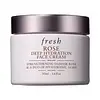 Key Ingredients
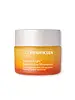
Benefits
Concerns
Ingredients Side-by-side
Water
Skin ConditioningGlycerin
Humectant



C15-19 Alkane
SolventButylene Glycol
Humectant
Propanediol
Solvent
Isostearyl Isostearate
Emollient


Hexyl Laurate
Emollient
Pentylene Glycol
Skin Conditioning1,2-Hexanediol
Skin Conditioning
Behenyl Alcohol
Emollient
Steareth-2
EmulsifyingPrunus Domestica Seed Oil
Skin Conditioning
Rosa Damascena Flower Water
Masking
Rosa Damascena Extract
MaskingAngelica Keiskei Leaf/Stem Extract
Skin ConditioningAcacia Senegal Gum
MaskingRosa Damascena Flower Extract
Masking
Rosa Damascena Flower Oil
Masking

Cucumis Sativus Fruit Extract
Emollient
Tocopheryl Acetate
Antioxidant

Silica
Abrasive


Dimethicone
Emollient
Ammonium Acryloyldimethyltaurate/Vp Copolymer
Steareth-21
CleansingHydroxyethyl Acrylate/Sodium Acryloyldimethyl Taurate Copolymer
Emulsion StabilisingSodium Hyaluronate
Humectant
Squalane
Emollient
Acrylates/C10-30 Alkyl Acrylate Crosspolymer
Emulsion StabilisingTromethamine
BufferingXanthan Gum
EmulsifyingDimethiconol
Emollient
Polysorbate 60
Emulsifying
Caprylic/Capric Triglyceride
Masking
Algin
Masking
Sodium Chloride
Masking
Pentaerythrityl Tetra-Di-T-Butyl Hydroxyhydrocinnamate
Antioxidant
Sorbitan Isostearate
Emulsifying
Trisodium Ethylenediamine Disuccinate
Serine
Masking
Caramel
Cosmetic ColorantCaprylyl Glycol
Emollient
Citric Acid
Buffering



Sodium Hydroxide
BufferingChlorphenesin
Antimicrobial
Sodium Benzoate
Masking
Potassium Sorbate
Preservative
Citronellol
Perfuming
Geraniol
Perfuming
Water, Glycerin, C15-19 Alkane, Butylene Glycol, Propanediol, Isostearyl Isostearate, Hexyl Laurate, Pentylene Glycol, 1,2-Hexanediol, Behenyl Alcohol, Steareth-2, Prunus Domestica Seed Oil, Rosa Damascena Flower Water, Rosa Damascena Extract, Angelica Keiskei Leaf/Stem Extract, Acacia Senegal Gum, Rosa Damascena Flower Extract, Rosa Damascena Flower Oil, Cucumis Sativus Fruit Extract, Tocopheryl Acetate, Silica, Dimethicone, Ammonium Acryloyldimethyltaurate/Vp Copolymer, Steareth-21, Hydroxyethyl Acrylate/Sodium Acryloyldimethyl Taurate Copolymer, Sodium Hyaluronate, Squalane, Acrylates/C10-30 Alkyl Acrylate Crosspolymer, Tromethamine, Xanthan Gum, Dimethiconol, Polysorbate 60, Caprylic/Capric Triglyceride, Algin, Sodium Chloride, Pentaerythrityl Tetra-Di-T-Butyl Hydroxyhydrocinnamate, Sorbitan Isostearate, Trisodium Ethylenediamine Disuccinate, Serine, Caramel, Caprylyl Glycol, Citric Acid, Sodium Hydroxide, Chlorphenesin, Sodium Benzoate, Potassium Sorbate, Citronellol, Geraniol
Water
Skin ConditioningGlycerin
Humectant
Cetyl Ethylhexanoate
EmollientPropanediol
Solvent
Cetyl Alcohol
Emollient
3-O-Ethyl Ascorbic Acid
Skin Conditioning
Niacinamide
Smoothing



Steareth-21
CleansingDicaprylyl Carbonate
EmollientHydroxyethyl Acrylate/Sodium Acryloyldimethyl Taurate Copolymer
Emulsion StabilisingAmmonium Acryloyldimethyltaurate/Vp Copolymer
1,2-Hexanediol
Skin Conditioning
Synthetic Beeswax
Emulsion Stabilising
Tetrahexyldecyl Ascorbate
Antioxidant
Ascorbic Acid
Antioxidant
Colloidal Gold
AntimicrobialPolyglutamic Acid
Skin Conditioning
Sodium Hyaluronate
Humectant
Rubus Chamaemorus Seed Oil
Skin Conditioning
Hydrolyzed Vegetable Protein
Skin ConditioningGlutathione
Tocopherol
Antioxidant
Tocopheryl Acetate
Antioxidant
Jojoba Esters
Emollient
Riboflavin
Cosmetic ColorantCyanocobalamin
Skin ConditioningLeuconostoc/Radish Root Ferment Filtrate
Antimicrobial
Cetearyl Olivate
Sorbitan Olivate
Emulsifying
Ethylhexylglycerin
Skin ConditioningSorbitan Isostearate
Emulsifying
Sorbitol
Humectant
Sodium Phytate
Citric Acid
Buffering
Caprylyl Glycol
Emollient
Dimethicone
Emollient
Xanthan Gum
EmulsifyingPolysorbate 60
Emulsifying
Sodium Citrate
BufferingSodium Hydroxide
BufferingPhenoxyethanol
Preservative
Pentaerythrityl Tetraethylhexanoate
Emollient
Pentaerythrityl Tetra-Di-T-Butyl Hydroxyhydrocinnamate
Antioxidant
Mica
Cosmetic Colorant
Tin Oxide
Abrasive
Parfum
Masking
Citral
Perfuming
Limonene
Perfuming
Linalool
Perfuming
CI 77891
Cosmetic ColorantCI 77491
Cosmetic ColorantWater, Glycerin, Cetyl Ethylhexanoate, Propanediol, Cetyl Alcohol, 3-O-Ethyl Ascorbic Acid, Niacinamide, Steareth-21, Dicaprylyl Carbonate, Hydroxyethyl Acrylate/Sodium Acryloyldimethyl Taurate Copolymer, Ammonium Acryloyldimethyltaurate/Vp Copolymer, 1,2-Hexanediol, Synthetic Beeswax, Tetrahexyldecyl Ascorbate, Ascorbic Acid, Colloidal Gold, Polyglutamic Acid, Sodium Hyaluronate, Rubus Chamaemorus Seed Oil, Hydrolyzed Vegetable Protein, Glutathione, Tocopherol, Tocopheryl Acetate, Jojoba Esters, Riboflavin, Cyanocobalamin, Leuconostoc/Radish Root Ferment Filtrate, Cetearyl Olivate, Sorbitan Olivate, Ethylhexylglycerin, Sorbitan Isostearate, Sorbitol, Sodium Phytate, Citric Acid, Caprylyl Glycol, Dimethicone, Xanthan Gum, Polysorbate 60, Sodium Citrate, Sodium Hydroxide, Phenoxyethanol, Pentaerythrityl Tetraethylhexanoate, Pentaerythrityl Tetra-Di-T-Butyl Hydroxyhydrocinnamate, Mica, Tin Oxide, Parfum, Citral, Limonene, Linalool, CI 77891, CI 77491
Reviews
Ingredients Explained
These ingredients are found in both products.
Ingredients higher up in an ingredient list are typically present in a larger amount.
1,2-Hexanediol is a synthetic liquid and another multi-functional powerhouse.
It is a:
- Humectant, drawing moisture into the skin
- Emollient, helping to soften skin
- Solvent, dispersing and stabilizing formulas
- Preservative booster, enhancing the antimicrobial activity of other preservatives
Ammonium Acryloyldimethyltaurate/Vp Copolymer (let's call it AAVC for short) is a synthetically created polymer. It's used as a film-forming agent and used to thicken the consistency of products.
AAVC is able to increase the consistency and viscosity of products due to its large molecule size. It also prevents ingredients from separating.
Caprylyl Glycol is a humectant and emollient, meaning it attracts and preserves moisture.
It is a common ingredient in many products, especially those designed to hydrate skin. The primary benefits are retaining moisture, skin softening, and promoting a healthy skin barrier.
Though Caprylyl Glycol is an alcohol derived from fatty acids, it is not the kind that can dry out skin.
This ingredient is also used as a preservative to extend the life of products. It has slight antimicrobial properties.
Learn more about Caprylyl GlycolCitric Acid is an alpha hydroxy acid (AHA) naturally found in citrus fruits like oranges, lemons, and limes.
Like other AHAs, citric acid can exfoliate skin by breaking down the bonds that hold dead skin cells together. This helps reveal smoother and brighter skin underneath.
However, this exfoliating effect only happens at high concentrations (20%) which can be hard to find in cosmetic products.
Due to this, citric acid is usually included in small amounts as a pH adjuster. This helps keep products slightly more acidic and compatible with skin's natural pH.
In skincare formulas, citric acid can:
While it can provide some skin benefits, research shows lactic acid and glycolic acid are generally more effective and less irritating exfoliants.
Most citric acid used in skincare today is made by fermenting sugars (usually from molasses). This synthetic version is identical to the natural citrus form but easier to stabilize and use in formulations.
Read more about some other popular AHA's here:
Learn more about Citric AcidDimethicone is a type of synthetic silicone created from natural materials such as quartz.
What it does:
Dimethicone comes in different viscosities:
Depending on the viscosity, dimethicone has different properties.
Ingredients lists don't always show which type is used, so we recommend reaching out to the brand if you have questions about the viscosity.
This ingredient is unlikely to cause irritation because it does not get absorbed into skin. However, people with silicone allergies should be careful about using this ingredient.
Note: Dimethicone may contribute to pilling. This is because it is not oil or water soluble, so pilling may occur when layered with products. When mixed with heavy oils in a formula, the outcome is also quite greasy.
Learn more about DimethiconeGlycerin is already naturally found in your skin. It helps moisturize and protect your skin.
A study from 2016 found glycerin to be more effective as a humectant than AHAs and hyaluronic acid.
As a humectant, it helps the skin stay hydrated by pulling moisture to your skin. The low molecular weight of glycerin allows it to pull moisture into the deeper layers of your skin.
Hydrated skin improves your skin barrier; Your skin barrier helps protect against irritants and bacteria.
Glycerin has also been found to have antimicrobial and antiviral properties. Due to these properties, glycerin is often used in wound and burn treatments.
In cosmetics, glycerin is usually derived from plants such as soybean or palm. However, it can also be sourced from animals, such as tallow or animal fat.
This ingredient is organic, colorless, odorless, and non-toxic.
Glycerin is the name for this ingredient in American English. British English uses Glycerol/Glycerine.
Learn more about GlycerinThis is a synthetic polymer. It helps improve the texture of products by adding thickness and gel-like feel.
It is also an emulsifer, meaning it prevents ingredients such as oil and water from separating. It also helps evenly disperse other ingredients.
Pentaerythrityl Tetra-Di-T-Butyl Hydroxyhydrocinnamate (long name, huh?) is a synthetic antioxidant.
It is used to help stabilize other antioxidants or prevent the color from changing in a product.
As an antioxidant, it helps fight free-radical molecules. Free-radical molecules are capable of damaging our cells and other genetic material. Thus, antioxidants may reduce the signs of aging.
This ingredient is oil-soluble.
Learn more about Pentaerythrityl Tetra-Di-T-Butyl HydroxyhydrocinnamatePolysorbate 60 is used to help stabilize products. It is a surfactant and emulsifier. These properties help keep ingredients together in a product. Surfactants help reduce surface tension between ingredients with different states, such as liquids and solids. Emulsifiers help prevent oils and waters from separating.
Polysorbate 60 is sorbitol-based and created from the ethoxylation of sorbitan. Ethoxylation is a chemical reaction used to add ethylene oxide. Sorbitan is a the dehydrated version of sorbitol, a sugar found in fruits.
In this case, the 60 comes from reacting 60 units of ethylene oxide with sorbitan.
Polysorbates are commonly used in medicine and foods.
Learn more about Polysorbate 60Propanediol is an all-star ingredient. It softens, hydrates, and smooths the skin.
It’s often used to:
Propanediol is not likely to cause sensitivity and considered safe to use. It is derived from corn or petroleum with a clear color and no scent.
Learn more about PropanediolSodium Hyaluronate is hyaluronic acid's salt form. It is commonly derived from the sodium salt of hyaluronic acid.
Like hyaluronic acid, it is great at holding water and acts as a humectant. This makes it a great skin hydrating ingredient.
Sodium Hyaluronate is naturally occurring in our bodies and is mostly found in eye fluid and joints.
These are some other common types of Hyaluronic Acid:
Learn more about Sodium HyaluronateSodium Hydroxide is also known as lye or caustic soda. It is used to adjust the pH of products; many ingredients require a specific pH to be effective.
In small amounts, sodium hydroxide is considered safe to use. However, large amounts may cause chemical burns due to its high alkaline.
Your skin has a natural pH and acid mantle. This acid mantle helps prevent harmful bacteria from breaking through. The acid mantle also helps keep your skin hydrated.
"Alkaline" refers to a high pH level. A low pH level would be considered acidic.
Learn more about Sodium HydroxideSorbitan Isostearate is an emulsifer and cleaning agent. It is created from isostearic acid and sorbitol.
As an emulsifier, Sorbitan Isostearate prevents oils and water from separating.
Due to its isostearic acid base, it may not be safe for Malassezia or fungal acne.
Learn more about Sorbitan IsostearateWe don't have a description for Steareth-21 yet.
Tocopheryl Acetate is AKA Vitamin E. It is an antioxidant and protects your skin from free radicals. Free radicals damage the skin by breaking down collagen.
One study found using Tocopheryl Acetate with Vitamin C decreased the number of sunburned cells.
Tocopheryl Acetate is commonly found in both skincare and dietary supplements.
Learn more about Tocopheryl AcetateWater. It's the most common cosmetic ingredient of all. You'll usually see it at the top of ingredient lists, meaning that it makes up the largest part of the product.
So why is it so popular? Water most often acts as a solvent - this means that it helps dissolve other ingredients into the formulation.
You'll also recognize water as that liquid we all need to stay alive. If you see this, drink a glass of water. Stay hydrated!
Learn more about WaterXanthan gum is used as a stabilizer and thickener within cosmetic products. It helps give products a sticky, thick feeling - preventing them from being too runny.
On the technical side of things, xanthan gum is a polysaccharide - a combination consisting of multiple sugar molecules bonded together.
Xanthan gum is a pretty common and great ingredient. It is a natural, non-toxic, non-irritating ingredient that is also commonly used in food products.
Learn more about Xanthan Gum
