
What's inside
What's inside
 Key Ingredients
Benefits
Concerns
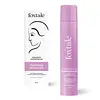
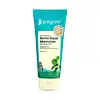
Ingredients Side-by-side
Water
Skin ConditioningCyclopentasiloxane
Emollient
Dimethicone
Emollient
Polysilicone-11
Butylene Glycol
Humectant
Decyl Glucoside
CleansingHydrogenated Ethylhexyl Olivate
EmollientHydrogenated Olive Oil Unsaponifiables
Emollient

Cyclohexasiloxane
Emollient
Ceteareth-20
Cleansing
Glyceryl Stearate Citrate
Emollient
Dicaprylyl Carbonate
EmollientCetearyl Alcohol
Emollient

Cetyl Palmitate
Emollient
Sorbitan Palmitate
Emulsifying
Sorbitan Oleate
Emulsifying
C12-15 Alkyl Benzoate
AntimicrobialGlycerin
Humectant


Glyceryl Glucoside
Humectant
Behenyl Alcohol
Emollient
Sodium Polyacryloyldimethyl Taurate
Emulsion StabilisingPhenoxyethanol
Preservative
Ethylhexylglycerin
Skin ConditioningOctenidine Hcl
AntimicrobialCeramide NP
Skin Conditioning


Ceramide AP
Skin Conditioning
Ceramide EOP
Skin Conditioning
Phytosphingosine
Skin Conditioning
Cholesterol
Emollient
Sodium Lauroyl Lactylate
EmulsifyingCarbomer
Emulsion StabilisingXanthan Gum
EmulsifyingPolymethylsilsesquioxane
Sodium Hyaluronate Crosspolymer
Humectant
Tocopherol
Antioxidant

Disodium EDTA
Sodium Hydroxide
BufferingWater, Cyclopentasiloxane, Dimethicone, Polysilicone-11, Butylene Glycol, Decyl Glucoside, Hydrogenated Ethylhexyl Olivate, Hydrogenated Olive Oil Unsaponifiables, Cyclohexasiloxane, Ceteareth-20, Glyceryl Stearate Citrate, Dicaprylyl Carbonate, Cetearyl Alcohol, Cetyl Palmitate, Sorbitan Palmitate, Sorbitan Oleate, C12-15 Alkyl Benzoate, Glycerin, Glyceryl Glucoside, Behenyl Alcohol, Sodium Polyacryloyldimethyl Taurate, Phenoxyethanol, Ethylhexylglycerin, Octenidine Hcl, Ceramide NP, Ceramide AP, Ceramide EOP, Phytosphingosine, Cholesterol, Sodium Lauroyl Lactylate, Carbomer, Xanthan Gum, Polymethylsilsesquioxane, Sodium Hyaluronate Crosspolymer, Tocopherol, Disodium EDTA, Sodium Hydroxide
Water
Skin ConditioningCaprylic/Capric Triglyceride
Masking
Dimethicone
Emollient
Niacinamide
Smoothing





Glycerin
Humectant
Propanediol
Solvent
Cetyl Alcohol
Emollient
Sodium Acrylates Copolymer
Lecithin
Emollient
Prunus Amygdalus Dulcis Oil
Skin Conditioning
Laminaria Digitata Extract
Skin Protecting
Cetyl-Pg Hydroxyethyl Palmitamide
Skin ConditioningCeramide EOP
Skin Conditioning
Ceramide Ns
Skin Conditioning
Ceramide NP
Skin Conditioning
Ceramide As
Skin Conditioning
Ceramide AP
Skin Conditioning
Dextran
Tripeptide-1
Skin Conditioning
Oryza Sativa Extract
Absorbent
Lactococcus Ferment Lysate
Skin ConditioningCentella Asiatica Extract
Cleansing
Sodium Hyaluronate
Humectant
Hydrogenated Polydecene
EmollientPPG-1 Trideceth-6
Skin ConditioningStearic Acid
Cleansing
Cetearyl Olivate
Sorbitan Olivate
Emulsifying
Carbomer
Emulsion StabilisingPhenoxyethanol
Preservative
Ethylhexylglycerin
Skin ConditioningBetaine
Humectant
Sodium Benzoate
Masking
Potassium Sorbate
Preservative
Tocopheryl Acetate
Antioxidant
Sodium Hydroxide
BufferingSodium Gluconate
Skin ConditioningWater, Caprylic/Capric Triglyceride, Dimethicone, Niacinamide, Glycerin, Propanediol, Cetyl Alcohol, Sodium Acrylates Copolymer, Lecithin, Prunus Amygdalus Dulcis Oil, Laminaria Digitata Extract, Cetyl-Pg Hydroxyethyl Palmitamide, Ceramide EOP, Ceramide Ns, Ceramide NP, Ceramide As, Ceramide AP, Dextran, Tripeptide-1, Oryza Sativa Extract, Lactococcus Ferment Lysate, Centella Asiatica Extract, Sodium Hyaluronate, Hydrogenated Polydecene, PPG-1 Trideceth-6, Stearic Acid, Cetearyl Olivate, Sorbitan Olivate, Carbomer, Phenoxyethanol, Ethylhexylglycerin, Betaine, Sodium Benzoate, Potassium Sorbate, Tocopheryl Acetate, Sodium Hydroxide, Sodium Gluconate
Ingredients Explained
These ingredients are found in both products.
Ingredients higher up in an ingredient list are typically present in a larger amount.
Carbomer is a polymer of acrylic acid. Its main role is to create a gel consistency.
A high amount of carbomer can cause pilling or balling up of products. Don't worry, most products contain 1% or less of carbomer.
Ceramide AP is formally known as Ceramide 6.
Ceramides are intercellular lipids naturally found in our skin that bonds dead skin cells together to create a barrier. Having a strong skin barrier leads to more firm and hydrated skin.
They are known for their ability to hold water and thus are a great ingredient for dry skin. By bolstering the skin ceramides act as a barrier against irritating ingredients. This can help with inflammation as well.
If you would like to eat ceramides, sweet potatoes contain a small amount.
Read more about other common types of ceramides here:
Ceramide NP
Ceramide EOP
Ceramide EOP is formally known as Ceramide 1 and Ceramide 1 A.
EOP stands for a linked Ester fatty acid, a linked Omega hydroxy fatty acid, and the Phytosphingosine base.
Ceramides are intercellular lipids naturally found in our skin. They bind dead skin cells together to create a barrier. The ceramides in our skin have the ability to hold water to keep our skin hydrated.
Ceramides are an important building block for our skin barrier. A strong skin barrier helps with:
If you would like to eat ceramides, sweet potatoes contain a small amount.
Read more about other common types of ceramides here:
Learn more about Ceramide EOPCeramide NP is a type of ceramide and formally known as ceramide 3.
Ceramides are intercellular lipids naturally found in our skin that bonds dead skin cells together to create a barrier. They are known for their ability to hold water and thus are a great ingredient for dry skin.
Ceramides are an important building block for our skin barrier. A stronger barrier helps the skin look more firm and hydrated. By bolstering the skin ceramides act as a barrier against irritating ingredients. This can help with inflammation as well.
If you would like to eat ceramides, sweet potatoes contain a small amount.
Read more about other common types of ceramides here:
Ceramide AP
Ceramide EOP
Dimethicone is a type of synthetic silicone created from natural materials such as quartz.
What it does:
Dimethicone comes in different viscosities:
Depending on the viscosity, dimethicone has different properties.
Ingredients lists don't always show which type is used, so we recommend reaching out to the brand if you have questions about the viscosity.
This ingredient is unlikely to cause irritation because it does not get absorbed into skin. However, people with silicone allergies should be careful about using this ingredient.
Note: Dimethicone may contribute to pilling. This is because it is not oil or water soluble, so pilling may occur when layered with products. When mixed with heavy oils in a formula, the outcome is also quite greasy.
Learn more about DimethiconeEthylhexylglycerin (we can't pronounce this either) is commonly used as a preservative and skin softener. It is derived from glyceryl.
You might see Ethylhexylglycerin often paired with other preservatives such as phenoxyethanol. Ethylhexylglycerin has been found to increase the effectiveness of these other preservatives.
Glycerin is already naturally found in your skin. It helps moisturize and protect your skin.
A study from 2016 found glycerin to be more effective as a humectant than AHAs and hyaluronic acid.
As a humectant, it helps the skin stay hydrated by pulling moisture to your skin. The low molecular weight of glycerin allows it to pull moisture into the deeper layers of your skin.
Hydrated skin improves your skin barrier; Your skin barrier helps protect against irritants and bacteria.
Glycerin has also been found to have antimicrobial and antiviral properties. Due to these properties, glycerin is often used in wound and burn treatments.
In cosmetics, glycerin is usually derived from plants such as soybean or palm. However, it can also be sourced from animals, such as tallow or animal fat.
This ingredient is organic, colorless, odorless, and non-toxic.
Glycerin is the name for this ingredient in American English. British English uses Glycerol/Glycerine.
Learn more about GlycerinPhenoxyethanol is a preservative that has germicide, antimicrobial, and aromatic properties. Studies show that phenoxyethanol can prevent microbial growth. By itself, it has a scent that is similar to that of a rose.
It's often used in formulations along with Caprylyl Glycol to preserve the shelf life of products.
Sodium Hydroxide is also known as lye or caustic soda. It is used to adjust the pH of products; many ingredients require a specific pH to be effective.
In small amounts, sodium hydroxide is considered safe to use. However, large amounts may cause chemical burns due to its high alkaline.
Your skin has a natural pH and acid mantle. This acid mantle helps prevent harmful bacteria from breaking through. The acid mantle also helps keep your skin hydrated.
"Alkaline" refers to a high pH level. A low pH level would be considered acidic.
Learn more about Sodium HydroxideWater. It's the most common cosmetic ingredient of all. You'll usually see it at the top of ingredient lists, meaning that it makes up the largest part of the product.
So why is it so popular? Water most often acts as a solvent - this means that it helps dissolve other ingredients into the formulation.
You'll also recognize water as that liquid we all need to stay alive. If you see this, drink a glass of water. Stay hydrated!
Learn more about Water
