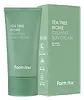
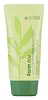
Farm Stay Tea Tree Biome Calming Sun Cream SPF50+ PA++++ Versus Farm Stay Green Tea Seed Moisture Sunscreen SPF50+ PA+++
This chemical sunscreen covers the full UV range and blocks ~98% of UVB at SPF 50.
This hybrid sunscreen covers the full UV range and blocks ~98% of UVB at SPF 50.

What's inside
What's inside
 Key Ingredients
Benefits
Concerns
Ingredients Side-by-side
Water
Skin ConditioningPropanediol
Solvent

Homosalate
Skin Conditioning

Butyloctyl Salicylate
Skin Conditioning
Ethylhexyl Salicylate
UV Absorber
CI 77891
Cosmetic ColorantDiethylamino Hydroxybenzoyl Hexyl Benzoate
UV Filter
Silica
Abrasive


Acrylates Copolymer
Polysorbate 60
Emulsifying

Glyceryl Stearate
Emollient
Beeswax
Emulsion Stabilising


Bis-Ethylhexyloxyphenol Methoxyphenyl Triazine
UV Absorber
Cetyl Dimethicone
Emollient
Sodium Stearoyl Lactylate
EmulsifyingPEG-100 Stearate
Surfactant
Caprylyl Glycol
Emollient
C20-22 Alkyl Phosphate
EmulsifyingSorbitan Stearate
Emulsifying
Aluminum Hydroxide
EmollientC20-22 Alcohols
Emulsion Stabilising
Polyhydroxystearic Acid
Emulsifying
Portulaca Oleracea Extract
Skin Conditioning

Stearic Acid
Cleansing
Parfum
Masking


Xanthan Gum
EmulsifyingAcrylamide/Sodium Acryloyldimethyltaurate Copolymer
Emulsion Stabilising1,2-Hexanediol
Skin Conditioning
Tromethamine
BufferingSodium Polyacryloyldimethyl Taurate
Emulsion StabilisingIsohexadecane
EmollientBenzotriazolyl Dodecyl P-Cresol
UV AbsorberNeopentyl Glycol Diethylhexanoate
Emollient
Disodium EDTA
ChelatingPolysorbate 80
Emulsifying
PPG-17
Skin ConditioningSorbitan Oleate
Emulsifying
Melaleuca Alternifolia Leaf Extract
Perfuming
Lactose
HumectantCentella Asiatica Extract
Cleansing


Phenethyl Alcohol
MaskingWater, Propanediol, Homosalate, Butyloctyl Salicylate, Ethylhexyl Salicylate, CI 77891, Diethylamino Hydroxybenzoyl Hexyl Benzoate, Silica, Acrylates Copolymer, Polysorbate 60, Glyceryl Stearate, Beeswax, Bis-Ethylhexyloxyphenol Methoxyphenyl Triazine, Cetyl Dimethicone, Sodium Stearoyl Lactylate, PEG-100 Stearate, Caprylyl Glycol, C20-22 Alkyl Phosphate, Sorbitan Stearate, Aluminum Hydroxide, C20-22 Alcohols, Polyhydroxystearic Acid, Portulaca Oleracea Extract, Stearic Acid, Parfum, Xanthan Gum, Acrylamide/Sodium Acryloyldimethyltaurate Copolymer, 1,2-Hexanediol, Tromethamine, Sodium Polyacryloyldimethyl Taurate, Isohexadecane, Benzotriazolyl Dodecyl P-Cresol, Neopentyl Glycol Diethylhexanoate, Disodium EDTA, Polysorbate 80, PPG-17, Sorbitan Oleate, Melaleuca Alternifolia Leaf Extract, Lactose, Centella Asiatica Extract, Phenethyl Alcohol
Water
Skin ConditioningTitanium Dioxide
Cosmetic Colorant
Triethoxycaprylylsilane
Ethylhexyl Methoxycinnamate
UV Absorber
Zinc Oxide
Cosmetic Colorant
Paraffinum Liquidum
Emollient
Cyclomethicone
Emollient
Butyl Methoxydibenzoylmethane
UV Absorber
Caprylic/Capric Triglyceride
Masking
Butylene Glycol
Humectant
Glycerin
Humectant
Cetyl PEG/PPG-10/1 Dimethicone
Emulsifying
Sorbitan Sesquioleate
Emulsifying
Butyrospermum Parkii Butter
Skin Conditioning
Sodium Chloride
MaskingBeeswax
Emulsion Stabilising
Sodium Hyaluronate
Humectant
Microcrystalline Wax
Emulsion StabilisingHamamelis Virginiana Extract
Antiseborrhoeic
Chamomilla Recutita Extract
Skin Conditioning
Camellia Sinensis Seed Extract
Humectant
Centella Asiatica Extract
Cleansing
Rosa Centifolia Flower Extract
Astringent
Collagen Extract
Skin Conditioning
Snail Secretion Filtrate
Skin Conditioning
Adenosine
Skin Conditioning
Propylparaben
Preservative

Methylparaben
Preservative
CI 77491
Cosmetic ColorantCI 77492
Cosmetic ColorantCI 77499
Cosmetic ColorantParfum
Masking
Water, Titanium Dioxide, Triethoxycaprylylsilane, Ethylhexyl Methoxycinnamate, Zinc Oxide, Paraffinum Liquidum, Cyclomethicone, Butyl Methoxydibenzoylmethane, Caprylic/Capric Triglyceride, Butylene Glycol, Glycerin, Cetyl PEG/PPG-10/1 Dimethicone, Sorbitan Sesquioleate, Butyrospermum Parkii Butter, Sodium Chloride, Beeswax, Sodium Hyaluronate, Microcrystalline Wax, Hamamelis Virginiana Extract, Chamomilla Recutita Extract, Camellia Sinensis Seed Extract, Centella Asiatica Extract, Rosa Centifolia Flower Extract, Collagen Extract, Snail Secretion Filtrate, Adenosine, Propylparaben, Methylparaben, CI 77491, CI 77492, CI 77499, Parfum
Reviews
Ingredients Explained
These ingredients are found in both products.
Ingredients higher up in an ingredient list are typically present in a larger amount.
Beeswax is natural wax produced by honey bees to build their honeycomb.
Because it forms a protective layer on your skin, it can help lock in moisture and reduce water loss. It is also widely used as a thickener and emulsifier in lip balms and lotions. Research suggests beeswax containing moisturizers can support skin barrier integrity.
In comedogenic testing, Beeswax scored a 0-2, which is on the low end. Whether or not a product clogs your pores really comes down to the formula as a whole (not any single ingredient on its own) and your skin.
Cera Alba is the white, bleached form of this ingredient.
Just so you know, beeswax is not vegan since it is animal-derived. It cannot be removed with water, but can be taken off with an oil cleanser.
People with a known Propolis allergy also report to have reactions from beeswax.
Beeswax's wax esters are derived primarily from palmitic and oleic acid (C16 and C18:1). Both of these fall within the C11-C24 feeding window.
The Malassezia yeast can potentially cleave these esters and release usable fatty acids, so this ingredient may not be fungal acne safe. However, not everyone will react to this ingredient.
Learn more about BeeswaxCentella Asiatica Extract (Centella) is one of the most researched botanical extracts in skincare with decades of studies backing its effects on inflammation, collagen, and the skin barrier.
That research keeps pointing back to the same four triterpenoid saponins: Asiaticoside, Madecassoside, Asiatic Acid, and Madecassic Acid.
These compounds allow centella to dial back inflammation, encourage the skin to build and hold onto collagen, support the barrier and hydration, and bring solid antioxidant activity to protect against signs of aging.
Centella also carries a nice supporting cast of Vitamin A, vitamin C, several B vitamins, and amino acids. Put it all together and you get an ingredient that soothes, hydrates, and protects, all at once.
Most of centella's magic comes from the four big compounds (Asiaticoside, Madecassoside, Asiatic Acid, and Madecassic Acid). These are the actives doing the heavy lifting in almost every centella study.
Here is the short version of what they do in the skin:
So it is not just soothing for the sake of soothing. Centella calms the skin AND helps it rebuild.
Just FYI, not all centella on an ingredient list is the same. What you are getting actually depends on the extract:
Fun fact on the ratios: the leaves tend to be richest in Madecassoside and Asiaticoside, and lower in the two acids. The exact amounts shift with where the plant is grown and how it is processed. This means purity really does vary brand to brand.
Centella is one of the most easygoing actives out there.
It layers well with basically everything: niacinamide, hyaluronic acid, peptides, and vitamin C, and also pairs nicely with stronger actives like retinoids and exfoliating acids where it can help take the edge off irritation.
On the safety side, centella and its triterpenes are classified as weak sensitizers, meaning allergic reactions are possible but uncommon.
Patch tests at 1% and 5% came back negative in test panels, and creams at typical use levels did not cause allergic reactions across large groups of people.
But as with any new active, a patch test is still a smart move for very reactive skin.
Centella is widely used because it is effective at low percentages. For context, human safety testing found no meaningful irritation from creams containing centella extract at everyday use levels (the tested amounts were well under 1%).
The irritancy threshold in animal testing was also above 30% (so real-world formulas sit far below anything concerning).
In collagen lab studies, higher concentrations drove more collagen synthesis, so serums built around centella tend to feature it more prominently.
Bottom line: you will find centella working nicely anywhere from a fraction of a percent up to hero-ingredient levels depending on whether it is a supporting soother or the main event.
Fun fact: Centella has been used as a medicine and in food for many centuries. As a medicine, it is used to treat burns, scratches, and wounds.
Learn more about Centella Asiatica ExtractParfum is a catch-all term for an ingredient or more that is used to give a scent to products.
Also called "fragrance", this ingredient can be a blend of hundreds of chemicals or plant oils. This means every product with "fragrance" or "parfum" in the ingredients list is a different mixture.
For instance, Habanolide is a proprietary trade name for a specific aroma chemical. When used as a fragrance ingredient in cosmetics, most aroma chemicals fall under the broad labeling category of “FRAGRANCE” or “PARFUM” according to EU and US regulations.
The term 'parfum' or 'fragrance' is not regulated in many countries. In many cases, it is up to the brand to define this term.
For instance, many brands choose to label themselves as "fragrance-free" because they are not using synthetic fragrances. However, their products may still contain ingredients such as essential oils that are considered a fragrance by INCI standards.
One example is Calendula flower extract. Calendula is an essential oil that still imparts a scent or 'fragrance'.
Depending on the blend, the ingredients in the mixture can cause allergies and sensitivities on the skin. Some ingredients that are known EU allergens include linalool and citronellol.
Parfum can also be used to mask or cover an unpleasant scent.
The bottom line is: not all fragrances/parfum/ingredients are created equally. If you are worried about fragrances, we recommend taking a closer look at an ingredient. And of course, we always recommend speaking with a professional.
Learn more about ParfumWater. It's the most common cosmetic ingredient of all. You'll usually see it at the top of ingredient lists, meaning that it makes up the largest part of the product.
So why is it so popular? Water most often acts as a solvent - this means that it helps dissolve other ingredients into the formulation.
You'll also recognize water as that liquid we all need to stay alive. If you see this, drink a glass of water. Remember to stay hydrated!
Learn more about Water

