Facetory Star Velvet Vitamin C Sleeping Mask With Yuja Versus Skinfix Antioxidant Tetrapeptide Soothing Treatment
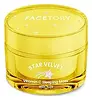
This brightening overnight mask is formulated around Ascorbic Acid and 3-O-Ethyl Ascorbic Acid to brighten dull-looking skin.
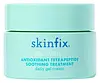
This calming overnight mask is formulated around Ceramide NP and Colloidal Oatmeal to calm redness and strengthen the skin barrier.


What's inside
What's inside
 Key Ingredients
Benefits
Concerns
Ingredients Side-by-side
Water
Skin ConditioningCetearyl Alcohol
Emollient






Glycerin
Humectant


Butylene Glycol
Humectant
Glyceryl Stearate
Emollient
Cetyl Ethylhexanoate
EmollientButyrospermum Parkii Butter
Skin Conditioning
Polyglyceryl-3 Methylglucose Distearate
Emulsifying
Simmondsia Chinensis Seed Oil
Emollient
Dimethicone
Emollient
Sorbitan Sesquioleate
Emulsifying
1,2-Hexanediol
Skin Conditioning
Sodium Hyaluronate
Humectant


Hippophae Rhamnoides Fruit Extract
Skin Conditioning
Betaine
Humectant
Helianthus Annuus Seed Oil
Emollient
Beta-Carotene
Skin ConditioningCarbomer
Emulsion StabilisingArginine
Masking
Propanediol
Solvent
Caprylyl Glycol
Emollient
Illicium Verum Fruit Extract
Perfuming
Xanthan Gum
EmulsifyingPanthenol
Skin Conditioning
Beta-Glucan
Skin Conditioning
Tocopheryl Acetate
Antioxidant


Citrus Junos Fruit Extract
Skin ConditioningEthylhexylglycerin
Skin ConditioningCeramide NP
Skin Conditioning
Glycosphingolipids
EmollientHydrogenated Lecithin
Emulsifying
Salvia Officinalis Leaf Extract
CleansingChamaecyparis Obtusa Leaf Extract
Skin ConditioningMelissa Officinalis Leaf Extract
Skin ConditioningPinus Densiflora Leaf Extract
Antimicrobial
Nelumbo Nucifera Leaf Extract
Skin ConditioningAvena Sativa Meal Extract
SoothingOryza Sativa Bran Extract
Skin Conditioning
Solanum Lycopersicum Fruit Extract
Antioxidant
Ascorbic Acid
Antioxidant


3-O-Ethyl Ascorbic Acid
Skin Conditioning
Citrus Aurantium Dulcis Peel Oil
Masking
Water, Cetearyl Alcohol, Glycerin, Butylene Glycol, Glyceryl Stearate, Cetyl Ethylhexanoate, Butyrospermum Parkii Butter, Polyglyceryl-3 Methylglucose Distearate, Simmondsia Chinensis Seed Oil, Dimethicone, Sorbitan Sesquioleate, 1,2-Hexanediol, Sodium Hyaluronate, Hippophae Rhamnoides Fruit Extract, Betaine, Helianthus Annuus Seed Oil, Beta-Carotene, Carbomer, Arginine, Propanediol, Caprylyl Glycol, Illicium Verum Fruit Extract, Xanthan Gum, Panthenol, Beta-Glucan, Tocopheryl Acetate, Citrus Junos Fruit Extract, Ethylhexylglycerin, Ceramide NP, Glycosphingolipids, Hydrogenated Lecithin, Salvia Officinalis Leaf Extract, Chamaecyparis Obtusa Leaf Extract, Melissa Officinalis Leaf Extract, Pinus Densiflora Leaf Extract, Nelumbo Nucifera Leaf Extract, Avena Sativa Meal Extract, Oryza Sativa Bran Extract, Solanum Lycopersicum Fruit Extract, Ascorbic Acid, 3-O-Ethyl Ascorbic Acid, Citrus Aurantium Dulcis Peel Oil
Water
Skin ConditioningGlycerin
Humectant
Tridecyl Neopentanoate
EmollientCetearyl Ethylhexanoate
Emollient
Olus Oil
Emollient
Propanediol
Solvent
Glyceryl Stearate Citrate
Emollient
Ammonium Acryloyldimethyltaurate/Vp Copolymer
Vitis Vinifera Seed Oil
Emollient
Isosorbide Disunflowerseedate
HumectantIsosorbide Dicaprylate
Skin ConditioningTetrapeptide-14
Skin Conditioning
Echium Plantagineum Seed Oil
Skin Conditioning
Aspalathus Linearis Extract
Skin ConditioningHydrolyzed Hyaluronic Acid
Humectant
Mel Extract
MoisturisingBoswellia Serrata Extract
Skin Conditioning
Ceramide NP
Skin Conditioning
Phytosphingosine
Skin Conditioning
Ceramide AP
Skin Conditioning
Cholesterol
Emollient
Ceramide EOP
Skin Conditioning
Colloidal Oatmeal
Absorbent
Rosa Damascena Flower Water
Masking
Cucumis Sativus Fruit Water
Skin ConditioningSimmondsia Chinensis Seed Wax
Skin Conditioning
Olea Europaea Husk Oil
Skin Conditioning
Helianthus Annuus Seed Oil
Emollient
Camellia Sinensis Leaf Extract
Antimicrobial
Aloe Barbadensis Leaf Juice
Skin Conditioning
Tocopherol
Antioxidant
Trisodium Ethylenediamine Disuccinate
ChelatingButylene Glycol
Humectant
Xanthan Gum
EmulsifyingEthylhexylglycerin
Skin ConditioningSodium Lauroyl Lactylate
EmulsifyingCarbomer
Emulsion StabilisingPhenoxyethanol
Preservative
Potassium Sorbate
Preservative
Sodium Benzoate
Masking
Citric Acid
Buffering
CI 75810
Cosmetic ColorantWater, Glycerin, Tridecyl Neopentanoate, Cetearyl Ethylhexanoate, Olus Oil, Propanediol, Glyceryl Stearate Citrate, Ammonium Acryloyldimethyltaurate/Vp Copolymer, Vitis Vinifera Seed Oil, Isosorbide Disunflowerseedate, Isosorbide Dicaprylate, Tetrapeptide-14, Echium Plantagineum Seed Oil, Aspalathus Linearis Extract, Hydrolyzed Hyaluronic Acid, Mel Extract, Boswellia Serrata Extract, Ceramide NP, Phytosphingosine, Ceramide AP, Cholesterol, Ceramide EOP, Colloidal Oatmeal, Rosa Damascena Flower Water, Cucumis Sativus Fruit Water, Simmondsia Chinensis Seed Wax, Olea Europaea Husk Oil, Helianthus Annuus Seed Oil, Camellia Sinensis Leaf Extract, Aloe Barbadensis Leaf Juice, Tocopherol, Trisodium Ethylenediamine Disuccinate, Butylene Glycol, Xanthan Gum, Ethylhexylglycerin, Sodium Lauroyl Lactylate, Carbomer, Phenoxyethanol, Potassium Sorbate, Sodium Benzoate, Citric Acid, CI 75810
Ingredients Explained
These ingredients are found in both products.
Ingredients higher up in an ingredient list are typically present in a larger amount.
Butylene Glycol (or BG) is used within cosmetic products for a few different reasons:
Overall, Butylene Glycol is a safe and well-rounded ingredient that works well with other ingredients.
Though this ingredient works well with most skin types, some people with sensitive skin may experience a reaction such as allergic rashes, closed comedones, or itchiness.
Learn more about Butylene GlycolCarbomer is a synthetic thickening and gelling agent. It's basically the ingredient that gives a lot of serums, gels, creams, and sunscreens their smooth, non-sticky texture.
Although legally permitted at very high levels, carbomers are normally used at concentrations below 1%.
It also needs to be neutralized to actually thicken, and because it is a large molecule, it doesn't really penetrate the skin barrier.
Allergy-wise, the risk is very low. Clinical studies show carbomers have low potential for skin irritation/sensitization even at concentrations up to 100%.
A 2024 UK study patch-tested 1,302 patients and found true allergy to the parent group of carbomer to be rare with no confirmed relevant reactions.
Learn more about CarbomerCeramide NP (formerly known as Ceramide 3) is one of the skin's naturally occurring lipids.
Since ceramides are the major lipid components of the skin, they are crucial for maintaining skin barrier and hydration. Ceramide NP most closely mirrors the dominant kind in human skin amongst ceramide subtypes.
This ceramide works by slotting into gaps within the stratum corneum's lipid matrix to limit trans-epidermal water loss (TEWL) and shield the skin against external irritants.
A study with 312 patients found that using a ceramide-containing routine for 4 weeks reduced the severity of atopic dermatitis by over 61%.
Another clinical study in subjects aged 60 and older found that a ceramide body wash and moisturizer improved skin dryness and itchy skin in 15 days.
Overall, ceramides are considered non-irritating and safety tests have found little to no observable adverse effects from using this ingredient.
Ceramide NP is usually sourced from plants (like soybean or rice bran), or produced synthetically.
Learn more about Ceramide NPEthylhexylglycerin is created from glycerin. It is a multitasker ingredient that:
The CIR Expert Panel found minimal skin absorption or sensitization of any kind in a safety assessment. Though this ingredient is considered well-tolerated, a small number of cases of allergic dermatitis have been published since 2002. Just be sure to patch test if you are unsure.
Industry-reported use ranges from 8% in rinse-off products and 2% in leave-on formulations.
Learn more about EthylhexylglycerinGlycerin (or glycerol) is a compound naturally found in your skin. It's a powerhouse humectant that pulls water into the stratum corneum.
Topically, glycerin does several things at once:
Your skin makes glycerin on its own (mostly from sebaceous oil breakdown) and shuttles it to your outermost layer of skin, or your epidermis, via aquaporin-3.
Aquaporin-3 is a transporter that is essential for normal skin hydration, elasticity, and repair. Interestingly, mice lacking in AQP3 have dry and less elastic skin that can be fully corrected with glycerin.
This ingredient is non-irritating, plays well with almost every ingredient, and works across all skin types. Typical use is anywhere between 3-10% but can go up to 79% in some leave-on products.
Just know very high concentrations (>40%) can feel tacky in low humidity.
Glycerin is the name for this ingredient in American English. British English uses Glycerol/Glycerine.
Learn more about GlycerinHelianthus Annuus Seed Oil is a plant oil derived from the seeds of a sunflower.
It is rich in fatty acids, primarily linoleic acid and oleic acid. This gives it emollient and skin conditioning properties.
The reason this ingredient is so effective is because it forms a thin film on the skin that reduces transepidermal water loss (TEWL) while supplying linoleic acid to the stratum corneum to improve barrier strength.
The high linoleic acid content is particularly noteworthy for acne-prone skin.
Research suggests that acne-prone skin tends to be deficient in linoleic acid in sebum. Topical application may help replenish this to support a healthier follicular environment and less comedone-promoting sebum.
One randomized study found sunflower seed oil preserved skin barrier integrity in adult volunteers with and without atopic dermatitis (outperforming olive oil).
This ingredient is well-studied, gentle, and an effective emollient suitable for most skin types.
On fungal acne: This ingredient may not be Fungal acne (Malassezia folliculitis) safe. This is because it contains fatty acids with carbon chain lengths in the C11-C24 range.
Learn more about Helianthus Annuus Seed OilPropanediol is an all-star ingredient. It softens, hydrates, and smooths the skin.
It’s often used to:
Propanediol is not likely to cause sensitivity and considered safe to use. It is derived from corn or petroleum with a clear color and no scent.
Learn more about PropanediolWater. It's the most common cosmetic ingredient of all. You'll usually see it at the top of ingredient lists, meaning that it makes up the largest part of the product.
So why is it so popular? Water most often acts as a solvent - this means that it helps dissolve other ingredients into the formulation.
You'll also recognize water as that liquid we all need to stay alive. If you see this, drink a glass of water. Remember to stay hydrated!
Learn more about WaterXanthan gum is used as a stabilizer and thickener within cosmetic products. It helps give products a sticky, thick feeling - preventing them from being too runny.
On the technical side of things, xanthan gum is a polysaccharide - a combination consisting of multiple sugar molecules bonded together.
Xanthan gum is a pretty common and great ingredient. It is a natural, non-toxic, non-irritating ingredient that is also commonly used in food products.
Learn more about Xanthan Gum

