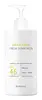
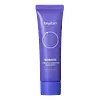
Eunyul Daily Care Fresh Sunscreen SPF 46 PA+++ Versus Beplain Sunmuse Tone-Up & Correcting Sunscreen SPF50+ PA++++
This chemical sunscreen covers the full UV range and blocks ~98% of UVB at SPF 46.
This chemical sunscreen covers the full UV range and blocks ~98% of UVB at SPF 50.

What's inside
What's inside
 Key Ingredients
Benefits
Concerns
Ingredients Side-by-side
Water
Skin ConditioningEthylhexyl Methoxycinnamate
UV Absorber


Homosalate
Skin Conditioning
Ethylhexyl Salicylate
UV Absorber
Butylene Glycol
Humectant

Butyl Methoxydibenzoylmethane
UV Absorber
Silica
Abrasive


Bis-Ethylhexyloxyphenol Methoxyphenyl Triazine
UV Absorber
Butyloctyl Salicylate
Skin Conditioning
Glycerin
Humectant
Potassium Cetyl Phosphate
EmulsifyingAmmonium Polyacryloyldimethyl Taurate
Emulsion StabilisingSorbitan Oleate
Emulsifying



Sodium Hyaluronate
Humectant


Sodium Hyaluronate Crosspolymer
Humectant
Hydrolyzed Hyaluronic Acid
Humectant
Hyaluronic Acid
Humectant
Hydrolyzed Sodium Hyaluronate
Skin Conditioning
Cetraria Islandica Extract
CleansingHydrolyzed Coral
Skin ConditioningMacrocystis Pyrifera Extract
Skin Conditioning
Sargassum Muticum Extract
Skin ProtectingDimethicone
Emollient
Sodium Acrylate/Sodium Acryloyldimethyl Taurate Copolymer
Emulsion StabilisingIsohexadecane
EmollientDimethicone/Vinyl Dimethicone Crosspolymer
Skin Conditioning
Polysorbate 80
Emulsifying
Disodium EDTA
Panthenol
Skin Conditioning
Dipotassium Glycyrrhizate
Humectant
Ethylhexylglycerin
Skin Conditioning1,2-Hexanediol
Skin Conditioning
Chlorphenesin
Antimicrobial
Parfum
Masking

Limonene
Perfuming
Linalool
Perfuming
Butylphenyl Methylpropional
Perfuming
Water, Ethylhexyl Methoxycinnamate, Homosalate, Ethylhexyl Salicylate, Butylene Glycol, Butyl Methoxydibenzoylmethane, Silica, Bis-Ethylhexyloxyphenol Methoxyphenyl Triazine, Butyloctyl Salicylate, Glycerin, Potassium Cetyl Phosphate, Ammonium Polyacryloyldimethyl Taurate, Sorbitan Oleate, Sodium Hyaluronate, Sodium Hyaluronate Crosspolymer, Hydrolyzed Hyaluronic Acid, Hyaluronic Acid, Hydrolyzed Sodium Hyaluronate, Cetraria Islandica Extract, Hydrolyzed Coral, Macrocystis Pyrifera Extract, Sargassum Muticum Extract, Dimethicone, Sodium Acrylate/Sodium Acryloyldimethyl Taurate Copolymer, Isohexadecane, Dimethicone/Vinyl Dimethicone Crosspolymer, Polysorbate 80, Disodium EDTA, Panthenol, Dipotassium Glycyrrhizate, Ethylhexylglycerin, 1,2-Hexanediol, Chlorphenesin, Parfum, Limonene, Linalool, Butylphenyl Methylpropional
Water
Skin ConditioningEthylhexyl Triazone
UV Absorber
Dibutyl Adipate
EmollientPropanediol
Solvent
Diethylamino Hydroxybenzoyl Hexyl Benzoate
UV Filter
Butyloctyl Salicylate
Skin Conditioning
Niacinamide
Smoothing




Bis-Ethylhexyloxyphenol Methoxyphenyl Triazine
UV Absorber
CI 77891
Cosmetic ColorantCoco-Caprylate/Caprate
Emollient
1,2-Hexanediol
Skin Conditioning
Polyglyceryl-3 Methylglucose Distearate
Emulsifying
CI 77007
Cosmetic ColorantTromethamine
BufferingDaucus Carota Sativa Root Extract
Skin Conditioning
Silica
Abrasive
Carbomer
Emulsion StabilisingAmmonium Acryloyldimethyltaurate/Vp Copolymer
Acrylates/C10-30 Alkyl Acrylate Crosspolymer
Emulsion StabilisingPolyacrylate Crosspolymer-6
Emulsion StabilisingVp/Eicosene Copolymer
Stearyl Alcohol
Emollient
Cetyl Alcohol
Emollient
Ethylhexylglycerin
Skin ConditioningPolyglyceryl-6 Polyhydroxystearate
Emulsifying
Polyglyceryl-6 Polyricinoleate
Emulsifying
Aluminum Hydroxide
EmollientKaolin
Abrasive
Allantoin
Skin Conditioning
Triethoxycaprylylsilane
Adenosine
Skin Conditioning
Sodium Stearoyl Glutamate
CleansingPolyglycerin-6
HumectantSaccharide Hydrolysate
HumectantBetaine
Humectant
Camellia Sinensis Leaf Water
Masking
T-Butyl Alcohol
Perfuming

Myristyl Alcohol
Emollient
Lauryl Alcohol
Emollient
Tocopherol
Antioxidant

Ascorbyl Palmitate
Antioxidant
Water, Ethylhexyl Triazone, Dibutyl Adipate, Propanediol, Diethylamino Hydroxybenzoyl Hexyl Benzoate, Butyloctyl Salicylate, Niacinamide, Bis-Ethylhexyloxyphenol Methoxyphenyl Triazine, CI 77891, Coco-Caprylate/Caprate, 1,2-Hexanediol, Polyglyceryl-3 Methylglucose Distearate, CI 77007, Tromethamine, Daucus Carota Sativa Root Extract, Silica, Carbomer, Ammonium Acryloyldimethyltaurate/Vp Copolymer, Acrylates/C10-30 Alkyl Acrylate Crosspolymer, Polyacrylate Crosspolymer-6, Vp/Eicosene Copolymer, Stearyl Alcohol, Cetyl Alcohol, Ethylhexylglycerin, Polyglyceryl-6 Polyhydroxystearate, Polyglyceryl-6 Polyricinoleate, Aluminum Hydroxide, Kaolin, Allantoin, Triethoxycaprylylsilane, Adenosine, Sodium Stearoyl Glutamate, Polyglycerin-6, Saccharide Hydrolysate, Betaine, Camellia Sinensis Leaf Water, T-Butyl Alcohol, Myristyl Alcohol, Lauryl Alcohol, Tocopherol, Ascorbyl Palmitate
Ingredients Explained
These ingredients are found in both products.
Ingredients higher up in an ingredient list are typically present in a larger amount.
1,2-Hexanediol is a synthetic liquid and another multi-functional powerhouse.
It is a:
- Humectant, drawing moisture into the skin
- Emollient, helping to soften skin
- Solvent, dispersing and stabilizing formulas
- Preservative booster, enhancing the antimicrobial activity of other preservatives
This ingredient is better known as bemotrizinol or Tinosorb S and is one of the best broad-spectrum UV filters in modern sunscreen.
It works by absorbing UV light across a whole range (280-400 nm) with peaks around 310 nm (UVB) and 340-345 nm (UVA). This means it covers UVB plus the deeper UVA wavelengths that drive photoaging and pigmentation.
Another pro?
It's exceptionally photostable, barely degrades in sunlight, and acts as a "bodyguard" for less stable filters.
That's why you'll see it paired with avobenzone or octinoxate; this team up ensures they keep working through sun exposure.
Safety reviews have been reassuring across the board. This ingredient shows low absorption through the skin, rarely irritates, and lab studies found it doesn't act like a hormone in the body (a concern that's been raised about some older sunscreen filters).
On maximum concentrations:
In 2026, the US F.D.A finally added it as an OTC sunscreen ingredient at concentrations up to 6% for adults / children 6 months and older
Learn more about Bis-Ethylhexyloxyphenol Methoxyphenyl TriazineButyloctyl Salicylate is a chemical UV filter structurally similar to octisalate. It is a photostabilizer, SPF booster, emollient and solvent. This ingredient helps evenly spread out ingredients.
According to a manufacturer, it is suitable for pairing with micro Titanium Dioxide, Zinc Oxide, and pigments.
Photostabilizers help stabilize UV-filters and prevents them from degrading quickly.
Learn more about Butyloctyl SalicylateEthylhexylglycerin is created from glycerin. It is a multitasker ingredient that:
The CIR Expert Panel found minimal skin absorption or sensitization of any kind in a safety assessment. Though this ingredient is considered well-tolerated, a small number of cases of allergic dermatitis have been published since 2002. Just be sure to patch test if you are unsure.
Industry-reported use ranges from 8% in rinse-off products and 2% in leave-on formulations.
Learn more about EthylhexylglycerinSilica, also known as silicon dioxide, is a naturally occurring mineral. It is used as a fine, spherical, and porous powder in cosmetics.
Though it has exfoliant properties, the function of silica varies depending on the product.
The unique structure of silica enhances the spreadability and adds smoothness, making it a great texture enhancer.
It is also used as an active carrier, emulsifier, and mattifier due to its ability to absorb excess oil.
In some products, tiny microneedles called spicules are made from silica or hydrolyzed sponge. When you rub them in, they lightly polish away dead skin layers and enhance the penetration of active ingredients.
Learn more about SilicaWater. It's the most common cosmetic ingredient of all. You'll usually see it at the top of ingredient lists, meaning that it makes up the largest part of the product.
So why is it so popular? Water most often acts as a solvent - this means that it helps dissolve other ingredients into the formulation.
You'll also recognize water as that liquid we all need to stay alive. If you see this, drink a glass of water. Remember to stay hydrated!
Learn more about Water

