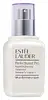
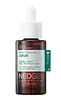
Estée Lauder Perfectionist Pro Serum Rapid Brightening Treatment with Ferment² + Vitamin C Versus Neogen Real Vita C Serum
This brightening serum is formulated around Ascorbyl Glucoside and Acetyl Glucosamine to brighten dull-looking skin and fade the look of dark spots.
This brightening serum is formulated around Sodium Ascorbyl Phosphate and Niacinamide to brighten dull-looking skin and fade the look of dark spots.


What's inside
What's inside
 Key Ingredients
Benefits
Concerns
Ingredients Side-by-side
Water
Skin ConditioningButylene Glycol
Humectant

Glycerin
Humectant
Glycereth-26
Humectant
Isononyl Isononanoate
EmollientDimethicone
Emollient
Propanediol
Solvent
Ascorbyl Glucoside
Antioxidant



Algae Extract
Emollient

Sucrose
Humectant
Acetyl Glucosamine
Skin Conditioning
Hydroxyethyl Urea
Humectant
Lens Esculenta Fruit Extract
Skin ConditioningCitrullus Lanatus Fruit Extract
Skin Conditioning
Pyrus Malus Fruit Extract
Skin Conditioning
Molasses Extract
Skin ConditioningMyrtus Communis Leaf Extract
Perfuming
Avena Sativa Kernel Extract
Abrasive

Triticum Vulgare Germ Extract
Skin ConditioningHordeum Vulgare Extract
EmollientCladosiphon Okamuranus Extract
Skin Conditioning
Salicylic Acid
Masking








Hydrolyzed Prunus Domestica
Skin ConditioningCaffeine
Skin Conditioning
Sodium Lactate
Buffering
Dipotassium Glycyrrhizate
Humectant
Squalane
Emollient
Oryzanol
Skin ConditioningResveratrol
Antioxidant
Sodium Hyaluronate
Humectant
Sodium PCA
Humectant
Ethylhexylglycerin
Skin ConditioningBis-PEG-18 Methyl Ether Dimethyl Silane
EmollientTocopheryl Acetate
Antioxidant
PEG-75
HumectantOleth-3 Phosphate
SurfactantSorbitol
Humectant
Caprylyl Glycol
Emollient
Oleth-3
Emulsifying
Sodium Polyaspartate
HumectantOleth-5
Emulsifying
Acrylates/C10-30 Alkyl Acrylate Crosspolymer
Emulsion StabilisingPropylene Glycol Caprylate
Skin ConditioningDextrin
AbsorbentFaex Extract
Skin ConditioningCholeth-24
EmulsifyingCarbomer
Emulsion StabilisingSodium Hydroxide
BufferingCeteth-24
CleansingXanthan Gum
EmulsifyingParfum
Masking
Glyceryl Acrylate/Acrylic Acid Copolymer
HumectantCitric Acid
Buffering
Sodium Citrate
BufferingDisodium EDTA
ChelatingBHT
Antioxidant
Potassium Sorbate
Preservative
Sodium Benzoate
Masking
Phenoxyethanol
Preservative
Water, Butylene Glycol, Glycerin, Glycereth-26, Isononyl Isononanoate, Dimethicone, Propanediol, Ascorbyl Glucoside, Algae Extract, Sucrose, Acetyl Glucosamine, Hydroxyethyl Urea, Lens Esculenta Fruit Extract, Citrullus Lanatus Fruit Extract, Pyrus Malus Fruit Extract, Molasses Extract, Myrtus Communis Leaf Extract, Avena Sativa Kernel Extract, Triticum Vulgare Germ Extract, Hordeum Vulgare Extract, Cladosiphon Okamuranus Extract, Salicylic Acid, Hydrolyzed Prunus Domestica, Caffeine, Sodium Lactate, Dipotassium Glycyrrhizate, Squalane, Oryzanol, Resveratrol, Sodium Hyaluronate, Sodium PCA, Ethylhexylglycerin, Bis-PEG-18 Methyl Ether Dimethyl Silane, Tocopheryl Acetate, PEG-75, Oleth-3 Phosphate, Sorbitol, Caprylyl Glycol, Oleth-3, Sodium Polyaspartate, Oleth-5, Acrylates/C10-30 Alkyl Acrylate Crosspolymer, Propylene Glycol Caprylate, Dextrin, Faex Extract, Choleth-24, Carbomer, Sodium Hydroxide, Ceteth-24, Xanthan Gum, Parfum, Glyceryl Acrylate/Acrylic Acid Copolymer, Citric Acid, Sodium Citrate, Disodium EDTA, BHT, Potassium Sorbate, Sodium Benzoate, Phenoxyethanol
Water
Skin ConditioningSodium Ascorbyl Phosphate 10%
Antioxidant
Isopentyldiol
Humectant
1,2-Hexanediol
Skin Conditioning
Niacinamide
Smoothing
Dipropylene Glycol
HumectantButylene Glycol
Humectant
Malpighia Emarginata Fruit Extract
Skin ConditioningCitrus Unshiu Peel Extract
MaskingCitrus Aurantifolia Fruit Extract
Skin ConditioningCitrus Limon Fruit Extract
Masking
Brassica Oleracea Italica Extract
AstringentHippophae Rhamnoides Extract
MaskingCitrus Aurantium Dulcis Fruit Extract
MaskingCitrus Paradisi Fruit Extract
Skin ConditioningAscorbic Acid
Antioxidant
Citric Acid
Buffering
Octyldodeceth-16
EmulsifyingXanthan Gum
EmulsifyingCitrus Aurantium Bergamia Fruit Oil
Masking

Sodium Metabisulfite
Antioxidant
Ethylhexylglycerin
Skin ConditioningCoptis Japonica Extract
AntimicrobialDextrin
AbsorbentTheobroma Cacao Extract
Skin ConditioningSodium Hyaluronate
Humectant
Tocopheryl Acetate
Antioxidant
Panthenol
Skin Conditioning
Disodium EDTA
ChelatingLimonene
Perfuming
Linalool
Perfuming
Water, Sodium Ascorbyl Phosphate 10%, Isopentyldiol, 1,2-Hexanediol, Niacinamide, Dipropylene Glycol, Butylene Glycol, Malpighia Emarginata Fruit Extract, Citrus Unshiu Peel Extract, Citrus Aurantifolia Fruit Extract, Citrus Limon Fruit Extract, Brassica Oleracea Italica Extract, Hippophae Rhamnoides Extract, Citrus Aurantium Dulcis Fruit Extract, Citrus Paradisi Fruit Extract, Ascorbic Acid, Citric Acid, Octyldodeceth-16, Xanthan Gum, Citrus Aurantium Bergamia Fruit Oil, Sodium Metabisulfite, Ethylhexylglycerin, Coptis Japonica Extract, Dextrin, Theobroma Cacao Extract, Sodium Hyaluronate, Tocopheryl Acetate, Panthenol, Disodium EDTA, Limonene, Linalool
Reviews
Ingredients Explained
These ingredients are found in both products.
Ingredients higher up in an ingredient list are typically present in a larger amount.
Butylene Glycol (or BG) is used within cosmetic products for a few different reasons:
Overall, Butylene Glycol is a safe and well-rounded ingredient that works well with other ingredients.
Though this ingredient works well with most skin types, some people with sensitive skin may experience a reaction such as allergic rashes, closed comedones, or itchiness.
Learn more about Butylene GlycolCitric Acid is an alpha hydroxy acid (AHA) naturally found in citrus fruits like oranges, lemons, and limes.
Like other AHAs, citric acid can exfoliate skin by breaking down the bonds that hold dead skin cells together. This helps reveal smoother and brighter skin underneath.
However, this exfoliating effect only happens at high concentrations (20%) which can be hard to find in cosmetic products.
Due to this, citric acid is usually included in small amounts as a pH adjuster. This helps keep products slightly more acidic and compatible with skin's natural pH.
In skincare formulas, citric acid can:
While it can provide some skin benefits, research shows lactic acid and glycolic acid are generally more effective and less irritating exfoliants.
Most citric acid used in skincare today is made by fermenting sugars (usually from molasses). This synthetic version is identical to the natural citrus form but easier to stabilize and use in formulations.
Rosacea skin has a lower threshold for acids generally, with 62.5% of rosacea subjects in one study reacting to lactic acid in a sting test. This is why we mark citric acid as a potential rosacea trigger.
However, this ingredient shows up as a pH adjuster or chelator at roughly 0.1-1% in many products. These low levels are unlikely to be an issue for rosacea skin and becomes a potential trigger at exfoliating concentrations (20%). Because everybody's skin is unique, we recommend a patch test if you are unsure.
Learn more about Citric AcidDextrin is a starch-derived polysaccharide. It's made by partially breaking down corn, potato, or other plant starches.
Think of it as "half-processed" starch; it's less complex than the original but not fully broken down into sugar like maltodextrin.
In cosmetics, it mainly functions as a bulking agent, viscosity controller, binder, and absorbent. It helps thicken products, stabilize powders, and get certain textures a less "wet" feel.
This ingredient has a pretty solid safety profile; it's recognized as a safe food additive and its large molecular size means it doesn't meaningfully penetrate skin.
Human repeat insult patch tests using a rinse-off facial product containing 42.69% dextrin found no skin irritation or sensitization in 54 subjects.
Typical real-world usage is much lower: usually under 1% as a texture modifier and up to 40% in masks (rinse off products use less).
Learn more about DextrinDisodium EDTA is a chelating agent. It grabs onto and deactivates metal ions that sneak into your products from water, packaging, or air.
This ingredient mainly works behind the scenes and helps with:
On top of that, this ingredient can counteract the effects of hard water by binding to the minerals in it.
One thing worth knowing is that Disodium EDTA has been shown to be a mild penetration enhancer. It can help other ingredients absorb into skin more effectively which can be a double-edged sword (great for actives, but can also make the active too strong if you have sensitive skin).
Clinical patch testing showed no significant skin irritation at typical use concentrations and minimal dermal absorption.
You'll most likely see this ingredient near the end of an ingredient list. It's typically found in concentrations less than 1%.
Learn more about Disodium EDTAEthylhexylglycerin is created from glycerin. It is a multitasker ingredient that:
The CIR Expert Panel found minimal skin absorption or sensitization of any kind in a safety assessment. Though this ingredient is considered well-tolerated, a small number of cases of allergic dermatitis have been published since 2002. Just be sure to patch test if you are unsure.
Industry-reported use ranges from 8% in rinse-off products and 2% in leave-on formulations.
Learn more about EthylhexylglycerinSodium Hyaluronate is the salt form of hyaluronic acid. It is a long sugar chain that is naturally found in your skin, joints, and connective tissue that maintains hydration and elasticity.
In skincare, it works as a humectant. It pulls water from the environment and deeper layers of skin and binds it to the surface.
Interestingly, the size of the molecule affects its behavior:
Some clinical evidence links low molecular weight versions to improved wrinkle depth, elasticity, anti-inflammatory effects, and barrier repair.
Many serums use a blend of both weights so you can get surface hydration plus longer-lasting and deeper effects.
You'll typically see concentrations between 0.1-2% for this ingredient.
Learn more about Sodium HyaluronateTocopheryl Acetate is a stable, shelf-friendly form of vitamin E.
Formulators love it because plain vitamin E oxidizes quickly once it hits air. This acetate version stays stable and resists going off, helping to extend a product's shelf life.
It's actually inactive on its own and works like a slow-release "storage" form; the enzymes in your skin called esterases gradually convert it into active vitamin E over time.
One in vivo study showed 5% of the acetate in the living layer of the epidermis converted to vitamin E after 5 days of application. This study also found the skin gained protection against UV damage even though the conversion was slow and small.
Once converted, vitamin E acts as a skin's main fat-soluble antioxidant that fights free radicals to protect skin from damage.
Topical vitamin E generally boosts the skin's photoprotection, and it reduced UV-damage in animal models.
This ingredient has some brightening potential but it's more of a prevention ingredient than spot-fader. Cell studies show it can slow down melanin production but it's worth noting that it's not the most powerful brightener out there.
Overall, it has a pretty solid safety profile and has been found to be non-irritating and non-comedogenic. Allergic reactions may happen but stay rare due to how widely the ingredient gets used.
The concentration will vary depending on the formula; industry data shows 0.1% in baby lotions, 3% in lipsticks, and 5% in foot powders. You can also find this ingredient at 100% in a pure vitamin E oil.
Most leave-on skincare keeps it at the lower end, often between 0.5-1%.
Learn more about Tocopheryl AcetateWater. It's the most common cosmetic ingredient of all. You'll usually see it at the top of ingredient lists, meaning that it makes up the largest part of the product.
So why is it so popular? Water most often acts as a solvent - this means that it helps dissolve other ingredients into the formulation.
You'll also recognize water as that liquid we all need to stay alive. If you see this, drink a glass of water. Remember to stay hydrated!
Learn more about WaterXanthan gum is used as a stabilizer and thickener within cosmetic products. It helps give products a sticky, thick feeling - preventing them from being too runny.
On the technical side of things, xanthan gum is a polysaccharide - a combination consisting of multiple sugar molecules bonded together.
Xanthan gum is a pretty common and great ingredient. It is a natural, non-toxic, non-irritating ingredient that is also commonly used in food products.
Learn more about Xanthan Gum

