
What's inside
What's inside
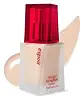 Key Ingredients
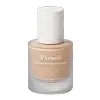
Benefits
Concerns
Ingredients Side-by-side
Water
Skin ConditioningMethyl Trimethicone
Skin Conditioning
CI 77891
Cosmetic ColorantPhenyl Trimethicone
Skin Conditioning
Ethylhexyl Methoxycinnamate
UV Absorber


Isododecane
EmollientButylene Glycol
Humectant

Glycerin
Humectant
Alcohol Denat.
Antimicrobial



Polymethyl Methacrylate

Cyclopentasiloxane
Emollient
Lauryl PEG-9 Polydimethylsiloxyethyl Dimethicone
Skin Conditioning
Dimethicone
Emollient
Glycereth-26
Humectant
Diphenyl Dimethicone/Vinyl Diphenyl Dimethicone/Silsesquioxane Crosspolymer
CI 77492
Cosmetic ColorantDisteardimonium Hectorite
StabilisingAcrylates/Dimethicone Copolymer
Skin Conditioning
Acrylates/Polytrimethylsiloxymethacrylate Copolymer
Skin ConditioningPEG-10 Dimethicone
Skin Conditioning
Polymethylsilsesquioxane
1,2-Hexanediol
Skin Conditioning
Phytosteryl/Octyldodecyl Lauroyl Glutamate
Skin ConditioningPolysilicone-11
Acrylates/Ethylhexyl Acrylate/Dimethicone Methacrylate Copolymer
Skin Conditioning
Caprylic/Capric Triglyceride
Masking
Aluminum Hydroxide
EmollientSodium Chloride
MaskingOryza Sativa Bran Wax
Skin Conditioning
Triethoxycaprylylsilane
CI 77491
Cosmetic ColorantParfum
Masking

Caprylyl Glycol
Emollient
Propylene Carbonate
SolventCI 77499
Cosmetic ColorantGlyceryl Caprylate
EmollientDisodium EDTA
ChelatingPanthenol
Skin Conditioning

Alumina
Abrasive
Gluconolactone
Chelating





BHT
Antioxidant
Tocopherol
Antioxidant

Water, Methyl Trimethicone, CI 77891, Phenyl Trimethicone, Ethylhexyl Methoxycinnamate, Isododecane, Butylene Glycol, Glycerin, Alcohol Denat., Polymethyl Methacrylate, Cyclopentasiloxane, Lauryl PEG-9 Polydimethylsiloxyethyl Dimethicone, Dimethicone, Glycereth-26, Diphenyl Dimethicone/Vinyl Diphenyl Dimethicone/Silsesquioxane Crosspolymer, CI 77492, Disteardimonium Hectorite, Acrylates/Dimethicone Copolymer, Acrylates/Polytrimethylsiloxymethacrylate Copolymer, PEG-10 Dimethicone, Polymethylsilsesquioxane, 1,2-Hexanediol, Phytosteryl/Octyldodecyl Lauroyl Glutamate, Polysilicone-11, Acrylates/Ethylhexyl Acrylate/Dimethicone Methacrylate Copolymer, Caprylic/Capric Triglyceride, Aluminum Hydroxide, Sodium Chloride, Oryza Sativa Bran Wax, Triethoxycaprylylsilane, CI 77491, Parfum, Caprylyl Glycol, Propylene Carbonate, CI 77499, Glyceryl Caprylate, Disodium EDTA, Panthenol, Alumina, Gluconolactone, BHT, Tocopherol
Water
Skin ConditioningDimethicone
Emollient
Butylene Glycol
Humectant
Zinc Oxide
Cosmetic Colorant
Methyl Trimethicone
Skin Conditioning
Butyloctyl Salicylate
Skin Conditioning
CI 77891
Cosmetic ColorantEthylhexyl Palmitate
Emollient

Phenyl Trimethicone
Skin Conditioning
Ethylhexyl Stearate
Emollient
Titanium Dioxide
Cosmetic Colorant
Lauryl PEG-9 Polydimethylsiloxyethyl Dimethicone
Skin Conditioning
Lauryl PEG-10 Tris(Trimethylsiloxy)Silylethyl Dimethicone
Emulsifying
Octyldodecanol
Emollient
Magnesium Sulfate
Disteardimonium Hectorite
StabilisingIsododecane
EmollientPolyphenylsilsesquioxane
1,2-Hexanediol
Skin Conditioning
Polyisobutene
CI 77492
Cosmetic ColorantTrimethylsiloxysilicate
Emollient
Sorbitan Sesquioleate
Emulsifying
Tribehenin
Emollient
Caprylic/Capric Triglyceride
Masking
Synthetic Fluorphlogopite
Centella Asiatica Extract
Cleansing
Acrylates/Polytrimethylsiloxymethacrylate Copolymer
Skin ConditioningTriethoxycaprylylsilane
Silica
Abrasive
Caprylyl Glycol
Emollient
Dimethicone/Vinyl Dimethicone Crosspolymer
Skin Conditioning
CI 77491
Cosmetic ColorantAluminum Hydroxide
EmollientCI 77499
Cosmetic ColorantPropylene Carbonate
SolventRosmarinus Officinalis Leaf Oil
Masking
Simmondsia Chinensis Seed Oil
Emollient
Betaine
Humectant
Panthenol
Skin Conditioning
Glycerin
Humectant
Hydroxypropyl Bispalmitamide Mea
Emollient
Leptospermum Scoparium Leaf Extract
Skin ConditioningMacadamia Ternifolia Seed Oil
Emollient
Madecassoside
Antioxidant
Tocopherol
Antioxidant
Honey Extract
Humectant
Angelica Archangelica Root Extract
Masking
Ceramide NP
Skin Conditioning
Fructooligosaccharides
Humectant
Pullulan
Phytosphingosine
Skin Conditioning
Viola Tricolor Extract
EmollientHydrogenated Lecithin
Emulsifying
Beta-Glucan
Skin Conditioning
Lactobacillus Ferment
Skin Conditioning
Vigna Angularis Seed Extract
Skin ProtectingMaltodextrin
Absorbent
Mica
Cosmetic ColorantDistearyldimonium Chloride
Polyglutamic Acid
Skin Conditioning
Water, Dimethicone, Butylene Glycol, Zinc Oxide, Methyl Trimethicone, Butyloctyl Salicylate, CI 77891, Ethylhexyl Palmitate, Phenyl Trimethicone, Ethylhexyl Stearate, Titanium Dioxide, Lauryl PEG-9 Polydimethylsiloxyethyl Dimethicone, Lauryl PEG-10 Tris(Trimethylsiloxy)Silylethyl Dimethicone, Octyldodecanol, Magnesium Sulfate, Disteardimonium Hectorite, Isododecane, Polyphenylsilsesquioxane, 1,2-Hexanediol, Polyisobutene, CI 77492, Trimethylsiloxysilicate, Sorbitan Sesquioleate, Tribehenin, Caprylic/Capric Triglyceride, Synthetic Fluorphlogopite, Centella Asiatica Extract, Acrylates/Polytrimethylsiloxymethacrylate Copolymer, Triethoxycaprylylsilane, Silica, Caprylyl Glycol, Dimethicone/Vinyl Dimethicone Crosspolymer, CI 77491, Aluminum Hydroxide, CI 77499, Propylene Carbonate, Rosmarinus Officinalis Leaf Oil, Simmondsia Chinensis Seed Oil, Betaine, Panthenol, Glycerin, Hydroxypropyl Bispalmitamide Mea, Leptospermum Scoparium Leaf Extract, Macadamia Ternifolia Seed Oil, Madecassoside, Tocopherol, Honey Extract, Angelica Archangelica Root Extract, Ceramide NP, Fructooligosaccharides, Pullulan, Phytosphingosine, Viola Tricolor Extract, Hydrogenated Lecithin, Beta-Glucan, Lactobacillus Ferment, Vigna Angularis Seed Extract, Maltodextrin, Mica, Distearyldimonium Chloride, Polyglutamic Acid
Reviews
Ingredients Explained
These ingredients are found in both products.
Ingredients higher up in an ingredient list are typically present in a larger amount.
1,2-Hexanediol is a synthetic liquid and another multi-functional powerhouse.
It is a:
- Humectant, drawing moisture into the skin
- Emollient, helping to soften skin
- Solvent, dispersing and stabilizing formulas
- Preservative booster, enhancing the antimicrobial activity of other preservatives
We don't have a description for Acrylates/Polytrimethylsiloxymethacrylate Copolymer yet.
Aluminum Hydroxide is a form of aluminum. It can be naturally found in nature as the mineral gibbsite. In cosmetics, Aluminum Hydroxide is used as a colorant, pH adjuster, and absorbent.
As a colorant, Aluminum Hydroxide may add opacity, or reduce the transparency. Aluminum hydroxide is contains both basic and acidic properties.
According to manufacturers, this ingredient is an emollient and humectant. This means it helps hydrate the skin.
In medicine, this ingredient is used to help relieve heartburn and help heal ulcers.
There is currently no credible scientific evidence linking aluminum hydroxide in cosmetics to increased cancer risk.
Major health organizations allow the use of aluminum hydroxide in personal care products and have not flagged it as a carcinogenic risk at typical usage levels.
Learn more about Aluminum HydroxideButylene Glycol (or BG) is used within cosmetic products for a few different reasons:
Overall, Butylene Glycol is a safe and well-rounded ingredient that works well with other ingredients.
Though this ingredient works well with most skin types, some people with sensitive skin may experience a reaction such as allergic rashes, closed comedones, or itchiness.
Learn more about Butylene GlycolCaprylic/Capric Triglyceride (aka MCT Oil) is a lightweight emollient, solvent, and texture enhancer. It is considered a skin-softener by helping to prevent moisture loss.
Though it behaves like an oil, it is not technically one due to its chemical composition. One perk of this ingredient is that it is very stable, resistant to oxidation, and unlikely to go rancid.
In practice, that translates to a long shelf life and a consistently elegant skin feel.
While there is an assumption Caprylic Triglyceride can clog pores due to it being derived from coconut oil, there is no research supporting this. Just patch test if you have concerns.
Fractionated coconut oil and MCT Oil are both listed as Caprylic/Capric Triglyceride according to INCI. This is because INCI names are based on the ingredient’s final chemical composition and not its marketing name or source.
This ingredient is treated as the gold standard fungal acne safe oil. Even though it is coconut derived, the problematic lauric acid is stripped out.
This leaves just caprylic (C8) and capric (C10) acid. These chain lengths actually trend antifungal; a 2020 study found caprylic acid was enough to disrupt Malassezia furfur cell membrane, with a caprylic acid derivative damaging membrane structures at concentrations as low as 0.2%.
Learn more about Caprylic/Capric TriglycerideCaprylyl Glycol is a humectant, skin conditioner, emollient, and preservative booster derived from either caprylic acid or synthetically created.
Typical use levels vary from 0.3-1% as a preservative booster and go up to 2% to condition skin.
Because it is not a free-fatty acid, this ingredient is fungal acne safe (there's nothing for Malassezia to feed on).
Learn more about Caprylyl GlycolCi 77491 is also hydrated iron III oxide. It's sole purpose is to give a red/pink hue to products.
Iron III oxides are classified as inorganic chemicals for coloring.
Synthetically created Ci 77491 is considered safer than those naturally found. This is because the synthetically created version may contain less impurities. Iron oxides are generally non-toxic and non-allergenic.
Learn more about CI 77491CI 77492 is also hydrated iron III oxide. It's sole purpose is to give a yellow hue to products.
Iron III oxides are classified as inorganic chemicals for coloring.
Synthetically created CI 77492 is considered safer than those naturally found. This is because the synthetically created version may contain less impurities. Iron oxides are generally non-toxic and non-allergenic.
Learn more about CI 77492Ci 77499 is also hydrated iron III oxide. It is created from mixing red and black iron oxides. This helps give shades of darkness to a product.
Iron III oxides are classified as inorganic chemicals for coloring.
Ci 77891 is a white pigment from Titanium dioxide. It is naturally found in minerals such as rutile and ilmenite.
It's main function is to add a white color to cosmetics. It can also be mixed with other colors to create different shades.
Ci 77891 is commonly found in sunscreens due to its ability to block UV rays.
Learn more about CI 77891Dimethicone is a type of synthetic silicone created from natural materials such as quartz. It is also known as polydimethylsiloxane.
What it does:
Dimethicone comes in different viscosities:
Depending on the viscosity, dimethicone has different properties.
Ingredients lists don't always show which type is used, so we recommend reaching out to the brand if you have questions about the viscosity.
This ingredient is unlikely to cause irritation because it does not get absorbed into skin. However, people with silicone allergies should be careful about using this ingredient.
Note: Dimethicone may contribute to pilling. This is because it is not oil or water soluble, so pilling may occur when layered with products. When mixed with heavy oils in a formula, the outcome is also quite greasy.
Learn more about DimethiconeDisteardimonium Hectorite comes from the clay mineral named hectorite. It is used to add thickness to a product.
It can also help stabilize a product by helping to disperse other ingredients.
Hectorite is a rare, white clay mineral.
Learn more about Disteardimonium HectoriteGlycerin (or glycerol) is a compound naturally found in your skin. It's a powerhouse humectant that pulls water into the stratum corneum.
Topically, glycerin does several things at once:
Your skin makes glycerin on its own (mostly from sebaceous oil breakdown) and shuttles it to your outermost layer of skin, or your epidermis, via aquaporin-3.
Aquaporin-3 is a transporter that is essential for normal skin hydration, elasticity, and repair. Interestingly, mice lacking in AQP3 have dry and less elastic skin that can be fully corrected with glycerin.
This ingredient is non-irritating, plays well with almost every ingredient, and works across all skin types. Typical use is anywhere between 3-10% but can go up to 79% in some leave-on products.
Just know very high concentrations (>40%) can feel tacky in low humidity.
Glycerin is the name for this ingredient in American English. British English uses Glycerol/Glycerine.
Learn more about GlycerinIsododecane is a fragrance, emollient, and solvent.
As an emollient, it helps your skin stay soft and hydrated. Emollients help trap moisture into your skin.
Isododecane's role as a solvent makes it a great texture enhancer. It spreads smoothly on skin and does not leave a sticky feeling behind. Isododecane also helps prevent color transfer in makeup products.
Isododecane is not absorbed into skin.
The chemical name for this ingredient is 2,2,4,6,6-PENTAMETHYLHEPTANE.
Learn more about IsododecaneThis is a silicone-polyether copolymer with skin conditioning, emulsifying, texture enhancing, and surfactant properties. It is used to help blend water and silicone based ingredients to improve slip and spreadability.
Due to its large molecular size and hydrophilic-lipophilic structure (it loves both oil and water), this ingredient is minimally absorbed into the skin.
Methyl Trimethicone is a type of silicone. It is a solvent and emulsifier.
Solvents are used to keep ingredients together in a product. They can help dissolve ingredients to stable bases or help evenly distribute ingredients throughout the product.
Emulsifiers help stabilize a product. It does this by preventing certain ingredients from separating.
Methyl Trimethicone does not get absorbed into the skin.
Learn more about Methyl TrimethiconePanthenol is a common ingredient that helps hydrate and soothe the skin. It is found naturally in our skin and hair.
There are two forms of panthenol: D and L.
D-panthenol is also known as dexpanthenol. Most cosmetics use dexpanthenol or a mixture of D and L-panthenol.
Panthenol is famous due to its ability to go deeper into the skin's layers. Using this ingredient has numerous pros (and no cons):
Like hyaluronic acid, panthenol is a humectant. Humectants are able to bind and hold large amounts of water to keep skin hydrated.
This ingredient works well for wound healing. It works by increasing tissue in the wound and helps close open wounds.
Once oxidized, panthenol converts to pantothenic acid. Panthothenic acid is found in all living cells.
This ingredient is also referred to as pro-vitamin B5.
Learn more about PanthenolPhenyl Trimethicone is a silicon-based polymer. It is derived from silica.
Phenyl Trimethicone is used as an emollient and prevents products from foaming.
As an emollient, it helps trap moisture in the skin. It is considered an occlusive.
Learn more about Phenyl TrimethiconeThis ingredient is a solvent. It helps dissolve active ingredients and alter the texture of products.
Propylene Carbonate is commonly used in makeup and with clay, such as montmorillonite or bentonite.
Studies show this ingredient to be safe for cosmetics. When it is undiluted, it can cause skin irritation. (It is always diluted in skincare and makeup). This ingredient is water-soluble.
Propylene Carbonate is created from propylene glycol and carbonic acid.
Learn more about Propylene CarbonateTocopherol is a fat-soluble antioxidant known as Vitamin E.
You'll find this ingredient in the vast majority of skincare (for good reason). It works to neutralize free radicals, or unstable molecules generated by UV exposure, pollution, and other environmental stressors, before they can cause oxidative damage to your skin cells.
Topically applied tocopherol has been shown to protect against UV damage by ramping up the skin's own natural defense enzymes.
It also acts as a skin conditioning agent; some studies show that regular topical use can improve the skin's water-binding capacity over 2-4 weeks.
This ingredient is especially loved for being a team player. When combined with Vitamin C, the photoprotective effect of both ingredients roughly doubles and the combo also helps reduce UV-induced DNA damage.
This ingredient has some brightening potential but it's more of a prevention ingredient than spot-fader. Cell studies show it can slow down melanin production but it's worth noting that it's not the most powerful brightener out there.
In formulations, it also serves as a stabilizer that helps protect other oxidation-prone ingredients from degrading.
Concentrations usually range from 0.1-1% in most leave-on products.
Learn more about TocopherolTriethoxycaprylylsilane is a silicon-based surface modifier that makes sunscreens feel silky and makeup stay put.
Its main job is to coat mineral particles like titanium dioxide, zinc oxide, and color pigments in a thin, oily layer so they spread smoothly, don't clump, and stick to skin better.
This ingredient is typically used at low levels (up to 2.5% in eyeshadow and 1% in lipstick).
Learn more about TriethoxycaprylylsilaneWater. It's the most common cosmetic ingredient of all. You'll usually see it at the top of ingredient lists, meaning that it makes up the largest part of the product.
So why is it so popular? Water most often acts as a solvent - this means that it helps dissolve other ingredients into the formulation.
You'll also recognize water as that liquid we all need to stay alive. If you see this, drink a glass of water. Remember to stay hydrated!
Learn more about Water

