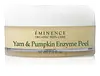
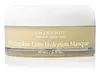
Eminence Organics Organics Yam & Pumpkin Enzyme Peel 5% Versus Eminence Organics Pumpkin Latte Hydration Masque
This smoothing exfoliator is formulated around Dioscorea Villosa Root Extract and Glycolic Acid to refine skin texture and brighten dull-looking skin.
This wash off mask is made with Aloe Barbadensis Leaf Juice and Helianthus Annuus Seed Oil for a rinse-off hydration boost.

What's inside
What's inside
 Key Ingredients
Benefits
Concerns
Ingredients Side-by-side
Aloe Barbadensis Leaf Juice
Skin Conditioning


Calendula Officinalis Flower Extract
Masking
Calendula Officinalis Flower Oil
Masking


Chamomilla Recutita Flower Extract
Masking
Medicago Sativa Leaf Extract
Skin ConditioningSymphytum Officinale Leaf Extract
Skin ConditioningHelianthus Annuus Seed Oil
Emollient

Rosmarinus Officinalis Leaf Extract
AntimicrobialCitrus Aurantium Dulcis Peel Extract
Emulsion Stabilising
Daucus Carota Sativa Extract
Perfuming
Lavandula Angustifolia Flower Extract
Cleansing
Prunus Armeniaca Kernel Oil
Masking

Oryza Sativa Extract
Absorbent

Camellia Sinensis Leaf Extract
Antimicrobial



Vitis Vinifera Seed Oil
Emollient
Dioscorea Villosa Root Extract
Skin Conditioning
Glycerin
Humectant
Heptyl Glucoside
SurfactantCucurbita Pepo
Skin Conditioning
Zea Mays Cob Meal
Abrasive
Bromelain
Skin Conditioning
Glycolic Acid
Buffering

Persea Gratissima Oil
Skin Conditioning
Lactic Acid
Buffering
Glycine Soja Oil
Emollient
Yeast Extract
Skin ConditioningAnanas Sativus Fruit Extract
Skin ConditioningPapain
Skin Conditioning
Ethoxydiglycol
HumectantButylene Glycol
Humectant
Ferula Foetida Root Extract
Skin ConditioningSalix Alba Bark Extract
Astringent
Glyceryl Caprylate
EmollientGlyceryl Undecylenate
Emollient
Citrus Nobilis Peel Oil
Masking
Allantoin
Skin Conditioning
Panthenol
Skin Conditioning
Euterpe Oleracea Fruit Extract
Citrus Limon Peel
MaskingMalpighia Glabra Fruit Extract
Skin ConditioningEmblica Officinalis Fruit
Skin ConditioningAdansonia Digitata Seed Oil
Emollient
Myrciaria Dubia Fruit Extract
Skin ConditioningDaucus Carota Sativa Root Extract
Skin Conditioning
Cocos Nucifera Water
Masking
Lycium Barbarum Fruit Extract
Astringent
Tapioca Starch
Boswellia Serrata Gum
Masking
Aloe Barbadensis Leaf Juice, Calendula Officinalis Flower Extract, Calendula Officinalis Flower Oil, Chamomilla Recutita Flower Extract, Medicago Sativa Leaf Extract, Symphytum Officinale Leaf Extract, Helianthus Annuus Seed Oil, Rosmarinus Officinalis Leaf Extract, Citrus Aurantium Dulcis Peel Extract, Daucus Carota Sativa Extract, Lavandula Angustifolia Flower Extract, Prunus Armeniaca Kernel Oil, Oryza Sativa Extract, Camellia Sinensis Leaf Extract, Vitis Vinifera Seed Oil, Dioscorea Villosa Root Extract, Glycerin, Heptyl Glucoside, Cucurbita Pepo, Zea Mays Cob Meal, Bromelain, Glycolic Acid, Persea Gratissima Oil, Lactic Acid, Glycine Soja Oil, Yeast Extract, Ananas Sativus Fruit Extract, Papain, Ethoxydiglycol, Butylene Glycol, Ferula Foetida Root Extract, Salix Alba Bark Extract, Glyceryl Caprylate, Glyceryl Undecylenate, Citrus Nobilis Peel Oil, Allantoin, Panthenol, Euterpe Oleracea Fruit Extract, Citrus Limon Peel, Malpighia Glabra Fruit Extract, Emblica Officinalis Fruit, Adansonia Digitata Seed Oil, Myrciaria Dubia Fruit Extract, Daucus Carota Sativa Root Extract, Cocos Nucifera Water, Lycium Barbarum Fruit Extract, Tapioca Starch, Boswellia Serrata Gum
Aloe Barbadensis Leaf Juice
Skin Conditioning
Helianthus Annuus Seed Oil
Emollient
Calendula Officinalis Flower Extract
Masking
Chamomilla Recutita Flower Extract
Masking
Medicago Sativa Leaf Extract
Skin ConditioningSymphytum Officinale Leaf Extract
Skin ConditioningRosmarinus Officinalis Leaf Extract
AntimicrobialCitrus Aurantium Dulcis Peel Extract
Emulsion Stabilising
Daucus Carota Sativa Root Extract
Skin Conditioning
Lavandula Angustifolia Flower Extract
Cleansing
Prunus Armeniaca Kernel Oil
Masking
Oryza Sativa Extract
Absorbent
Camellia Sinensis Leaf Extract
Antimicrobial
Vitis Vinifera Seed Oil
Emollient
Dioscorea Villosa Root Extract
Skin Conditioning
Vegetable Glycerides Phosphate
EmollientCucurbita Pepo
Skin Conditioning
Stearic Acid
Cleansing
Glycerin
Humectant
Cetyl Alcohol
Emollient
Glyceryl Stearate
Emollient
Persea Gratissima Oil
Skin Conditioning
Glycine Soja Oil
Emollient
Salix Alba Bark Extract
Astringent
Water
Skin ConditioningCucurbita Pepo Seed Oil
Emollient
Ananas Sativus Fruit
Skin ConditioningAnthemis Nobilis Flower Extract
Masking
Yeast Extract
Skin ConditioningLecithin
Emollient
Bixa Orellana Seed Oil
Emollient
1,2-Hexanediol
Skin Conditioning
Caprylyl Glycol
Emollient
Daucus Carota Sativa Seed Oil
Emollient
Citrus Aurantium Dulcis Peel Powder
AbsorbentAllantoin
Skin Conditioning
Citrus Nobilis Peel Oil
Masking
Boswellia Carterii Oil
Masking
Panthenol
Skin Conditioning
Tropolone
Skin ConditioningHeptyl Glucoside
SurfactantIron Oxides
Tocopherol
Antioxidant
Euterpe Oleracea Fruit Extract
Citrus Limon Juice
Skin Conditioning
Malpighia Glabra Fruit Extract
Skin ConditioningEmblica Officinalis Fruit Extract
Skin ConditioningAdansonia Digitata Fruit Extract
EmollientMyrciaria Dubia Fruit Extract
Skin ConditioningCocos Nucifera Water
Masking
Lycium Barbarum Fruit Extract
Astringent
Maltodextrin
Absorbent
Aloe Barbadensis Leaf Juice, Helianthus Annuus Seed Oil, Calendula Officinalis Flower Extract, Chamomilla Recutita Flower Extract, Medicago Sativa Leaf Extract, Symphytum Officinale Leaf Extract, Rosmarinus Officinalis Leaf Extract, Citrus Aurantium Dulcis Peel Extract, Daucus Carota Sativa Root Extract, Lavandula Angustifolia Flower Extract, Prunus Armeniaca Kernel Oil, Oryza Sativa Extract, Camellia Sinensis Leaf Extract, Vitis Vinifera Seed Oil, Dioscorea Villosa Root Extract, Vegetable Glycerides Phosphate, Cucurbita Pepo, Stearic Acid, Glycerin, Cetyl Alcohol, Glyceryl Stearate, Persea Gratissima Oil, Glycine Soja Oil, Salix Alba Bark Extract, Water, Cucurbita Pepo Seed Oil, Ananas Sativus Fruit, Anthemis Nobilis Flower Extract, Yeast Extract, Lecithin, Bixa Orellana Seed Oil, 1,2-Hexanediol, Caprylyl Glycol, Daucus Carota Sativa Seed Oil, Citrus Aurantium Dulcis Peel Powder, Allantoin, Citrus Nobilis Peel Oil, Boswellia Carterii Oil, Panthenol, Tropolone, Heptyl Glucoside, Iron Oxides, Tocopherol, Euterpe Oleracea Fruit Extract, Citrus Limon Juice, Malpighia Glabra Fruit Extract, Emblica Officinalis Fruit Extract, Adansonia Digitata Fruit Extract, Myrciaria Dubia Fruit Extract, Cocos Nucifera Water, Lycium Barbarum Fruit Extract, Maltodextrin
Reviews
Ingredients Explained
These ingredients are found in both products.
Ingredients higher up in an ingredient list are typically present in a larger amount.
Allantoin is a soothing ingredient known for its protective and moisturizing properties; it's basically a quiet workhorse ingredient you can find in a huge range of cosmetics.
Though it can be derived from the comfrey plant, allantoin is produced synthetically for cosmetic products to ensure purity.
Research shows it can encourage your skin cells to turn over and renew by stimulating keratinocyte and fibroblast proliferation.
It also has mild keratolytic properties to help loosen and shed dead skin cells without being harsh.
Studies also suggest allantoin can help calm inflammation by dialing down some of the chemical signals your skin sends out when it is irritated.
This ingredient is typically used in the 0.1-0.5% range, and the FDA recognizes it as a skin protectant in OTC products up to 2%.
Overall, allantoin is a wonderful addition to most routines; it is stable across a wide pH range (~4-8), works well with other ingredients, and is considered non-sensitizing/non-irritating.
Fun fact: Allantoin is naturally occurring in comfrey root, beets, chamomile, and wheat sprouts. Our bodies even produce it as a byproduct of uric acid metabolism.
Learn more about AllantoinAloe Barbadensis Leaf Juice is the filtered, stabilized liquid pressed from the inner gel of the aloe vera leaf.
In cosmetics, it shows up as either soothing active or a water-replacement base. It is roughly 98-99% water and the last 1-2% is an interesting mix of polysaccharides, amino acids, vitamins, minerals, and enzymes.
The polysaccharides do most of the work: they bind water at the skin surface for a light, non-greasy hydration boost. And one of the polysaccharides, glycomannan, is linked to fibroblast stimulation + collagen synthesis. This is also why aloe has such a long track record in wound and burn healing.
This ingredient is also calming with anti-inflammatory and mild antimicrobial activity, making it a great pick for sensitive, irritated, or post-sun skin.
Realistic expectations matter though; the solid evidence is mostly limited to hydration, soothing, and wound support. Deeper claims about anti-aging or sun protection are not well backed, and science reviews note it does not prevent radiation-induced skin injury.
Because it plays well with almost everything, it's commonly used as a base alongside other actives like niacinamide or vitamin C.
Typical usage concentrations range from 0.5% (where hydration benefits already show up) all the way to 90%+ (where it replaces water as the main base).
The safety for this ingredient is well-establish as well. Overall, this is a great supporting ingredient for those who want a boost in hydration.
Learn more about Aloe Barbadensis Leaf JuiceCalendula Officinalis Flower Extract comes from the marigold flower and has been used on skin for centuries for its calming effect.
In the lab, its active compounds appear to calm inflammation and support the early "healing" phase of minor wounds.
This is why Europe's medicines regulator has approved calendula extracts as a traditional remedy for minor skin inflammation and healing small wounds.
The stronger human evidence is around would/ulcer care rather than everyday cosmetic claims; a review that pulled together 14 studies found that calendula helped calm the early, inflamed stage of a wound and helped new skin tissue form faster.
Two studies also showed it shrank leg ulcers (the kind caused by poor circulation). Results were mixed for burns and for the skin irritation people get from radiation treatment, so it's not a sure thing there.
In cosmetics, it's mostly a skin conditioning and soothing agent.
The Cosmetic Ingredient Review panel concluded that calendula-derived ingredients are safe as used and that the ingredients are not irritating, sensitizing, or photosensitizing in clinical tests (though they may be mild eye irritants).
Typical use levels are quite low; industry data reported it used at under 0.5% (one supplier noted a 10-25% extract blend used at 1-10% in the finished product). Historical use goes up to 10%.
The only thing to keep in mind is if you have daisy/ragweed allergies. Calendula is in the same family and one patch-test study found 2% of dermatitis patients reacted to marigold. Be sure to patch test if you have sensitive or allergy-prone skin.
Learn more about Calendula Officinalis Flower ExtractCamellia Sinensis Leaf Extract (tea extract) is one of the most well-researched plant extracts in skincare with an impressive resume.
Black tea, green tea, and oolong tea are all harvested from the Camellia Sinensis plant.
Studies show green tea extract and its catechins (like epigallocatechin gallate (EGCG)) help your skin cells product energy more efficiently and reducing the number of free-radicals that can damage your skin from the inside.
In lab-grown skin models, this translated to younger, healthier, and stronger skin.
There's also good sun protection data; researchers saw less DNA damage and redness on human skin when green tea was applied before UVB exposure. And the more they applied, the better the protection.
Needless to say, this ingredient shouldn't replace your sunscreen. But it is a great supportive ingredient that you can already find in many sunscreens and antioxidant serums.
A 2009 study found a 2% green tea lotion was effective for mild-to-moderate acne thanks to its anti-inflammatory and mild antimicrobial activity.
The quality of the extract matters a lot here:
Good extracts contain 50-90% catechins while lower quality ones are mostly there for marketing. We recommend reaching out to the brand if you have questions about the quality or source of their ingredients.
Human Repeated Insult Patch Testing showed no irritation or sensitization at use concentrations (0.86% in leave-on products and up to 30% as leaf water).
Learn more about Camellia Sinensis Leaf ExtractChamomilla Recutita Flower Extract comes from the Chamomile flower.
Chamomile is rich in antioxidants and has anti-inflammatory properties. Several compounds found in chamomile help with soothing, such as bisbolol.
Antioxidant components in chamomile make it an effective ingredient to help slow the signs of aging. Antioxidants help fight free-radical molecules, or molecules that may damage your skin.
Essential oils from chamomile have been found to improve wound healing due to its antimicrobial properties.
Ancient Greeks and Egyptians used Chamomile to treat skin redness and dryness. Chamomile has also been used to help treat stomach issues.
Learn more about Chamomilla Recutita Flower ExtractCitrus Aurantium Dulcis Peel Extract comes from the peels of the bitter orange. This orange is native to Southeast Asia. It is commonly used in foods such as marmalade.
Citrus peels are often made up of mainly limonene. Limonene is a fragrance with a citrus scent. They also contain flavonoids, which have anti-inflammatory properties.
Mandarin peel oil is an essential oil made by distilling the peel of mandarin oranges. It is primarily used for fragrance but has some secondary skin conditioning effects.
This ingredient is rich in limonene and is generally considered milder than some other citrus oils (like lemon or bergamot). It is not strongly phototoxic because it contains little to no furocoumarins when properly produced.
Like other essential oils, this ingredient can be a fragrance allergen.
Learn more about Citrus Nobilis Peel OilCucurbita Pepo is a species that includes the classic orange pumpkin, zucchini/courgettes, and various edible squashes.
These pumpkins and squashes are rich in vitamins, minerals, antioxidants, and alpha-hydroxy acids (AHAs).
Daucus Carota Sativa Root Extract comes from the root commonly known as carrot (the orange kind we eat!).
This extract contains beta-carotene, a pigment responsible for giving plants the orange color. Beta-carotene is a potent antioxidant. Antioxidants may help reduce the signs of aging.
Beta-carotene is the reason we turn orange if we eat too many carrots.
It should be noted coming into contact with the leaves of wild carrots can cause skin irritation. The sap causes phytophotodermatitis, or sensitivity exposed to sunlight.
This ingredient is created using the edible parts of the carrot.
Learn more about Daucus Carota Sativa Root ExtractDioscorea Villosa Root Extract comes from the Wild Yam. Wild Yam has soothing and skin-conditioning properties.
Wild Yam Root contains diosgenin, a plant steroid. Diosgenin exhibits anti-inflammatory properties.
Emerging studies show diosgenin may help encourage skin cell turnover. By telling your skin to produce new skin-cells, Wild Yam root may help with reducing the signs of aging. Other studies are looking into the potential of Wild Yam Root to protect skin against UV damage. However, further research is needed to confirm these claims.
Wild Yam Root has been used in traditional medicine to treat arthritis.
Learn more about Dioscorea Villosa Root ExtractThis extract comes from the Cabbage Palm, AKA the Açaí berry! It has skin soothing and antioxidant properties.
Acai berries are rich in antioxidants, including ferulic acid (The famous vitamin C stabilizer). Antioxidants protect your skin against damaging free-radical molecules.
You can also find carbohydrates, lipids, proteins, minerals, vitamin A, and Vitamin C in these berries.
Learn more about Euterpe Oleracea Fruit ExtractGlycerin (or glycerol) is a compound naturally found in your skin. It's a powerhouse humectant that pulls water into the stratum corneum.
Topically, glycerin does several things at once:
Your skin makes glycerin on its own (mostly from sebaceous oil breakdown) and shuttles it to your outermost layer of skin, or your epidermis, via aquaporin-3.
Aquaporin-3 is a transporter that is essential for normal skin hydration, elasticity, and repair. Interestingly, mice lacking in AQP3 have dry and less elastic skin that can be fully corrected with glycerin.
This ingredient is non-irritating, plays well with almost every ingredient, and works across all skin types. Typical use is anywhere between 3-10% but can go up to 79% in some leave-on products.
Just know very high concentrations (>40%) can feel tacky in low humidity.
Glycerin is the name for this ingredient in American English. British English uses Glycerol/Glycerine.
Learn more about GlycerinGlycine Soja Oil is a plant-derived oil from soybean seeds. Like other oils, it is rich in essential fatty acids (mostly linoleic and oleic) that support skin hydration and barrier function.
The fatty acids are able to integrate into the lipid matrix of the stratum corneum to help soften skin and reduce water loss.
On top of that, soybean oil is rich in vitamins like vitamin E, a potent antioxidant.
Research on soybean's active components also point to anti-inflammatory, collagen-stimulating, antioxidant activity, and protection against UV-induced oxidative damage.
Most of this research applies to the broader soybean plant and not just the oil fraction alone.
This ingredient does carry a comedogenic rating of 3 from the old rabbit-ear assay. Just remember testing finished products in humans showed that formulas built with "comedogenic" ingredients are not necessarily comedogenic themselves. It's worth patch testing if you're breakout prone, and always listen to your skin.
Because this ingredient is a saturated triglyceride, it may not be fungal acne safe. This is because Malassezia breaks down sebum triglycerides into fatty acids it can consume, making this ingredient a possible source for the yeast.
Learn more about Glycine Soja OilHelianthus Annuus Seed Oil is a plant oil derived from the seeds of a sunflower.
It is rich in fatty acids, primarily linoleic acid and oleic acid. This gives it emollient and skin conditioning properties.
The reason this ingredient is so effective is because it forms a thin film on the skin that reduces transepidermal water loss (TEWL) while supplying linoleic acid to the stratum corneum to improve barrier strength.
The high linoleic acid content is particularly noteworthy for acne-prone skin.
Research suggests that acne-prone skin tends to be deficient in linoleic acid in sebum. Topical application may help replenish this to support a healthier follicular environment and less comedone-promoting sebum.
One randomized study found sunflower seed oil preserved skin barrier integrity in adult volunteers with and without atopic dermatitis (outperforming olive oil).
This ingredient is well-studied, gentle, and an effective emollient suitable for most skin types.
On fungal acne: This ingredient may not be Fungal acne (Malassezia folliculitis) safe. This is because it contains fatty acids with carbon chain lengths in the C11-C24 range.
Learn more about Helianthus Annuus Seed OilWe don't have a description for Heptyl Glucoside yet.
Lavandula Angustifolia Flower Extract comes from the lavender plant.
Many components of lavender flowers are antioxidants, such as ferulic acid, caffeic acid, and several flavonoids.
Traditional Iranian folk medicine uses Lavender extract to help treat inflammation.
Lavender extract may have a scent.
It contains linalool, a known allergen. However, lavender extract contains less linalool than lavender essential oil.
Learn more about Lavandula Angustifolia Flower ExtractLycium Barbarum Fruit Extract comes from the Goji Berry. Goji berries are native to China and can be found across Eurasia.
Goji berries contain polysaccharides, carotenoids and flavonoids. Antioxidants help your body fight off free-radical molecules. These molecules are unstable and may damage your skin. By making free-radicals more stable, antioxidants can help with anti-aging.
Polysaccharides help hydrate the top layer of skin due to its ability to mimic natural carbohydrates.
Learn more about Lycium Barbarum Fruit ExtractWe don't have a description for Malpighia Glabra Fruit Extract yet.
We don't have a description for Medicago Sativa Leaf Extract yet.
This extract comes from the camu camu berry and is known for its exceptionally high vitamin C content.
Oryza Sativa Extract comes from the rice grain, Oryza sativa. Rice extract has wound healing, antioxidant, anti-inflammatory, and hydrating properties.
Rice grains contain numerous antioxidants which may help with anti-aging, such as vitamin E. Antioxidants help stabilize free-radical molecules. Unstable free-radical molecules may damage your skin cells and accelerate signs of aging.
A study from 2002 found rice to help increase the rate of wound healing. The same study found an improvement of skin barrier function in the patients after taking rice baths.
Numerous in-vitro studies have found rice water to help decrease sun damage by increasing collagen production and inhibiting the process of tyrosinase.
Long story short- tyrosinase is an enzyme that controls melanin production. Our bodies start producing melanin (AKA tanning) when exposed to UV radiation to protect against damage. Rice water is found to partially block this process.
Though more research is needed on rice's ability to help with UV protection, recent studies seem promising.
Wondering why rice is hydrating? The protein in rice have emollient properties. Emollients create a barrier on the skin to trap moisture in, keeping your skin moisturized.
Some rice extract may have mildly-exfoliating properties. These are mainly limited to Oryza Sativa (Rice) Bran and Oryza Sativa (Rice) Germ Powder.
This rice was first cultivated in China over 10,000 years ago. Many cultures throughout Asia have used rice water on skin and hair for centuries.
Learn more about Oryza Sativa ExtractPanthenol is a common ingredient that helps hydrate and soothe the skin. It is found naturally in our skin and hair.
There are two forms of panthenol: D and L.
D-panthenol is also known as dexpanthenol. Most cosmetics use dexpanthenol or a mixture of D and L-panthenol.
Panthenol is famous due to its ability to go deeper into the skin's layers. Using this ingredient has numerous pros (and no cons):
Like hyaluronic acid, panthenol is a humectant. Humectants are able to bind and hold large amounts of water to keep skin hydrated.
This ingredient works well for wound healing. It works by increasing tissue in the wound and helps close open wounds.
Once oxidized, panthenol converts to pantothenic acid. Panthothenic acid is found in all living cells.
This ingredient is also referred to as pro-vitamin B5.
Learn more about PanthenolThis ingredient is also known as Avocado oil. It's the cold-pressed oil from the flesh of the avocado fruit packed with fatty acids (mostly oleic acid).
The rich fatty acid profile allows it to function as a skin conditioning agent and emollient; it helps soften and smooth skin while reducing water loss.
Preclinical research has found that topical avocado oil increased collagen synthesis and reduced inflammation during wound healing, giving it some skin-repairing credibility.
The unsaponifiable fraction of the oil is also interesting: studies on avocado unsaponifiables showed that it helped skin produce more collagen and other structural compounds that support healing.
The CIR Expert Panel has found this ingredient to be non-irritating in formulations.
This ingredient may not be fungal acne safe. This is because the oleic acid content falls within the range that Malassezia can use as a food source.
This ingredient does have a comedogenic rating of 0-3, but this doesn't mean a formula with this ingredient will clog pores. Human testing has proved that any finished product with a comedogenic ingredient won't automatically make you break out; it really comes down to concentration, formula, and your skin.
Learn more about Persea Gratissima OilThis ingredient is also known as Apricot kernel oil, and it comes form the seed kernels of apricot (a member of the Rosaceae family like almond, peach, cherry, and plum).
It's mostly made up of triglycerides: oleic acid (43.9-78.5%), linoleic acid (9.7-37%), and palmitic acid (4.9-7.3%). These numbers vary depending on the variety of Prunus and the ripeness of the fruit; oleic tends to go up at late harvest while linoleic goes down.
Vitamin E is also prevalent in this ingredient and the most dominant form is gamma-tocopherol.
These compounds give the ingredient emollient and skin conditioning properties that keep the skin soft and hydrated.
There's no regulatory maximum cap for this ingredient so you'll see it across a huge concentration range (100% as a single ingredient facial oil).
On allergies: refined cosmetic-grade oils carry almost no protein. The CIR notes that people allergic to a food generally do not react to the refined oil because the allergenic protein does not partition into it (though cold-pressed grades retain more).
However, it's worth patch testing if you have a stone fruit or tree nut allergy because manufacturer processes for removing the protein can vary.
Malassezia lacks the cytosolic fatty acid synthase gene so the yeast cannot make palmitate on its own and instead uses lipases and phospholipases to release fatty acids from host lipids. Since apricot kernel oil is entirely C16-18 (right in the usable range of C11-24), this ingredient may not be fungal acne safe.
Old rabbit-ear testing did assign this ingredient a comedogenic rating of 1-2. The original author has stated that testing on rabbit ears is not an ideal model for human comedogenicity.
Human testing has proved that any finished product with a comedogenic ingredient won't automatically make you break out; it really comes down to concentration, formula, and your skin.
Just know high-oleic oils tend to feel heavier on oily skin so it's worth patch testing.
Learn more about Prunus Armeniaca Kernel OilThis is a botanical extract from the rosemary plant (the same one you cook with). In skincare, it mostly works as a skin conditioning agent.
Its activity comes from a handful of polyphenols, carnosic acid, carnosol, and rosmarinic acid. Almost 90% of the antioxidant activity of this ingredient can be attributed to canosol and carnosic acid.
These compounds protect your skin two ways:
1) They fight off free radicals, or the unstable molecules from things like sun and pollution that age and damage skin.
2) They help calm inflammation by switching off the chemical signals that tell skin to get red and irritated.
Lab studies also suggest that rosmarinic acid may help protect collagen and slow sugar-related damage to it.
The Cosmetic Ingredient Review has concluded rosemary-derived ingredients to be safe when formulated to be non-sensitizing.
Rosemary can occasionally cause allergic contact dermatitis (due to carnosol), so be sure to patch test if you have reactive or fragrance-sensitive skin.
Learn more about Rosmarinus Officinalis Leaf ExtractSalix Alba Bark Extract comes from the bark of the white willow tree. The official CosIng listing states this ingredient to have astringent, skin conditioning, soothing, and tonic properties.
Its star compound is salicin, a natural glucoside that is chemically related to salicylic acid. That's why you'll often see it marketed as a "natural BHA alternative" but that's a bit of a stretch.
Your skin can't convert salicin to salicylic acid because it needs specific enzymes that aren't present on the skin's surface. It won't behave like true salicylic acid, especially at the concentrations used in cosmetics.
However, this ingredient has its own perks. It contains flavonoids, polyphenols, and tannins that give it proven antioxidant and soothing properties.
An 8-week clinical study found a cream with 2% of this extract improved skin microcirculation, elasticity, and dark circles. This is most likely due to its role in increasing hyaluronic acid synthesis in fibroblasts and improved vascular integrity.
Another study found a topical serum with 0.5% salicin showed improvements in visible signs of aging, hyperpigmentation, and texture.
Just be careful if you have a known aspirin/salicylate allergy and be sure to consult with a medical professional about using this ingredient if you do.
Fun fact: Willow Bark extract has been used for thousands of years and ancient civilizations used white willow to help treat pain and fevers.
Learn more about Salix Alba Bark ExtractThis ingredient comes from the leaves of the comfrey plant and has skin conditioning properties.
Comfrey produces a wonderful compound that you might have heard of already: allantoin.
Allantoin is well-studied for promoting the skin's natural repair process and helping skin look smoother. Comfrey is also rich in antioxidants like Rosmarinic acid and Caffeic Acid.
Research has shown that these compounds work together to help calm redness, protect against oxidative stress, and support overall skin health.
Learn more about Symphytum Officinale Leaf ExtractVitis Vinifera Seed Oil comes from the grape vine. Grape seeds are a byproduct of creating grape juice or wine.
The components of grape seeds have many skin benefits. Research has found it to be antimicrobial and anti-inflammatory. It also contains many potent antioxidants such as Vitamin E , Vitamin C, proanthocyanidins, polyphenols, flavonoids, and anthocyanins. Proanthocyanidin has been shown to help even out skin tone.
Antioxidants help fight free-radical molecules. Free-radical molecules are capable of damaging our cells and other genetic material. Antioxidants help stabilize free-radicals by donating extra electrons. Grape seed extract may help reduce the signs of aging.
The antimicrobial properties of grape seed may help treat acne. However, more research is needed to support this claim.
Grape seed has also been found to help absorb UV rays. Grape seed extract should not replace your sunscreen.
The fatty acids of grape seed oil give it emollient properties. Emollients help soothe and soften your skin by creating a film. This film traps moisture within, keeping your skin hydrated.
Learn more about Vitis Vinifera Seed OilYeast extract is a silky, clear liquid derived from yeast (usually Saccharomyces cerevisiae or Torula yeast).
This ingredient has plenty of skin benefits:
Bioferments of yeast and soy have been found to reduce hyperpigmentation at low levels.
Yeast extract is fungal acne safe because it's made up of amino acids, peptides, B vitamins, and nucleotides (not the C11-C24 fatty acids that Malassezia needs to thrive).
The "yeast" in the name can be misleading, but FA safety is about chemical composition and not ingredient origin.
Learn more about Yeast Extract

