

What's inside
What's inside
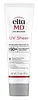 Key Ingredients
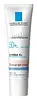
Benefits
Concerns
Ingredients Side-by-side
Octocrylene 10%
UV Absorber



Zinc Oxide 15%
Cosmetic Colorant
Water
Skin ConditioningButyloctyl Salicylate
Skin Conditioning
Coco-Caprylate/Caprate
Emollient
Isohexadecane
EmollientButylene Glycol
Humectant

Isododecane
EmollientPhenoxyethanol
Preservative
Polyhydroxystearic Acid
Emulsifying
Triethoxycaprylylsilane

Polyacrylate Crosspolymer-6
Emulsion StabilisingAcacia Senegal Gum
MaskingPolysilicone-11
Xanthan Gum
EmulsifyingTetrahexyldecyl Ascorbate
Antioxidant






Ethylhexylglycerin
Skin ConditioningHydroxyethyl Acrylate/Sodium Acryloyldimethyl Taurate Copolymer
Emulsion StabilisingSqualane
Emollient
Disodium EDTA
Polysorbate 60
Emulsifying
Sodium Hyaluronate
Humectant
Sorbitan Isostearate
Emulsifying
Octocrylene 10%, Zinc Oxide 15%, Water, Butyloctyl Salicylate, Coco-Caprylate/Caprate, Isohexadecane, Butylene Glycol, Isododecane, Phenoxyethanol, Polyhydroxystearic Acid, Triethoxycaprylylsilane, Polyacrylate Crosspolymer-6, Acacia Senegal Gum, Polysilicone-11, Xanthan Gum, Tetrahexyldecyl Ascorbate, Ethylhexylglycerin, Hydroxyethyl Acrylate/Sodium Acryloyldimethyl Taurate Copolymer, Squalane, Disodium EDTA, Polysorbate 60, Sodium Hyaluronate, Sorbitan Isostearate
Water
Skin ConditioningEthylhexyl Methoxycinnamate
UV Absorber
Squalene
Emollient
Titanium Dioxide
Cosmetic Colorant
Glycerin
Humectant
Drometrizole Trisiloxane
UV Absorber
Terephthalylidene Dicamphor Sulfonic Acid
UV Absorber
Propylene Glycol
Humectant
Alcohol Denat.
Antimicrobial

Triethanolamine
BufferingDipropylene Glycol
HumectantMica
Cosmetic ColorantStearic Acid
Cleansing
Potassium Cetyl Phosphate
EmulsifyingTocopherol
Antioxidant

Nylon-12
Acrylamide/Sodium Acryloyldimethyltaurate Copolymer
Emulsion StabilisingAluminum Hydroxide
EmollientCI 77120
Cosmetic ColorantBHT
Antioxidant
Bis-Ethylhexyloxyphenol Methoxyphenyl Triazine
Skin Conditioning
Butylene Glycol
Humectant
Butyrospermum Parkii Seedcake Extract
Skin Protecting
Caprylyl Glycol
Emollient
Carbomer
Emulsion StabilisingCetyl Alcohol
Emollient
CI 77491
Cosmetic ColorantCI 77492
Cosmetic ColorantIron Oxides
CI 77891
Cosmetic ColorantDiethylamino Hydroxybenzoyl Hexyl Benzoate
UV Filter
Ethylhexyl Triazone
UV Absorber
Glyceryl Stearate
Emollient
Isohexadecane
EmollientMyristic Acid
Cleansing
Paeonia Suffruticosa Root Extract
Skin ProtectingPalmitic Acid
Emollient
PEG-100 Stearate
Surfactant
Phenoxyethanol
Preservative
Polysorbate 80
Emulsifying
Potassium Sorbate
Preservative
Sodium Chloride
MaskingSodium Cocoyl Sarcosinate
Cleansing
Sorbitan Oleate
Emulsifying
Thermus Thermophillus Ferment
Skin ConditioningTrisodium Ethylenediamine Disuccinate
Tromethamine
BufferingXanthan Gum
EmulsifyingWater, Ethylhexyl Methoxycinnamate, Squalene, Titanium Dioxide, Glycerin, Drometrizole Trisiloxane, Terephthalylidene Dicamphor Sulfonic Acid, Propylene Glycol, Alcohol Denat., Triethanolamine, Dipropylene Glycol, Mica, Stearic Acid, Potassium Cetyl Phosphate, Tocopherol, Nylon-12, Acrylamide/Sodium Acryloyldimethyltaurate Copolymer, Aluminum Hydroxide, CI 77120, BHT, Bis-Ethylhexyloxyphenol Methoxyphenyl Triazine, Butylene Glycol, Butyrospermum Parkii Seedcake Extract, Caprylyl Glycol, Carbomer, Cetyl Alcohol, CI 77491, CI 77492, Iron Oxides, CI 77891, Diethylamino Hydroxybenzoyl Hexyl Benzoate, Ethylhexyl Triazone, Glyceryl Stearate, Isohexadecane, Myristic Acid, Paeonia Suffruticosa Root Extract, Palmitic Acid, PEG-100 Stearate, Phenoxyethanol, Polysorbate 80, Potassium Sorbate, Sodium Chloride, Sodium Cocoyl Sarcosinate, Sorbitan Oleate, Thermus Thermophillus Ferment, Trisodium Ethylenediamine Disuccinate, Tromethamine, Xanthan Gum
Reviews
Ingredients Explained
These ingredients are found in both products.
Ingredients higher up in an ingredient list are typically present in a larger amount.
Butylene Glycol (or BG) is used within cosmetic products for a few different reasons:
Overall, Butylene Glycol is a safe and well-rounded ingredient that works well with other ingredients.
Though this ingredient works well with most skin types, some people with sensitive skin may experience a reaction such as allergic rashes, closed comedones, or itchiness.
Learn more about Butylene GlycolIsohexadecane is added to enhance texture, emulsify, and to help cleanse. It is an isoparrafin. It is a component of petrolatum.
Due to its large size, Isohexadecane is not absorbed by the skin. Instead, it sits on top and acts as an emollient. Emollients help keep your skin soft and smooth by trapping moisture within.
Isohexadecane is often used in products designed to help oily skin. It is lightweight and non-greasy while helping to moisturize. When mixed with silicones, it gives a product a silky feel.
Learn more about IsohexadecanePhenoxyethanol is a preservative that has germicide, antimicrobial, and aromatic properties. Studies show that phenoxyethanol can prevent microbial growth. By itself, it has a scent that is similar to that of a rose.
It's often used in formulations along with Caprylyl Glycol to preserve the shelf life of products.
Water. It's the most common cosmetic ingredient of all. You'll usually see it at the top of ingredient lists, meaning that it makes up the largest part of the product.
So why is it so popular? Water most often acts as a solvent - this means that it helps dissolve other ingredients into the formulation.
You'll also recognize water as that liquid we all need to stay alive. If you see this, drink a glass of water. Remember to stay hydrated!
Learn more about WaterXanthan gum is used as a stabilizer and thickener within cosmetic products. It helps give products a sticky, thick feeling - preventing them from being too runny.
On the technical side of things, xanthan gum is a polysaccharide - a combination consisting of multiple sugar molecules bonded together.
Xanthan gum is a pretty common and great ingredient. It is a natural, non-toxic, non-irritating ingredient that is also commonly used in food products.
Learn more about Xanthan Gum
