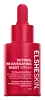
This anti-aging serum is formulated around Niacinamide and Bakuchiol to soften the look of wrinkles and refine skin texture.
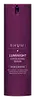
This smoothing serum is formulated around Glycolic Acid and Alpha-Arbutin to refine skin texture and fade the look of dark spots.

What's inside
What's inside
 Key Ingredients
Benefits
Concerns
Ingredients Side-by-side
Water
Skin ConditioningNiacinamide
Smoothing











Panthenol
Skin Conditioning
Propanediol
Solvent
Glycerin
Humectant
Pentylene Glycol
Skin Conditioning
Saccharide Isomerate
Humectant
Fructooligosaccharides
Humectant
Cichorium Intybus Root Oligosaccharides
Skin ConditioningBakuchiol
Antimicrobial

Ubiquinone
Antioxidant
Acetyl Hexapeptide-8
Humectant
Caprylyl Glycol
Emollient
Caesalpinia Spinosa Gum
Skin ConditioningSodium Benzoate
Masking
Gluconolactone
Skin Conditioning
Calcium Gluconate
HumectantBeta Vulgaris Root Extract
Skin ConditioningPotassium Lactate
BufferingLactic Acid
Buffering



Phragmites Karka Extract
Skin ConditioningPoria Cocos Extract
Skin ConditioningCitric Acid
Buffering
Sodium Citrate
BufferingTetradecyl Aminobutyroylvalylaminobutyric Urea Trifluoroacetate
Skin ConditioningMagnesium Chloride
Dipeptide Diaminobutyroyl Benzylamide Diacetate
Skin Conditioning
Alteromonas Ferment Extract
Skin Conditioning
Sodium Hyaluronate Dimethylsilanol
HumectantSodium Hyaluronate Crosspolymer
Humectant
Hydrolyzed Sodium Hyaluronate
Skin Conditioning
Hydroxyacetophenone
Antioxidant
1,2-Hexanediol
Skin Conditioning
Sodium Hyaluronate
Humectant
Hyaluronic Acid
Humectant
Sodium Acetylated Hyaluronate
Humectant
Potassium Hyaluronate
Skin ConditioningHydrolyzed Hyaluronic Acid
Humectant
Hydroxypropyltrimonium Hyaluronate
Polysorbate 80
Emulsifying
Retinol
Skin Conditioning
Camellia Sinensis Leaf Extract
Antimicrobial
Sclerotium Gum
Emulsion StabilisingXanthan Gum
EmulsifyingTrehalose
Humectant
Urea
Buffering
Serine
Masking
Algin
MaskingGlyceryl Polyacrylate
Pullulan
Disodium Phosphate
BufferingPotassium Phosphate
BufferingCeteareth-25
CleansingCetyl Alcohol
Emollient
Behenic Acid
Cleansing
Cholesterol
Emollient
Ceramide NP
Skin Conditioning
Ceramide Ns
Skin Conditioning
Ceramide Eos
Skin Conditioning
Ceramide EOP
Skin Conditioning
Ceramide AP
Skin Conditioning
Caprooyl Phytosphingosine
Skin Conditioning
Caprooyl Sphingosine
Skin ConditioningEthylhexylglycerin
Skin ConditioningPhenoxyethanol
Preservative
Ascorbyl Palmitate
Antioxidant
Tocopherol
Antioxidant
Lecithin
Emollient
Glyceryl Stearate
Emollient
Glyceryl Oleate
Emollient

Ammonium Acryloyldimethyltaurate/Vp Copolymer
Ethoxydiglycol
HumectantGlycyrrhiza Glabra Root Extract
Bleaching
Disodium EDTA
Water, Niacinamide, Panthenol, Propanediol, Glycerin, Pentylene Glycol, Saccharide Isomerate, Fructooligosaccharides, Cichorium Intybus Root Oligosaccharides, Bakuchiol, Ubiquinone, Acetyl Hexapeptide-8, Caprylyl Glycol, Caesalpinia Spinosa Gum, Sodium Benzoate, Gluconolactone, Calcium Gluconate, Beta Vulgaris Root Extract, Potassium Lactate, Lactic Acid, Phragmites Karka Extract, Poria Cocos Extract, Citric Acid, Sodium Citrate, Tetradecyl Aminobutyroylvalylaminobutyric Urea Trifluoroacetate, Magnesium Chloride, Dipeptide Diaminobutyroyl Benzylamide Diacetate, Alteromonas Ferment Extract, Sodium Hyaluronate Dimethylsilanol, Sodium Hyaluronate Crosspolymer, Hydrolyzed Sodium Hyaluronate, Hydroxyacetophenone, 1,2-Hexanediol, Sodium Hyaluronate, Hyaluronic Acid, Sodium Acetylated Hyaluronate, Potassium Hyaluronate, Hydrolyzed Hyaluronic Acid, Hydroxypropyltrimonium Hyaluronate, Polysorbate 80, Retinol, Camellia Sinensis Leaf Extract, Sclerotium Gum, Xanthan Gum, Trehalose, Urea, Serine, Algin, Glyceryl Polyacrylate, Pullulan, Disodium Phosphate, Potassium Phosphate, Ceteareth-25, Cetyl Alcohol, Behenic Acid, Cholesterol, Ceramide NP, Ceramide Ns, Ceramide Eos, Ceramide EOP, Ceramide AP, Caprooyl Phytosphingosine, Caprooyl Sphingosine, Ethylhexylglycerin, Phenoxyethanol, Ascorbyl Palmitate, Tocopherol, Lecithin, Glyceryl Stearate, Glyceryl Oleate, Ammonium Acryloyldimethyltaurate/Vp Copolymer, Ethoxydiglycol, Glycyrrhiza Glabra Root Extract, Disodium EDTA
Water
Skin ConditioningGlycolic Acid
Buffering
Sodium Hydroxide
BufferingAlpha-Arbutin
Antioxidant
Pentylene Glycol
Skin Conditioning
Citric Acid
Buffering
Lactic Acid
Buffering
Glycerin
Humectant
Salicylic Acid
Masking

Dipotassium Glycyrrhizate
Humectant
Hydroxyethylcellulose
Emulsion StabilisingButylene Glycol
Humectant
Chlorphenesin
Antimicrobial
Xanthan Gum
EmulsifyingAllantoin
Skin Conditioning
Sodium Hyaluronate
Humectant
Glycyrrhiza Glabra Root Extract
Bleaching
Sodium Nitrate
SoothingOpuntia Ficus-Indica Stem Extract
Skin Conditioning
Tetrasodium EDTA
Phenoxyethanol
Preservative
Glyoxal
Antimicrobial
Water, Glycolic Acid, Sodium Hydroxide, Alpha-Arbutin, Pentylene Glycol, Citric Acid, Lactic Acid, Glycerin, Salicylic Acid, Dipotassium Glycyrrhizate, Hydroxyethylcellulose, Butylene Glycol, Chlorphenesin, Xanthan Gum, Allantoin, Sodium Hyaluronate, Glycyrrhiza Glabra Root Extract, Sodium Nitrate, Opuntia Ficus-Indica Stem Extract, Tetrasodium EDTA, Phenoxyethanol, Glyoxal
Ingredients Explained
These ingredients are found in both products.
Ingredients higher up in an ingredient list are typically present in a larger amount.
Citric Acid is an alpha hydroxy acid (AHA) naturally found in citrus fruits like oranges, lemons, and limes.
Like other AHAs, citric acid can exfoliate skin by breaking down the bonds that hold dead skin cells together. This helps reveal smoother and brighter skin underneath.
However, this exfoliating effect only happens at high concentrations (20%) which can be hard to find in cosmetic products.
Due to this, citric acid is usually included in small amounts as a pH adjuster. This helps keep products slightly more acidic and compatible with skin's natural pH.
In skincare formulas, citric acid can:
While it can provide some skin benefits, research shows lactic acid and glycolic acid are generally more effective and less irritating exfoliants.
Most citric acid used in skincare today is made by fermenting sugars (usually from molasses). This synthetic version is identical to the natural citrus form but easier to stabilize and use in formulations.
Rosacea skin has a lower threshold for acids generally, with 62.5% of rosacea subjects in one study reacting to lactic acid in a sting test. This is why we mark citric acid as a potential rosacea trigger.
However, this ingredient shows up as a pH adjuster or chelator at roughly 0.1-1% in many products. These low levels are unlikely to be an issue for rosacea skin and becomes a potential trigger at exfoliating concentrations (20%). Because everybody's skin is unique, we recommend a patch test if you are unsure.
Learn more about Citric AcidGlycerin (or glycerol) is a compound naturally found in your skin. It's a powerhouse humectant that pulls water into the stratum corneum.
Topically, glycerin does several things at once:
Your skin makes glycerin on its own (mostly from sebaceous oil breakdown) and shuttles it to your outermost layer of skin, or your epidermis, via aquaporin-3.
Aquaporin-3 is a transporter that is essential for normal skin hydration, elasticity, and repair. Interestingly, mice lacking in AQP3 have dry and less elastic skin that can be fully corrected with glycerin.
This ingredient is non-irritating, plays well with almost every ingredient, and works across all skin types. Typical use is anywhere between 3-10% but can go up to 79% in some leave-on products.
Just know very high concentrations (>40%) can feel tacky in low humidity.
Glycerin is the name for this ingredient in American English. British English uses Glycerol/Glycerine.
Learn more about GlycerinGlycyrrhiza Glabra Root Extract is an extract of the roots of Licorice. It has been found to have several benefits such as skin hydrating, conditioning, and soothing.
One component, glabridin, has extra potent antioxidant and soothing properties. It has also been found to block pigmentation from UVB rays in guinea pigs.
Licorice Root also contains a flavonoid. Flavonoids are a natural substance from in plants. Flavonoids also have antioxidant properties.
Another component, glycyrrhizin, has been found to have anti-inflammatory and antimicrobial benefits. This may make licorice root extract effective at treating acne. However, more research is needed to support this.
Liquiritin is one of the flavone compounds found in licorice. It has been found to help lighten skin by preventing tyrosinase from reacting with tyrosine. When the two react, protein is converted to melanin. Melanin is the substance in your body that gives your features pigmentation.
Learn more about Glycyrrhiza Glabra Root ExtractLactic Acid is another well-loved alpha hydroxy acid (AHA). It is gentler than glycolic acid but still highly effective.
Its main role is to exfoliate the surface of the skin by loosening the “glue” that holds dead skin cells together. Shedding those old cells leads to smoother, softer, and more even-toned skin.
Because lactic acid molecules are larger than glycolic acid, they don’t penetrate as deeply. This means they’re less likely to sting or irritate, making it a great choice for beginners or those with sensitive skin.
Like glycolic acid, it can:
Lactic acid also acts as a humectant (like hyaluronic acid). It can draw water into the skin to improve hydration and also plays a role in the skin's natural moisturizing factor (NMF) in the form of sodium lactate.
Studies show it can boost ceramide production to strengthen the skin barrier and even help balance the skin’s microbiome.
To get results, choose products with a pH between 3-4.
Lower strengths (5-12%) focus on surface exfoliation; higher strengths (12% and up) can reach deeper in the dermis (deeper, supportive layer) to improve skin texture and firmness over time.
Though it was originally derived from milk, most modern lactic acid used in skincare is vegan. It is made through non-dairy fermentation to create a bio-identical and stable form suitable for all formulations.
When lactic acid shows up near the end of an ingredient list, it usually means the brand added just a tiny amount to adjust the product’s pH.
Legend has it that Cleopatra used to bathe in sour milk to help reduce wrinkles.
Lactic acid is truly a gentle multitasker: it exfoliates, hydrates, strengthens, and brightens. It's a great ingredient for giving your skin a smooth, glowing, and healthy look without the harshness of stronger acids.
Read more about some other popular AHA's here:
Learn more about Lactic AcidPentylene Glycol (1,2-pentanediol) is a multitasking little diol with three main roles in a formula:
Research on alkanediols (the family pentylene glycol belongs to) show they work by disrupting microbial cell membranes. This disruption helps the primary preservative system in a product work more effectively at lower doses.
On the safety side, the Cosmetic Ingredient Review Expert Panel has concluded this ingredient to be safe as used in current cosmetic practices + concentrations.
Typical use levels in a formula run about 1-5%.
Learn more about Pentylene GlycolPhenoxyethanol is one of the most widely used preservatives in skincare (and for good reason!).
It has a large spectrum of antimicrobial activity and especially effective bacteria, yeast, and mold while only having a weak effect on your skin's natural microbiome.
On a cellular level, it disrupts the cell membranes of microbes by poking holes that make the cell leak. This shuts down the chemical reactions the microbe needs to make energy so it can no longer survive.
Another perk of this ingredient is that it stays functional across a wide pH range (3-10).
You'll often see it paired with boosters like Ethylhexylglycerin; one study showed that a 1:9 ratio of Ethylhexylglycerin to Phenoxyethanol damages bacterial membranes as effectively as doubling the Phenoxyethanol concentration on its own.
Typical use concentrations range from 0.3-1% depending on the formula, and this ingredient is capped at 1% int the EU.
Safety-wise, the fear mongering does not hold up to the evidence. The EU's Scientific Committee on Consumer Safety and FDA consider it safe as a preservative at up to 1%, including for children of all ages.
Adverse systemic effects only showed up in animal studies at exposures roughly 200x higher than what people get from cosmetics. And despite its very widespread use, this ingredient is a rare sensitizer and allergic reactions are uncommon.
Learn more about PhenoxyethanolSodium Hyaluronate is the salt form of hyaluronic acid. It is a long sugar chain that is naturally found in your skin, joints, and connective tissue that maintains hydration and elasticity.
In skincare, it works as a humectant. It pulls water from the environment and deeper layers of skin and binds it to the surface.
Interestingly, the size of the molecule affects its behavior:
Some clinical evidence links low molecular weight versions to improved wrinkle depth, elasticity, anti-inflammatory effects, and barrier repair.
Many serums use a blend of both weights so you can get surface hydration plus longer-lasting and deeper effects.
You'll typically see concentrations between 0.1-2% for this ingredient.
Learn more about Sodium HyaluronateWater. It's the most common cosmetic ingredient of all. You'll usually see it at the top of ingredient lists, meaning that it makes up the largest part of the product.
So why is it so popular? Water most often acts as a solvent - this means that it helps dissolve other ingredients into the formulation.
You'll also recognize water as that liquid we all need to stay alive. If you see this, drink a glass of water. Remember to stay hydrated!
Learn more about WaterXanthan gum is used as a stabilizer and thickener within cosmetic products. It helps give products a sticky, thick feeling - preventing them from being too runny.
On the technical side of things, xanthan gum is a polysaccharide - a combination consisting of multiple sugar molecules bonded together.
Xanthan gum is a pretty common and great ingredient. It is a natural, non-toxic, non-irritating ingredient that is also commonly used in food products.
Learn more about Xanthan Gum

