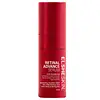
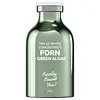
Elsheskin Retinal Advance Serum Versus Finally Found You! The Ultimate Concentrate PDRN + Green Algae Serum
This anti-aging serum is formulated around Retinal and Niacinamide to soften the look of wrinkles and refine skin texture.
This anti-aging serum is formulated around Sodium DNA to soften the look of wrinkles.

What's inside
What's inside
 Key Ingredients
Benefits
Concerns
Ingredients Side-by-side
Water
Skin ConditioningPentylene Glycol
Skin Conditioning
Propanediol
Solvent
Niacinamide
Smoothing










Dipropylene Glycol
HumectantGlycerin
Humectant
Alpha-Arbutin
Antioxidant

Hydrolyzed Collagen
Emollient
Retinal
Skin Conditioning


Ascorbic Acid
Antioxidant
Phospholipids
Skin Conditioning
Caprylic/Capric Triglyceride
Masking
Sodium Palmitoyl Proline
Skin ConditioningNymphaea Alba Flower Extract
Skin ConditioningButylene Glycol
Humectant
Ceteareth-25
CleansingCetyl Alcohol
Emollient

Behenic Acid
Cleansing
Cholesterol
Emollient
Ceramide NP
Skin Conditioning
Ceramide Ns
Skin Conditioning
Ceramide Eos
Skin Conditioning
Ceramide EOP
Skin Conditioning
Ceramide AP
Skin Conditioning
Caprooyl Phytosphingosine
Skin Conditioning
Caprooyl Sphingosine
Skin ConditioningEthylhexylglycerin
Skin ConditioningPhenoxyethanol
Preservative
Ascorbyl Palmitate
Antioxidant
Tocopherol
Antioxidant
Lecithin
Emollient
Glyceryl Stearate
Emollient
Glyceryl Oleate
Emollient

Citric Acid
Buffering
Nicotiana Benthamiana Hexapeptide-40 Sh-Polypeptide-76
Skin Conditioning
Chamomilla Recutita Flower Extract
Masking
Sodium Benzoate
Masking
Potassium Sorbate
Preservative
Acetyl Hexapeptide-8
Humectant
Tetradecyl Aminobutyroylvalylaminobutyric Urea Trifluoroacetate
Skin ConditioningMagnesium Chloride
Palmitoyl Tripeptide-5
Skin Conditioning
Calendula Officinalis Flower Extract
Masking
Propylene Glycol
Humectant
Asparagopsis Armata Extract
Skin Protecting
Ammonium Acryloyldimethyltaurate/Vp Copolymer
Hibiscus Sabdariffa Callus Extract
Antioxidant
Xanthan Gum
EmulsifyingPalmitoyl Hexapeptide-52
Skin Conditioning
Lactic Acid/Glycolic Acid Copolymer
Skin ConditioningPolyvinyl Alcohol
Palmitoyl Heptapeptide-18
Skin Conditioning
Caprylyl Glycol
Emollient
Glyceryl Caprylate
EmollientPhenylpropanol
Masking
Oligopeptide-1
Skin Conditioning
Squalane
Emollient
Ubiquinone
Antioxidant
Tocopheryl Acetate
Antioxidant
Hydroxyethylcellulose
Emulsion StabilisingDisodium Phosphate
BufferingSodium Phosphate
BufferingPolysorbate 60
Emulsifying
Sodium Nitrate
SoothingGlyoxal
Antimicrobial
Ethoxydiglycol
HumectantHyaluronic Acid
Humectant
Water, Pentylene Glycol, Propanediol, Niacinamide, Dipropylene Glycol, Glycerin, Alpha-Arbutin, Hydrolyzed Collagen, Retinal, Ascorbic Acid, Phospholipids, Caprylic/Capric Triglyceride, Sodium Palmitoyl Proline, Nymphaea Alba Flower Extract, Butylene Glycol, Ceteareth-25, Cetyl Alcohol, Behenic Acid, Cholesterol, Ceramide NP, Ceramide Ns, Ceramide Eos, Ceramide EOP, Ceramide AP, Caprooyl Phytosphingosine, Caprooyl Sphingosine, Ethylhexylglycerin, Phenoxyethanol, Ascorbyl Palmitate, Tocopherol, Lecithin, Glyceryl Stearate, Glyceryl Oleate, Citric Acid, Nicotiana Benthamiana Hexapeptide-40 Sh-Polypeptide-76, Chamomilla Recutita Flower Extract, Sodium Benzoate, Potassium Sorbate, Acetyl Hexapeptide-8, Tetradecyl Aminobutyroylvalylaminobutyric Urea Trifluoroacetate, Magnesium Chloride, Palmitoyl Tripeptide-5, Calendula Officinalis Flower Extract, Propylene Glycol, Asparagopsis Armata Extract, Ammonium Acryloyldimethyltaurate/Vp Copolymer, Hibiscus Sabdariffa Callus Extract, Xanthan Gum, Palmitoyl Hexapeptide-52, Lactic Acid/Glycolic Acid Copolymer, Polyvinyl Alcohol, Palmitoyl Heptapeptide-18, Caprylyl Glycol, Glyceryl Caprylate, Phenylpropanol, Oligopeptide-1, Squalane, Ubiquinone, Tocopheryl Acetate, Hydroxyethylcellulose, Disodium Phosphate, Sodium Phosphate, Polysorbate 60, Sodium Nitrate, Glyoxal, Ethoxydiglycol, Hyaluronic Acid
Water
Skin ConditioningGlycerin
Humectant
Butylene Glycol
Humectant
1,2-Hexanediol
Skin Conditioning
Panthenol
Skin Conditioning
Sodium Polyacryloyldimethyl Taurate
Emulsion StabilisingAcacia Senegal Gum
MaskingHydrolyzed Sponge
Skin ConditioningSodium Polyacrylate
Absorbent
Ethylhexylglycerin
Skin ConditioningSodium DNA
Skin Conditioning
Allantoin
Skin Conditioning
Polyacrylate Crosspolymer-6
Emulsion StabilisingPropanediol
Solvent
Dipotassium Glycyrrhizate
Humectant
Pentylene Glycol
Skin Conditioning
Chlorella Vulgaris Extract
Skin ConditioningMelia Azadirachta Leaf Extract
Skin ConditioningSodium Phytate
Melia Azadirachta Flower Extract
Skin ConditioningSodium Benzoate
Masking
Coccinia Indica Fruit Extract
Skin Conditioning
Ethyl Hexanediol
SolventSolanum Melongena Fruit Extract
Skin ConditioningAloe Barbadensis Flower Extract
EmollientTremella Fuciformis Extract
Humectant
Solanum Lycopersicum Fruit Extract
Antioxidant
Ascorbyl Glucoside
Antioxidant
Acetyl Hexapeptide-8
Humectant
Ocimum Sanctum Leaf Extract
Skin ConditioningCurcuma Longa Root Extract
Antioxidant
Resveratrol
Antioxidant
Corallina Officinalis Extract
Skin Conditioning
Centella Asiatica Leaf Vesicles
Magnesium Chloride
Calcium Gluconate
HumectantTocopherol
Antioxidant
Pyridoxine Hcl
Skin ConditioningYeast Extract
Skin ConditioningCyanocobalamin
Skin ConditioningWater, Glycerin, Butylene Glycol, 1,2-Hexanediol, Panthenol, Sodium Polyacryloyldimethyl Taurate, Acacia Senegal Gum, Hydrolyzed Sponge, Sodium Polyacrylate, Ethylhexylglycerin, Sodium DNA, Allantoin, Polyacrylate Crosspolymer-6, Propanediol, Dipotassium Glycyrrhizate, Pentylene Glycol, Chlorella Vulgaris Extract, Melia Azadirachta Leaf Extract, Sodium Phytate, Melia Azadirachta Flower Extract, Sodium Benzoate, Coccinia Indica Fruit Extract, Ethyl Hexanediol, Solanum Melongena Fruit Extract, Aloe Barbadensis Flower Extract, Tremella Fuciformis Extract, Solanum Lycopersicum Fruit Extract, Ascorbyl Glucoside, Acetyl Hexapeptide-8, Ocimum Sanctum Leaf Extract, Curcuma Longa Root Extract, Resveratrol, Corallina Officinalis Extract, Centella Asiatica Leaf Vesicles, Magnesium Chloride, Calcium Gluconate, Tocopherol, Pyridoxine Hcl, Yeast Extract, Cyanocobalamin
Ingredients Explained
These ingredients are found in both products.
Ingredients higher up in an ingredient list are typically present in a larger amount.
Acetyl Hexapeptide-8 (also known as Argireline) is a synthetic hexapeptide that is often called a "topical Botox alternative".
It works by mimicking how Botox relaxes muscles; it interferes with the signaling process that tells your facial muscles to contract. This can help soften expression lines like forehead wrinkles or crow's feet over time.
The comparison to Botox does have limits because the molecule is water-loving and relatively large.
Acetyl Hexapeptide-8 has a hard time absorbing deeply enough through the skin's outer barrier to actually reach the muscles.
So whether it truly works the way Botox does at a biological level is still up for debate, but early clinical outcomes are fairly encouraging.
A 12 week human study of a multi-ingredient regimen containing this ingredient saw:
While some studies have observed improvements in wrinkle appearance, it is important to note that more consistent results are seen in multi-ingredient formulations (vs just Acetyl Hexapeptide-8 alone).
Some research studies also used higher concentrations (up to 10%) while this ingredient is usually found in concentrations up to 0.005% in leave-on formulations.
Learn more about Acetyl Hexapeptide-8Butylene Glycol (or BG) is used within cosmetic products for a few different reasons:
Overall, Butylene Glycol is a safe and well-rounded ingredient that works well with other ingredients.
Though this ingredient works well with most skin types, some people with sensitive skin may experience a reaction such as allergic rashes, closed comedones, or itchiness.
Learn more about Butylene GlycolEthylhexylglycerin is created from glycerin. It is a multitasker ingredient that:
The CIR Expert Panel found minimal skin absorption or sensitization of any kind in a safety assessment. Though this ingredient is considered well-tolerated, a small number of cases of allergic dermatitis have been published since 2002. Just be sure to patch test if you are unsure.
Industry-reported use ranges from 8% in rinse-off products and 2% in leave-on formulations.
Learn more about EthylhexylglycerinGlycerin (or glycerol) is a compound naturally found in your skin. It's a powerhouse humectant that pulls water into the stratum corneum.
Topically, glycerin does several things at once:
Your skin makes glycerin on its own (mostly from sebaceous oil breakdown) and shuttles it to your outermost layer of skin, or your epidermis, via aquaporin-3.
Aquaporin-3 is a transporter that is essential for normal skin hydration, elasticity, and repair. Interestingly, mice lacking in AQP3 have dry and less elastic skin that can be fully corrected with glycerin.
This ingredient is non-irritating, plays well with almost every ingredient, and works across all skin types. Typical use is anywhere between 3-10% but can go up to 79% in some leave-on products.
Just know very high concentrations (>40%) can feel tacky in low humidity.
Glycerin is the name for this ingredient in American English. British English uses Glycerol/Glycerine.
Learn more about GlycerinMagnesium chloride is a mineral salt made from magnesium and chloride. It is mainly used to control product stability and texture in cosmetics.
This ingredient can also play a role in soothing the skin and supporting normal skin function.
Magnesium chloride is water-soluble, generally well tolerated, and does not act as a strong “active” ingredient on its own.
Learn more about Magnesium ChloridePentylene Glycol (1,2-pentanediol) is a multitasking little diol with three main roles in a formula:
Research on alkanediols (the family pentylene glycol belongs to) show they work by disrupting microbial cell membranes. This disruption helps the primary preservative system in a product work more effectively at lower doses.
On the safety side, the Cosmetic Ingredient Review Expert Panel has concluded this ingredient to be safe as used in current cosmetic practices + concentrations.
Typical use levels in a formula run about 1-5%.
Learn more about Pentylene GlycolPropanediol is an all-star ingredient. It softens, hydrates, and smooths the skin.
It’s often used to:
Propanediol is not likely to cause sensitivity and considered safe to use. It is derived from corn or petroleum with a clear color and no scent.
Learn more about PropanediolSodium Benzoate is a preservative. It's used in both cosmetic and food products to inhibit the growth of mold and bacteria. It is typically produced synthetically.
Both the US FDA and EU Health Committee have approved the use of sodium benzoate. In the US, levels of 0.1% (of the total product) are allowed.
Sodium benzoate works as a preservative by inhibiting the growth of bacteria inside of cells. It prevents the cell from fermenting a type of sugar using an enzyme called phosphofructokinase.
It is the salt of benzoic acid. Foods containing sodium benzoate include soda, salad dressings, condiments, fruit juices, wines, and snack foods.
Studies for using ascorbic acid and sodium benzoate in cosmetics are lacking, especially in skincare routines with multiple steps.
We always recommend speaking with a professional, such as a dermatologist, if you have any concerns.
Learn more about Sodium BenzoateTocopherol is a fat-soluble antioxidant known as Vitamin E.
You'll find this ingredient in the vast majority of skincare (for good reason). It works to neutralize free radicals, or unstable molecules generated by UV exposure, pollution, and other environmental stressors, before they can cause oxidative damage to your skin cells.
Topically applied tocopherol has been shown to protect against UV damage by ramping up the skin's own natural defense enzymes.
It also acts as a skin conditioning agent; some studies show that regular topical use can improve the skin's water-binding capacity over 2-4 weeks.
This ingredient is especially loved for being a team player. When combined with Vitamin C, the photoprotective effect of both ingredients roughly doubles and the combo also helps reduce UV-induced DNA damage.
This ingredient has some brightening potential but it's more of a prevention ingredient than spot-fader. Cell studies show it can slow down melanin production but it's worth noting that it's not the most powerful brightener out there.
In formulations, it also serves as a stabilizer that helps protect other oxidation-prone ingredients from degrading.
Concentrations usually range from 0.1-1% in most leave-on products.
Learn more about TocopherolWater. It's the most common cosmetic ingredient of all. You'll usually see it at the top of ingredient lists, meaning that it makes up the largest part of the product.
So why is it so popular? Water most often acts as a solvent - this means that it helps dissolve other ingredients into the formulation.
You'll also recognize water as that liquid we all need to stay alive. If you see this, drink a glass of water. Remember to stay hydrated!
Learn more about Water

